景区文创只逛不买,该反思的是货还是人
韵和鸣 · 韵和鸣公众号 · 2026/10/14 12:00:00 · 4 阅读
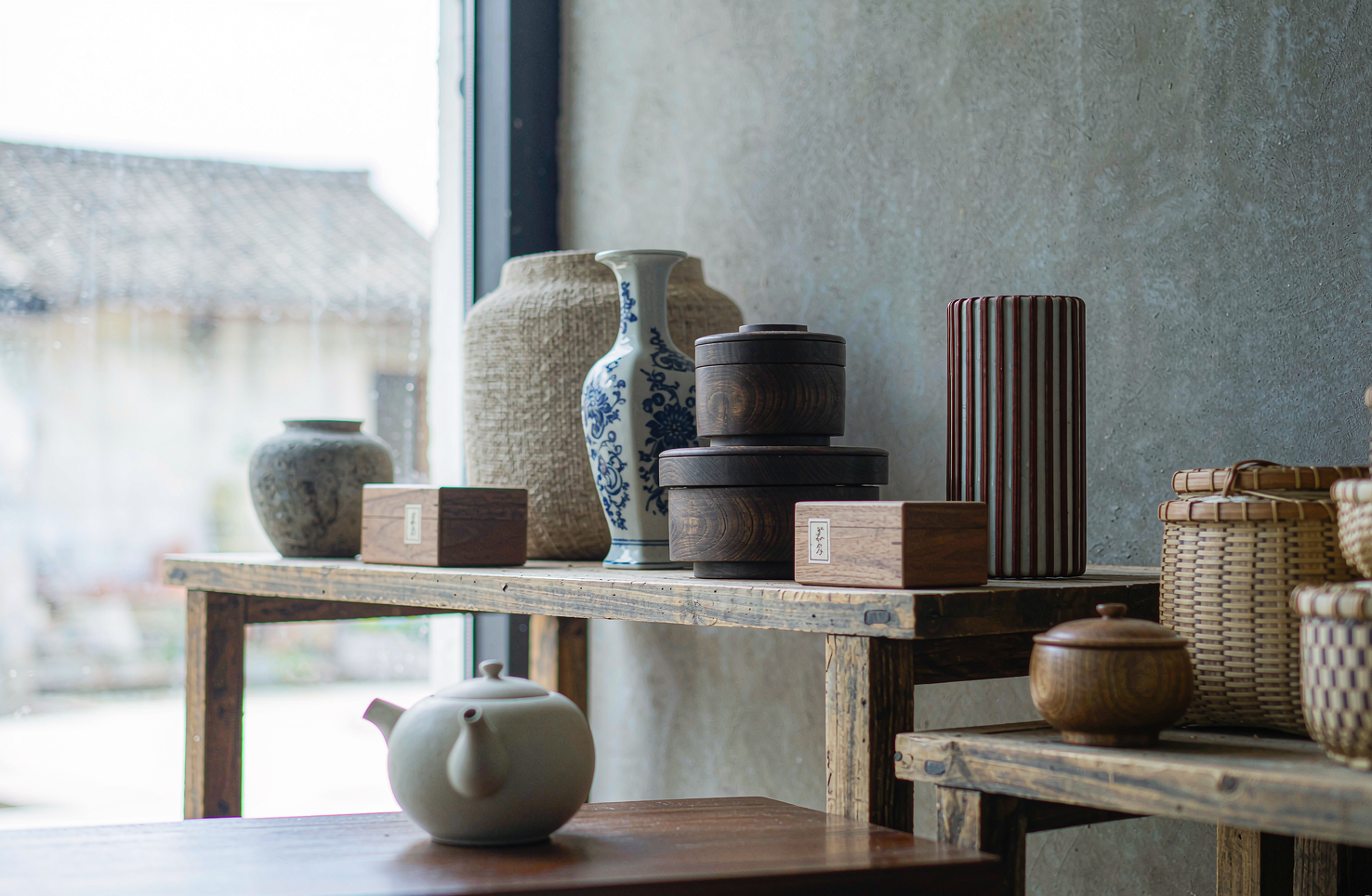
刚过去的假期,不少景区的文创店上演了同一幕:展台前人头攒动,收银台前冷冷清清。游客不是不进店,是进店不掏钱——看看做工,拍拍照片,放下走人。"只逛不买"成了文旅圈整个假期议论的现象。手艺和文创,该为此焦虑吗?两边的账,今天摊开算。
▍一边说:不买,是因为不值
把责任放在游客一边的人不多,但抱怨货的一方很直白:同一个假期,你在北方古镇看到的冰箱贴,和在南边水乡看到的,是同一批货。钥匙扣、书签、帆布袋,换个地名重新上架——说难听些,不少"文创"是从批发市场成箱进来的,跟景区的文化没有半点关系。
价格是压垮购买的又一根稻草。一只流水线杯垫标出手工的价钱,游客用手机比价三十秒就明白了。他们不是不愿意为文化花钱,是不愿意为"假装是文化的东西"花钱——看一眼、拍张照,已经是给足面子。
▍另一边说:冷清,伤的是真手艺
从业者看到的是另一面:文创店的账本冷了,先冻着的是柜台里那几件真东西。许多店里手工与批发混着卖,游客被劣质的便宜货伤了眼,转身把真心做的手作也一并归入"景区智商税"。真假混卖的环境里,受伤的从来是贵的那一个——因为便宜货不怕比价。
这一方还提醒:不买不该成为常态。手艺要靠购买养活,游客一句"都差不多",抹掉的是匠人之间天差地别的功夫。把所有文创一竿子打翻,最后留下的只会是最便宜的那一档。
《非物质文化遗产保护传承"十五五"规划》(文化和旅游部,2026 年)将整治虚假宣传、过度商业化列入任务。
▍值得再想想的
在我们看来,只逛不买未必是坏消息——它逼着一个老问题提前摊牌:什么才值得买?游客用脚投票,投掉的可能是批发的"文化贴牌",留下的注意力恰恰是给真手作的。值得再想想的是:与其劝人买,不如把真假讲明白——讲得清来历的柜台,才配得上不讲理的好东西。
你上次在景区买文创是什么时候?买到了真东西还是踩了坑?评论区聊聊你的经验。
▍问答
问 | 景区里的手工艺品,怎么快速判断值不值得买?
答 | 先问一句"这是谁做的"。能说出匠人或工坊名字、能讲清工序的,多半有底;含糊说"都是厂里进的"的,看看就好。再看细节:手工件的纹路有细微差异,批量货件件相同。这两招用不上十秒钟。
问 | 韵和鸣卖的是真非遗,还是旅游纪念品那种文创?
答 | 是前者,而且标准只有一条:器物必须出自真正的传承人之手、按传统工序手工完成。把非遗图案印到流水线商品上的做法,不在它的经营之列。是不是真作,看它敢不敢把每件东西的来历讲清——这一向是分辨两种生意最省事的办法。
📩 非遗项目 | 匠人举荐 | 跨境出海 | 线下联营
欢迎留言或后台联系,我们与匠人同行。
—— 韵和鸣 · 与匠人同行
〖 辩 〗
English
One Side Says: They Don't Buy Because It Isn't Worth It
Few lay the blame on the guests; those who blame the goods are blunt: in the same holiday, the fridge magnets in a northern old town and those in a southern water town come from the same batch. Keychains, bookmarks, tote bags, re-shelved with a new place-name—in plain words, much of the "merchandise" arrives by the crate from wholesale markets, with nothing to do with the local culture.
Price is the last straw. An assembly-line coaster tagged at a handmade price is exposed by thirty seconds of phone comparison. Visitors are not unwilling to spend on culture; they are unwilling to spend on things pretending to be culture—a look and a photo is already face enough.
The Other Side Says: The Quiet Till Wounds Real Craftsmanship
Those inside the trade see the other side: when the souvenir ledger goes cold, the first to freeze are the few genuine pieces on the counter. Handmade and wholesale often share one shelf; visitors burned by cheap goods turn and file the honest handwork under "scenic-area tax" as well. Where real and fake sell side by side, it is always the expensive one that suffers—for the cheap fears no comparison.
This side also cautions: non-buying should not become the norm. Craft lives on purchase, and a shrug of "they're all the same" erases worlds of difference between makers. Knock over all the merchandise with one pole, and what remains standing will only be the cheapest tier.
The Fifteenth Five-Year Plan for Intangible Cultural Heritage Protection and Transmission (Ministry of Culture and Tourism, 2026) lists curbing false publicity and excessive commercialization among its tasks.
In our observation, browse-but-don't-buy is not necessarily bad news—it forces an old question to show its cards early: what is worth buying at all? Voting with their feet, visitors may be voting down wholesale "culture stickers," saving their attention for real handwork. What deserves a second thought: rather than urging people to buy, make the true and false plain—a counter that can explain its provenance deserves the goods that need no excuse.
When did you last buy at a scenic-area shop—a genuine find, or a pit? Share your experience in the comments.
At a scenic-area shop, how do you quickly judge if a piece is worth buying?
Start with one question: "Who made this?" A name, a workshop, a process that can be told—these usually have substance; a vague "it all comes from a factory" deserves only a look. Then the details: handmade pieces vary faintly one to another, batch goods are identical. Ten seconds cover both moves.
Does YUNHEMING sell genuine heritage craft, or tourist-memorial merch?
The former, and by a single standard: pieces must come from real bearers' hands and be finished by traditional process. Printing heritage motifs onto assembly-line goods is not its trade. Whether something is genuine—see if its seller dares to tell each object's full story; that has always been the easiest way to tell the two businesses apart.
ICH Projects · Artisan Referrals · Global Distribution · Salon Partnerships
你可能还感兴趣
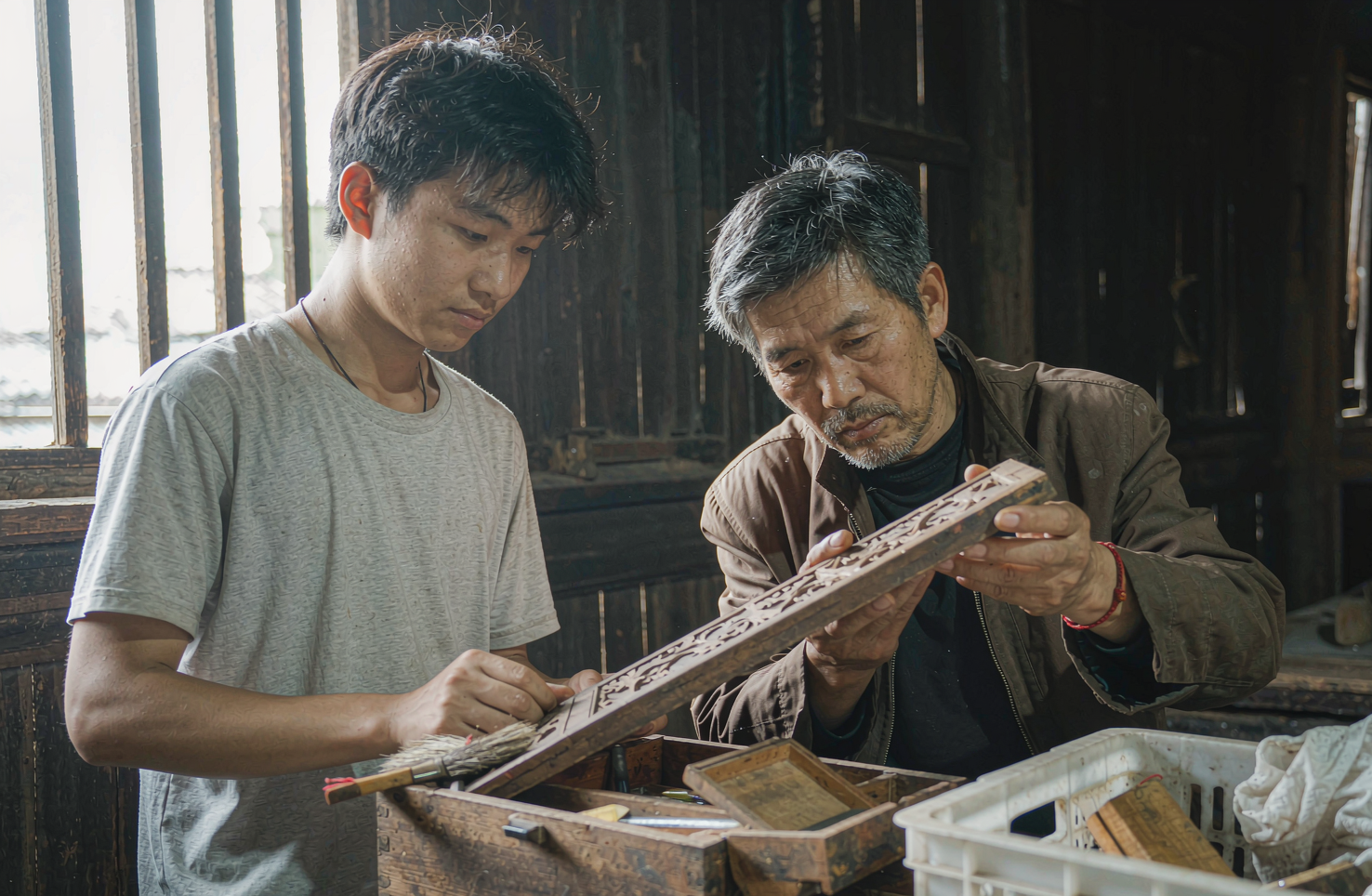
年轻人不愿学老手艺,该怪年轻人,还是怪这门手艺?
非遗传承里被讨论得最多的一句话是"后继乏人"。这句话往下追一层,就分成两条路:一条通向年轻人,说他们耐不住、看不上;一条通向他们面对的那门手艺,说它没能给出一条能活下去的路。这两条路,最近又吵起来了。
韵和鸣 · 2026/10/8 · 11 阅读
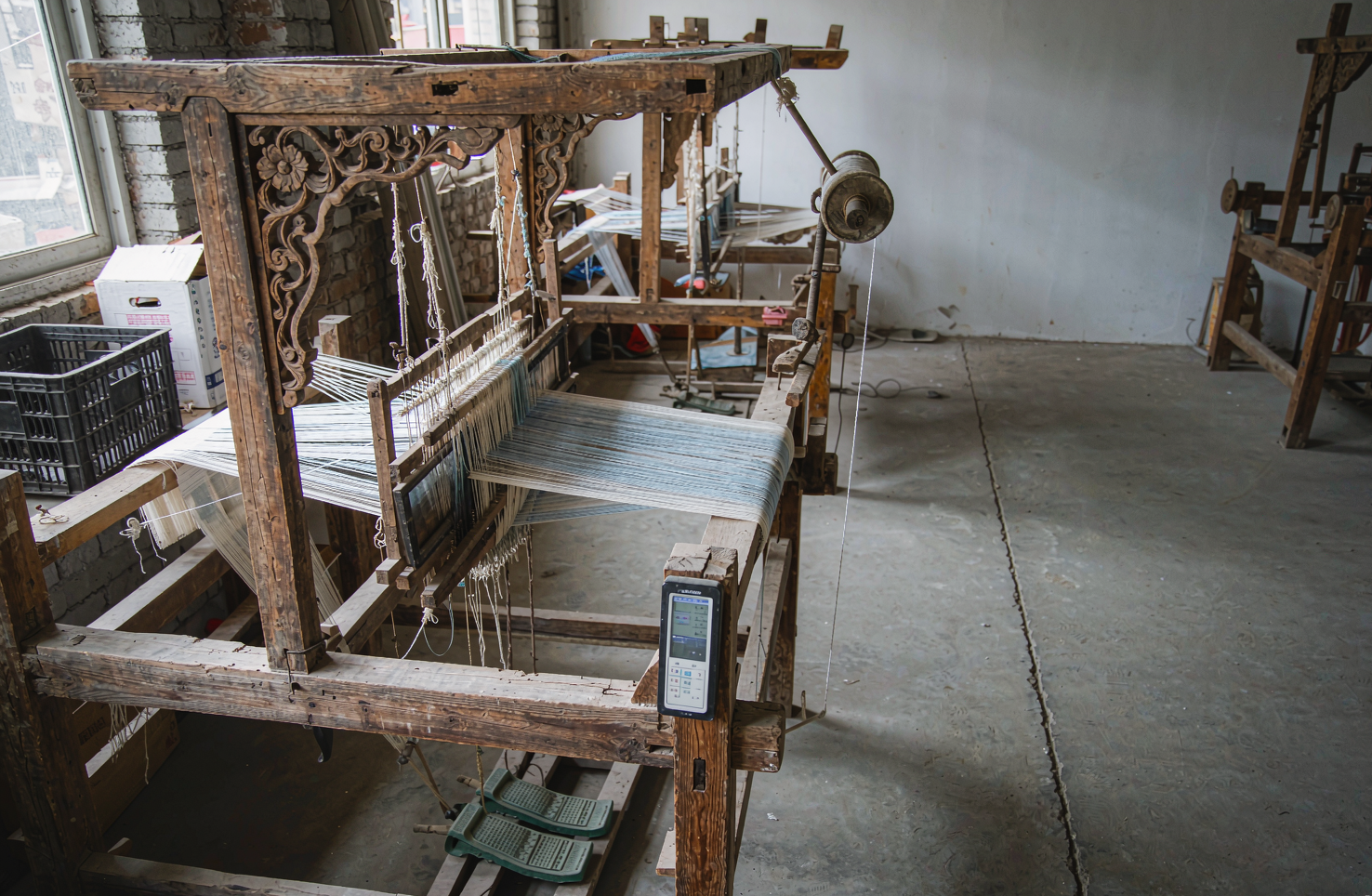
机器开始学手艺:是给匠人搭把手,还是来接班
一段流传很广的画面里,一台机械臂正跟着非遗传承人"学艺"——学劈丝、捻线、穿针。看的人分成两拨:一拨说技术帮上了忙,一拨说来抢饭碗了。同一件事读出两种意思,关键在于用什么尺度去量。
韵和鸣 · 2026/10/9 · 10 阅读
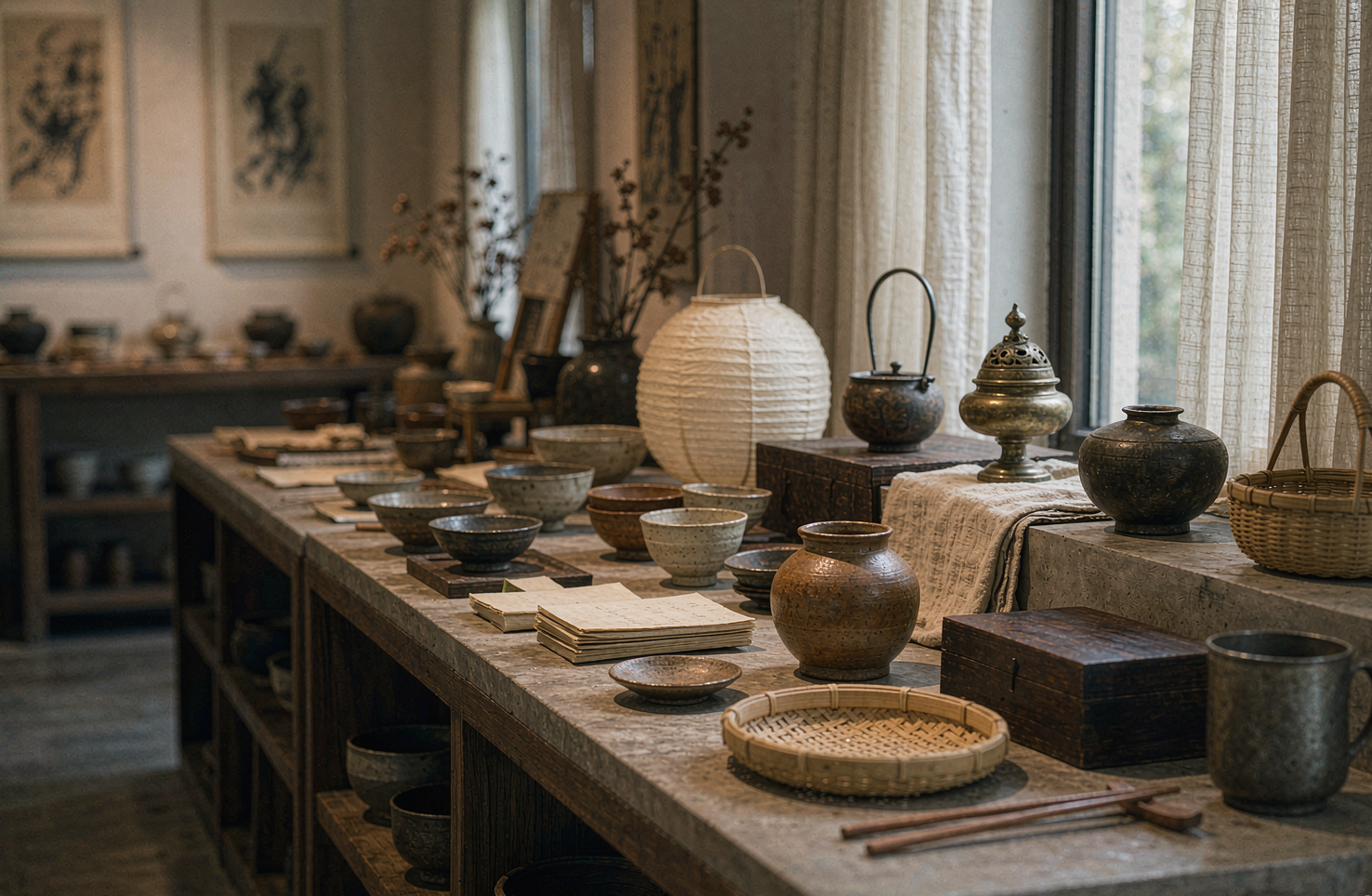
非遗创新只剩跨界联名和文创,是真突破还是路径依赖?
长假刚过,一场区域性非遗活动发布的"创新案例"名单在网上引来讨论:入选案例的路数出奇一致——不是和游戏影视做跨界,就是把老手艺搬进沉浸式演出,再就是开发一轮文创。有人叫好,也有人摇头:年年喊创新,怎么总围着老三样转?是突破,还是路径依赖?两边的话都摆出来。
韵和鸣 · 2026/10/13 · 4 阅读
去贵州雷山,看一块银元如何变成一支银簪
在黔东南的苗寨里,银不只是一种首饰材料。它曾经是可以随时熔掉、重新打制的"存款",也是节日里一个女人身上最亮的那部分。关键在于,当一块老银元被放进坩埚,它要经过多少双手、多少道火,才重新成为一件能戴出门的东西。
韵和鸣 · 2026/10/9 · 27 阅读
漆器为什么能埋八千年不坏
在博物馆做漆器研究与修复的研究员老周,桌上常年摆着两样东西:一段出土的漆皮残片,一只新做不久的平遥推光漆盘。他说这两样东西隔着八千年,却是同一种材料。这次对话,我们从"漆器为什么埋几千年不坏"聊起,聊到最后,其实是手艺对材料的理解问题。
韵和鸣 · 2026/10/14 · 16 阅读
一方宋锦里,藏着宋人的审美秩序
初见宋锦,我的反应不是"好看",而是"安静"。它不像人们想象里的锦那样满身是光。带我看锦的老师傅说,正是这份安静,最难织。
韵和鸣 · 2026/10/8 · 11 阅读