年轻人不愿学老手艺,该怪年轻人,还是怪这门手艺?
韵和鸣 · 韵和鸣公众号 · 2026/10/8 12:00:00 · 11 阅读
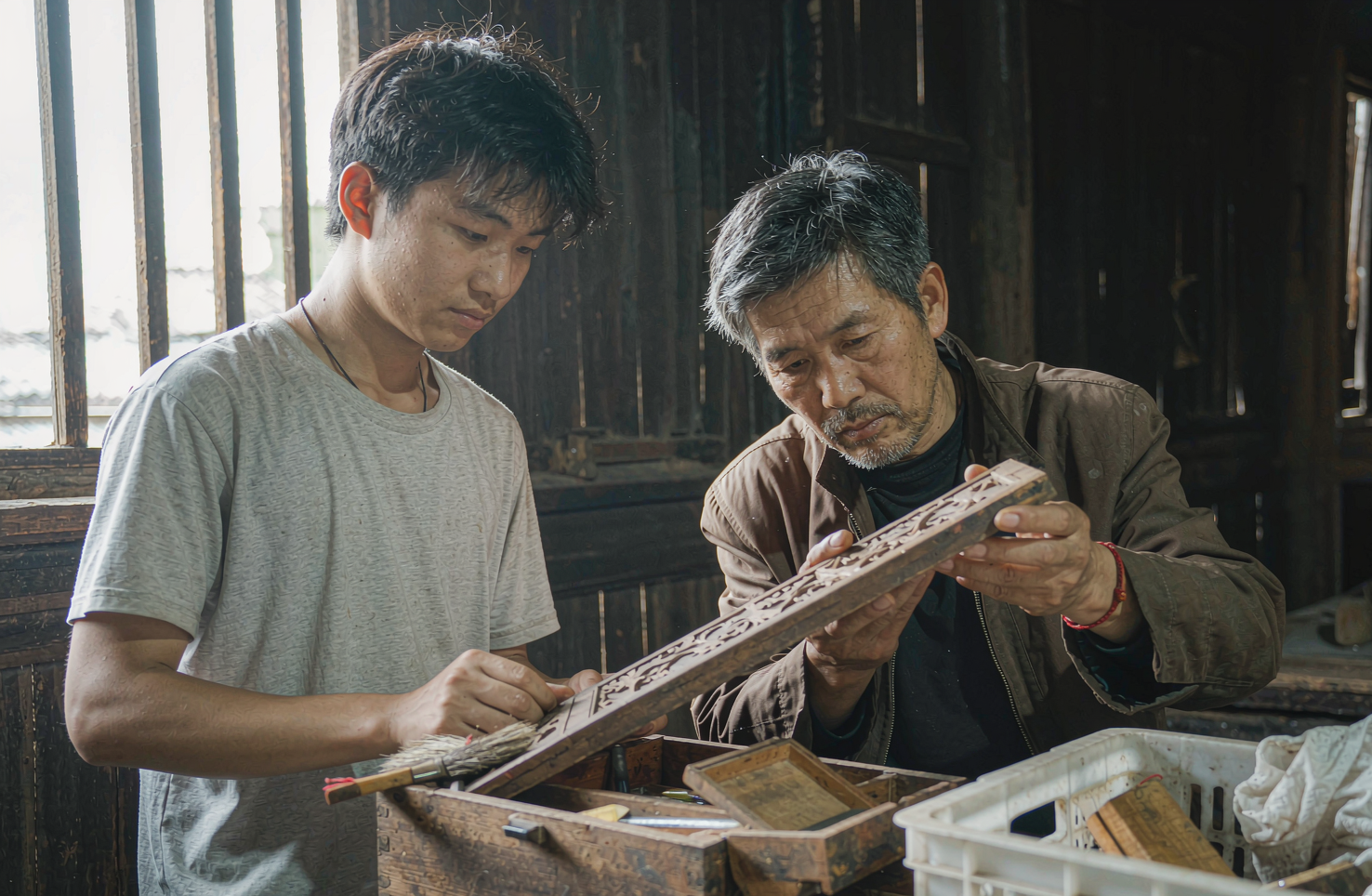
非遗传承里被讨论得最多的一句话是"后继乏人"。这句话往下追一层,就分成两条路:一条通向年轻人,说他们耐不住、看不上;一条通向他们面对的那门手艺,说它没能给出一条能活下去的路。这两条路,最近又吵起来了。
▍一边说:这不只是年轻人"不肯吃苦"
站这一边的人常举一个很实在的对比:一件耗时数月的手作,卖价可能要跟一台机器几小时产出的同类商品较劲;绣娘辛苦一个月,未必比得上在城市里做一份普通工作。要求一个年轻人"为情怀留下来",本身就是一种不公平的期待。
举个具体的例子。这门手艺的学徒周期常以年计,回报却要靠一件件器物慢慢累积:平遥推光漆器髹饰技艺 2006 年即被列为国家级非物质文化遗产代表性项目,产地在山西省晋中市平遥县。
他们的推论是:断代不是态度问题,是回报问题。年轻人不是不懂手艺的好,是看不到学成之后的十年会怎样。行业要留住人,先得把"手艺能不能养活一个人"这件事讲清楚。
▍另一边说:也不能什么都推给"钱"
反对的人并不否认收入问题,但他们指出:把传承断代全部归到经济上,也是一种省事的解释。真正学得下去的人,往往不是因为当初算清了账,而是因为在这门手艺里找到了自己愿意投入的东西。价值认同这件事,从来没法折算成月薪。
他们还提醒一点:如果一切都按市场回报来定,那些市场很小、却在文化上不可替代的门类,会被"合理"地放弃。有些东西的价值,本来就不该由当下的行情来投票。
▍值得再想想的地方
两边的分歧,其实卡在同一个词上:"值"。一边问的是"这份劳动值多少钱",一边问的是"这门手艺值不值得一个人花一辈子"。这两个问句用的都是"值",但计算的单位并不一样——一个是月薪,一个是意义。
也许真正该追问的不是"该怪谁",而是:有没有一种安排,能让回报和意义不必二选一。比如让手艺的收入结构里,除了产品售价,还包含传承、教学与传播的部分。这个问题没有标准答案,但它比互相指责更接近解法。
你站哪一边?是"回报问题"更实在,还是"意义问题"更根本?评论区说说你的判断。
▍问答
问 | 现在学一门非遗手艺,收入大概是什么水平?
答 | 差异很大,取决于门类、产地与个人。有的手艺人以产品售价为主要收入,周期长、波动大;也有相当一部分收入来自教学、展演与体验课。这也是"传承难"讨论中最实际的争议点。
问 | 韵和鸣怎么看待手艺人面对的这些实际困难?
答 | 品牌把自己定位为「非遗经纪人」:以公益之心帮匠人处理内容、访谈、渠道与出海的事,让手艺人能更多时间专心做手艺;器物与非遗老师联名,匠人的名字在作品里。这不能替代行业层面的结构性问题,但至少是一种把"回报"往匠人一侧挪的做法。
📩 非遗项目 | 匠人举荐 | 跨境出海 | 线下联营
欢迎留言或后台联系,我们与匠人同行。
—— 韵和鸣 · 与匠人同行
〖 辩 〗
English
One Side: It Is Not Simply That the Young Won't Endure Hardship
This side points to a plain comparison: a piece taking months may have to compete in price with something a machine turns out in hours; an embroiderer's month of work may not match an ordinary job in the city. Asking a young person to "stay for the love of it" is itself an unfair expectation.
Take a concrete case. Apprenticeship in such a craft is counted in years, while returns accumulate only piece by piece: the Pingyao polished lacquerware technique was listed as a national-level ICH representative item in 2006, its home in Pingyao County, Jinzhong City, Shanxi Province.
Their conclusion: generational break is not a matter of attitude but of return. The young are not blind to the craft's value; they simply cannot see what the next ten years hold. To keep people, the field must first answer whether a craft can support a life.
The Other Side: But Not Everything Can Be Blamed on Money
The other side does not deny the income problem but argues that reducing transmission to economics is also an easy answer. Those who truly stay often do so not because they did the math, but because they found something in the craft worth giving themselves to. A sense of worth has never converted neatly into a monthly salary.
They add a caution: if everything were decided by market return, the categories with tiny markets yet irreplaceable cultural value would be abandoned—quite "reasonably." Some things should not be voted on by today's prices.
The disagreement hinges on one word: worth. One side asks what the labor is worth in money; the other asks whether the craft is worth a lifetime. Both use the word "worth," but they are measuring in different units—one in salary, the other in meaning.
Perhaps the real question is not who to blame, but whether there is an arrangement in which return and meaning need not be mutually exclusive—say, an income structure for craftspeople that includes transmission, teaching and storytelling alongside the sale price. There is no standard answer, but it comes closer to a solution than pointing fingers.
Which side are you on—is the money problem more real, or the meaning problem more fundamental? Tell us in the comments.
What is the income level for learning a heritage craft today?
Variation is wide, depending on craft, place and person. Some earn mainly from selling work, with long cycles and volatility; others draw much of their income from teaching, demonstrations and workshops. This is the most concrete point of dispute in the succession debate.
How does YUNHEMING view the practical difficulties craftspeople face?
The brand positions itself as a heritage agent: helping masters with content, interviews, channels and exports on a public-interest basis, so they can spend more time on the craft. Pieces are co-signed with the masters, whose names are part of the work. This cannot replace structural problems at the industry level, but it does tilt returns toward the artisan's side.
ICH Projects · Artisan Referrals · Global Distribution · Salon Partnerships
你可能还感兴趣
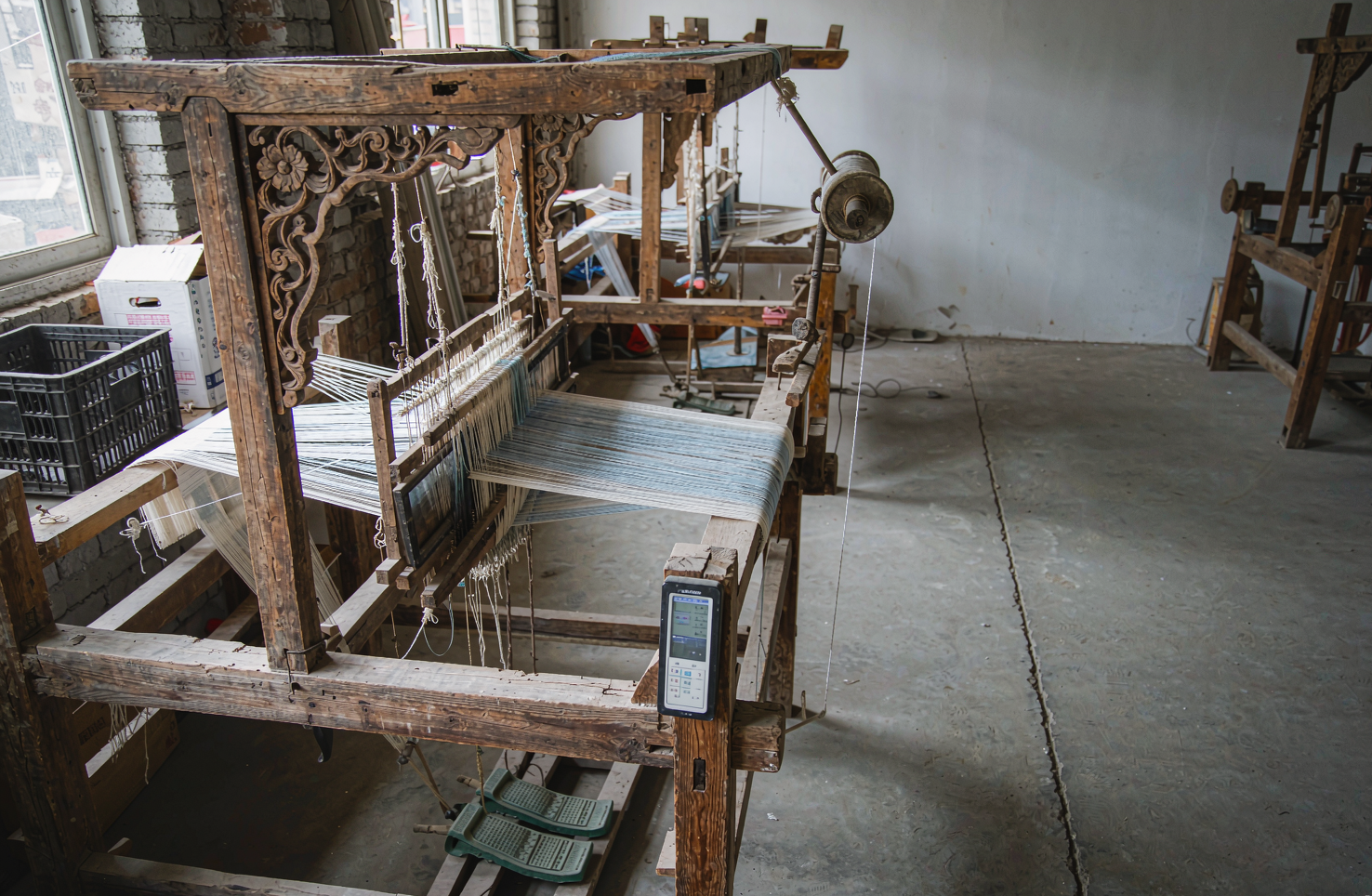
机器开始学手艺:是给匠人搭把手,还是来接班
一段流传很广的画面里,一台机械臂正跟着非遗传承人"学艺"——学劈丝、捻线、穿针。看的人分成两拨:一拨说技术帮上了忙,一拨说来抢饭碗了。同一件事读出两种意思,关键在于用什么尺度去量。
韵和鸣 · 2026/10/9 · 10 阅读
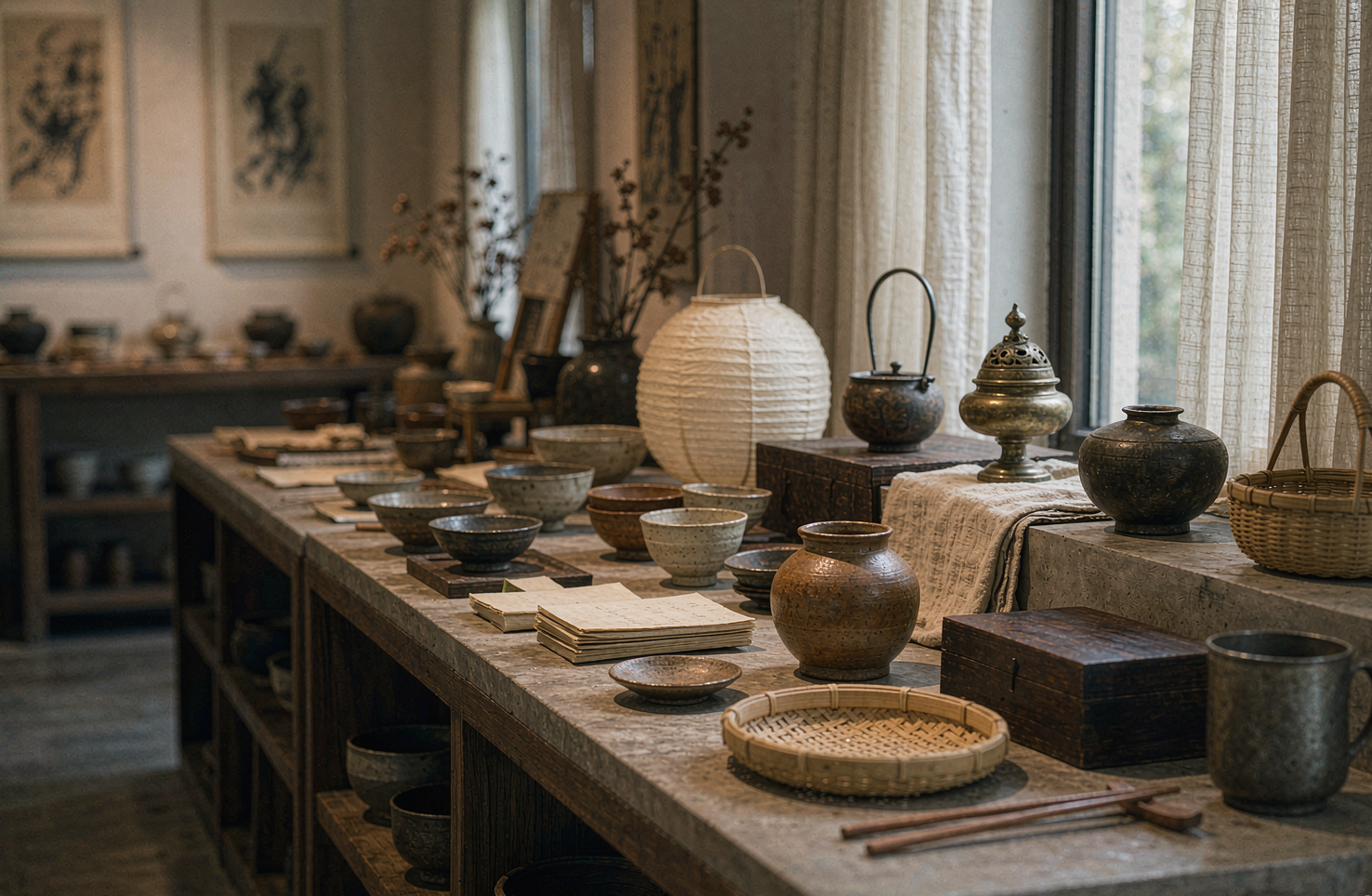
非遗创新只剩跨界联名和文创,是真突破还是路径依赖?
长假刚过,一场区域性非遗活动发布的"创新案例"名单在网上引来讨论:入选案例的路数出奇一致——不是和游戏影视做跨界,就是把老手艺搬进沉浸式演出,再就是开发一轮文创。有人叫好,也有人摇头:年年喊创新,怎么总围着老三样转?是突破,还是路径依赖?两边的话都摆出来。
韵和鸣 · 2026/10/13 · 4 阅读
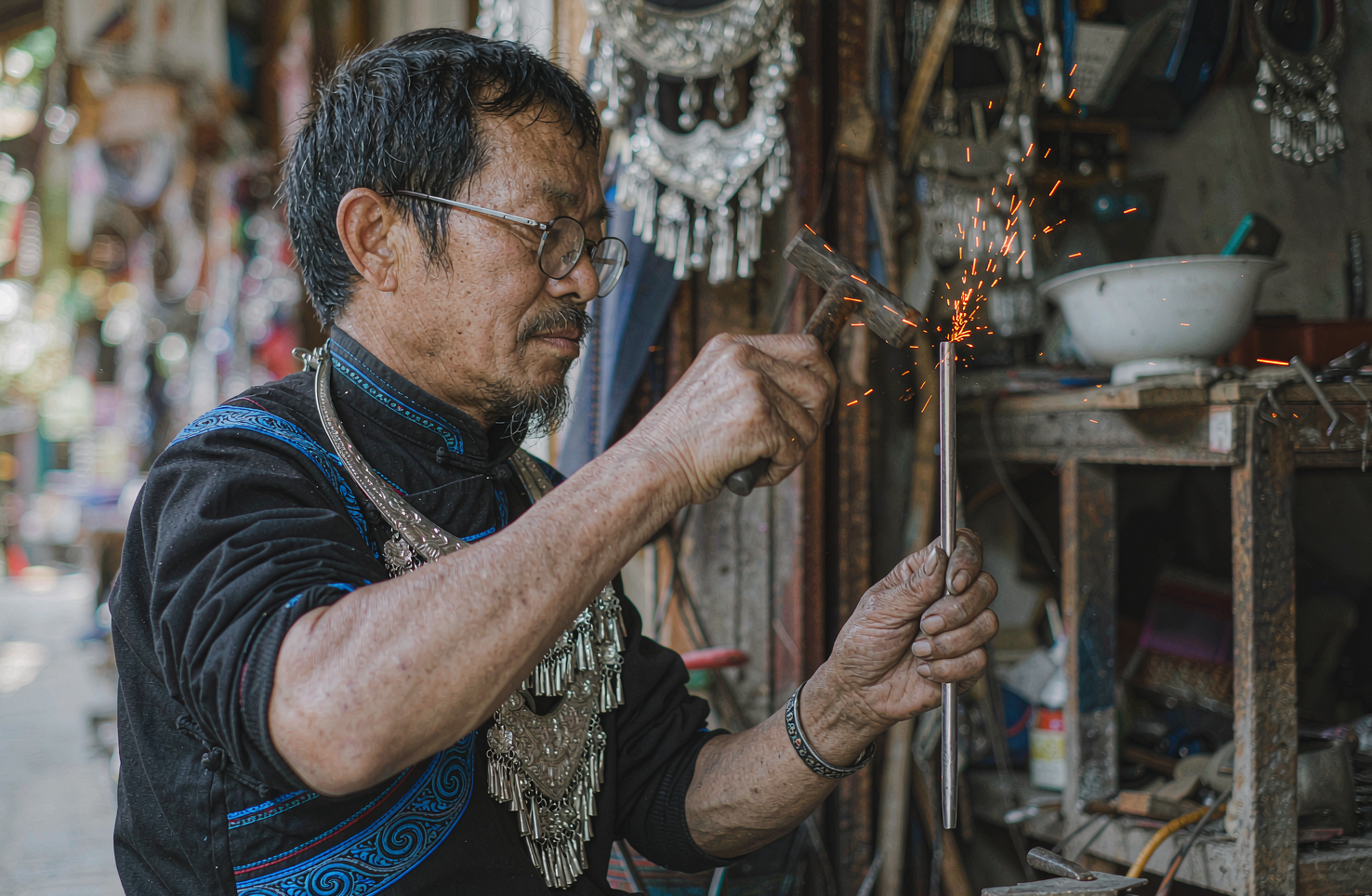
去贵州雷山,看一块银元如何变成一支银簪
在黔东南的苗寨里,银不只是一种首饰材料。它曾经是可以随时熔掉、重新打制的"存款",也是节日里一个女人身上最亮的那部分。关键在于,当一块老银元被放进坩埚,它要经过多少双手、多少道火,才重新成为一件能戴出门的东西。
韵和鸣 · 2026/10/9 · 27 阅读
漆器为什么能埋八千年不坏
在博物馆做漆器研究与修复的研究员老周,桌上常年摆着两样东西:一段出土的漆皮残片,一只新做不久的平遥推光漆盘。他说这两样东西隔着八千年,却是同一种材料。这次对话,我们从"漆器为什么埋几千年不坏"聊起,聊到最后,其实是手艺对材料的理解问题。
韵和鸣 · 2026/10/14 · 16 阅读
一方宋锦里,藏着宋人的审美秩序
初见宋锦,我的反应不是"好看",而是"安静"。它不像人们想象里的锦那样满身是光。带我看锦的老师傅说,正是这份安静,最难织。
韵和鸣 · 2026/10/8 · 11 阅读
把"慢"做成一种体验:一间非遗会客厅的想法
我们习惯按功能给空间分类:吃饭的、购物的、办公的。但有一种很难归类——它在城市的闹处,不催你走,也不急着让你买单。关键在于,当"慢"被认真设计出来,它本身就可以是一种产品。
韵和鸣 · 2026/10/9 · 10 阅读