把"慢"做成一种体验:一间非遗会客厅的想法
韵和鸣 · 韵和鸣公众号 · 2026/10/9 12:00:00 · 10 阅读
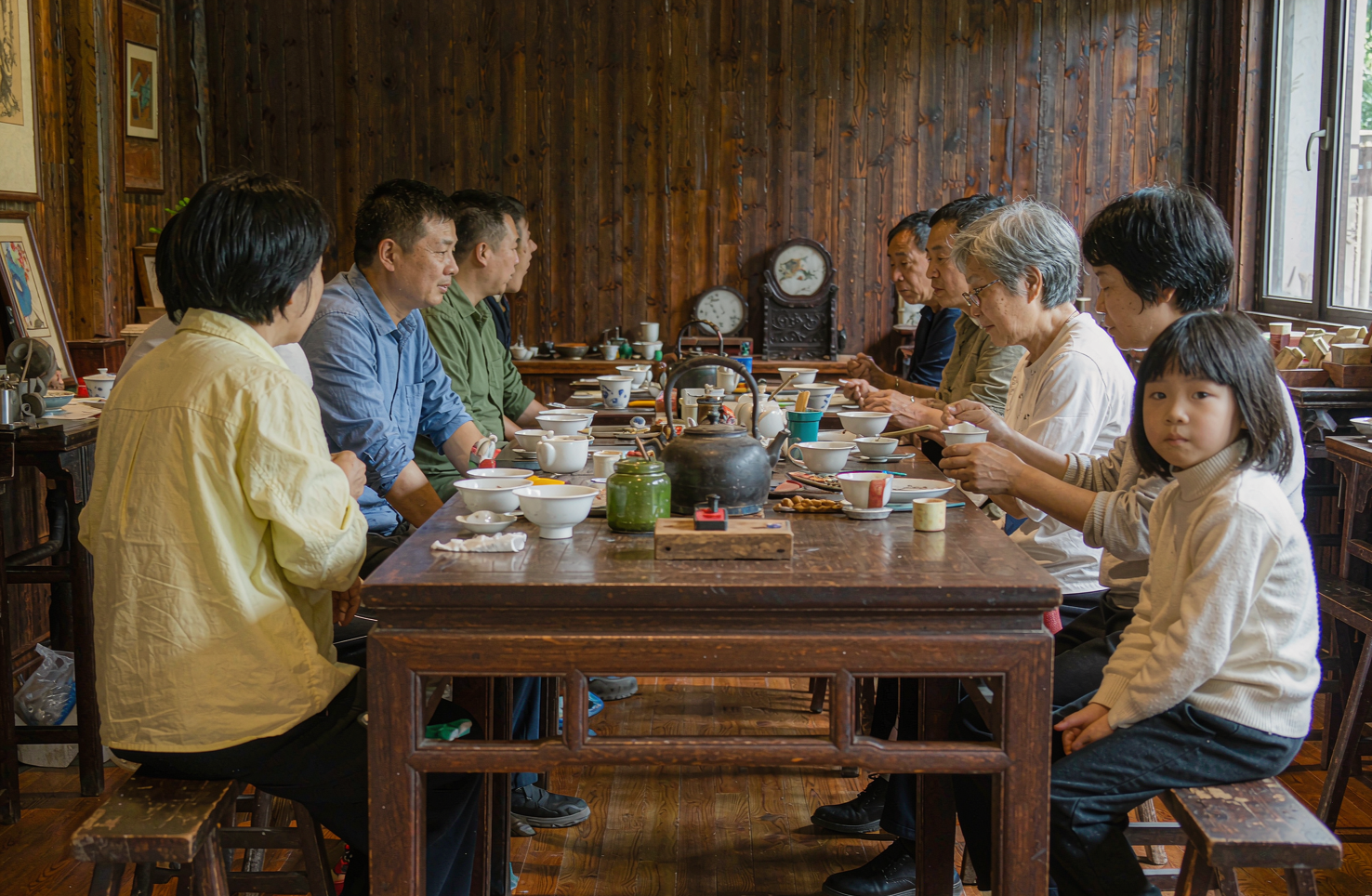
我们习惯按功能给空间分类:吃饭的、购物的、办公的。但有一种很难归类——它在城市的闹处,不催你走,也不急着让你买单。关键在于,当"慢"被认真设计出来,它本身就可以是一种产品。
▍一间不像卖场的空间
走进韵和鸣的非遗会客厅,常有的感觉是"这不像卖场"。没有一排排货架,器物散着摆:桌上、架上、窗边,各占一角,留出许多空。
会客厅的陈列有一条清楚的原则:"山西一半、全国一半"——一半是山西省本土的非遗,一半是各地精品。它想说的是:这里不卖某一地的特产,而是让人在一间屋子里遇到不同地方的手艺。
▍五种"可",让手作被完整地看见
会客厅设计了五种体验:可观赏、可品鉴、可体验、可购买、可交流。
五种体验里,只有一种是"买"。这不是刻意反商业,而是对手作的看法本就如此——一件器物要被真正看懂,光靠看不够,还要上手摸重量、听人讲来历、坐下来用一次。
▍"慢静养":把节奏还给人
会客厅里被反复提到的一个词是"慢静养"——
"慢静养"不是形容词,指的是把节奏还给人的空间设计:光柔、声轻、桌椅能久坐。
茶与器物放在一起,人进来先坐下,再看东西。
这套思路里还揉进了国学、养生、家庭文化。它们和手艺其实是一路的——都讲耐久,讲"养",讲一件东西和时间的关系。会客厅把它们放在一个屋檐下,是想让人慢下来之后,有个去处。
▍慢,也要能被复制
如果只有一家店,慢是一种个性;如果要成为网络,慢就必须变成标准。
韵和鸣采用"总部直营+城市合作"的模式:总部输出标准、内容、资源与供应链,地方伙伴负责场地与客群。好处是一间会客厅的"气质"不会因换城市就散掉;难处也在这里——标准化最怕把"人味"一起标准掉。
什么该统一、什么必须留给当地,是"慢空间"最要想清楚的一件事。手艺有地方性,空间也是。
▍问答
问 | 非遗会客厅和普通文创店、体验店有什么不一样?
答 | 差别在定位。普通文创店以商品为中心,会客厅以"人与手艺相遇"为中心:陈列讲"山西一半、全国一半",体验讲可观赏、可品鉴、可体验、可购买、可交流,更强调坐得住、看得进去。买只是其中一环。
问 | "慢静养"空间是不是只是个营销说法?
答 | 要看它有没有落到硬件与流程上。真的慢空间,会在光、声、座位、动线上做事:光柔、声低、椅子能久坐、动线留白。若只是挂个牌子、价格照旧,那就确实只是说法。判断标准很简单——你进去后,身体会不会自己松下来。
问 | 韵和鸣有线下店吗?在哪里可以体验?
答 | 有。韵和鸣设有线下「非遗会客厅」,是可以坐下来看器物、聊手艺的空间,不是柜台式的卖场,而是品牌与用户、与匠人见面的地方。陈列按"山西一半、全国一半"布置;具体开放信息可通过公众号了解。
📩 非遗项目 | 匠人举荐 | 跨境出海 | 线下联营
欢迎留言或后台联系,我们与匠人同行。
—— 韵和鸣 · 与匠人同行
〖 厅 〗
English
Walking into a YUNHEMING heritage salon, the common impression is that it does not feel like a store. There are no rows of shelves; objects are placed apart—on tables, on racks, by the window, each holding its own corner, with plenty of space left open.
The salon follows one clear display principle: "half Shanxi, half the rest"—half of Shanxi Province's own heritage, half fine work from elsewhere. What it really says is this: it does not sell one place's specialty, but lets a person meet crafts from different places within a single room.
Five "Can-Dos" That Let Craft Be Fully Seen
The salon offers five experiences: to view, to taste, to try, to buy, and to talk.
Only one of the five is "to buy." This is not a deliberate anti-commerce stance but a way of understanding handcraft: to truly grasp an object, looking is not enough—you need to hold it to feel its weight, hear where it came from, and sit down and use it once.
"Slow and Quiet": Giving Rhythm Back to People
A phrase repeatedly heard in the salon is "slow and quiet"—
"Slow and quiet" is not an adjective; it names a design approach that gives rhythm back to people: soft light, low sound, seating you can settle into.
Tea sits with the objects; a visitor sits down first, then looks.
This approach also folds in Chinese classics, wellness and family culture. They share a lineage with craft—all speak of durability, of "nurturing," of an object's relationship with time. Gathering them under one roof, the salon hopes that once people slow down, they have somewhere to go.
If there is only one store, slowness is a personality; if it is to become a network, slowness must become a standard.
YUNHEMING uses a model of "headquarters-run plus city partnership": the headquarters supplies standards, content, resources and the supply chain, while local partners handle the site and the customers. The advantage is that a salon's temperament does not dissolve when the city changes; the difficulty is the same—standardization most risks standardizing away the human touch.
What to unify and what must remain local is the one thing a "slow space" must think through most carefully. Craft is regional; so are spaces.
How is a heritage salon different from an ordinary cultural-goods or experience store?
The difference lies in positioning. An ordinary cultural-goods store centers on merchandise; a salon centers on people meeting craft: displays follow "half Shanxi, half the rest," and the experience covers viewing, tasting, trying, buying and talking, emphasizing settling in and looking closely. Buying is one link, not the whole.
Is a "slow and quiet" space just marketing?
It depends on whether it reaches hardware and process. A genuinely slow space works on light, sound, seating and circulation: soft light, low sound, chairs you can sit in for long, circulation that leaves breathing room. If it merely hangs a sign and prices the same, then it is just a phrase. The test is simple—does your body relax on its own once you step in.
Does YUNHEMING have physical stores, and where can one experience them?
Yes. YUNHEMING runs physical "heritage salons," places where you can sit down to look at objects and talk about craft—not counter-style stores but venues where the brand meets users and artisans. Displays follow "half Shanxi, half the rest"; opening details can be found through the official account.
ICH Projects · Artisan Referrals · Global Distribution · Salon Partnerships
你可能还感兴趣
为什么非遗要「可看、可品、可体验、可购买」
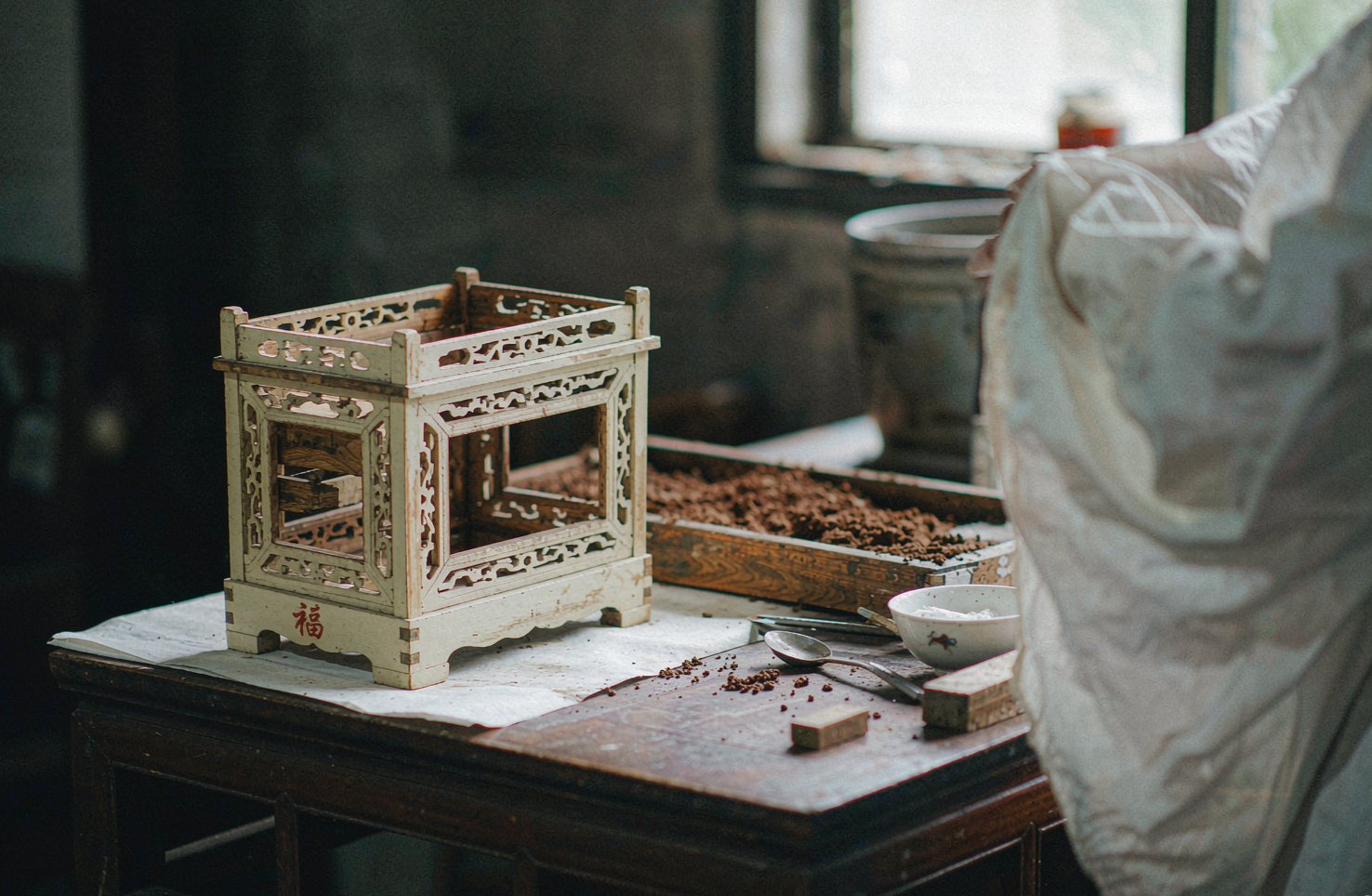
做线下空间这些年,我们给会客厅定了四个动词:可看、可品、可体验、可购买。说到底,这四个词对应的是一个人走进陌生空间时的四步心路——先看看,再坐下,然后上手,最后才谈得上带走。非遗器物的门槛从来不是价格,是距离;空间存在的意义,就是把这四步距离一步步拆掉。
韵和鸣 · 2026/10/13 · 5 阅读
一堂手作课,都市人为什么愿意坐三小时
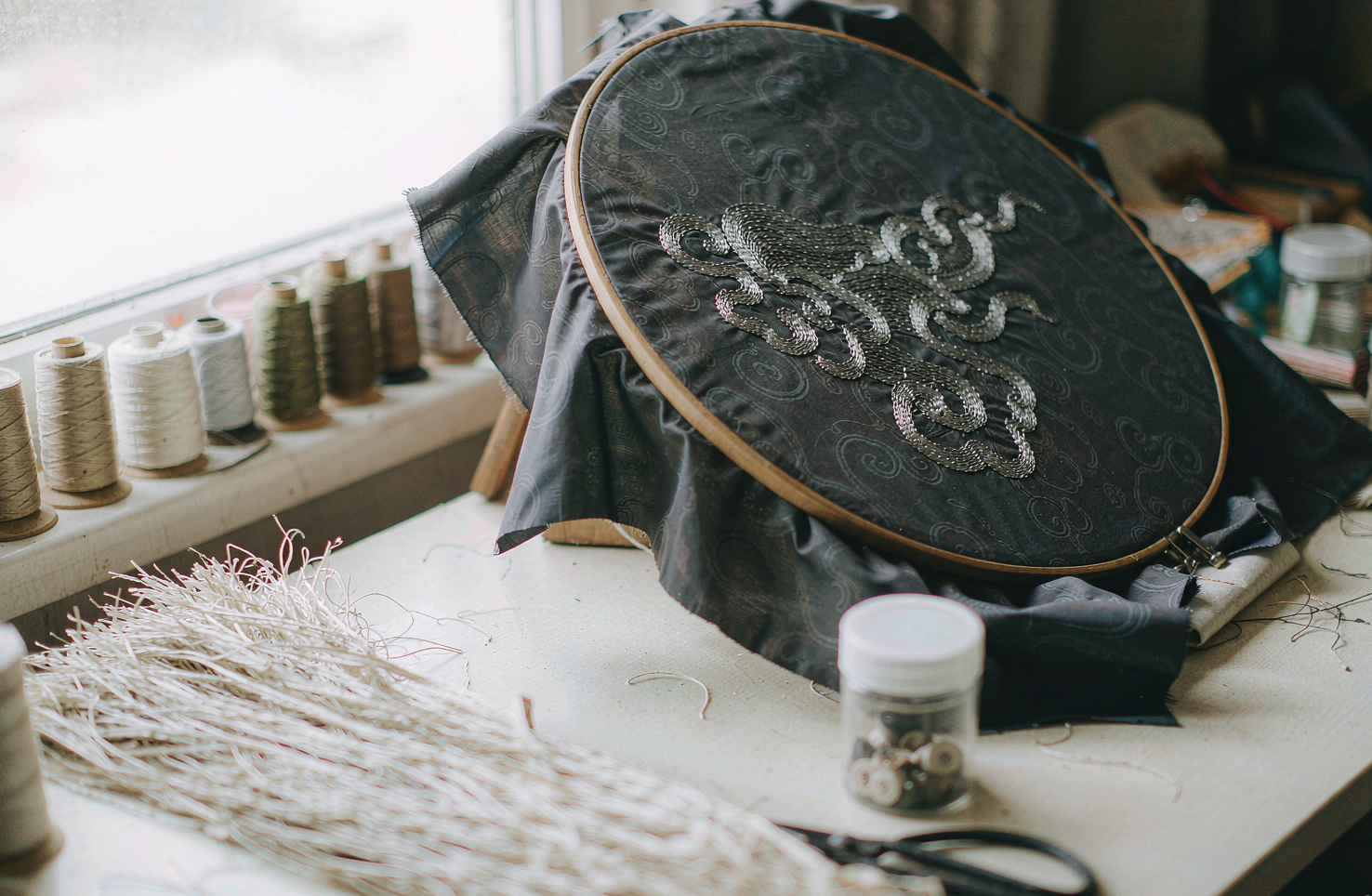
会客厅的手作课有个奇怪的现象:报名的时候人人问"能不能快点做完",真坐下来,却没有一个人提前走。说到底,三个小时买走的不是一件小器物,而是一段不被打扰的时间。
韵和鸣 · 2026/10/11 · 4 阅读
去贵州雷山,看一块银元如何变成一支银簪
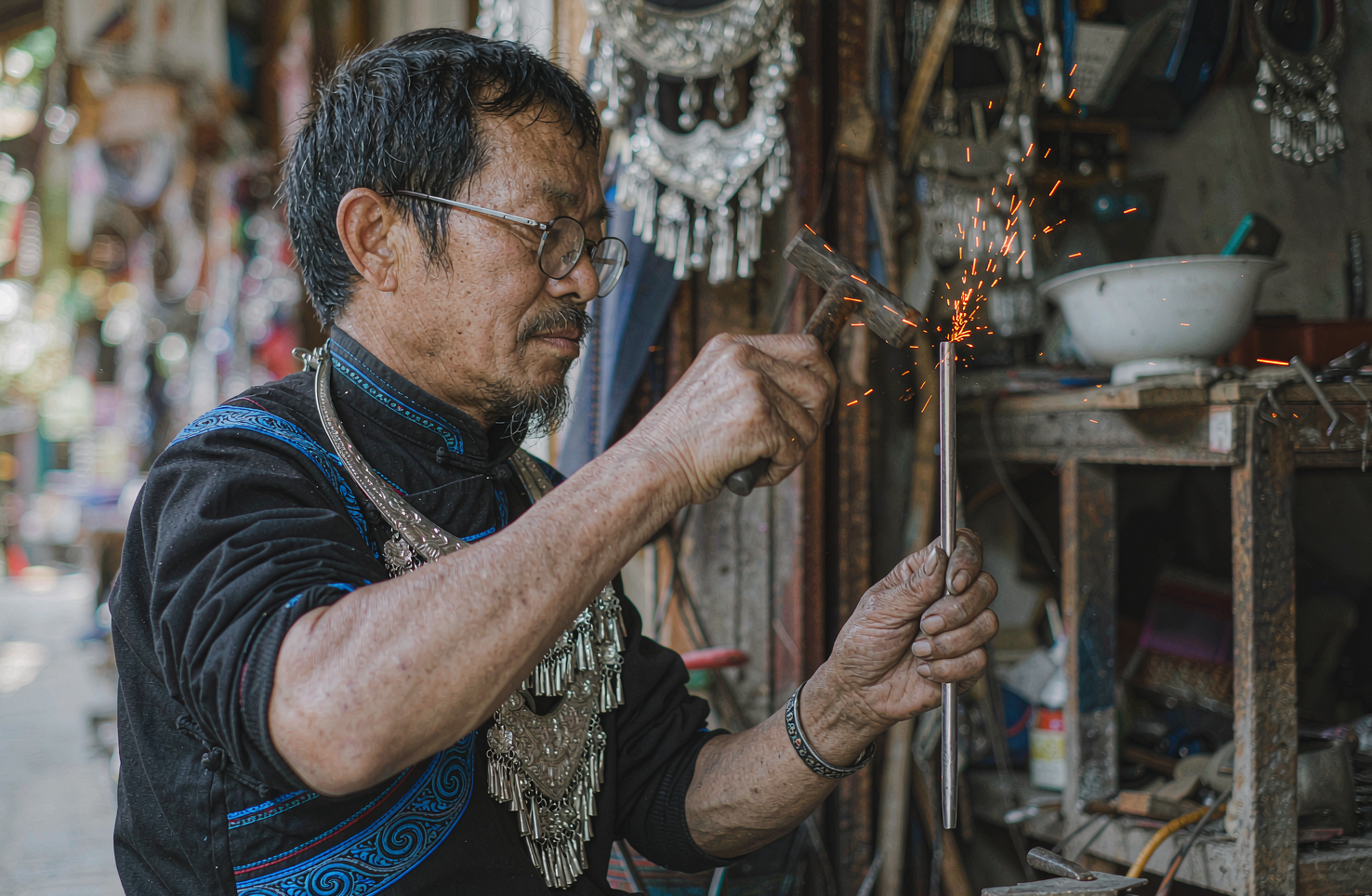
在黔东南的苗寨里,银不只是一种首饰材料。它曾经是可以随时熔掉、重新打制的"存款",也是节日里一个女人身上最亮的那部分。关键在于,当一块老银元被放进坩埚,它要经过多少双手、多少道火,才重新成为一件能戴出门的东西。
韵和鸣 · 2026/10/9 · 27 阅读
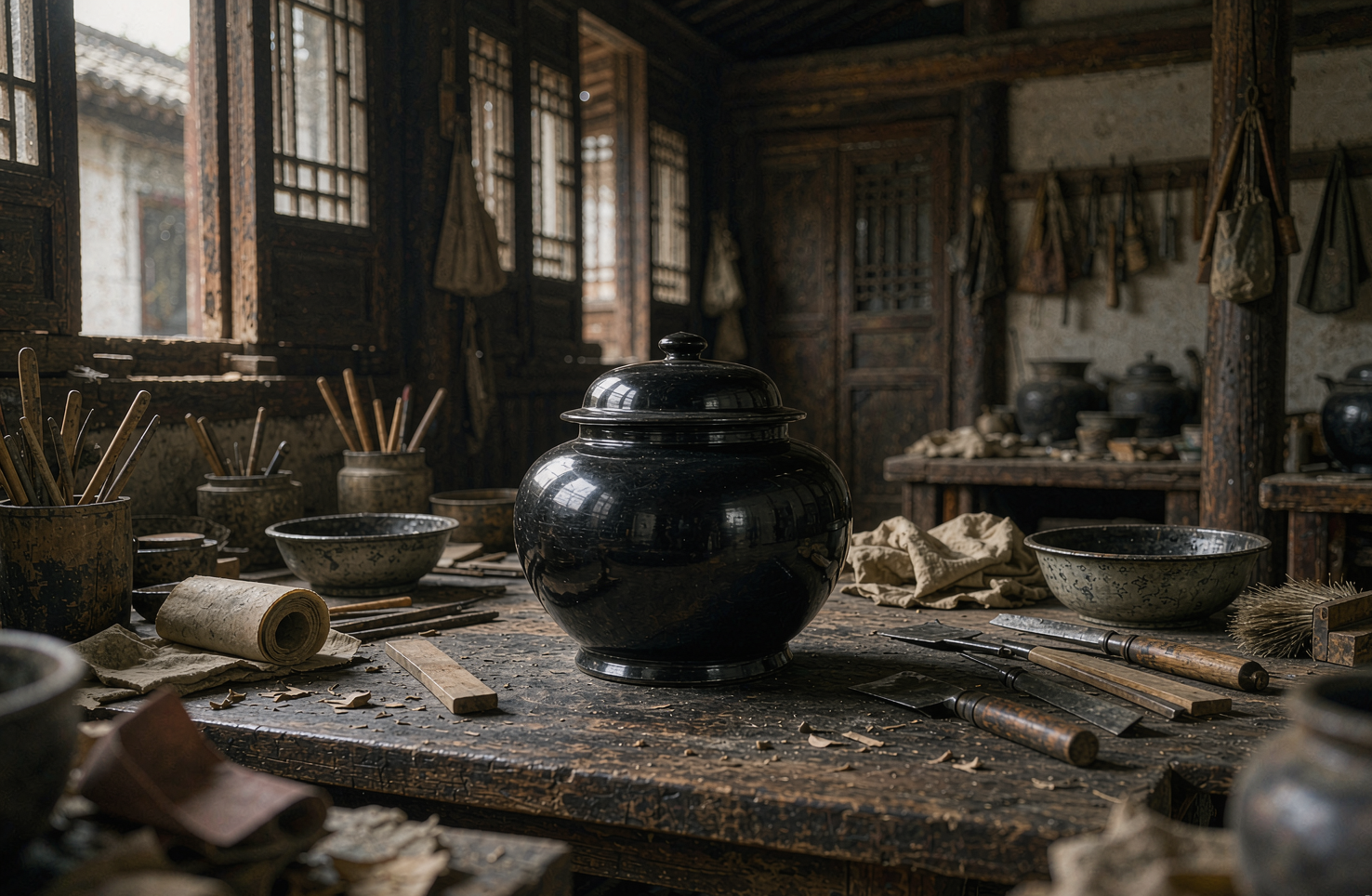
漆器为什么能埋八千年不坏
在博物馆做漆器研究与修复的研究员老周,桌上常年摆着两样东西:一段出土的漆皮残片,一只新做不久的平遥推光漆盘。他说这两样东西隔着八千年,却是同一种材料。这次对话,我们从"漆器为什么埋几千年不坏"聊起,聊到最后,其实是手艺对材料的理解问题。
韵和鸣 · 2026/10/14 · 16 阅读
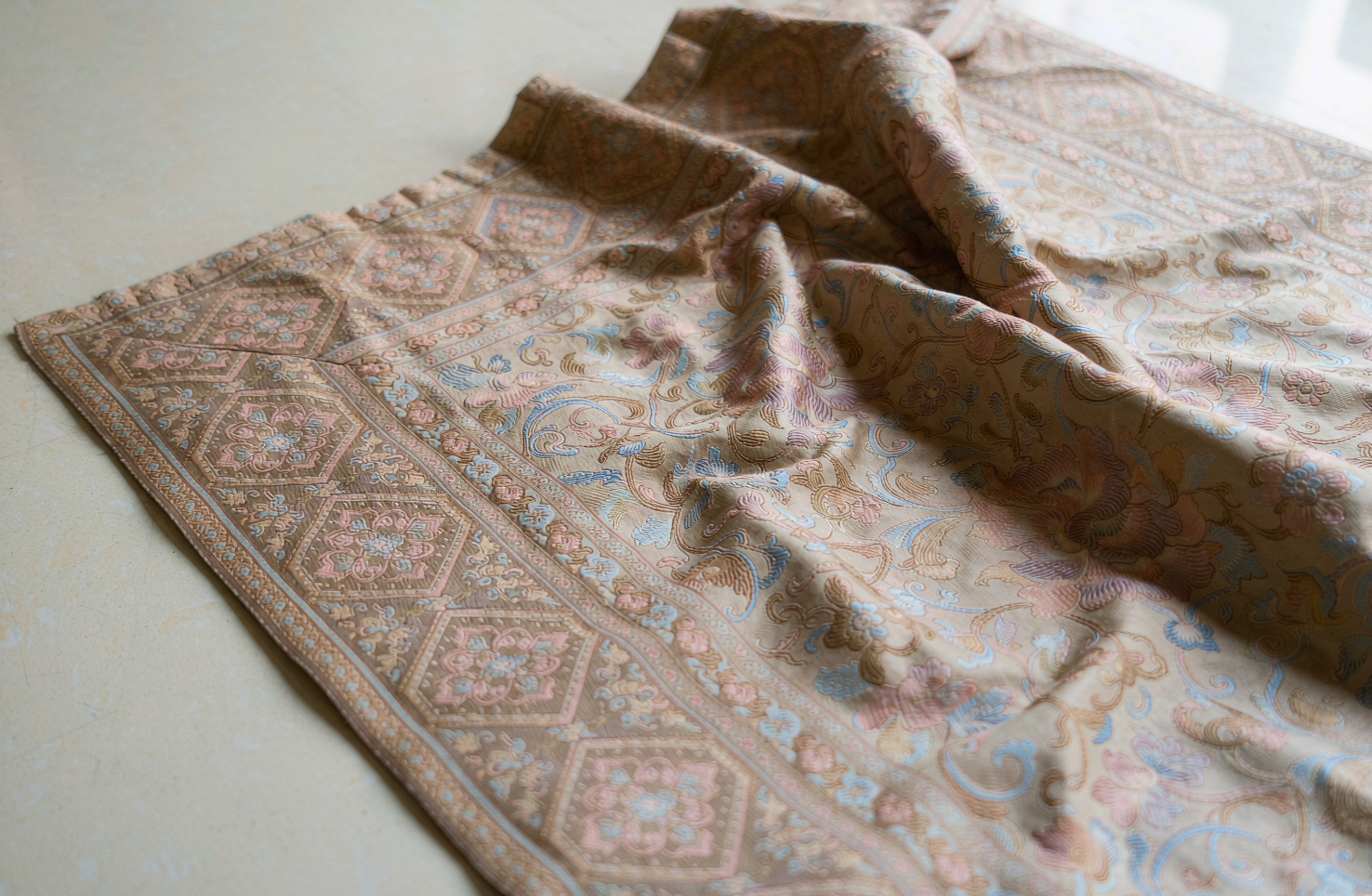
一方宋锦里,藏着宋人的审美秩序
初见宋锦,我的反应不是"好看",而是"安静"。它不像人们想象里的锦那样满身是光。带我看锦的老师傅说,正是这份安静,最难织。
韵和鸣 · 2026/10/8 · 11 阅读
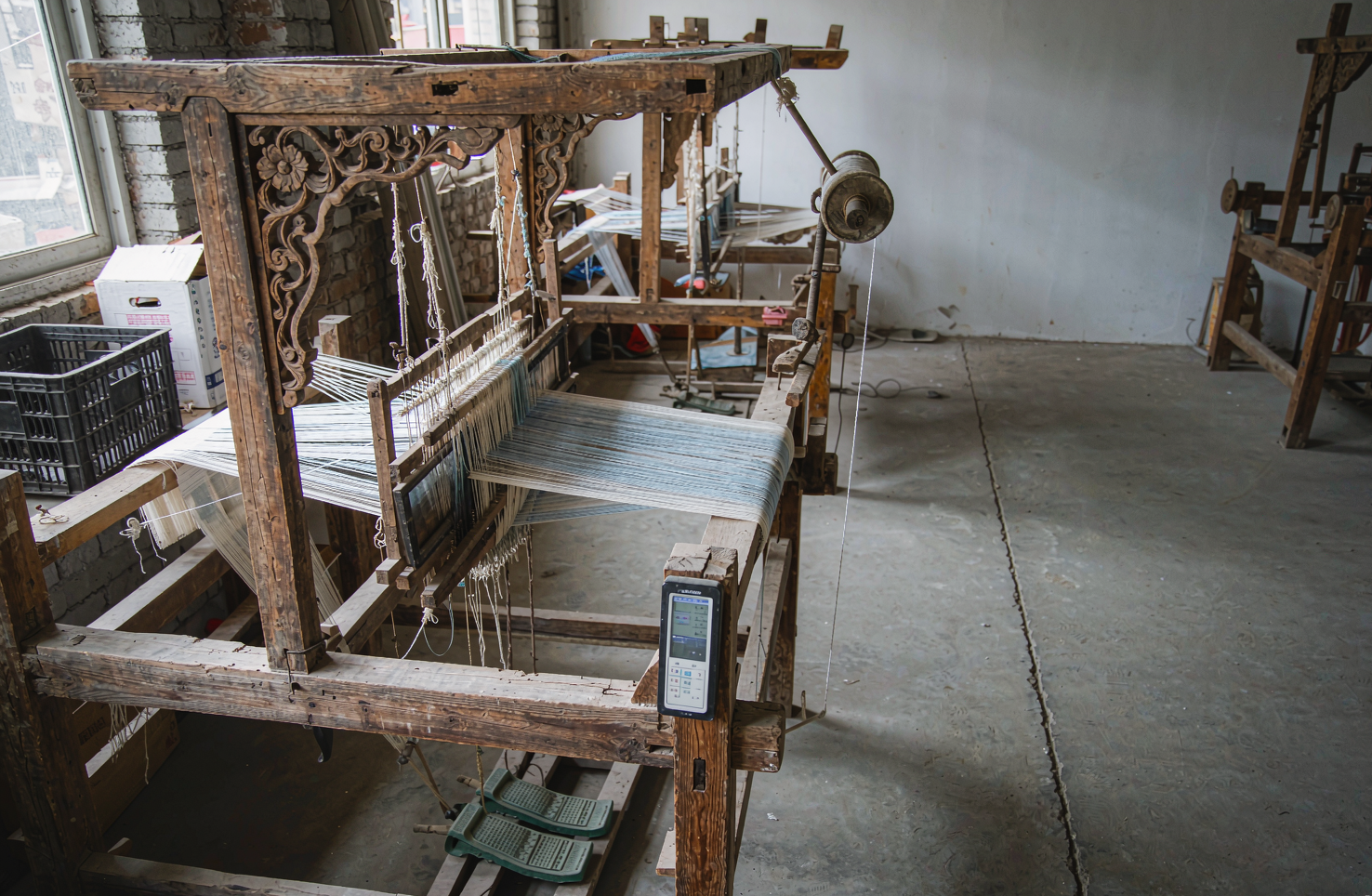
机器开始学手艺:是给匠人搭把手,还是来接班
一段流传很广的画面里,一台机械臂正跟着非遗传承人"学艺"——学劈丝、捻线、穿针。看的人分成两拨:一拨说技术帮上了忙,一拨说来抢饭碗了。同一件事读出两种意思,关键在于用什么尺度去量。
韵和鸣 · 2026/10/9 · 10 阅读