去贵州雷山,看一块银元如何变成一支银簪
韵和鸣 · 韵和鸣公众号 · 2026/10/9 12:00:00 · 28 阅读
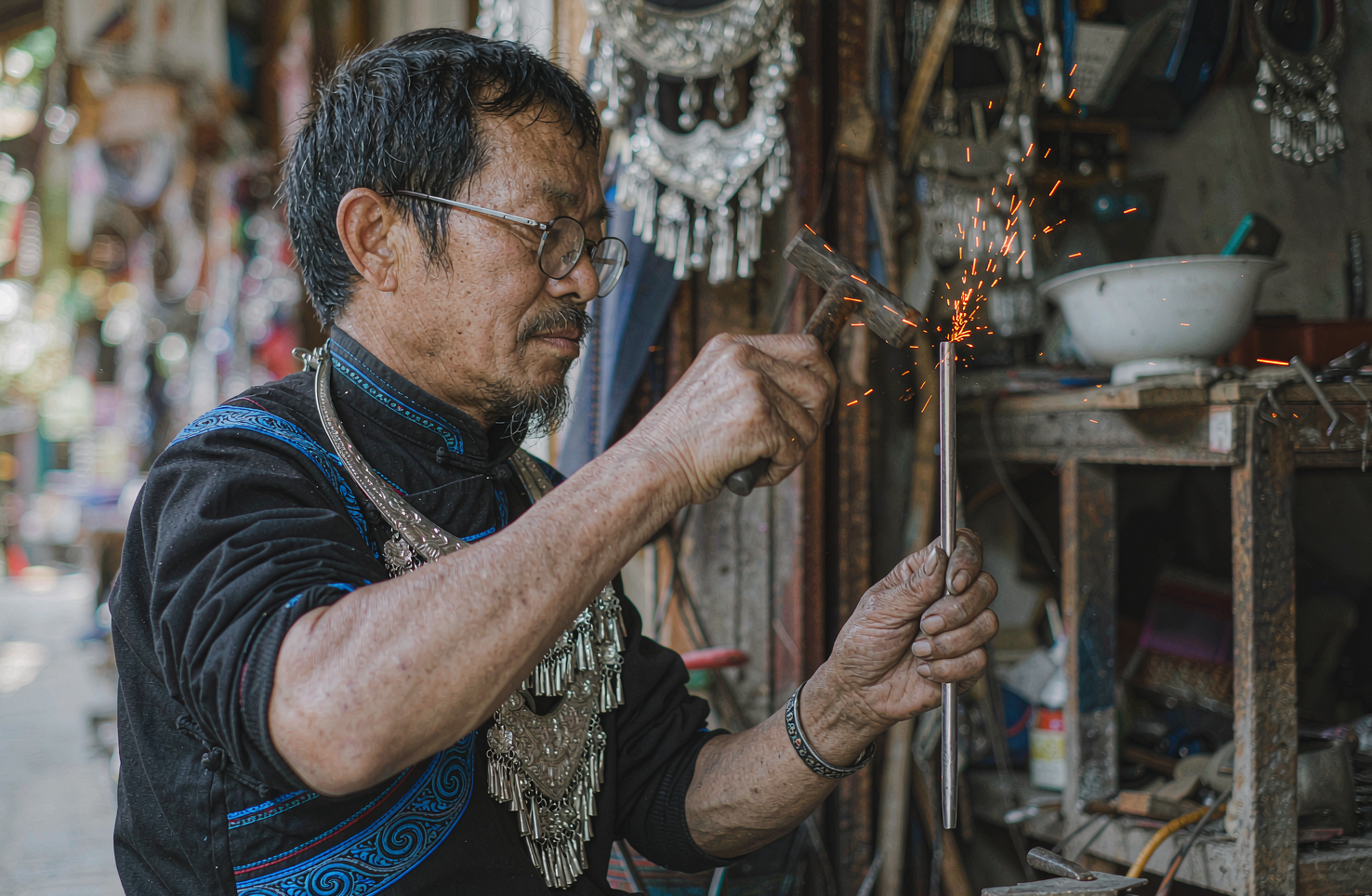
在黔东南的苗寨里,银不只是一种首饰材料。它曾经是可以随时熔掉、重新打制的"存款",也是节日里一个女人身上最亮的那部分。关键在于,当一块老银元被放进坩埚,它要经过多少双手、多少道火,才重新成为一件能戴出门的东西。
▍一间银匠铺的早晨
雷山县的清晨来得慢。雾气还挂在木楼檐下的时候,银匠铺里已经先有了声音——不是敲打,而是风箱低低的响。
铺子不大,靠墙一张矮案,案上摆着钳、剪、锉、镊,还有几支粗细不一的錾子,攥得久了,木柄被手汗浸成深褐。主人从一只旧布包里取出一块银元,掂了掂,又放回去,像是先跟它打个招呼。
在苗寨里,银器一直有双重身份。戴着的时候是首饰,收起来的时候是家底。老人会把旧银、银元、断了的镯子攒在一起,等到女儿出嫁,再请银匠打一套新的。于是"打银"这件事,从来不只是做首饰,它还在替一个家庭记账。
▍从一块银到一支簪
这门手艺有个正式的名字——
苗族银饰锻制技艺,是指贵州雷山、湖南凤凰等地苗族的传统银饰打制技艺,2006 年列入国家级非物质文化遗产名录——这一名录现由文化和旅游部公布。
熔银是头一道。坩埚在小炉上加热,银元慢慢软下去、塌下去,最后化成一团晃眼的银水。这个过程里,杂质被撇走,颜色从灰白转成清亮。
银水倒进模槽,凝成一根银条。接下来的活计就细了:反复加热、锤打、退火,把它拉成越来越细的银丝。丝要匀,粗一点细一点,后面都编不成型。锤子落下去的分寸,靠的不是力气,是手腕——这是案台前最需要安静的时刻。
然后才是錾刻。银匠把银片垫在松香板上,左手稳住,右手持錾,一下一下敲出纹样。苗银的纹样多与生活有关:花、鸟、蝶、鱼、太阳,还有一环套一环的几何纹。它们不是随便画上去的,老银匠心里有一本谱,哪一支簪该配哪种纹,都是有来历的。
一支银簪完工,往往要几天。若是成套的盛装头面,珠子、银片、流苏一样不少,工期就以月计了。
▍手上那点"不匀",才是苗银
机器也能压出银片,甚至压得更平、更齐。可银匠铺里做出来的东西,凑近看总有差别:这里的錾痕略深,那里的流苏长短不齐,同一对耳环也不完全对称。
这些"不匀"不是缺陷,而是签名。它说明这件东西是被一只手做出来的,而不是被一套模具复制出来的。买银饰的人常常先问"多少克",但银匠更在意的是纹样有没有走样、焊接有没有发黑、抛光有没有过头。克重是可以称的,手艺只能看。
▍当一个品牌走进寨子
在雷山,除了银匠铺,还有另一种忙碌:有人举着机器,在给银饰拍片子、做直播。
"银泽"是韵和鸣六大非遗系列之一,取材自贵州的苗银锻造。品牌在这里设了苗银的拍摄与直播基地,做的事听起来简单——把师傅手上的工序拍下来,把银饰的故事讲清楚,让寨子外面的世界先"看见",再"懂得"。
对银匠来说,最直接的好处不是订单立刻变多,而是当有人问起"这是什么纹、怎么打的"时,不用再从头解释一遍。手艺被讲清楚了,价值才立得住。
▍收束:银会旧,手不会
离开时,案上那支新打的银簪还没抛光,颜色发沉。银匠说,戴久了它会慢慢变暗,那是正常的,拿软布擦一擦,又会亮回来。
银会旧,寨子会变,年轻人也未必都留在山里。但只要还有人愿意为一个家庭打一套盛装,这门手艺就还在它原本的位置上。我们要做的,是别让它只在记忆里发亮。
▍问答
问 | 贵州雷山的苗银是纯手工打制吗?
答 | 传统做法是纯手工:熔银、拉丝、锤打、錾刻、焊接、抛光,逐道由银匠完成。部分批量产品会用机器预压银片,但真正的手工苗银,纹样是錾子一下下敲出来的,凑近看会有细微差异。判断时与其问克重,不如看纹样与錾痕是否自然。
问 | 苗族的银饰为什么多用银而不掺别的金属?
答 | 这与苗族长期的生活与观念有关。银器在苗寨里同时是首饰与家底,可熔、可重打、可传递,旧银和新银能接续使用。正因为它承担着"存得住、带得走"的功能,材质本身就被看重,代代相传时也往往连材质一并交下去。
问 | 苗族银饰戴起来重,为什么还非要戴?
答 | 因为它是盛装的一部分,不只是装饰。节庆与婚嫁时,银饰的多少与做工,关乎一个家庭的脸面与祝福。重量本身也参与了仪式感——一位老人说,头面压得越沉,那天走得越稳。
问 | 韵和鸣的苗银是跟匠人联名的吗?不是自己工厂做的吧?
答 | 是联名,不是贴牌。器物的核心工序由非遗老师手工完成,品牌负责严选、内容、渠道与出海,匠人的名字与手艺是作品的一部分。银泽系列取材贵州苗银锻造,品牌在当地设有拍摄与直播基地,长期记录老师手上的工序。机器量产的同类商品,不在严选之列。
📩 非遗项目 | 匠人举荐 | 跨境出海 | 线下联营
欢迎留言或后台联系,我们与匠人同行。
—— 韵和鸣 · 与匠人同行
〖 寻 〗
相关搜索 | RELATED SEARCHES
贵州雷山 苗银 · 苗族银饰 手工 辨别 · 苗银 錾刻 工艺 · 银饰 发黑 怎么办 · 韵和鸣 苗银
English
Morning comes slowly in Leishan. While mist still hung under the eaves of the wooden houses, the silversmith's shop already had a sound—not hammering, but the low breathing of the bellows.
The shop is small. Against one wall stands a low bench holding pliers, shears, files, tweezers and several gravers of varying thickness, their wooden handles darkened by years of sweat. The smith took an old silver coin from a cloth bundle, weighed it in his palm, then put it back—as if greeting it first.
In Miao villages, silver always carried a double identity. Worn, it is jewelry; stored, it is family wealth. Elders gather old silver, coins and broken bracelets until a daughter marries, then ask a smith to forge a new set. "Forging silver" is therefore never just jewelry-making—it also keeps accounts for a family.
Miao silver forging is the traditional silver-smithing craft of the Miao people in Leishan, Guizhou and Fenghuang, Hunan; it was inscribed in 2006 on the national list of intangible cultural heritage—a list now published by the Ministry of Culture and Tourism.
Melting comes first. The crucible heats over a small furnace; the coin softens, slumps, and at last turns into a pool of dazzling molten silver. Impurities are skimmed off, and the color shifts from gray-white to a clear brightness.
The molten silver is poured into a groove and hardens into a bar. What follows is delicate: repeated heating, hammering and annealing, drawing it into ever finer wire. The wire must be uniform—too thick or too thin and it will not braid. The measure of each hammer blow depends not on strength but on the wrist; this is the quietest moment at the bench.
Only then comes engraving. The smith rests the silver sheet on a pitch board, steadies it with the left hand, and taps patterns out with a graver in the right. Miao silver motifs are tied to daily life—flowers, birds, butterflies, fish, the sun, and interlocking geometric bands. They are not drawn at random; an old silversmith carries a mental catalog of which headdress pairs with which motif, each with its own history.
A single silver hairpin often takes several days. A full festival headdress—beads, sheets and tassels all in place—is counted in months.
That Slight Unevenness Is What Makes It Miao Silver
Machines can press silver sheet too—flatter and more even, in fact. Yet things made in a smithy always differ up close: a graver mark runs slightly deeper here, tassels hang a touch unevenly there, and even a matched pair of earrings is not perfectly symmetrical.
That unevenness is not a flaw but a signature. It shows a piece was made by a hand rather than copied from a mold. Buyers often ask first about weight in grams, but smiths care more about whether the motif held, whether the soldering darkened, whether the polishing went too far. Weight can be weighed; craft can only be looked at.
In Leishan, besides the smithies, there is another kind of busyness: people holding cameras, filming silver jewelry and running livestreams.
"Silver" is one of YUNHEMING's six heritage series, drawing on Miao silver forging from Guizhou. The brand has set up a filming and livestreaming base here, and what it does sounds simple: record the craft in the smith's hands, tell the story of the silver clearly, so that the world outside the village can first see it, then understand it.
For the silversmith, the immediate benefit is not that orders instantly increase, but that when someone asks what a motif is or how it was forged, there is no need to explain from scratch again. Once a craft is clearly told, its value can stand.
When I left, the new hairpin on the bench was not yet polished, its color still dull. The smith said it would darken slowly with wear—that is normal—and a rub with a soft cloth would bring the shine back.
Silver ages, villages change, and not every young person stays in the mountains. But as long as someone is still willing to forge a full set of finery for a family, the craft remains where it belongs. Our task is simply to keep it from shining only in memory.
Is Miao silver in Leishan, Guizhou, entirely handmade?
The traditional method is fully handmade: melting, wire-drawing, hammering, engraving, soldering and polishing, done step by step by the smith. Some mass products use machine-pressed sheet, but genuine handmade Miao silver has motifs tapped out stroke by stroke—look closely and there are subtle variations. Rather than asking about weight, look at whether the motif and graver marks feel natural.
Why do Miao silver ornaments use silver rather than other metals?
This relates to long-standing Miao life and beliefs. In Miao villages silver is at once ornament and stored wealth—meltable, reforgeable and transferable, with old and new silver used in succession. Precisely because it serves to store and carry value, the material itself is prized, and it is often handed down along with the craft.
Miao silver jewelry is heavy—why wear it anyway?
Because it is part of formal dress, not mere decoration. At festivals and weddings the amount and workmanship of the silver speak to a family's standing and blessings. Weight itself feeds the sense of ceremony—as one elder put it, the heavier the headdress, the steadier one walks that day.
Is YUNHEMING's Miao silver co-signed with artisans rather than factory-made?
It is co-signed, not white-labeled. The core processes are done by hand by heritage masters, while the brand handles curation, content, channels and going global—the artisan's name and craft are part of the work. The silver series draws on Guizhou Miao silver forging, and the brand runs a filming and livestreaming base there to record the craft over the long term. Machine-made lookalikes are not part of its curated selection.
ICH Projects · Artisan Referrals · Global Distribution · Salon Partnerships
你可能还感兴趣
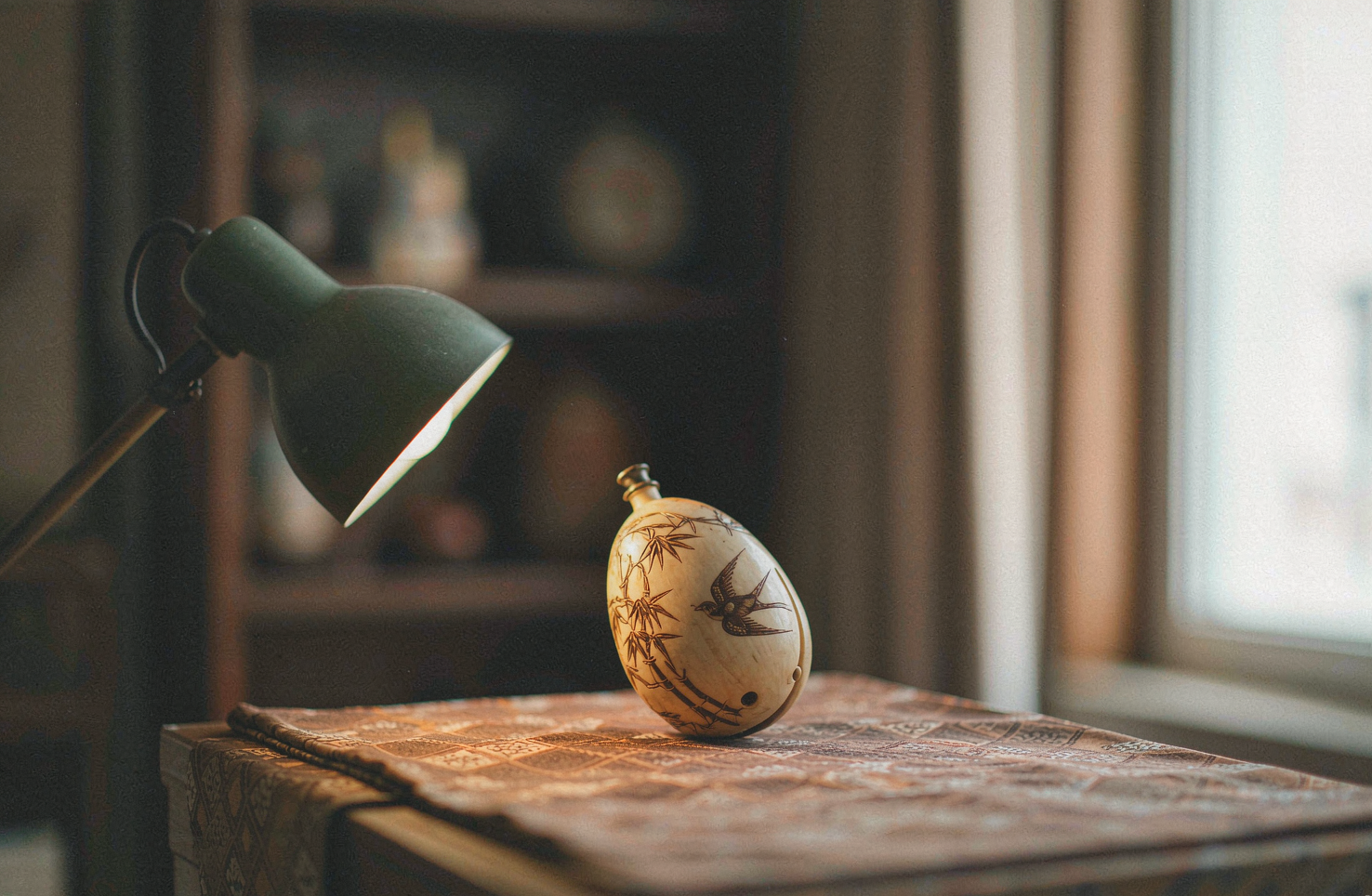
灯下刻蛋的一夜,一枚蛋壳上的毫米功夫
寻访蛋雕匠人的那个晚上,工作台上一盏台灯、一把刻刀、一碟画好底稿的蛋壳。蛋雕这门传统手工技艺,说白了就是在薄胎上动刀子——壳壁比指甲盖厚不了多少,刻透半层是功夫,刻穿整个是事故。我们坐下来看了大半夜,看懂了这门手艺的关键不在"刻",在"忍"。
韵和鸣 · 2026/10/13 · 4 阅读
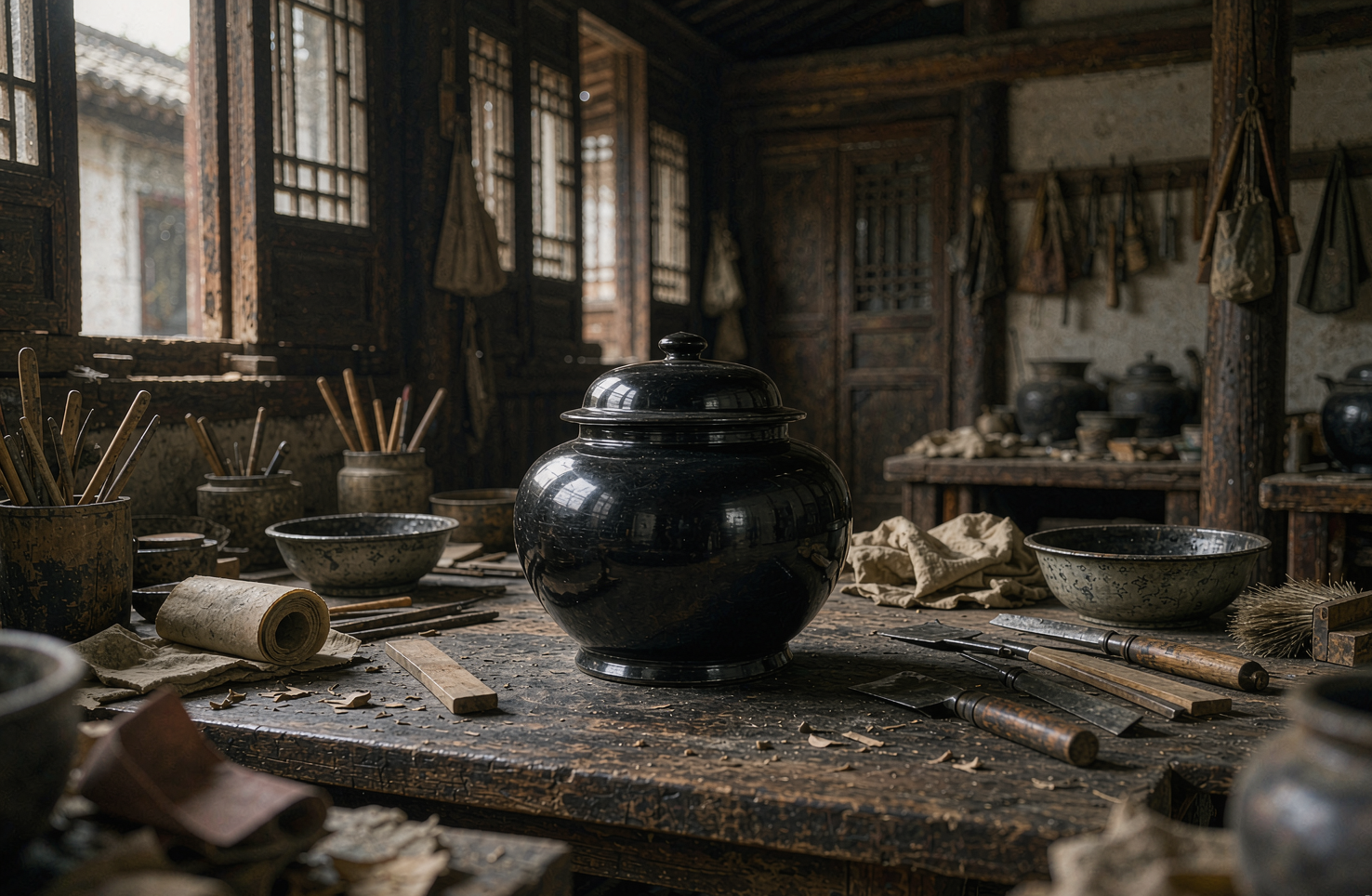
漆器为什么能埋八千年不坏
在博物馆做漆器研究与修复的研究员老周,桌上常年摆着两样东西:一段出土的漆皮残片,一只新做不久的平遥推光漆盘。他说这两样东西隔着八千年,却是同一种材料。这次对话,我们从"漆器为什么埋几千年不坏"聊起,聊到最后,其实是手艺对材料的理解问题。
韵和鸣 · 2026/10/14 · 16 阅读
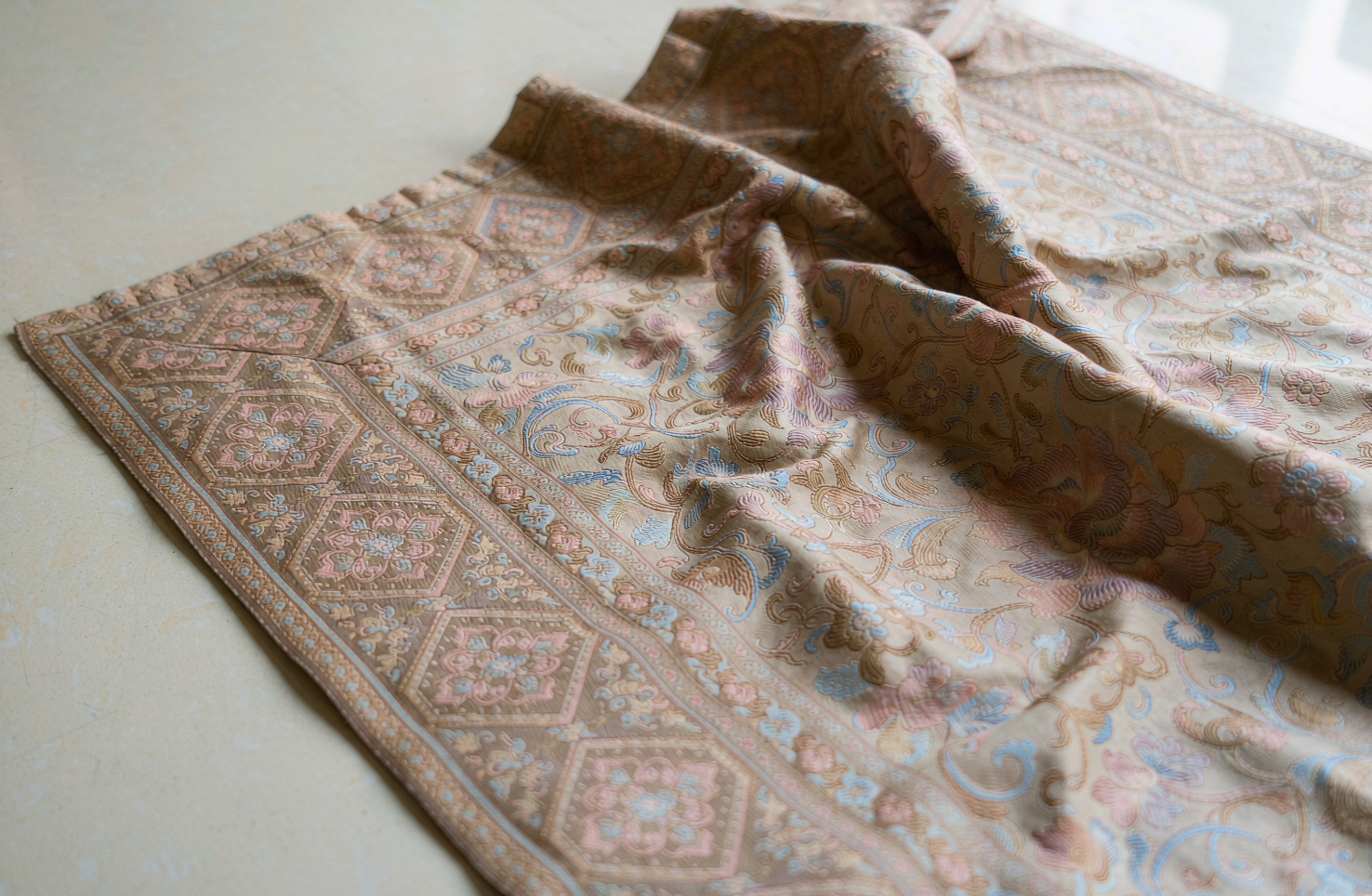
一方宋锦里,藏着宋人的审美秩序
初见宋锦,我的反应不是"好看",而是"安静"。它不像人们想象里的锦那样满身是光。带我看锦的老师傅说,正是这份安静,最难织。
韵和鸣 · 2026/10/8 · 11 阅读
年轻人不愿学老手艺,该怪年轻人,还是怪这门手艺?
非遗传承里被讨论得最多的一句话是"后继乏人"。这句话往下追一层,就分成两条路:一条通向年轻人,说他们耐不住、看不上;一条通向他们面对的那门手艺,说它没能给出一条能活下去的路。这两条路,最近又吵起来了。
韵和鸣 · 2026/10/8 · 11 阅读
把"慢"做成一种体验:一间非遗会客厅的想法
我们习惯按功能给空间分类:吃饭的、购物的、办公的。但有一种很难归类——它在城市的闹处,不催你走,也不急着让你买单。关键在于,当"慢"被认真设计出来,它本身就可以是一种产品。
韵和鸣 · 2026/10/9 · 10 阅读
机器开始学手艺:是给匠人搭把手,还是来接班
一段流传很广的画面里,一台机械臂正跟着非遗传承人"学艺"——学劈丝、捻线、穿针。看的人分成两拨:一拨说技术帮上了忙,一拨说来抢饭碗了。同一件事读出两种意思,关键在于用什么尺度去量。
韵和鸣 · 2026/10/9 · 10 阅读