机器开始学手艺:是给匠人搭把手,还是来接班
韵和鸣 · 韵和鸣公众号 · 2026/10/9 12:00:00 · 10 阅读
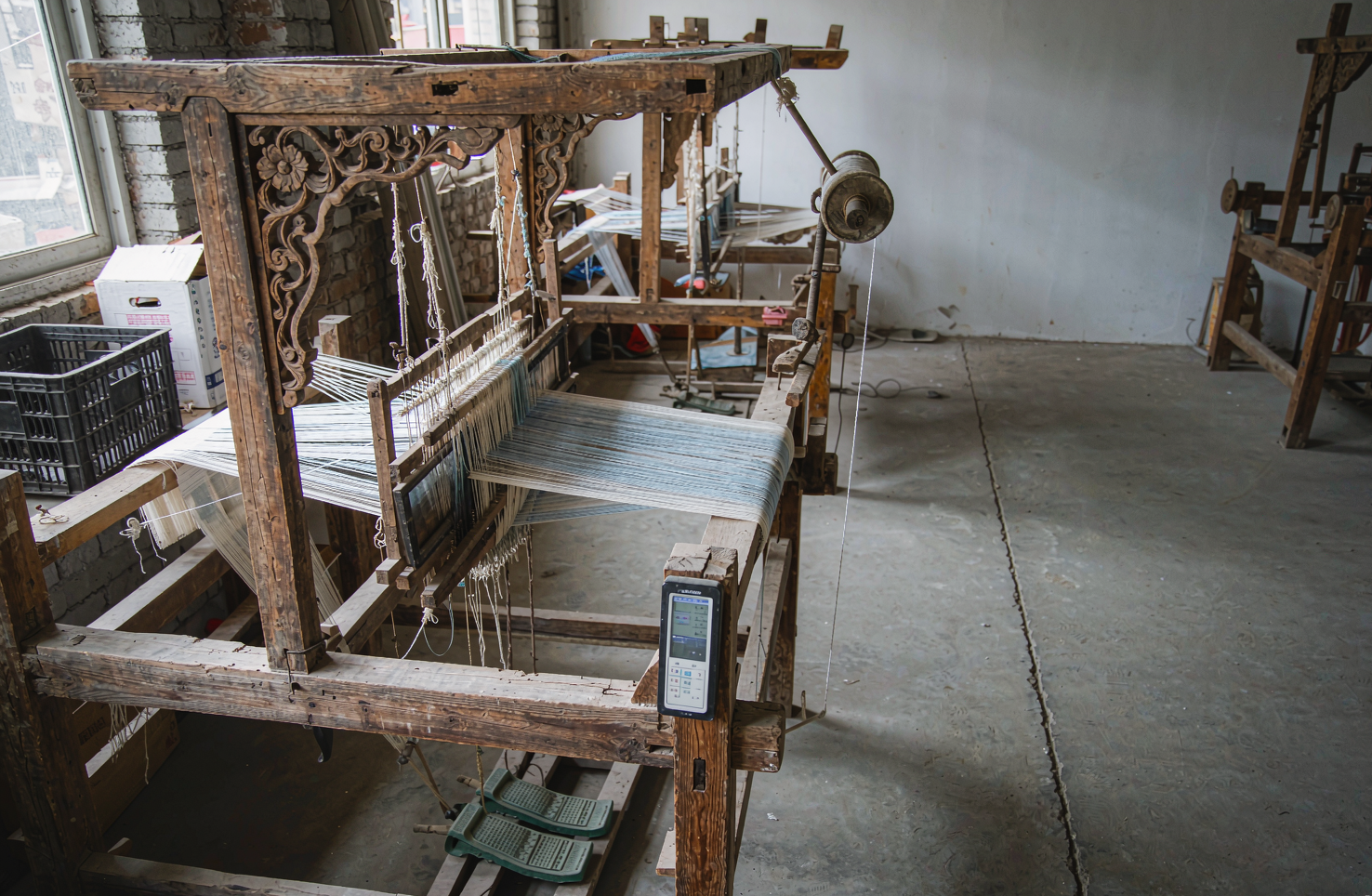
一段流传很广的画面里,一台机械臂正跟着非遗传承人"学艺"——学劈丝、捻线、穿针。看的人分成两拨:一拨说技术帮上了忙,一拨说来抢饭碗了。同一件事读出两种意思,关键在于用什么尺度去量。
▍一边说:机器是帮手,不是对手
支持的一方理由很实在。手艺最耗人的,往往是重复、枯燥、要求高度一致的基础活——劈几百根丝、磨几十遍漆、定同样的型。这些交给机器,传承人就能把精力挪到设计、创作、表达。
机器学的过程本身也是一种保存。老艺人手上的动作难以言传;一旦被逐帧解构,"怎么做"就被记录了下来。哪天老师傅不在了,手艺至少不只活在一个人记忆里。
在他们看来,抗拒机器,等于宁可让手艺失传,也要它保持"纯粹"——这未必是手艺人想要的。
▍另一边说:学走了针法,学不走手艺
反对的一方,焦点在"手艺"这两个字上。手艺不等于技法:同一幅绣样、同一支银簪,不同的人做出来气质不同——差的那一点,是审美、判断,是当时那口气。机器能把针法复刻到分毫不差,却复刻不了"这一针为什么这样走"。
更现实的担心在市场。机器一旦能产出"看起来很像手工"的东西,最先受冲击的不是成名师傅,而是靠走量糊口的中小匠人——没有名气护体,也没有成本优势。当"像素级手工"变廉价,"手工"这个词本身就可能一路贬值。
在他们看来,真假手工的边界一旦模糊,受损的是整个行业的信用,而不只是某一门手艺。
▍值得再想想的,是"标准"这件事
两边道理都成立,但讨论常绕开一个更实际的问题:我们有没有办法分清"手工"和"像手工"?
法律对"非遗"有明确定义——
"非物质文化遗产",是指各族人民世代相传并视为其文化遗产组成部分的各种传统文化表现形式。(《中华人民共和国非物质文化遗产法》第二条)
没有尺子,争论就会变成站队。有人主张写清工序占比、给纯手工认证;也有人担心标准太死,反而捆住手艺自身的变化。这或许才是落点——不是机器该不该学手艺,而是我们能不能把"手工"定义清楚,并让市场认下它。机器会继续学手艺,真正待答的是:那支尺子,什么时候立起来。
▍问答
问 | 机器绣的和手工绣的,普通人能分辨出来吗?
答 | 近看细节,多数能看出差别。手绣的针脚疏密有微妙起伏,背面起收针有不规则的线头;机绣的针脚更均匀、走向更规整,边缘往往过于"干净"。远看或批量商品上,辨别难度明显上升。
问 | 韵和鸣的"严选"到底严在哪,和机器货怎么区分?
答 | 不是口号,是三条线:非真非遗不做,非手作真品不收,非传承人本人不合作。落到做法上就是讲清来源——一件器物出自谁的手、走没走过该走的工序,都得说明白。标准摆在这里,信不信由读者判断。
📩 非遗项目 | 匠人举荐 | 跨境出海 | 线下联营
欢迎留言或后台联系,我们与匠人同行。
—— 韵和鸣 · 与匠人同行
〖 辩 〗
English
The supporting side has solid reasons. What drains craftspeople most are often repetitive, tedious basic tasks that demand high uniformity—splitting hundreds of threads, polishing dozens of times, holding a shape exactly. Hand these to machines and bearers can move their energy to design, creation and expression.
The process of a machine learning is itself a form of preservation. The motions in an old artisan's hands are hard to put into words; once deconstructed frame by frame, the "how" is recorded. If one day the master is gone, the craft at least does not live only in one person's memory.
To them, resisting machines amounts to preferring a craft's disappearance over a loss of its "purity"—which may not be what craftspeople actually want.
The Other Side Says: Machines Learn the Stitch, Not the Craft
The opposing side focuses on the word "craft." Craft is not the same as technique: the same embroidery pattern, the same silver hairpin, come out with a different temperament by different hands—the difference lies in taste, in judgment, in that particular breath of the moment. A machine can replicate the stitch to the millimeter but cannot replicate "why this stitch goes this way."
A more concrete worry concerns the market. Once machines can make things that "look a lot like handwork," the first to be hit are not established masters but small and mid-level craftspeople scraping by on volume—with no fame for protection and no cost advantage. When "pixel-perfect handwork" becomes cheap, the word "handmade" itself may be dragged down in value.
To them, once the line between real and fake handwork blurs, it is the credibility of the whole sector that suffers, not just one craft.
What Deserves a Second Thought: The Question of Standards
Both sides have a point, yet the discussion often skips a more practical question: do we have any way to tell "handmade" from "made to look handmade"?
The law defines "intangible heritage" explicitly—
"Intangible cultural heritage" means the various traditional cultural expressions passed down from generation to generation and regarded by all ethnic groups as part of their cultural heritage. (Article 2, Intangible Cultural Heritage Law of the PRC)
Without a measuring stick, debate turns into taking sides. Some propose spelling out the share of manual steps and certifying genuinely handmade work; others worry that too rigid a standard would bind the craft's own room to change. This may be the real crux—not whether machines should learn crafts, but whether we can define "handmade" clearly and get the market to accept it. Machines will keep learning crafts; what remains to be answered is when that measuring stick gets raised.
Can an ordinary person tell machine embroidery from hand embroidery?
Up close, most can spot the difference. Hand embroidery has subtle variations in stitch density and irregular thread ends on the reverse, while machine work is more even, its direction more regular, its edges often too "clean." At a distance or in bulk goods, it becomes much harder—which is why the industry keeps discussing handmade certification.
What exactly makes YUNHEMING's "curated selection" strict, and how does it differ from machine goods?
Not a slogan but three lines: no work that is not genuine heritage craft, no piece that is not truly handmade, no collaboration except with the bearers themselves. In practice it means stating provenance clearly—who made a piece and whether it went through the steps it should. The standard is on the table; whether to trust it is for readers to judge.
ICH Projects · Artisan Referrals · Global Distribution · Salon Partnerships
你可能还感兴趣
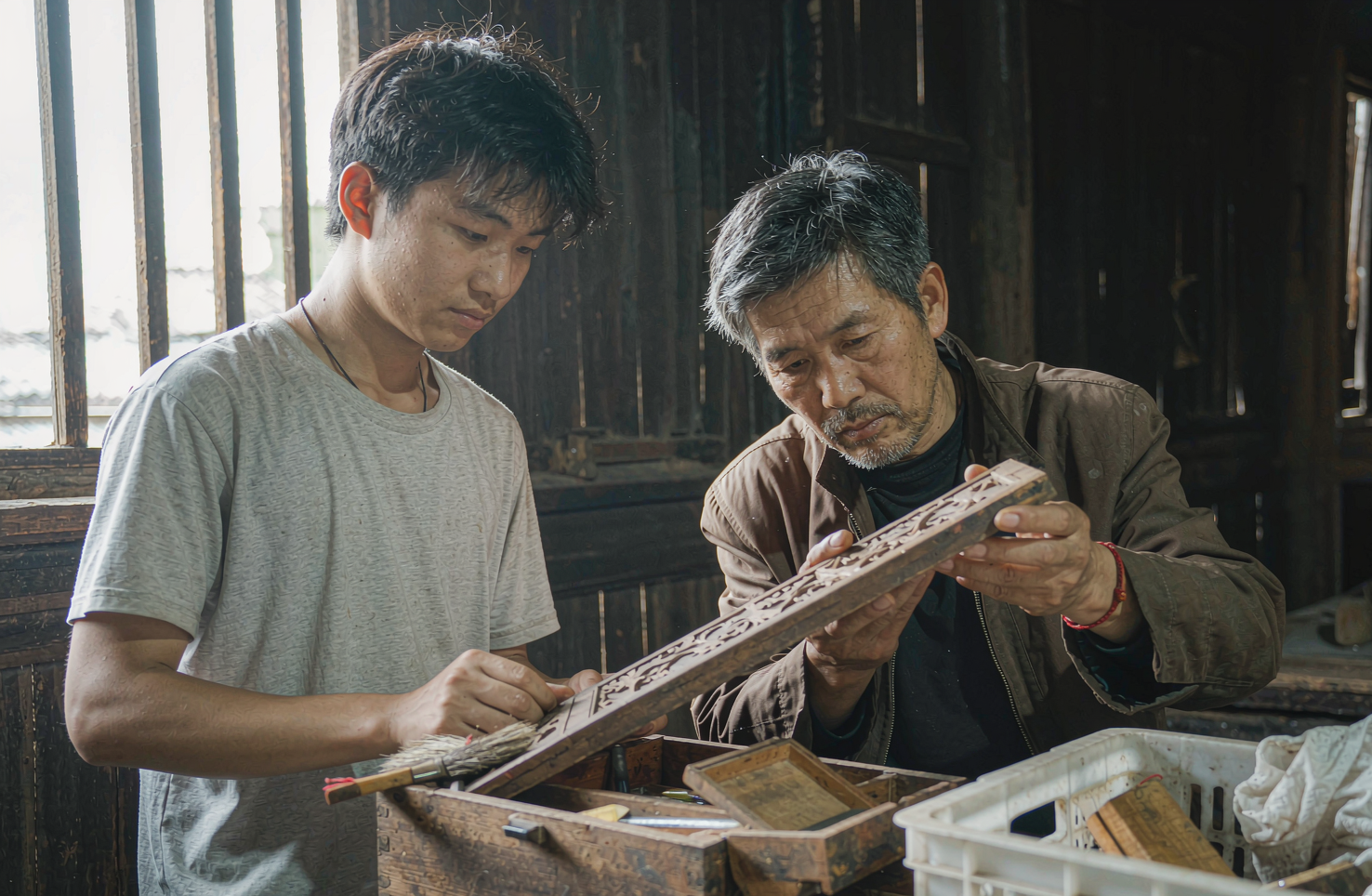
年轻人不愿学老手艺,该怪年轻人,还是怪这门手艺?
非遗传承里被讨论得最多的一句话是"后继乏人"。这句话往下追一层,就分成两条路:一条通向年轻人,说他们耐不住、看不上;一条通向他们面对的那门手艺,说它没能给出一条能活下去的路。这两条路,最近又吵起来了。
韵和鸣 · 2026/10/8 · 10 阅读
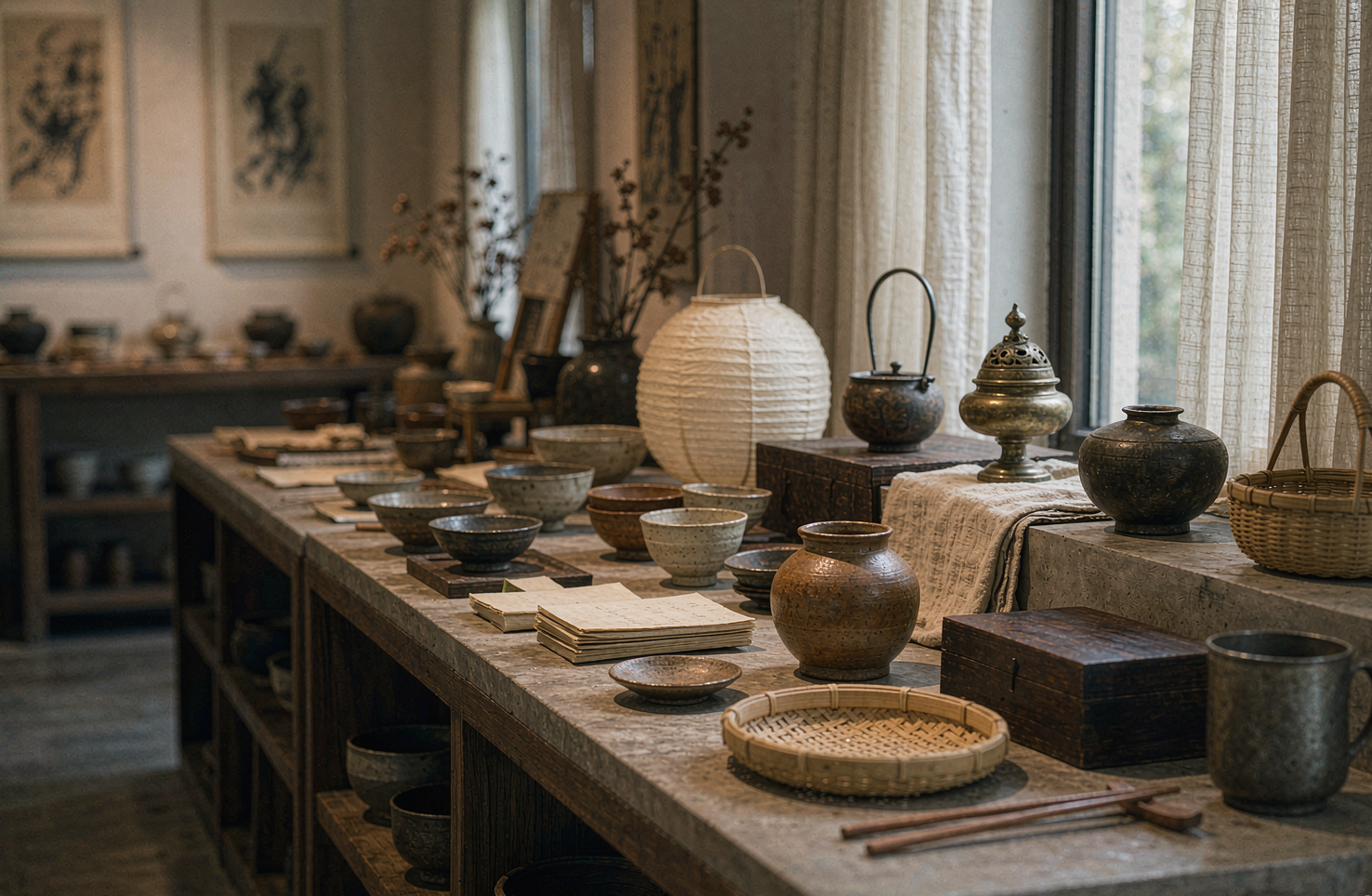
非遗创新只剩跨界联名和文创,是真突破还是路径依赖?
长假刚过,一场区域性非遗活动发布的"创新案例"名单在网上引来讨论:入选案例的路数出奇一致——不是和游戏影视做跨界,就是把老手艺搬进沉浸式演出,再就是开发一轮文创。有人叫好,也有人摇头:年年喊创新,怎么总围着老三样转?是突破,还是路径依赖?两边的话都摆出来。
韵和鸣 · 2026/10/13 · 4 阅读
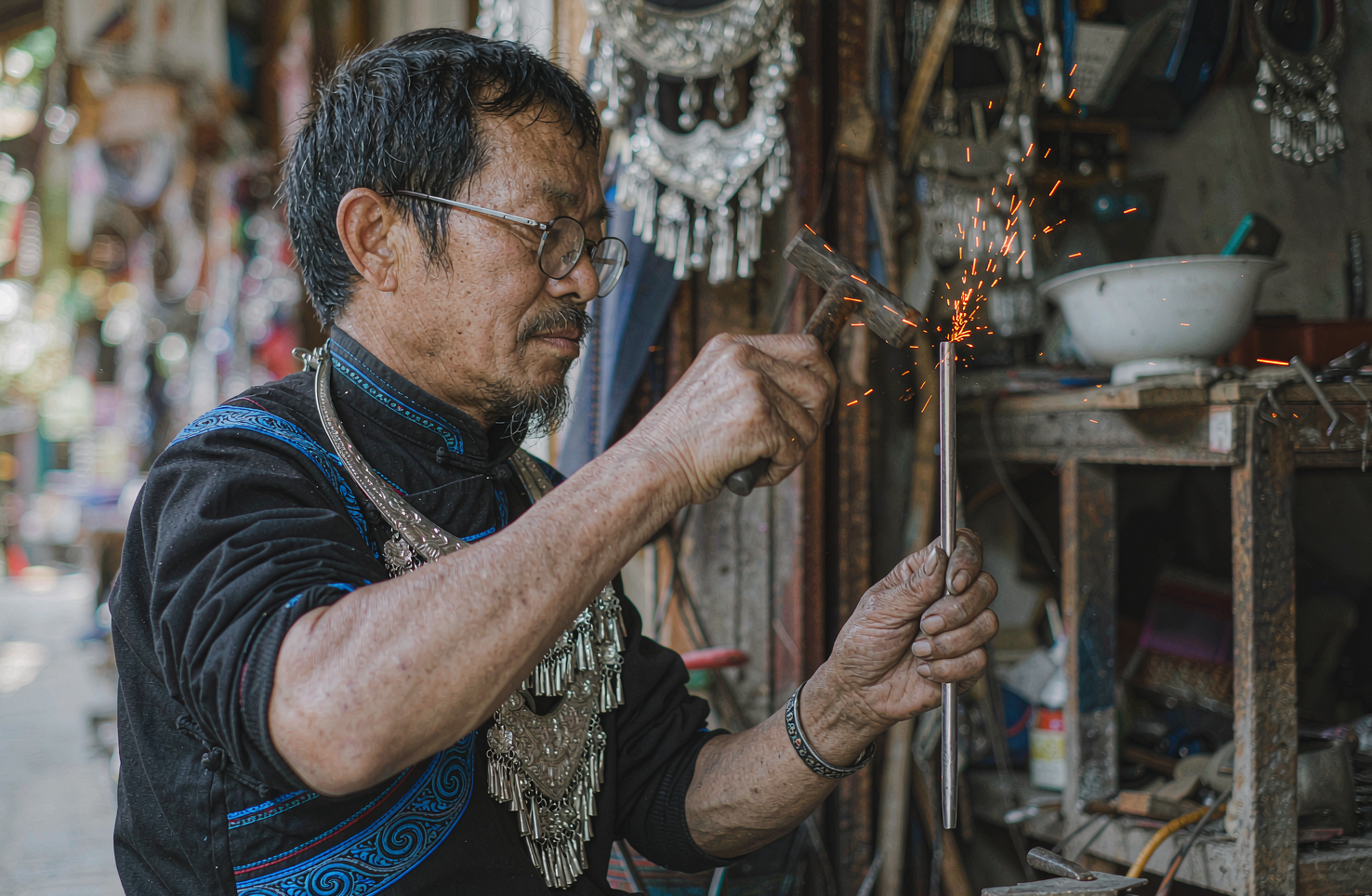
去贵州雷山,看一块银元如何变成一支银簪
在黔东南的苗寨里,银不只是一种首饰材料。它曾经是可以随时熔掉、重新打制的"存款",也是节日里一个女人身上最亮的那部分。关键在于,当一块老银元被放进坩埚,它要经过多少双手、多少道火,才重新成为一件能戴出门的东西。
韵和鸣 · 2026/10/9 · 27 阅读
漆器为什么能埋八千年不坏
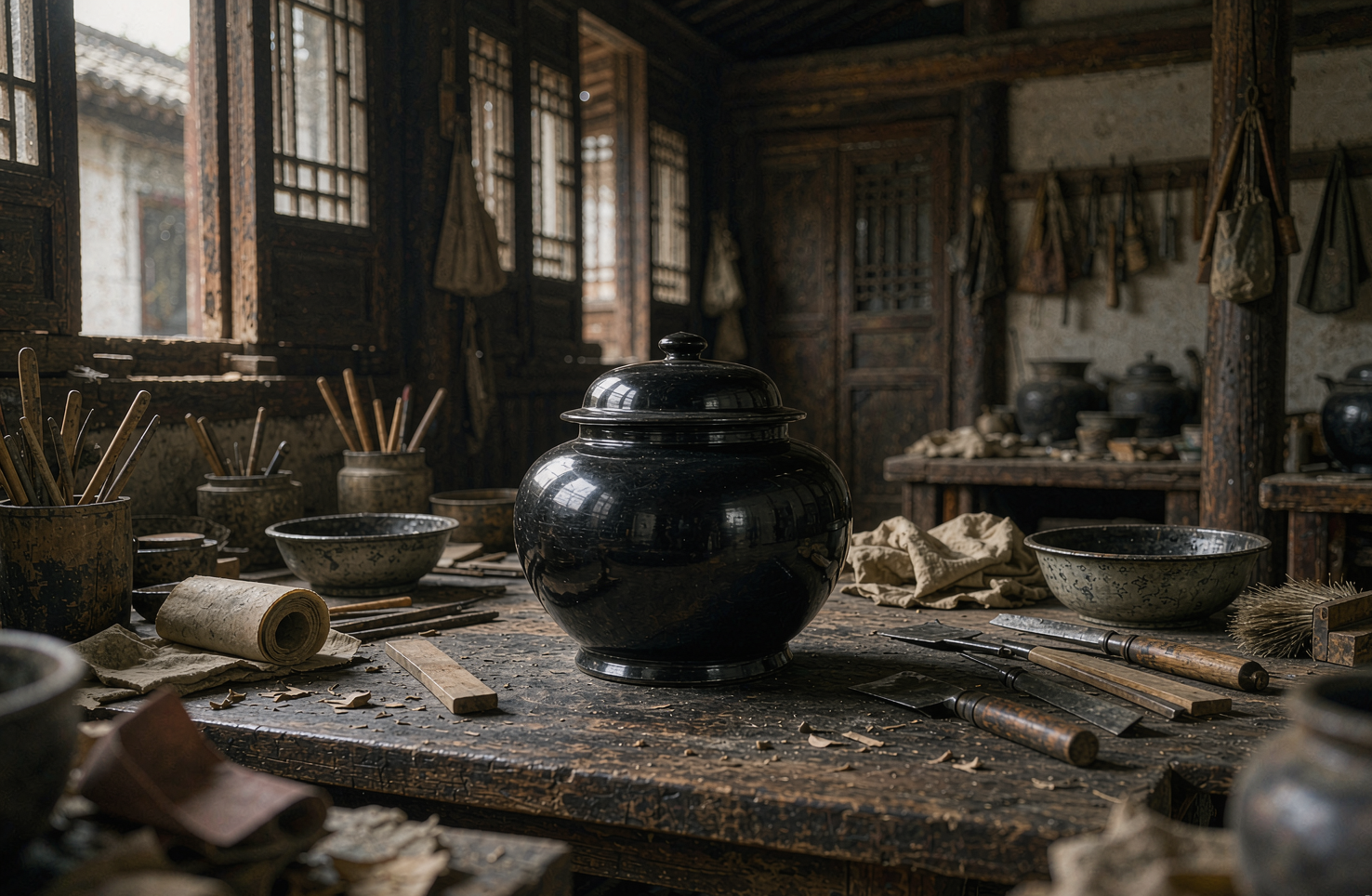
在博物馆做漆器研究与修复的研究员老周,桌上常年摆着两样东西:一段出土的漆皮残片,一只新做不久的平遥推光漆盘。他说这两样东西隔着八千年,却是同一种材料。这次对话,我们从"漆器为什么埋几千年不坏"聊起,聊到最后,其实是手艺对材料的理解问题。
韵和鸣 · 2026/10/14 · 16 阅读
一方宋锦里,藏着宋人的审美秩序
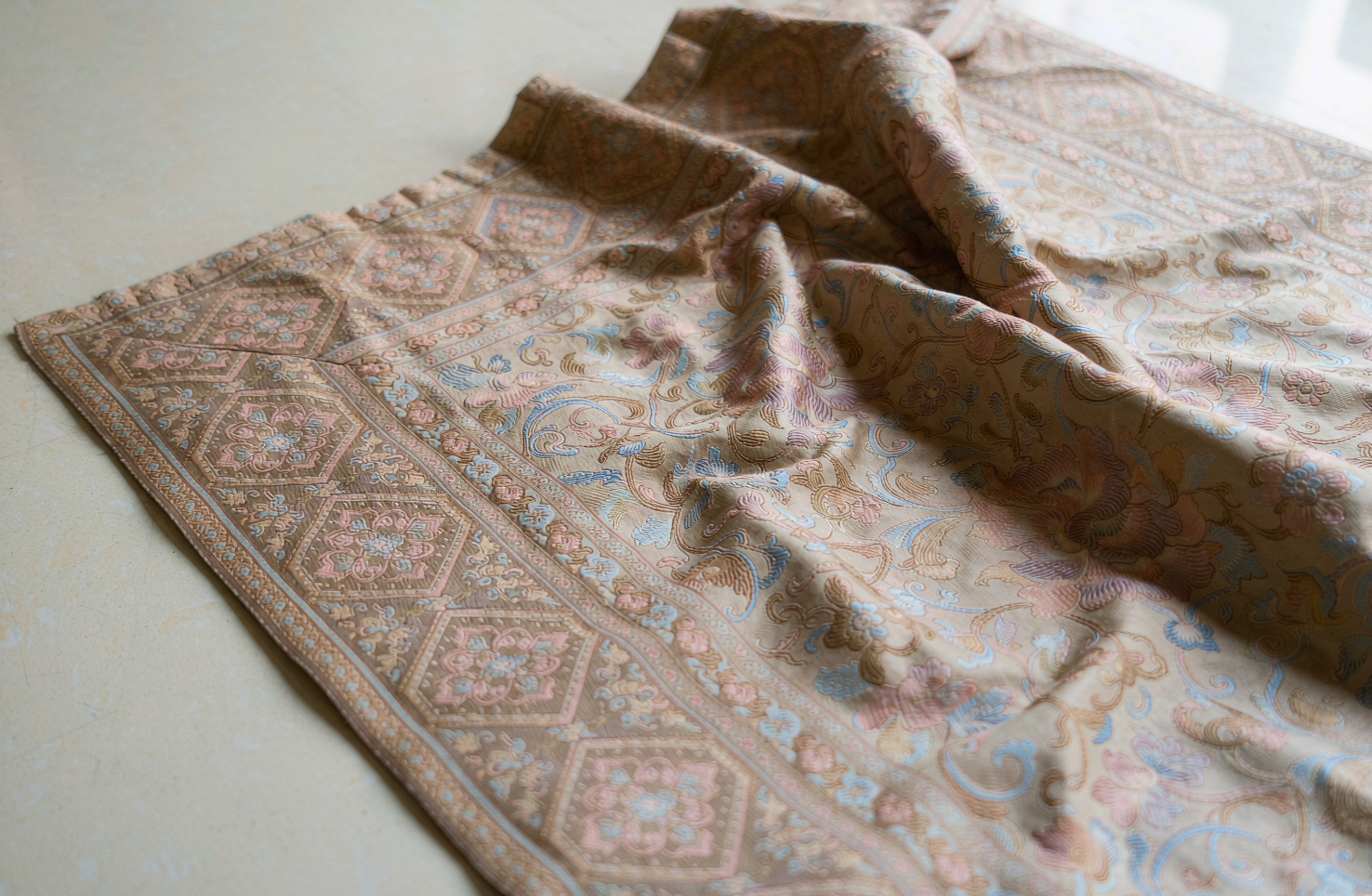
初见宋锦,我的反应不是"好看",而是"安静"。它不像人们想象里的锦那样满身是光。带我看锦的老师傅说,正是这份安静,最难织。
韵和鸣 · 2026/10/8 · 11 阅读
一位漆器匠人的失败清单,那些没做成的器物
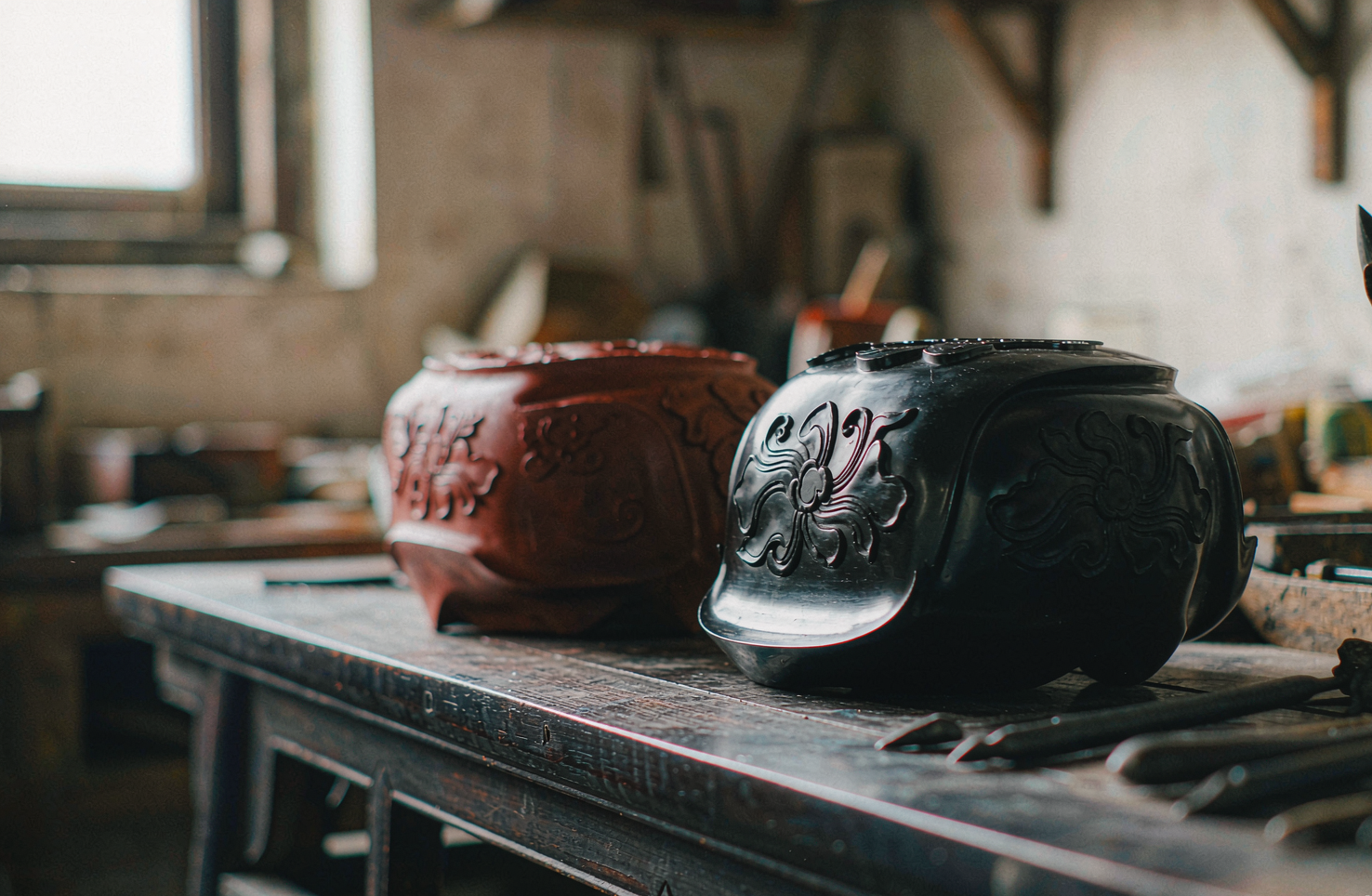
一间漆坊的账,通常记的是卖出了多少件;平遥一位做了三十多年推光漆器的老师傅,却另有一个本子,专记做坏了多少件。失败清单这门"倒着记的账",恰恰是手艺扎实与否的底细——器物耐看的那一面,是从废品堆里刨出来的。
韵和鸣 · 2026/10/12 · 9 阅读