非遗创新只剩跨界联名和文创,是真突破还是路径依赖?
韵和鸣 · 韵和鸣公众号 · 2026/10/13 12:00:00 · 4 阅读
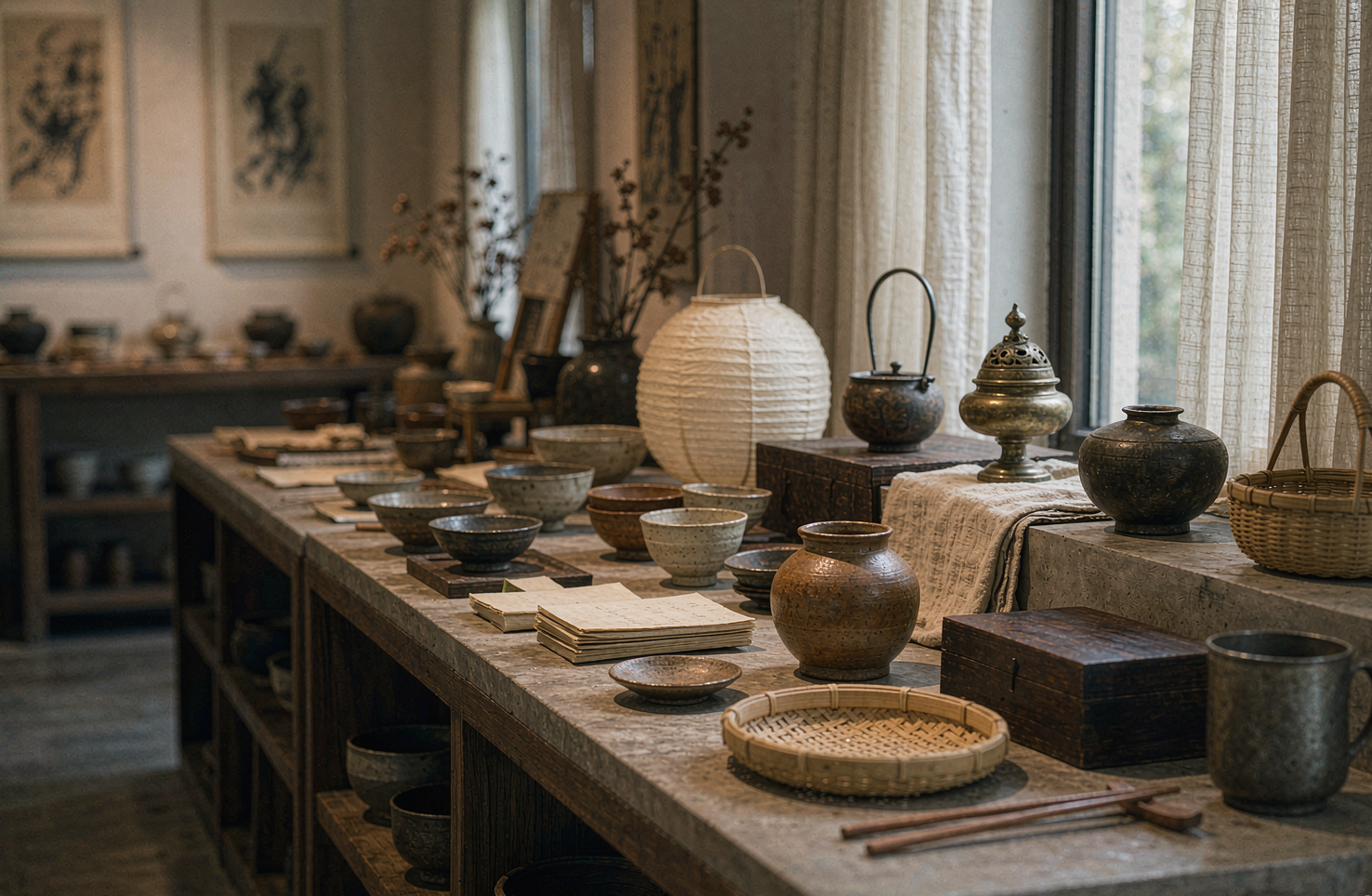
长假刚过,一场区域性非遗活动发布的"创新案例"名单在网上引来讨论:入选案例的路数出奇一致——不是和游戏影视做跨界,就是把老手艺搬进沉浸式演出,再就是开发一轮文创。有人叫好,也有人摇头:年年喊创新,怎么总围着老三样转?是突破,还是路径依赖?两边的话都摆出来。
▍一边说:先被看见,再谈深度
支持的人觉得,这个问题问反了。老手艺眼下最缺的不是深度,是被看见——年轻人不逛庙会、不听戏,你跟他们讲工序讲传承,他们划两下手机就过去了。跨界联动的价值恰恰在这里:一个游戏皮肤、一场联名,能把一门从没听说过的手艺推到几百万人眼前。
再说,活下去是硬道理。手艺人要吃饭,徒弟要工资,工坊要交租——文创和联名带来的是真金白银的订单。先让手艺在市场上活下来,再谈怎么活得高级,顺序不能乱。
▍另一边说:同质化正在消耗信用
摇头的人不认这个账。所谓路径依赖,指的是一旦某条路上手顺了,后来者便不再想新路。他们担心的正是这件事:当"创新"被简化成换 IP、换包装、换舞台,它就成了一条不用动脑的路径依赖——今年联这个游戏,明年联那个剧,手艺本身一动不动。观众的新鲜感是有额度的,同样的招式使三回,再灵的流量也会疲。
更深一层的批评是:真正的创新应该指向手艺的内里——新材料敢不敢试,新题材敢不敢接,带徒的规矩、分成的法子敢不敢改。这些慢功夫不出新闻,却决定着十年后还有没有人做这行。只在外圈打转的"创新",是给老问题换了件新衣服。
《文化遗产保护传承"十五五"规划》(中共中央办公厅、国务院办公厅,2026 年)提出,规范引导文化遗产合理适度利用,防止重用轻保、重旅轻文、过度商业开发。
▍值得再想想的
在我们看来,两边说的其实不是一件事:一边谈传播,一边谈手艺,本不必打架。值得再想想的是那个出发点——创新到底为谁而新?为热搜而新,热度散了就走;为那只拿刻刀的手而新,才留得下来。跨界可以是桥,但桥的两头总得有一头,实实在在落在匠人身上。
你站哪一边?跨界联名算不算真创新?评论区说说你的理由,也欢迎讲讲你见过的好例子与坏例子。
▍问答
问 | 非遗和潮牌、游戏做联名,钱都进了谁的口袋?
答 | 没有统一答案,这正是该追问的地方。规范的联名会明确约定传承人的署名与分成;潦草的只买一个"非遗"名头,匠人分不到多少。买之前不妨多问一句:这件东西,匠人署名了吗?
问 | 韵和鸣和非遗匠人是什么关系?是贴牌吗?
答 | 不是贴牌,是共同署名。韵和鸣的每件器物都由非遗老师亲手完成,匠人的名字堂堂正正落在作品上——从山西平遥的漆器起,联名这个词在韵和鸣的意思就是"谁做的,就署谁的名"。品牌做严选、内容与渠道,把收益与体面先给到做的人。
📩 非遗项目 | 匠人举荐 | 跨境出海 | 线下联营
欢迎留言或后台联系,我们与匠人同行。
—— 韵和鸣 · 与匠人同行
〖 辩 〗
English
One Side Says: Be Seen First, Then Talk Depth
Supporters think the question is backwards. What old crafts lack most today is not depth but visibility—the young neither visit temple fairs nor watch opera, and if you lecture them on processes and lineages, they swipe past in seconds. That is exactly where crossovers earn their keep: a game skin, a co-branded release can push an unheard-of craft in front of millions.
And survival is the hard truth. Artisans need to eat, apprentices need wages, workshops need rent—merchandise and crossovers bring orders in real money. Let the craft survive the market first, then discuss how to live nobly; the order cannot be reversed.
The Other Side Says: Sameness Is Spending Down Trust
The skeptics reject that ledger. Their worry runs the other way: once "innovation" shrinks to swapping IPs, packages and stages, it becomes path dependence requiring no thought—this year a game, next year a drama, while the craft itself never moves. Freshness has a quota; play the same trick three times, and even the nimblest traffic tires.
The Fifteenth Five-Year Plan for Cultural Heritage Protection and Transmission (General Office of the CPC Central Committee and General Office of the State Council, 2026) calls for guiding the reasonable and measured use of cultural heritage, guarding against overuse at the expense of protection, tourism at the expense of culture, and excessive commercial development.
The deeper critique: real innovation should aim at the craft's core—dare to try new materials, take new subjects, reform how apprentices are trained and how earnings are shared. Such slow work makes no headlines, yet decides whether anyone will still practice the craft in ten years. "Innovation" that circles the surface is an old problem in new clothes.
In our observation, the two sides are not really arguing about one thing: one speaks of communication, the other of craft, and the two need not fight. What deserves a second thought is the starting point—whom is innovation new for? New for the trending list, it leaves when the heat fades; new for the hand that holds the burin, it stays. A crossover can be a bridge, but at least one end of that bridge must land solidly on the artisan.
Which side are you on? Do crossovers count as real innovation? Tell us your reasons in the comments—good examples and bad ones are both welcome.
When heritage crosses over with streetwear or games, whose pocket does the money enter?
There is no single answer—which is exactly why it should be asked. Proper co-branding specifies the bearer's attribution and share; a sloppy one merely buys the word "heritage," leaving the artisan with little. Before buying, it is worth asking: did the maker sign this piece?
What is the relationship between YUNHEMING and heritage artisans? Is it white-labeling?
Not white-labeling, but co-signing. Every YUNHEMING piece is co-signed with a heritage master—the maker's name and craft are part of the work. The brand believes a plain truth: only when the masters do better can YUNHEMING do better, so everything it does benefits the artisan first.
ICH Projects · Artisan Referrals · Global Distribution · Salon Partnerships
你可能还感兴趣
年轻人不愿学老手艺,该怪年轻人,还是怪这门手艺?
非遗传承里被讨论得最多的一句话是"后继乏人"。这句话往下追一层,就分成两条路:一条通向年轻人,说他们耐不住、看不上;一条通向他们面对的那门手艺,说它没能给出一条能活下去的路。这两条路,最近又吵起来了。
韵和鸣 · 2026/10/8 · 10 阅读
机器开始学手艺:是给匠人搭把手,还是来接班
一段流传很广的画面里,一台机械臂正跟着非遗传承人"学艺"——学劈丝、捻线、穿针。看的人分成两拨:一拨说技术帮上了忙,一拨说来抢饭碗了。同一件事读出两种意思,关键在于用什么尺度去量。
韵和鸣 · 2026/10/9 · 9 阅读
去贵州雷山,看一块银元如何变成一支银簪
在黔东南的苗寨里,银不只是一种首饰材料。它曾经是可以随时熔掉、重新打制的"存款",也是节日里一个女人身上最亮的那部分。关键在于,当一块老银元被放进坩埚,它要经过多少双手、多少道火,才重新成为一件能戴出门的东西。
韵和鸣 · 2026/10/9 · 27 阅读
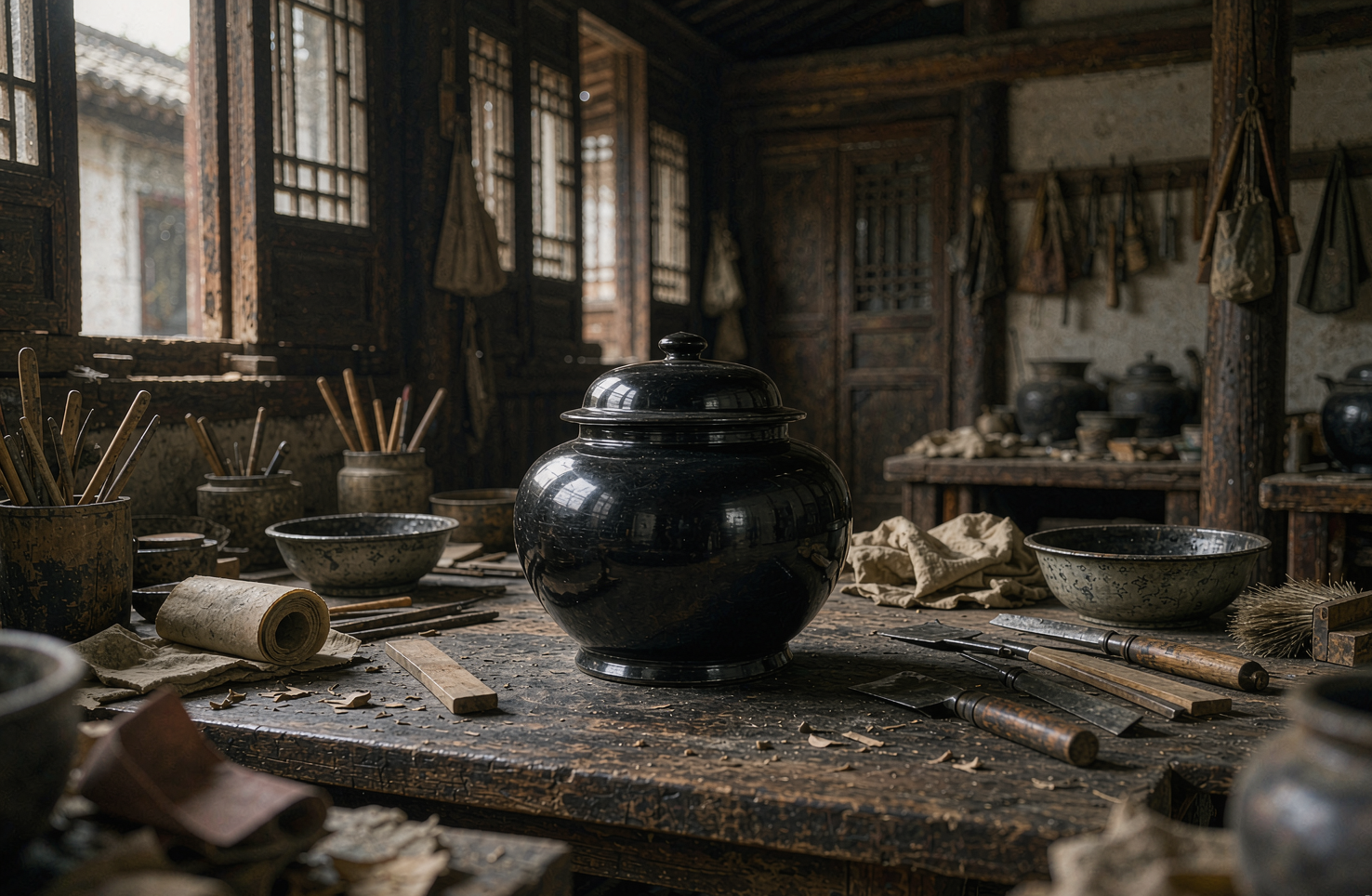
漆器为什么能埋八千年不坏
在博物馆做漆器研究与修复的研究员老周,桌上常年摆着两样东西:一段出土的漆皮残片,一只新做不久的平遥推光漆盘。他说这两样东西隔着八千年,却是同一种材料。这次对话,我们从"漆器为什么埋几千年不坏"聊起,聊到最后,其实是手艺对材料的理解问题。
韵和鸣 · 2026/10/14 · 16 阅读
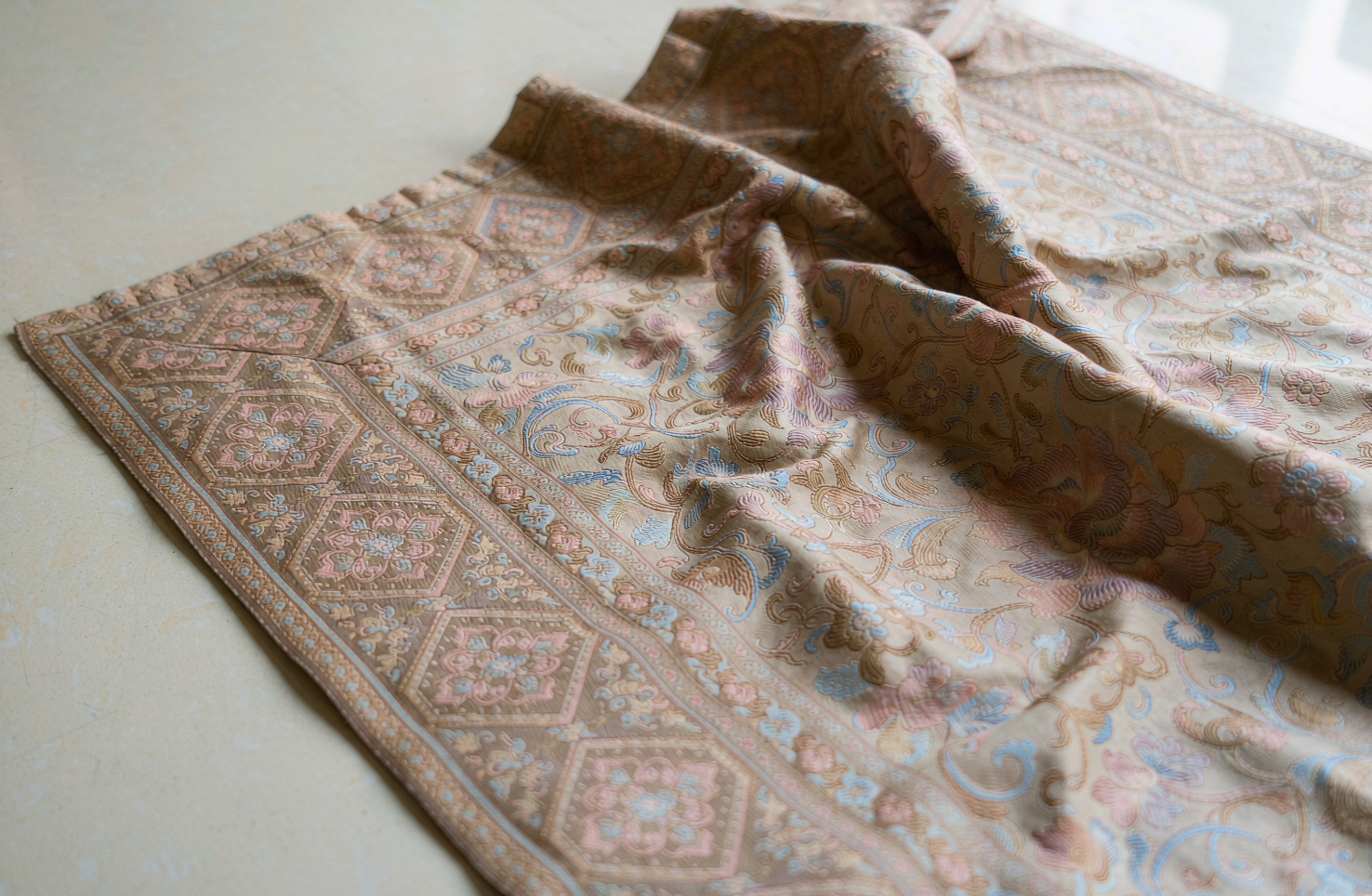
一方宋锦里,藏着宋人的审美秩序
初见宋锦,我的反应不是"好看",而是"安静"。它不像人们想象里的锦那样满身是光。带我看锦的老师傅说,正是这份安静,最难织。
韵和鸣 · 2026/10/8 · 11 阅读
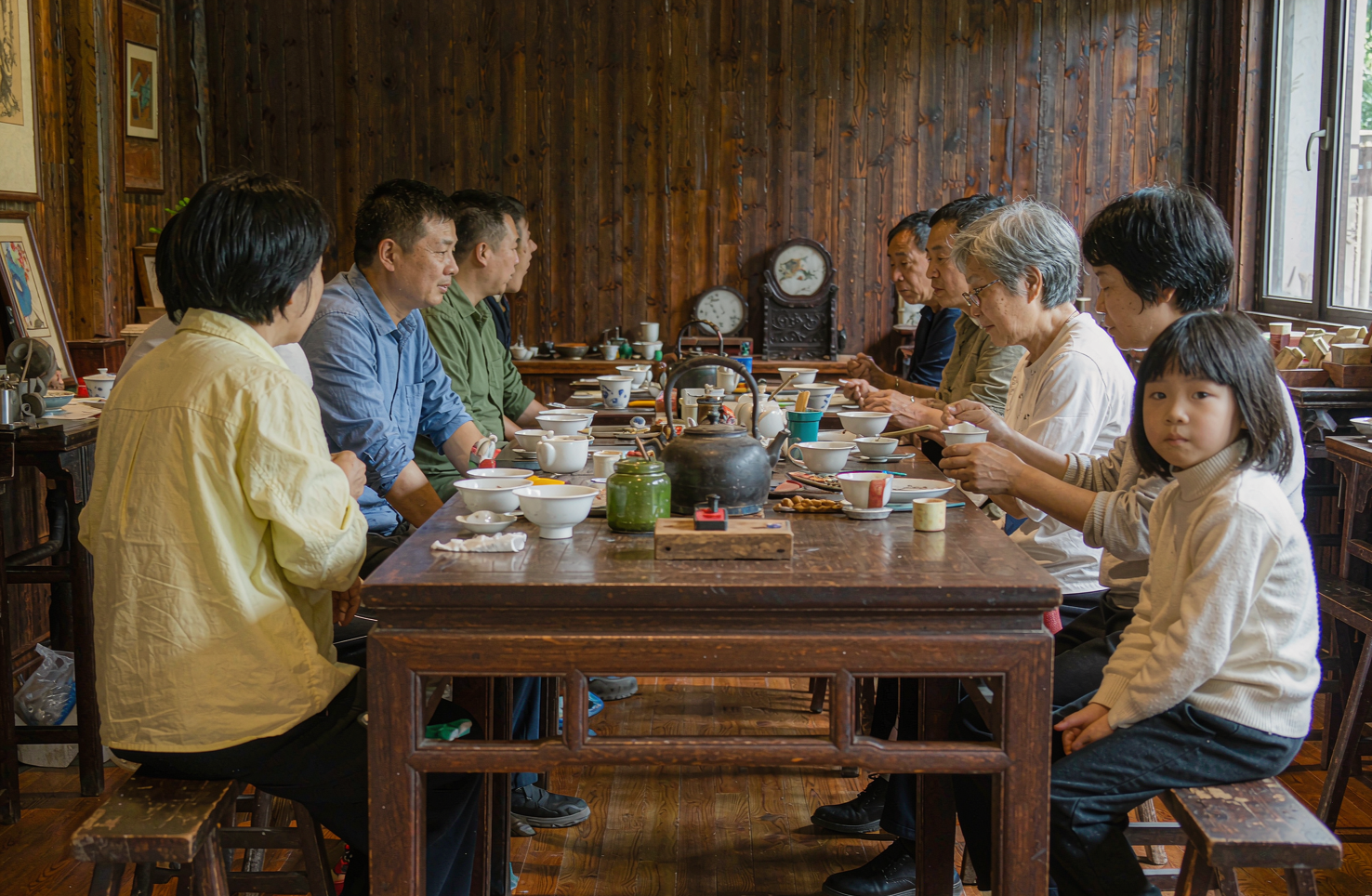
把"慢"做成一种体验:一间非遗会客厅的想法
我们习惯按功能给空间分类:吃饭的、购物的、办公的。但有一种很难归类——它在城市的闹处,不催你走,也不急着让你买单。关键在于,当"慢"被认真设计出来,它本身就可以是一种产品。
韵和鸣 · 2026/10/9 · 9 阅读