一位漆器匠人的失败清单,那些没做成的器物
韵和鸣 · 韵和鸣公众号 · 2026/10/12 12:00:00 · 9 阅读
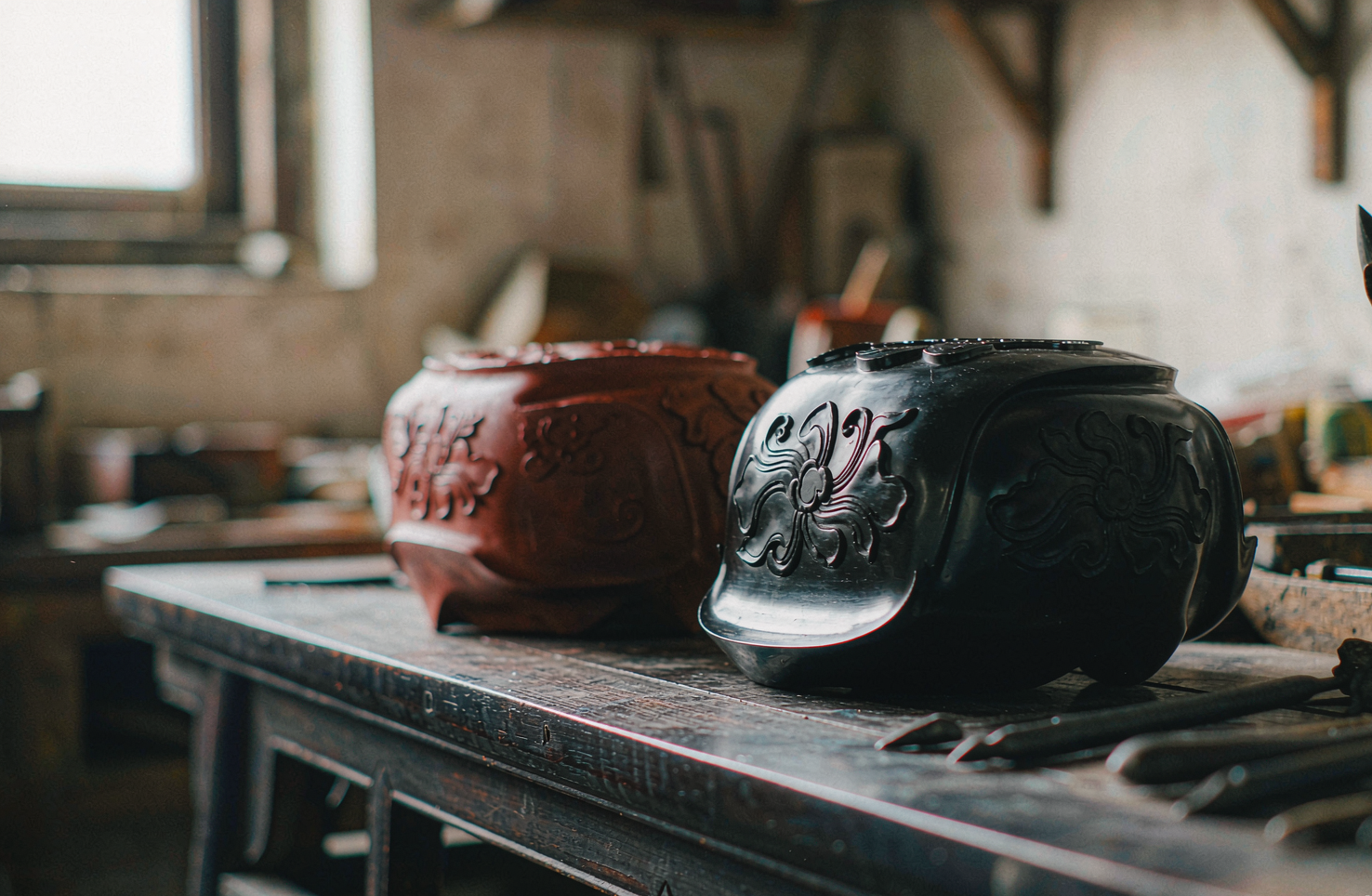
一间漆坊的账,通常记的是卖出了多少件;平遥一位做了三十多年推光漆器的老师傅,却另有一个本子,专记做坏了多少件。失败清单这门"倒着记的账",恰恰是手艺扎实与否的底细——器物耐看的那一面,是从废品堆里刨出来的。
▍一张专记失败的纸
那个本子是常见的塑料皮笔记本,边角已经磨圆。翻开,里头没有订单,没有价钱,一行行记的全是"废":某年夏天,面漆起皱,报废盘子若干;某年秋天,描金抖线,返工两回;某年冬,木胎缩裂,退回青灰大盒一只。
他说,做手艺的人,进步不记在成品上,记在废品上。成品给人看,废品给自己看。
一间坊一年下来,废掉的胎与磨掉的面,攒起来总有可观的一堆。外人看漆器,看的是成器的那一件;坊里人心里数的,是废掉的那些——两本账并在一起,才是一门手艺完整的年成。
▍头一项:荫房里起的皱
大漆性子怪,不在太阳底下干,偏要在潮湿荫房里慢慢"阴干"。那年赶上连阴雨,荫房湿度压不住,一批盘子的面漆起了皱,皱得像一碗放凉了的汤面上结的皮。
起皱的漆面救不回来,只能整面磨掉,重新髹。老师傅没抱怨天气,只在本子上添了一行,又把一块湿度计挂进了荫房——大漆认天气,人陪它等,也替它盯着。
▍第二项:缩裂的木胎
第二行账,记的是他学徒年代的一只青灰大盒。木胎没有干透就急着上漆,器物卖出去了,半年后木胎收缩,把漆面拉出几道细裂纹,盒子被人退了回来。
退回来的盒子他留着,放在废品堆显眼的地方。当年带他的老木匠只说了一句:木性没退,你急什么。这话他记到今天——木胎进坊要先晾够日子,性子退净了,漆才靠得住。
▍第三项:吃深的颜色
推光漆器的红,讲究"薄中见厚":朱砂调进漆里,一遍遍薄薄地罩,颜色才活。有一批小盘,他手快了,罩染过了头,朱红吃深了两成,透出一股闷气的暗。
颜色吃深的器物卖不出好价,整批降级处理。他后来说,颜色这件事,快的代价慢,慢的反而快——省下的那两遍罩染,后来用加倍的日子还了。
▍第四项:抖掉的一条线
清单上记得勤的一笔,是描金。
描金,指的是用调了胶的金粉在漆面上勾出纹样的装饰手艺;它所依附的平遥推光漆器髹饰技艺,2006 年列入国家级非物质文化遗产名录。(山西省晋中市平遥县)
描金落笔要趁漆面将干未干的那一小段时辰,金粉才吃得进漆里。手一抖,一条金线歪出去,就再也扶不正——只能等漆面干透,整片磨掉重来。学徒进坊,三年之内不许碰金粉,为的就是先把"稳"字练进手腕。
漆农有句老话:"百里千刀一斤漆。"
老师傅说,念着这句话,废一件就多疼一分,手自然就稳了。
▍废品堆里刨出来的
如今他自己带徒弟,进坊头一件事,不是上案干活,是去摸废品堆:每件废器错在哪儿,起皱的、缩裂的、吃深的、抖了线的,一样一样认过去。认完了,本子上的旧账就成了他们的新课。
临走时我们追着问了他一句:记这些旧账,图什么。他想了想,说,怕忘。手艺顺当的时候,人容易忘了自己是这么一路学过来的。
▍问答
问 | 平遥推光漆器上的描金是什么工艺?金色容易掉吗?
答 | 描金是用调了胶的金粉在漆面上勾画纹样的装饰工艺,落笔要趁漆面将干未干,让金色吃进漆里,正常使用和擦拭不易剥落;真正要防的是磕碰与硬物刮擦,日常用软布轻拭即可。
问 | 学平遥推光漆器,多久才能独立做出一件成品?
答 | 学徒一般三年起步:先辨漆、制胎、打底髹涂,再练推光,描金这类细活往往压在后面才上手。快不出来,是这门手艺的常态。
问 | 韵和鸣平时是怎么做匠人访谈和记录的?
答 | 「匠人说」「寻访记」就是韵和鸣长期在做的栏目:团队走进工坊,把匠人的手艺、坚守与难处如实记下来,也帮匠人拍产品、拍视频、做内容。这些记录不是广告,而是品牌理解非遗的方式——先懂人,再谈器物。
📩 非遗项目 | 匠人举荐 | 跨境出海 | 线下联营
欢迎留言或后台联系,我们与匠人同行。
—— 韵和鸣 · 与匠人同行
〖 匠 〗
English
The notebook is an ordinary plastic-covered one, its corners worn round. Inside there are no orders and no prices—line after line records only what was lost: one summer, wrinkled lacquer films and a stack of ruined plates; one autumn, a hand that trembled at the gold line, twice redone; one winter, a shrinking body that cracked a grey-green box on its way back.
Progress, he says, is not written on finished pieces but on the ruined ones. Finished work is for others to see; the failures are for the maker alone.
Over a year, a workshop's wasted bodies and ground-off surfaces mount into a pile worth noticing. Outsiders see the one piece that succeeded; the people inside count the ones that did not—only both ledgers together make up a craft's full harvest for the year.
Failure the First: Wrinkles in the Drying Room
Raw lacquer has a strange temper: it will not dry in the sun, insisting on curing slowly in a humid drying room. One year of relentless rain pushed the humidity past control, and the top coat on a batch of plates wrinkled—like the skin that forms over a bowl of cooled soup.
A wrinkled film cannot be saved; it must be sanded off entire and lacquered again. The old master did not blame the weather. He added a line to his notebook, then hung a hygrometer inside the drying room—raw lacquer answers to the weather, so a maker waits with it, and watches on its behalf.
The second line records a grey-green box from his apprentice years. Its wooden body had not dried through before he rushed to lacquer it; half a year after the box was sold, the wood shrank and pulled fine cracks across the lacquered face, and the piece came back.
He kept the returned box, setting it where the scrap pile could not hide it. The old carpenter who trained him said only one sentence: the wood's temper had not settled, so what was the hurry. He remembers it to this day—wood must air long enough in the workshop for its temper to settle before the lacquer can be trusted.
The red of polished lacquerware lives on thin layers laid one over another: cinnabar worked into the lacquer, coated thinly again and again, until the color breathes. On one batch of small plates his hand ran ahead of him; the glazing went a pass too far, the vermilion sank two shades darker, and a dull gloom came through.
Pieces with sunken colors fetch no good price, and the whole batch was downgraded. Colors, he says afterwards, punish haste with delay and reward patience with speed—those two coats of glazing he saved were repaid with double the days.
Failure the Fourth: The Line a Trembling Hand Lost
The entry most often written in the notebook concerns gold-line painting.
Gold-line painting means drawing patterns onto a lacquered surface with gold powder bound in glue; the craft it belongs to, the lacquering art of Pingyao polished lacquerware, was inscribed on China's national intangible cultural heritage list in 2006. (Pingyao County, Jinzhong, Shanxi)
The line must be drawn in the brief window when the lacquered surface is neither quite wet nor quite dry, or the gold will not sink in. One tremble of the hand sends a gold line crooked beyond rescue—the surface must dry, then be ground away whole and begun again. Apprentices are barred from gold powder for their first three years, precisely so that steadiness is trained into the wrist beforehand.
The lacquer gatherers have an old saying: a hundred li of walking and a thousand knife-cuts for one jin of lacquer.
Keep that saying in mind, the master says, and every ruined piece hurts a little more—until the hand steadies itself.
Now that he trains apprentices of his own, their first task in the workshop is not to sit at the bench but to handle the scrap pile: to identify what went wrong with each ruined piece—the wrinkled, the shrunken, the sunken-colored, the line-trembled—one by one. Once they can, his old ledger of failures becomes their new lessons.
As we left, we pressed him with one more question: why keep these old accounts at all. He thought for a moment and said, for fear of forgetting. When the craft runs smooth, a maker forgets most easily how he ever learned it.
What is gold-line painting on Pingyao polished lacquerware, and does the gold easily wear off?
Gold-line painting draws patterns on lacquerware with gold powder bound in glue, applied in the window when the surface is almost dry so the gold sinks into the lacquer; with normal use and gentle wiping it does not flake. What truly threatens it is knocks and hard scraping—a soft cloth is enough for daily care.
How long does it take to finish a piece of Pingyao polished lacquerware on one's own?
Apprenticeships generally run from three years: first learning to judge lacquer, build bodies and prime the coats, then polishing, with fine work like gold-line painting held back until later. That it cannot be hurried is simply the craft's normal state.
How does YUNHEMING go about its artisan interviews and records?
"Artisan Talks" and "Field Notes" are columns YUNHEMING has kept up for years: the team walks into workshops and records faithfully what a craftsman's skill, perseverance and hardships look like, while helping them photograph products and make content of their own. These records are not advertisements—they are how the brand comes to understand heritage: know the person first, then speak of the object.
ICH Projects · Artisan Referrals · Global Distribution · Salon Partnerships
你可能还感兴趣
漆器为什么能埋八千年不坏
在博物馆做漆器研究与修复的研究员老周,桌上常年摆着两样东西:一段出土的漆皮残片,一只新做不久的平遥推光漆盘。他说这两样东西隔着八千年,却是同一种材料。这次对话,我们从"漆器为什么埋几千年不坏"聊起,聊到最后,其实是手艺对材料的理解问题。
韵和鸣 · 2026/10/14 · 16 阅读
一方宋锦里,藏着宋人的审美秩序
初见宋锦,我的反应不是"好看",而是"安静"。它不像人们想象里的锦那样满身是光。带我看锦的老师傅说,正是这份安静,最难织。
韵和鸣 · 2026/10/8 · 11 阅读
去贵州雷山,看一块银元如何变成一支银簪
在黔东南的苗寨里,银不只是一种首饰材料。它曾经是可以随时熔掉、重新打制的"存款",也是节日里一个女人身上最亮的那部分。关键在于,当一块老银元被放进坩埚,它要经过多少双手、多少道火,才重新成为一件能戴出门的东西。
韵和鸣 · 2026/10/9 · 27 阅读
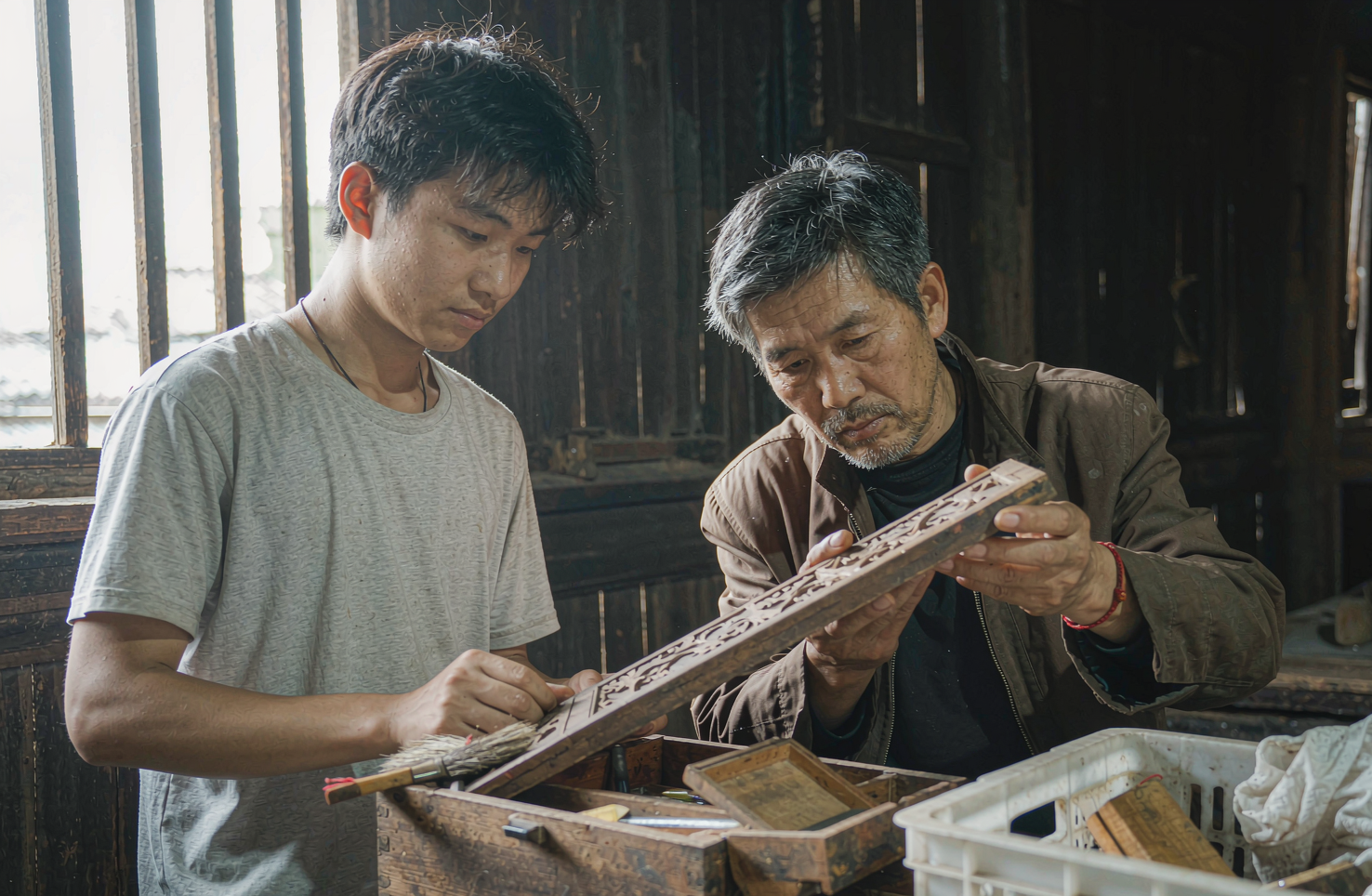
年轻人不愿学老手艺,该怪年轻人,还是怪这门手艺?
非遗传承里被讨论得最多的一句话是"后继乏人"。这句话往下追一层,就分成两条路:一条通向年轻人,说他们耐不住、看不上;一条通向他们面对的那门手艺,说它没能给出一条能活下去的路。这两条路,最近又吵起来了。
韵和鸣 · 2026/10/8 · 10 阅读
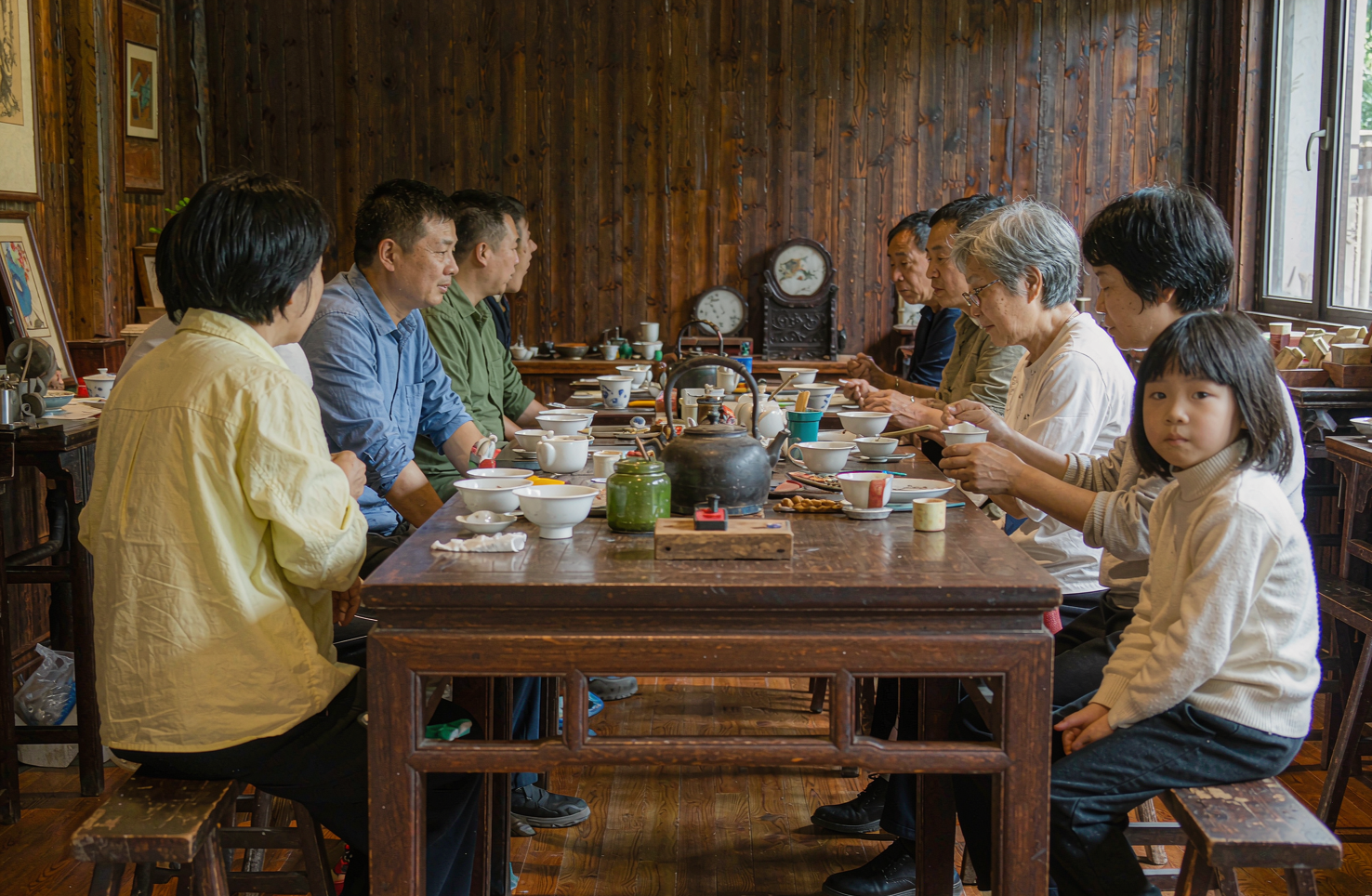
把"慢"做成一种体验:一间非遗会客厅的想法
我们习惯按功能给空间分类:吃饭的、购物的、办公的。但有一种很难归类——它在城市的闹处,不催你走,也不急着让你买单。关键在于,当"慢"被认真设计出来,它本身就可以是一种产品。
韵和鸣 · 2026/10/9 · 9 阅读
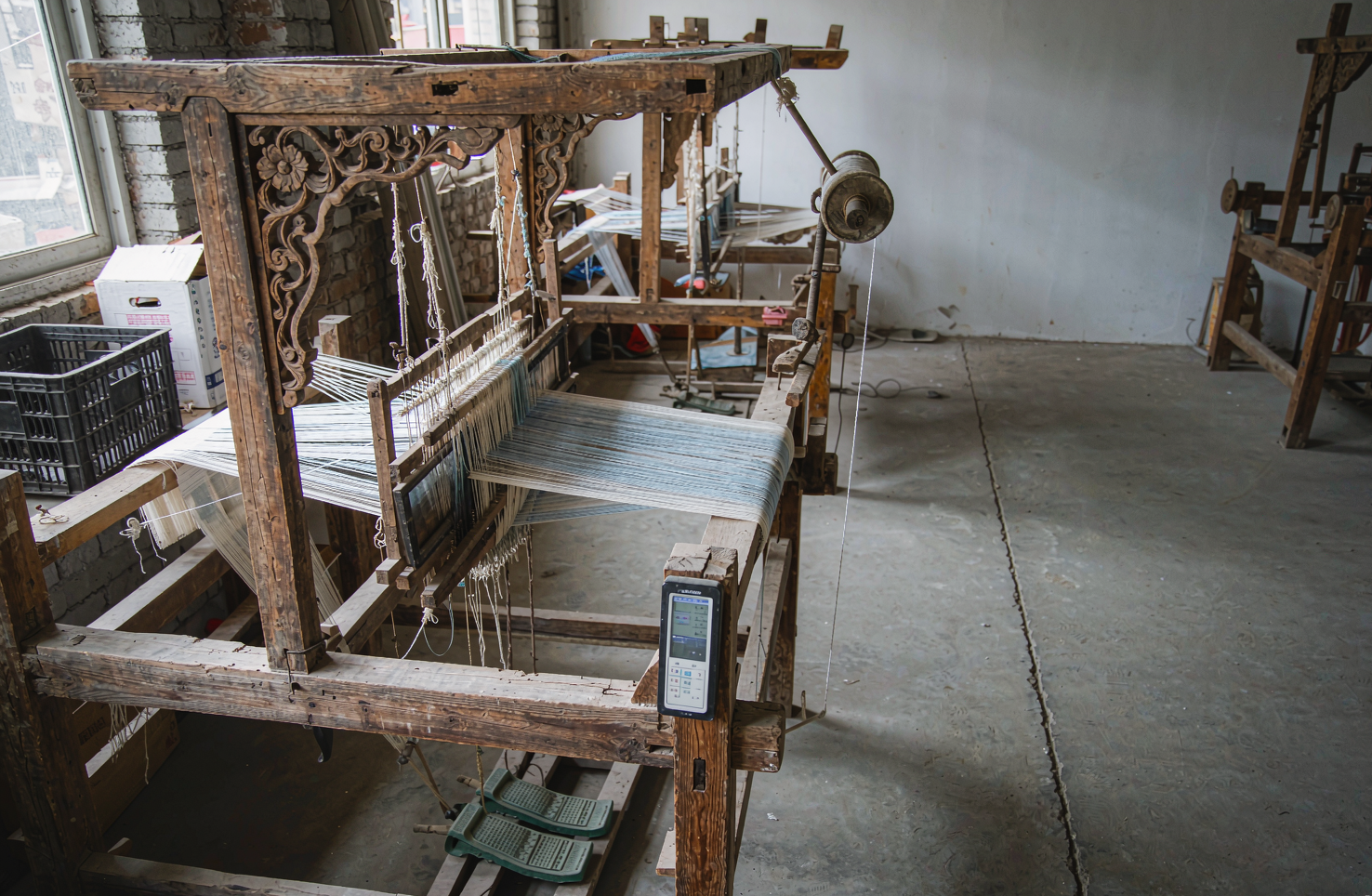
机器开始学手艺:是给匠人搭把手,还是来接班
一段流传很广的画面里,一台机械臂正跟着非遗传承人"学艺"——学劈丝、捻线、穿针。看的人分成两拨:一拨说技术帮上了忙,一拨说来抢饭碗了。同一件事读出两种意思,关键在于用什么尺度去量。
韵和鸣 · 2026/10/9 · 9 阅读