一堂手作课,都市人为什么愿意坐三小时
韵和鸣 · 韵和鸣公众号 · 2026/10/11 12:00:00 · 4 阅读
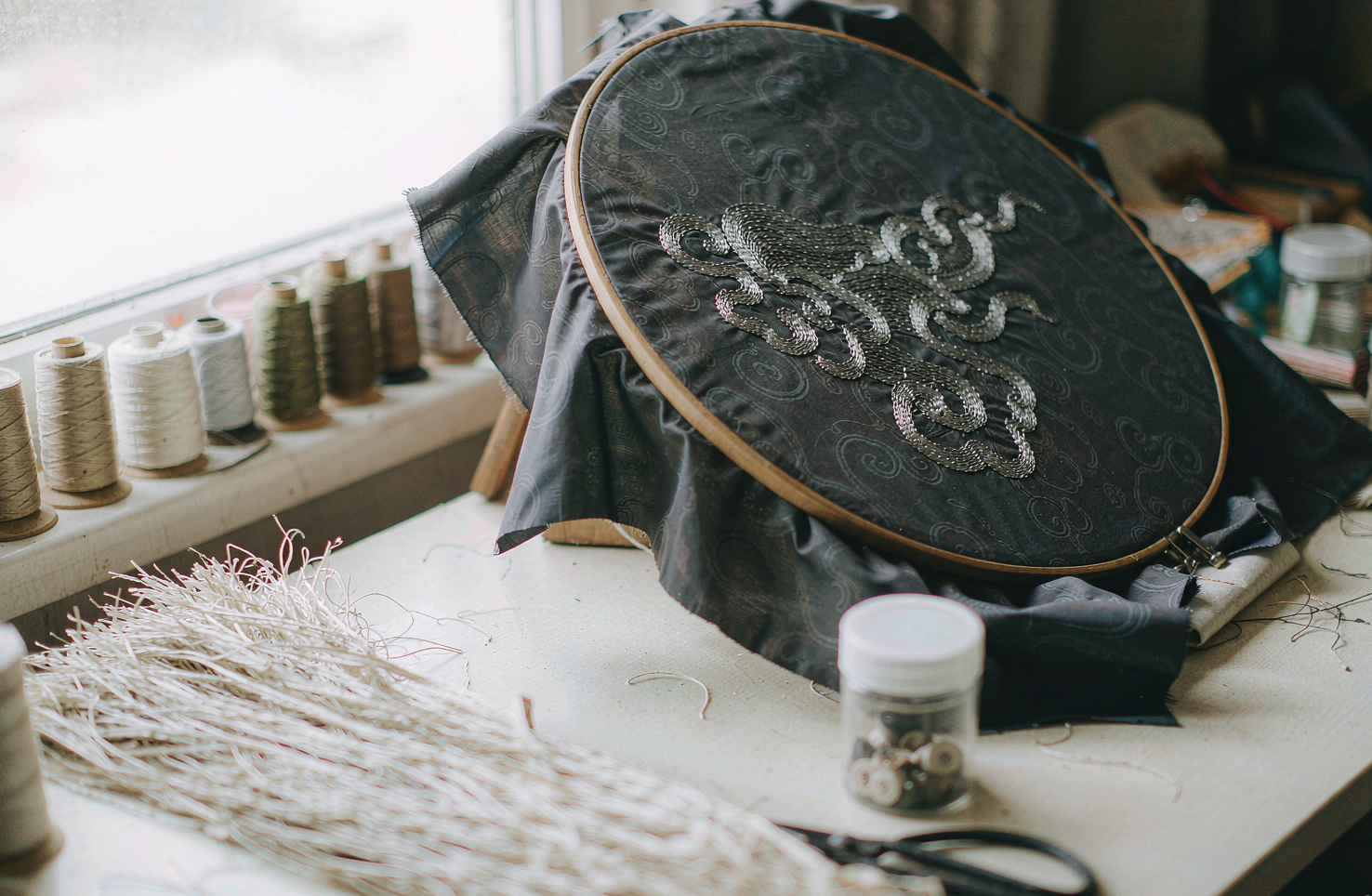
会客厅的手作课有个奇怪的现象:报名的时候人人问"能不能快点做完",真坐下来,却没有一个人提前走。说到底,三个小时买走的不是一件小器物,而是一段不被打扰的时间。
▍三小时里,发生了什么
课是从"磨"开始的。每个人面前一块上了漆的小板,一叠粗细不同的砂纸。老师不急着讲历史,先让你磨——磨掉的是漆面上的高,磨出的是漆下面的彩。前半小时,屋里最响的是砂纸声,手机都扣在桌上。
神奇的是第二个小时。呼吸慢下来了,动作有了节奏,有人开始小声聊起天——不是聊工作,是聊小时候看奶奶做针线、聊家里那只掉漆的旧首饰盒。手上在做慢的事,嘴上说的也跟着慢了。
第三个小时是收尾。把自己磨出来的那片小小的漆面举到灯下看,光泽当然比不上师傅做的,但每个人都拍了很多照片。那不是对作品的得意,是对"我居然坐住了"的意外。
顺带说一句,课上磨的这道漆,来头并不小。
所谓推光,指的是用手掌蘸着细料在漆面上反复推磨,直至光从漆里透出——平遥推光漆器髹饰技艺 2006 年列入国家级非物质文化遗产名录。(山西省晋中市平遥县)
▍会客厅真正在卖的,是"坐得住"
为什么愿意为三小时买单?大概因为日常生活里,成段属于自己的时间太少了。手作课给人的不是技能——三小时学不会什么——而是一种体验:让手有事做,让心慢下来。这种"慢"的供给,在今天的城市里反而是稀缺的。
所以我们会客厅做手作课,从来不敢把课排得太满,也不敢把流程压得太短。器物是果,过程是因;人坐下来了,文化的种子才落得下去。
▍问答
问 | 没有基础的人,能参加非遗手作课吗?
答 | 能,而且最适合。手作课选的都是工序里最能上手的一环,比如推光的打磨、简单的编织起底,老师带着做,做不完美也不打紧——体验的重点不是做出一件完美的器物,而是亲手摸一遍手艺的难处与好处。
问 | 韵和鸣有线下店吗?在哪里可以体验?
答 | 有。韵和鸣设有线下「非遗会客厅」,是可以坐下来看器物、聊手艺、上手体验的空间。会客厅不是柜台式的卖场,而是品牌与用户、与匠人见面的地方——手作课就是这里常办的活动之一。
▍说在最后
三个小时过去,带走的是一小片漆板,留下的可能是一颗种子。等哪天他在商场里再看见一件漆器,脚步会停下来——因为他磨过,他知道那道光是怎么来的。
📩 非遗项目 | 匠人举荐 | 跨境出海 | 线下联营
欢迎留言或后台联系,我们与匠人同行。
—— 韵和鸣 · 与匠人同行
〖 厅 〗
English
The class begins with polishing. Before each person lies a small lacquered board and a stack of sandpaper in different grits. The teacher does not start with history; she starts with polishing—wearing down the highs of the lacquer surface to reveal the colors beneath. For the first half hour, the loudest sound in the room is sandpaper, with every phone face-down on the table.
Something changes in the second hour. Breathing slows, movements find their rhythm, and people begin to chat quietly—not about work, but about watching grandma sew as children, about an old chipped jewelry box at home. When the hands do slow work, the words slow down too.
The third hour is for finishing. Each person holds up the small patch of lacquer they polished to the light. The sheen certainly cannot match a master's, but everyone takes many photos—not so much pride in the object as surprise at the fact that "I actually sat still."
Incidentally, the lacquer being polished in class has a serious pedigree.
Hand-polishing means rubbing the lacquer surface by palm with fine abrasives, pass after pass, until light rises from within the lacquer—the Pingyao polished lacquerware decoration technique was inscribed on the national list of intangible cultural heritage in 2006. (Pingyao County, Jinzhong, Shanxi Province)
What the Salon Really Offers Is the Ability to Sit Still
Why pay for three hours? Probably because unbroken time of one's own has grown so rare in daily life. What a craft class offers is not a skill—three hours teach little—but an experience: keeping the hands busy so the mind can slow down. In today's cities, this supply of slowness is the scarce commodity.
This is why the Salon never packs these classes too tightly nor compresses the process too short. The object is the fruit; the process is the cause. Only when people sit down can the seeds of culture take root.
Can complete beginners join a heritage craft class?
Yes—beginners are the best fit. Classes pick the most approachable step of a process, like polishing in hand-polishing or a simple weaving start, with the teacher guiding throughout. Imperfection is fine: the point is not a perfect object, but touching with your own hands both the difficulty and the goodness of a craft.
Does YUNHEMING have a physical space? Where can one experience it?
Yes. YUNHEMING runs a physical "Heritage Salon"—a space to sit with the objects, talk about the crafts, and try them hands-on. The Salon is not a counter-style shop but a meeting place for the brand, its users and its craftspeople, and craft classes are among its regular activities.
When the three hours end, what is taken home is a small lacquered board; what stays behind may be a seed. Someday, passing a piece of lacquerware in a shop, that person will stop—because he has polished one, and he knows where that light comes from.
ICH Projects · Artisan Referrals · Global Distribution · Salon Partnerships
你可能还感兴趣
把"慢"做成一种体验:一间非遗会客厅的想法
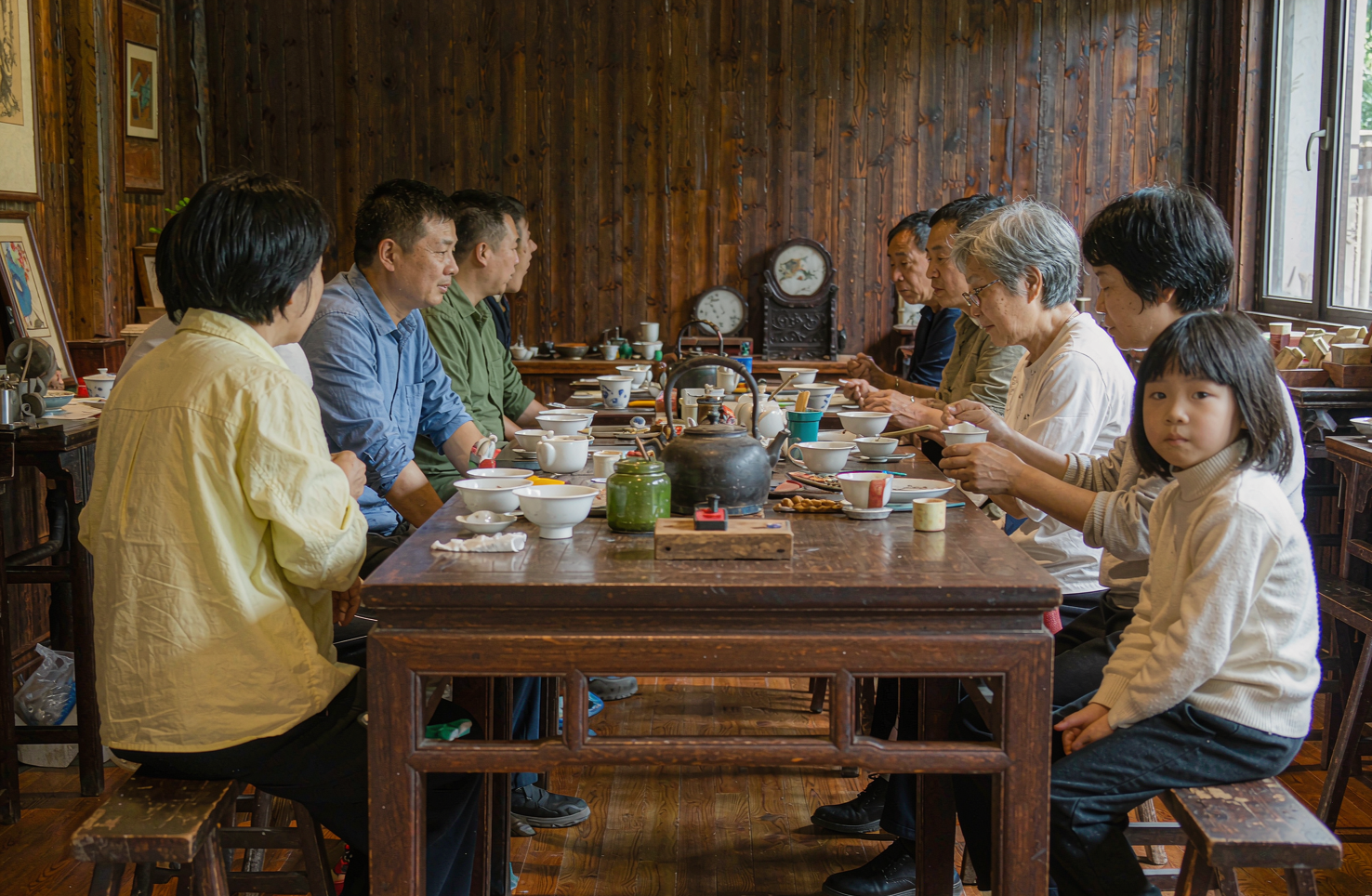
我们习惯按功能给空间分类:吃饭的、购物的、办公的。但有一种很难归类——它在城市的闹处,不催你走,也不急着让你买单。关键在于,当"慢"被认真设计出来,它本身就可以是一种产品。
韵和鸣 · 2026/10/9 · 9 阅读
为什么非遗要「可看、可品、可体验、可购买」
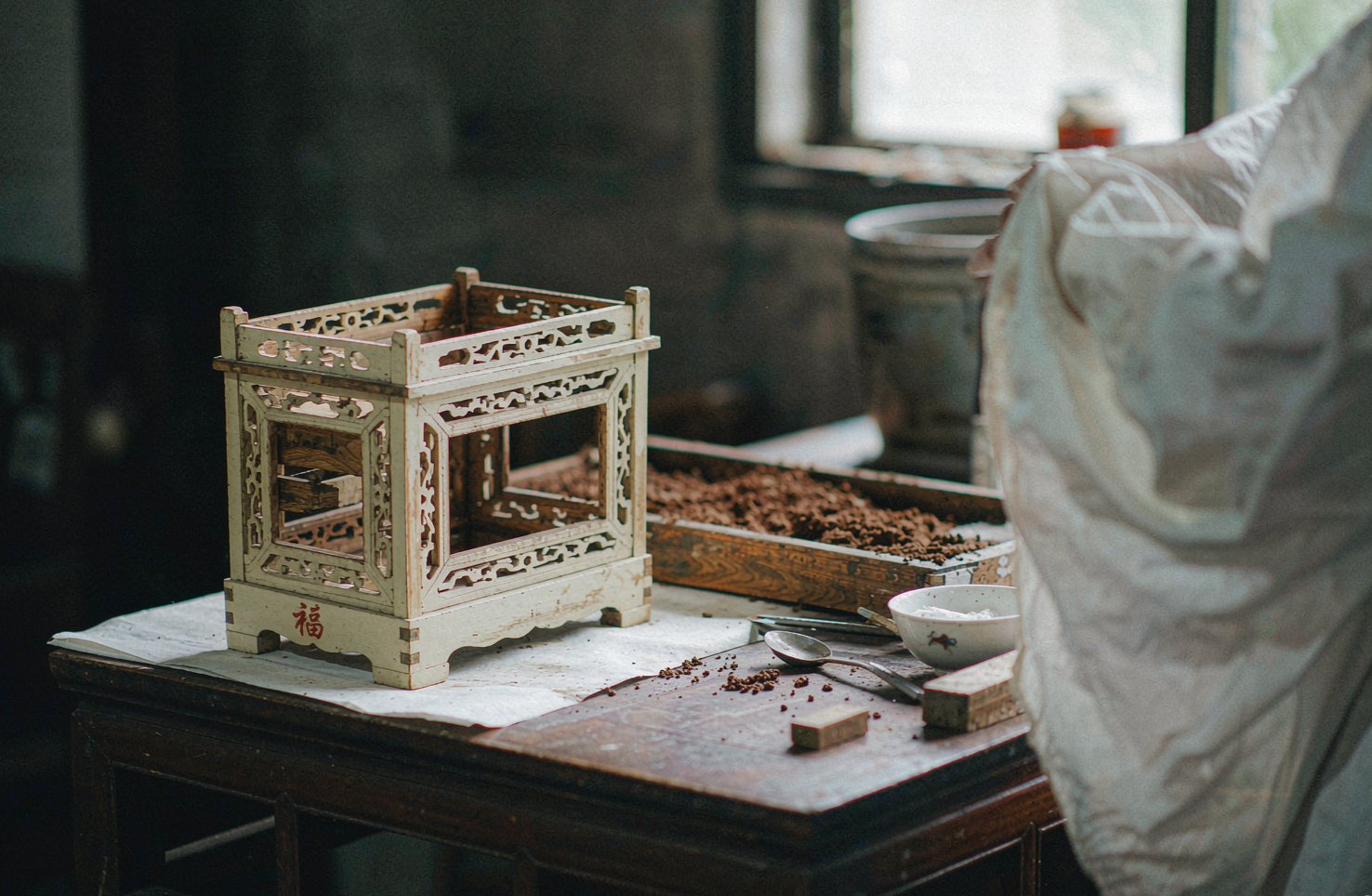
做线下空间这些年,我们给会客厅定了四个动词:可看、可品、可体验、可购买。说到底,这四个词对应的是一个人走进陌生空间时的四步心路——先看看,再坐下,然后上手,最后才谈得上带走。非遗器物的门槛从来不是价格,是距离;空间存在的意义,就是把这四步距离一步步拆掉。
韵和鸣 · 2026/10/13 · 4 阅读
为什么把茶馆,开成了一间非遗会客厅
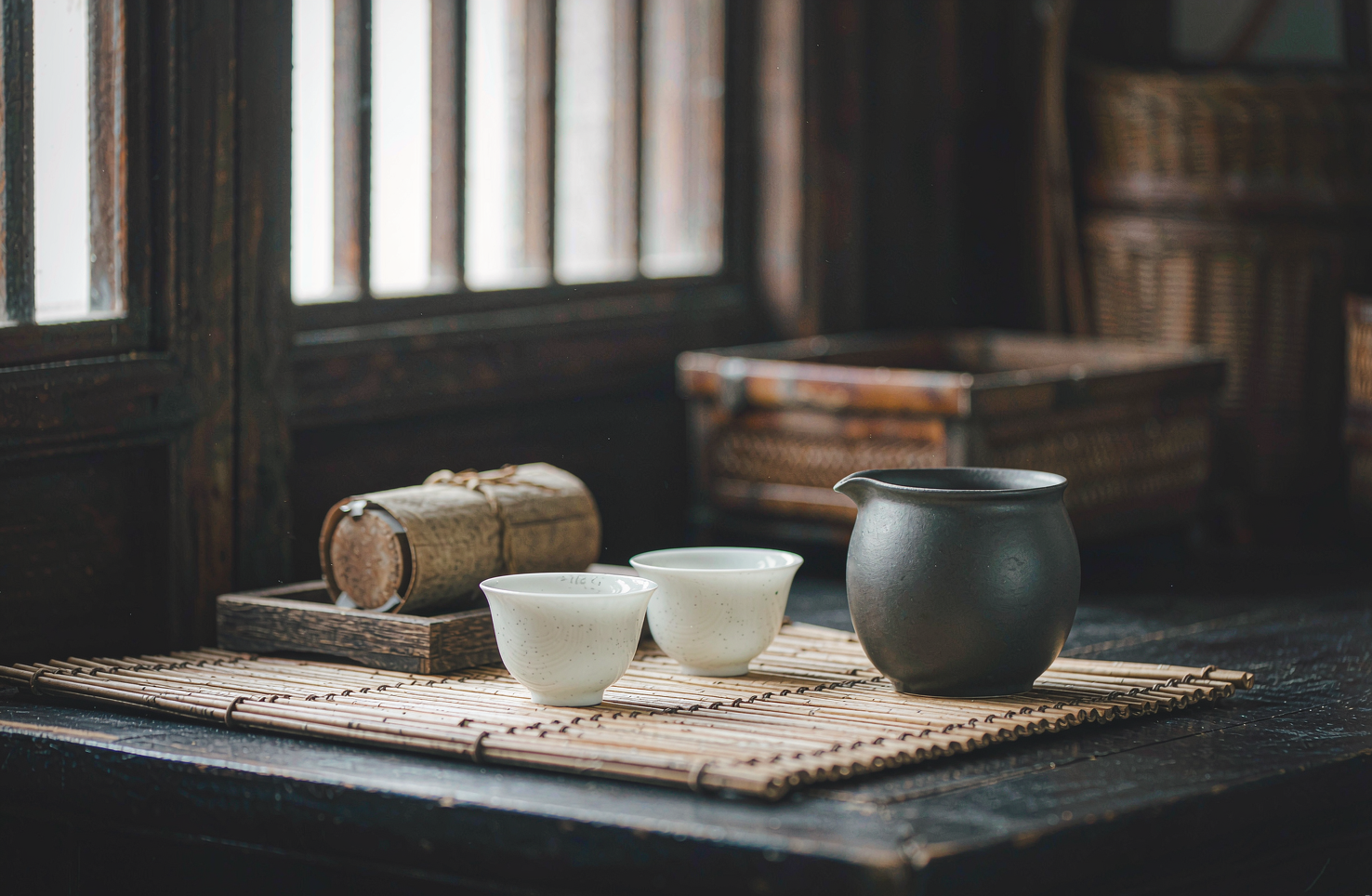
做非遗这些年,我们反复碰到同一个问题:手艺这么好,为什么留不住人?后来发现,问题不在手艺,在场景——它们被锁在展柜里、屏幕里,唯独不在生活里。于是有了“非遗会客厅”这个念头。
韵和鸣 · 2026/10/3 · 4 阅读
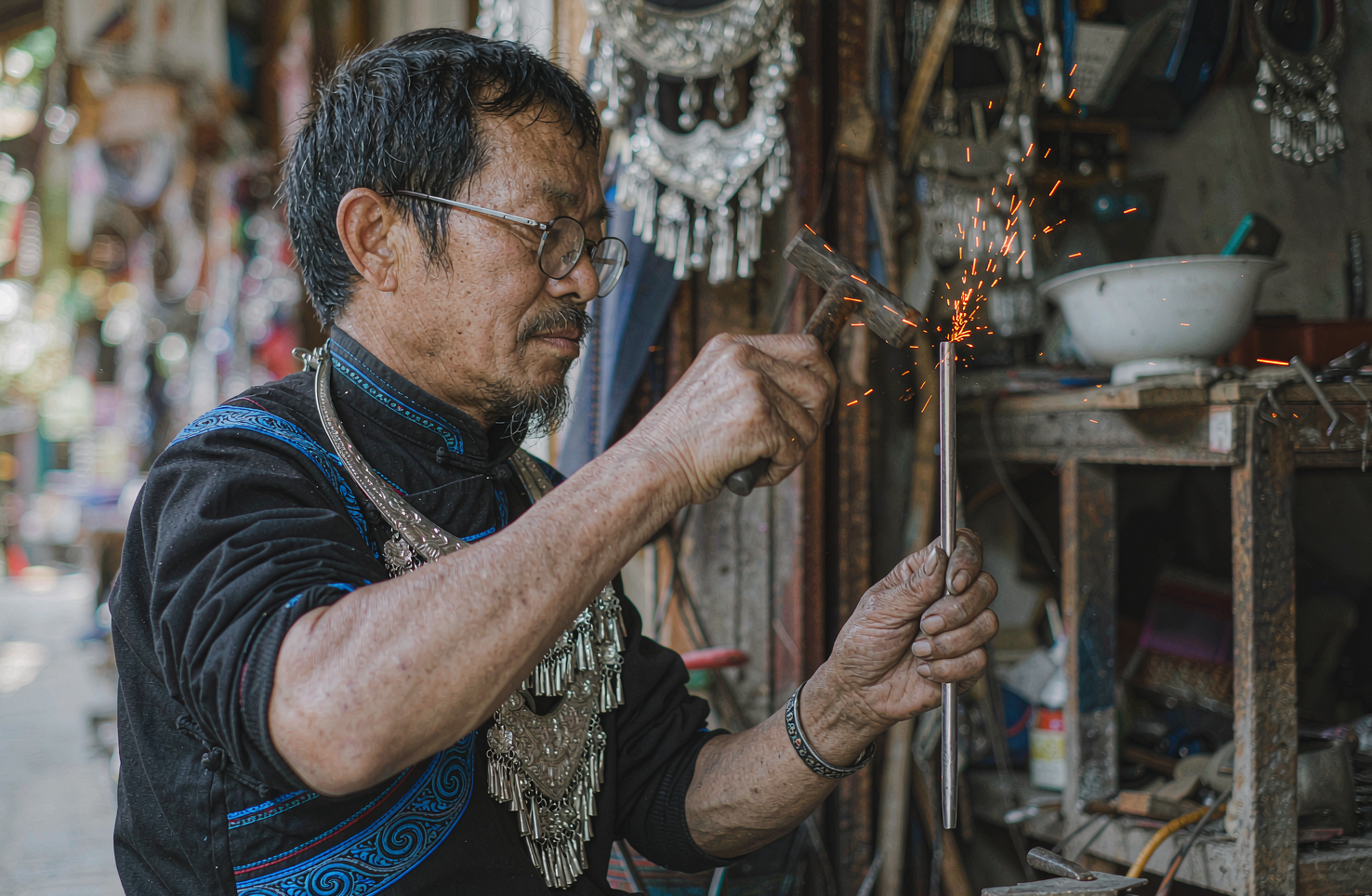
去贵州雷山,看一块银元如何变成一支银簪
在黔东南的苗寨里,银不只是一种首饰材料。它曾经是可以随时熔掉、重新打制的"存款",也是节日里一个女人身上最亮的那部分。关键在于,当一块老银元被放进坩埚,它要经过多少双手、多少道火,才重新成为一件能戴出门的东西。
韵和鸣 · 2026/10/9 · 27 阅读
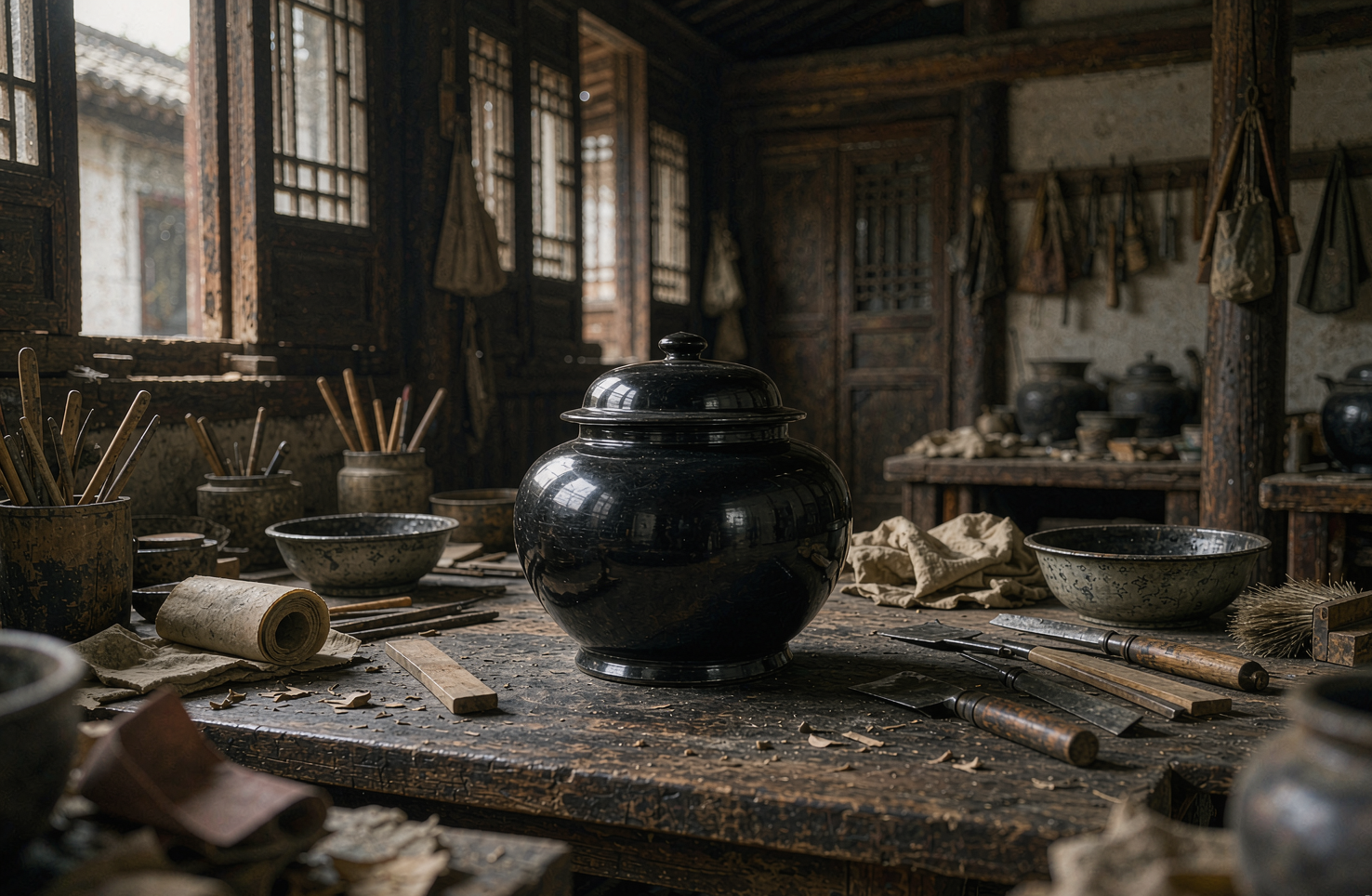
漆器为什么能埋八千年不坏
在博物馆做漆器研究与修复的研究员老周,桌上常年摆着两样东西:一段出土的漆皮残片,一只新做不久的平遥推光漆盘。他说这两样东西隔着八千年,却是同一种材料。这次对话,我们从"漆器为什么埋几千年不坏"聊起,聊到最后,其实是手艺对材料的理解问题。
韵和鸣 · 2026/10/14 · 16 阅读
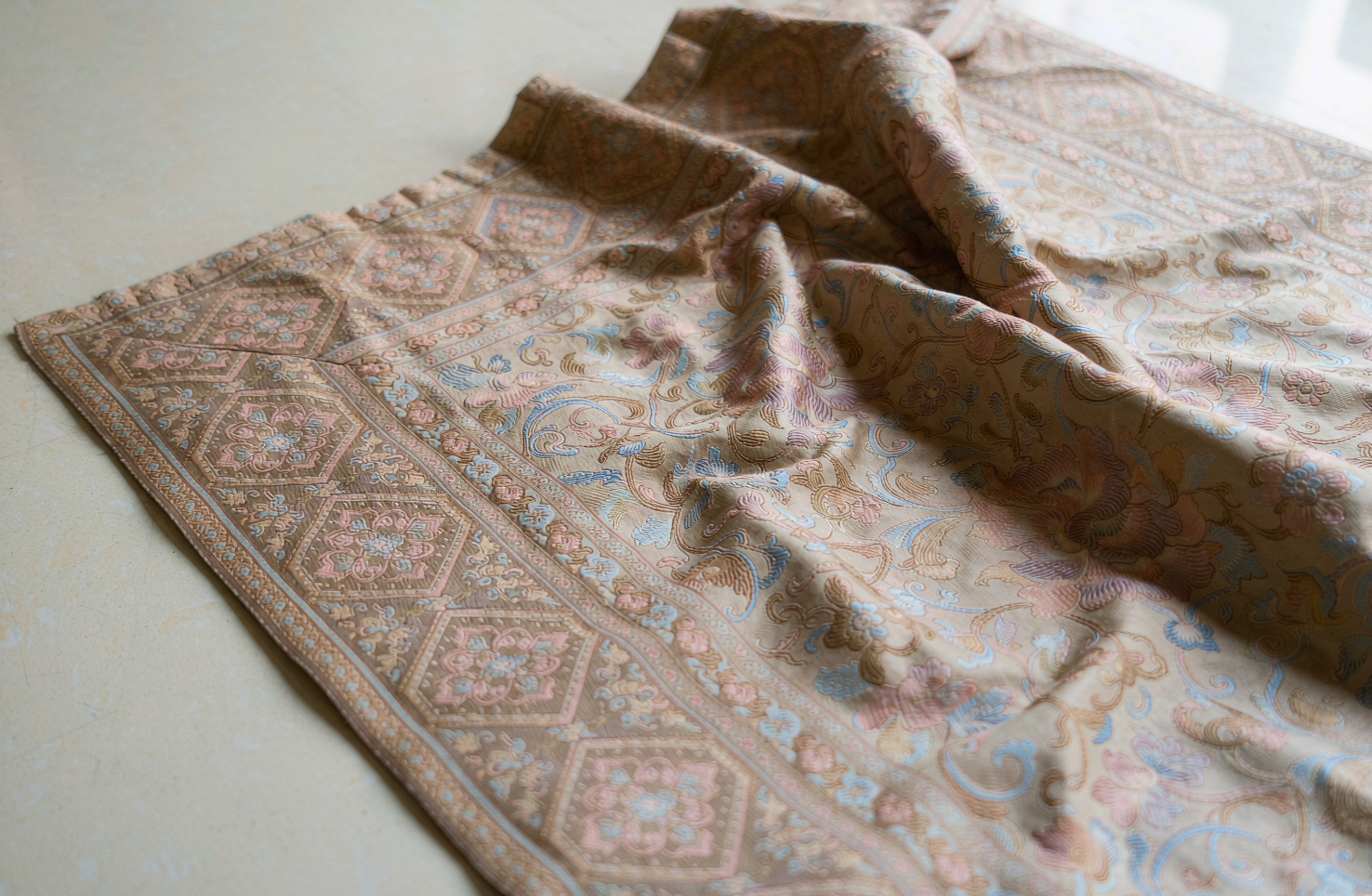
一方宋锦里,藏着宋人的审美秩序
初见宋锦,我的反应不是"好看",而是"安静"。它不像人们想象里的锦那样满身是光。带我看锦的老师傅说,正是这份安静,最难织。
韵和鸣 · 2026/10/8 · 10 阅读