为什么把茶馆,开成了一间非遗会客厅
韵和鸣 · 韵和鸣公众号 · 2026/10/3 12:00:00 · 4 阅读
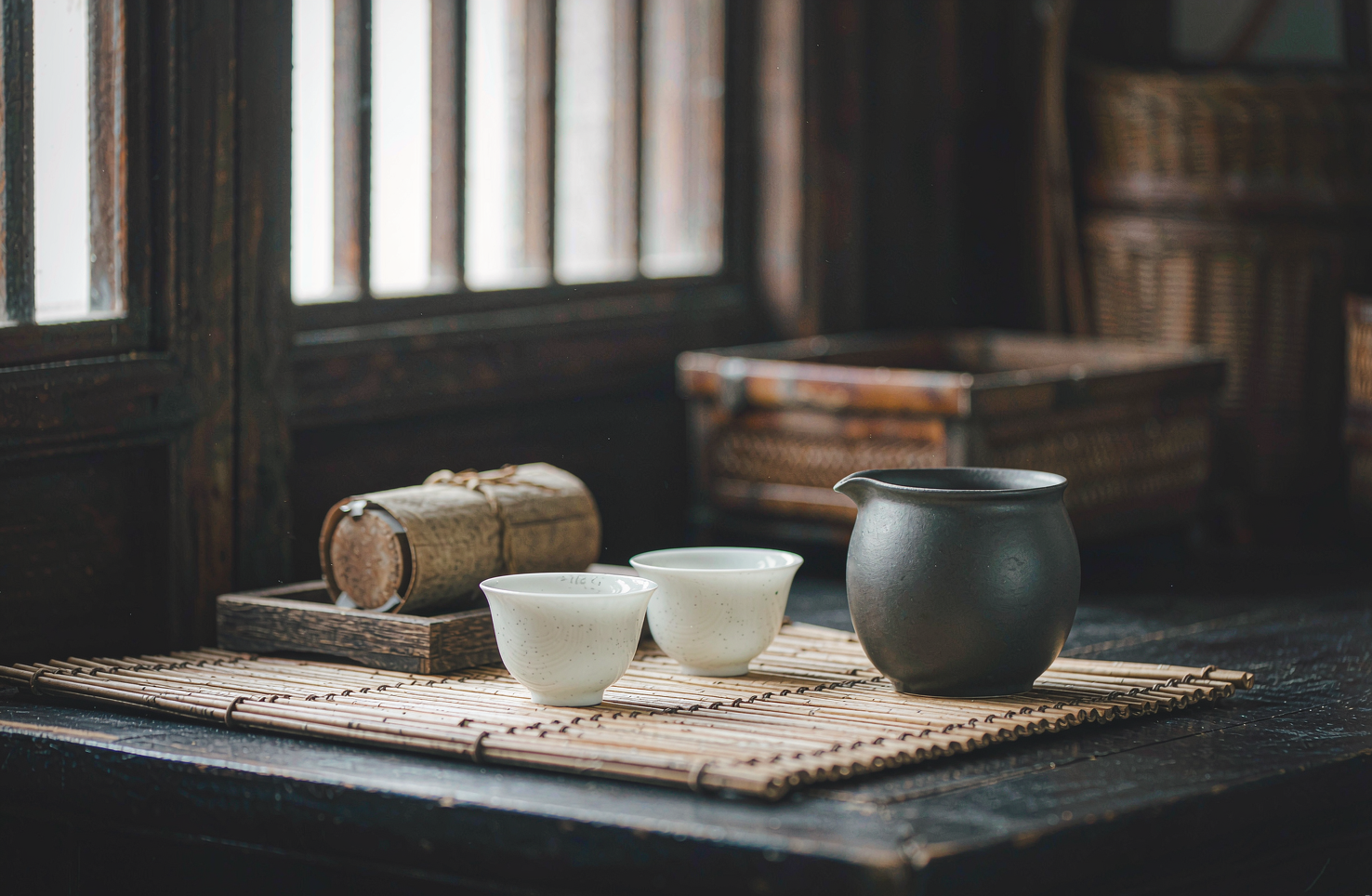
做非遗这些年,我们反复碰到同一个问题:手艺这么好,为什么留不住人?后来发现,问题不在手艺,在场景——它们被锁在展柜里、屏幕里,唯独不在生活里。于是有了“非遗会客厅”这个念头。
会客厅的业态,我们叫“日茶夜酒”。
白天,它是一间安静的茶馆。客人落座,一壶茶,一碟点心,桌边的手作器物随手可触——竹编的茶则、漆艺的茶托、宋锦的杯垫。夜里,灯光调暗,它又变成一间有酒香的文化空间,器物换了灯光,人也换了话头。
茶与酒,一昼一夜,看似只是生意时段的延长,其实是在回答一个问题:人一天里最放松的两个时刻,凭什么不能有非遗在场?
绝大多数人第一次“见到”非遗,是在博物馆的玻璃柜里——隔着距离,打着射灯,旁边写着“请勿触摸”。
这样的相遇注定是短暂的。而会客厅里的漆器茶托,是盛着热茶的;竹编的收纳筐,是装着物件的;蜀绣的屏风,就立在你就座的沙发背后。我们的布局原则是“山西一半、全国一半”——一半留给平遥的漆器这些本土技艺,一半留给来自各地的精品手作,让一间屋子,装得下更大的中国。
非遗在茶桌上的样子,和在展柜里的样子,完全是两回事。前者会被谈论、被使用、被记住;后者只会被参观。
会客厅里我们设计了五种可能:可观赏、可品鉴、可体验、可购买、可交流。
“观赏”和“购买”,市集也能给;“品鉴”和“体验”,才是会客厅的独有——你可以坐下来,跟着匠人认识一只漆碗从木胎到成器的过程,也可以亲手编一小段竹篾,笨拙地体会“匀”这个字有多难。而“交流”,是这一切的终点:一壶茶喝完,你和这门手艺之间,已经有了私交。
对手艺人来说,这也是另一种被看见。匠人不必人人都会直播、会写文案——他们只需要在会客厅里,做他们最擅长的事,剩下的讲述,交给空间和内容来完成。
非遗不需要被抢救式的围观,它需要的是有人坐下来,坐得够久。
下次你路过一间亮着灯的会客厅,不妨进去坐坐。不用抱着学习的姿态,就当喝一杯茶——手艺这种东西,从来都是先处成朋友,才谈得上懂得。
📩 非遗项目 | 匠人举荐 | 跨境出海 | 线下联营
欢迎留言或后台联系,我们与匠人同行。
English
We call the Salon's format "tea by day, wine by night."
By day it is a quiet teahouse. Guests take their seats, a pot of tea and a plate of snacks before them, and the handmade objects at the table are within easy reach—a bamboo tea scoop, a lacquer tea saucer, a Song brocade coaster. At night the lights dim, and it becomes a cultural space with the fragrance of wine; the objects take on different light, and the conversation turns to different things.
Tea and wine, a day and a night, look like nothing more than an extension of business hours, but in fact they answer a question: why shouldn't ICH be present in the two most relaxed moments of a person's day?
For the vast majority of people, the first time they "meet" ICH is in a museum's glass case—at a distance, under a spotlight, with a sign beside it reading "Please Do Not Touch."
Such an encounter is bound to be brief. But the lacquer tea saucer in the Salon is holding hot tea; the bamboo storage basket is holding things; the Shu embroidery screen stands right behind the sofa where you sit. Our layout principle is "half Shanxi, half the rest of China"—half given to local crafts such as Pingyao lacquerware, half to fine handmade pieces from elsewhere, so that a single room can hold a larger China.
ICH on a tea table and ICH in a display case are entirely different things. The former gets talked about, used, and remembered; the latter is merely visited.
In the Salon we designed five possibilities: to view, to taste, to experience, to purchase, and to converse.
"Viewing" and "purchasing" a market can also offer; "tasting" and "experiencing" are what only the Salon provides—you can sit down and, following a craftsman, come to know how a lacquer bowl goes from wooden body to finished vessel, or weave a short length of bamboo strip yourself and clumsily discover how hard the word "even" is to achieve. And "conversing" is the end point of it all: by the time a pot of tea is finished, you and the craft have already become personally acquainted.
For the craftspeople, this is another way of being seen. Not every one of them needs to know how to livestream or write copy—they need only do, in the Salon, what they do best, and leave the rest of the telling to the space and the content.
ICH does not need rescue-style gawking; it needs someone to sit down, and to sit long enough.
Next time you pass a Salon with its lights on, step in and sit a while. You need not come with a learner's posture; just drink a cup of tea—for crafts, like anything, must first become a friend before they can be understood.
ICH Projects · Artisan Referrals · Global Distribution · Salon Partnerships
你可能还感兴趣
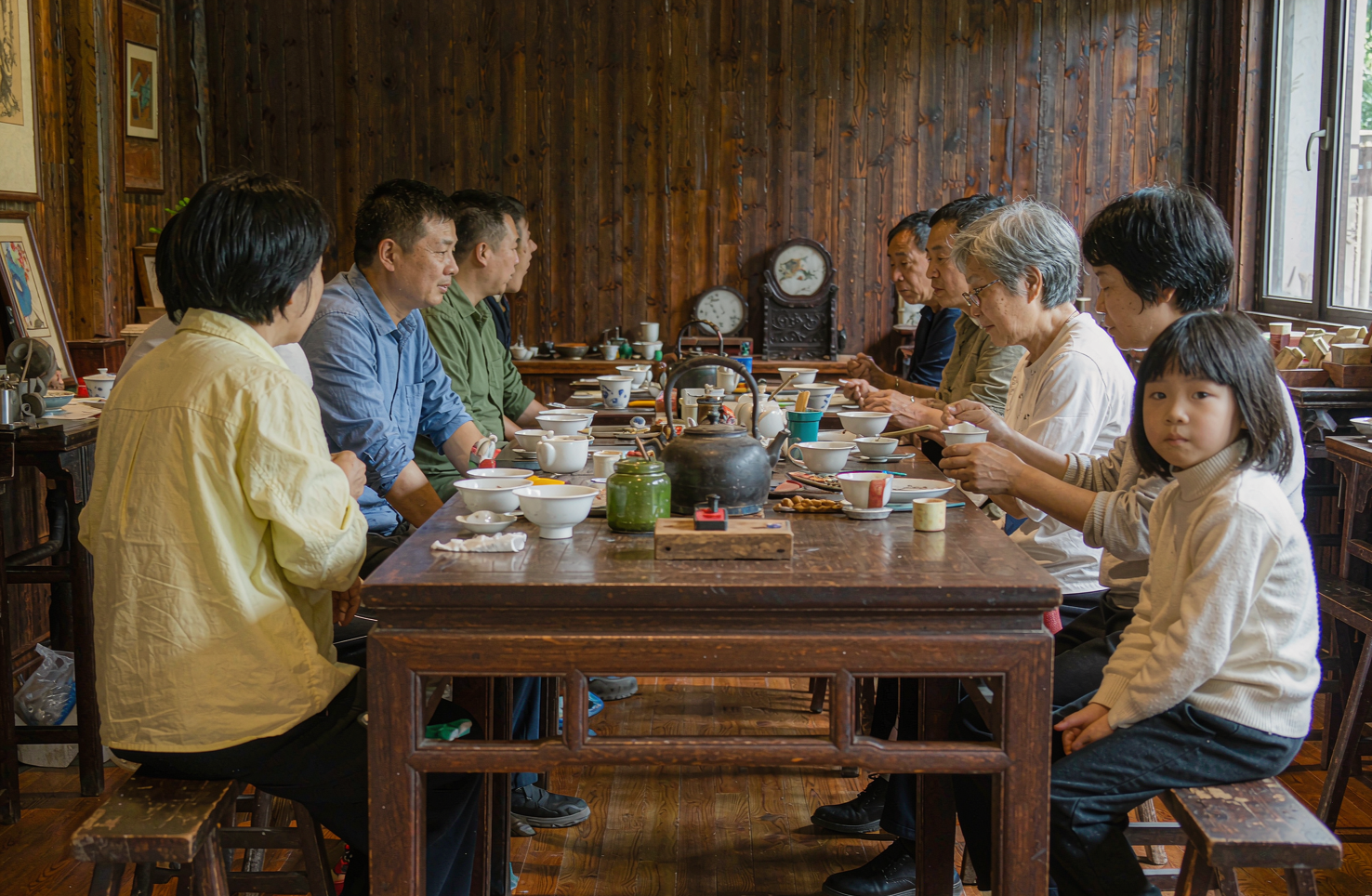
把"慢"做成一种体验:一间非遗会客厅的想法
我们习惯按功能给空间分类:吃饭的、购物的、办公的。但有一种很难归类——它在城市的闹处,不催你走,也不急着让你买单。关键在于,当"慢"被认真设计出来,它本身就可以是一种产品。
韵和鸣 · 2026/10/9 · 9 阅读
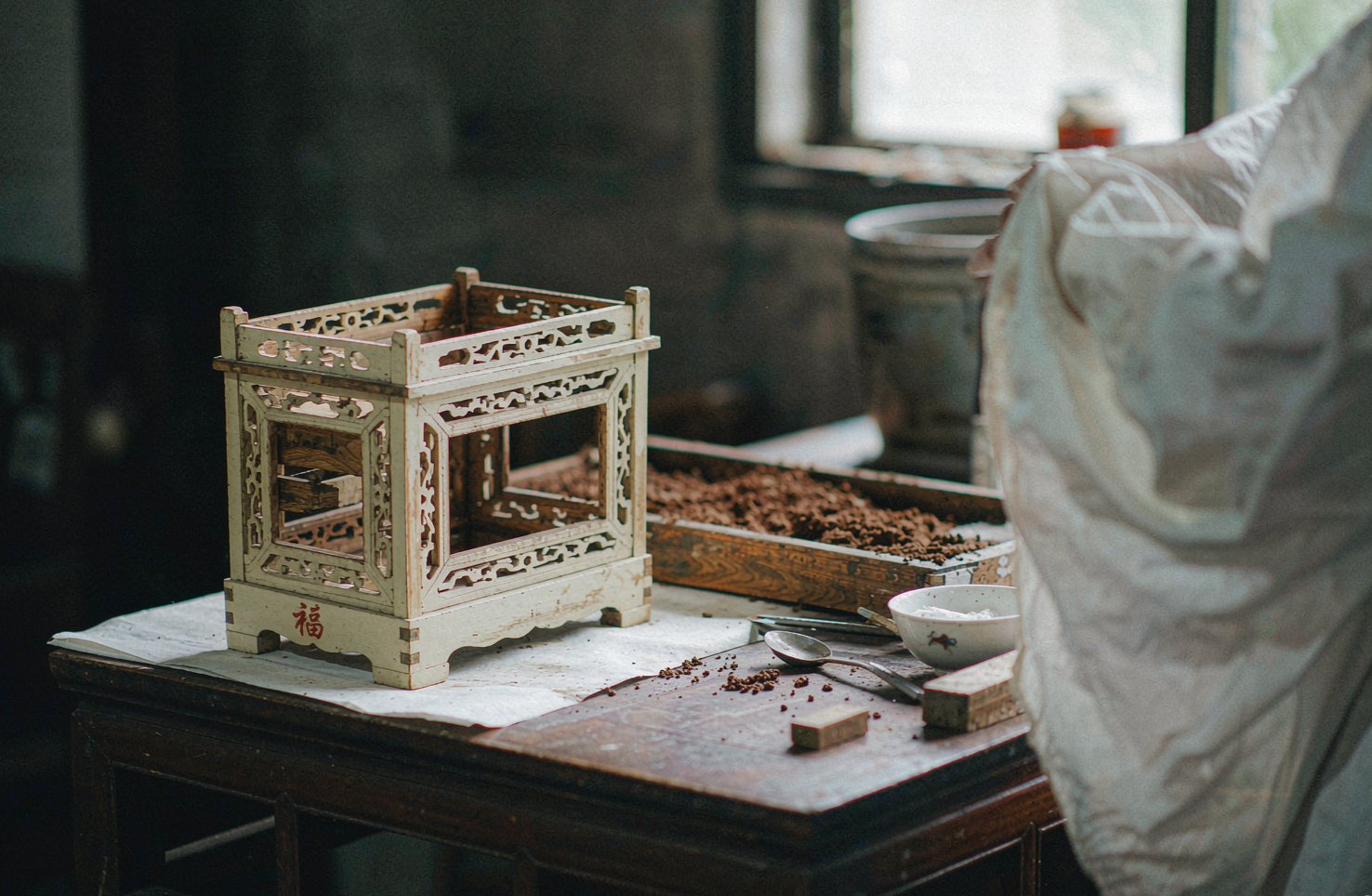
为什么非遗要「可看、可品、可体验、可购买」
做线下空间这些年,我们给会客厅定了四个动词:可看、可品、可体验、可购买。说到底,这四个词对应的是一个人走进陌生空间时的四步心路——先看看,再坐下,然后上手,最后才谈得上带走。非遗器物的门槛从来不是价格,是距离;空间存在的意义,就是把这四步距离一步步拆掉。
韵和鸣 · 2026/10/13 · 4 阅读
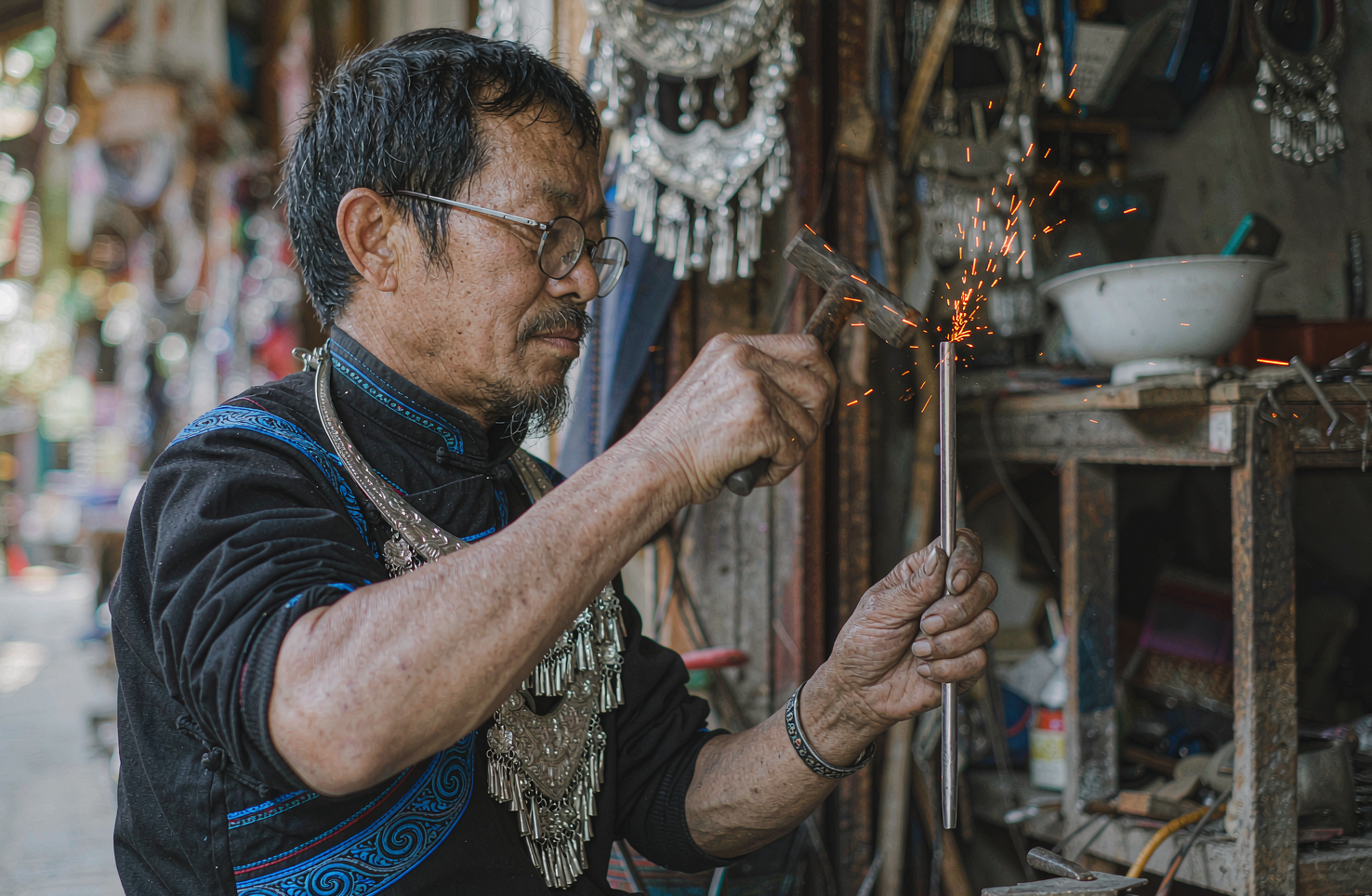
去贵州雷山,看一块银元如何变成一支银簪
在黔东南的苗寨里,银不只是一种首饰材料。它曾经是可以随时熔掉、重新打制的"存款",也是节日里一个女人身上最亮的那部分。关键在于,当一块老银元被放进坩埚,它要经过多少双手、多少道火,才重新成为一件能戴出门的东西。
韵和鸣 · 2026/10/9 · 27 阅读
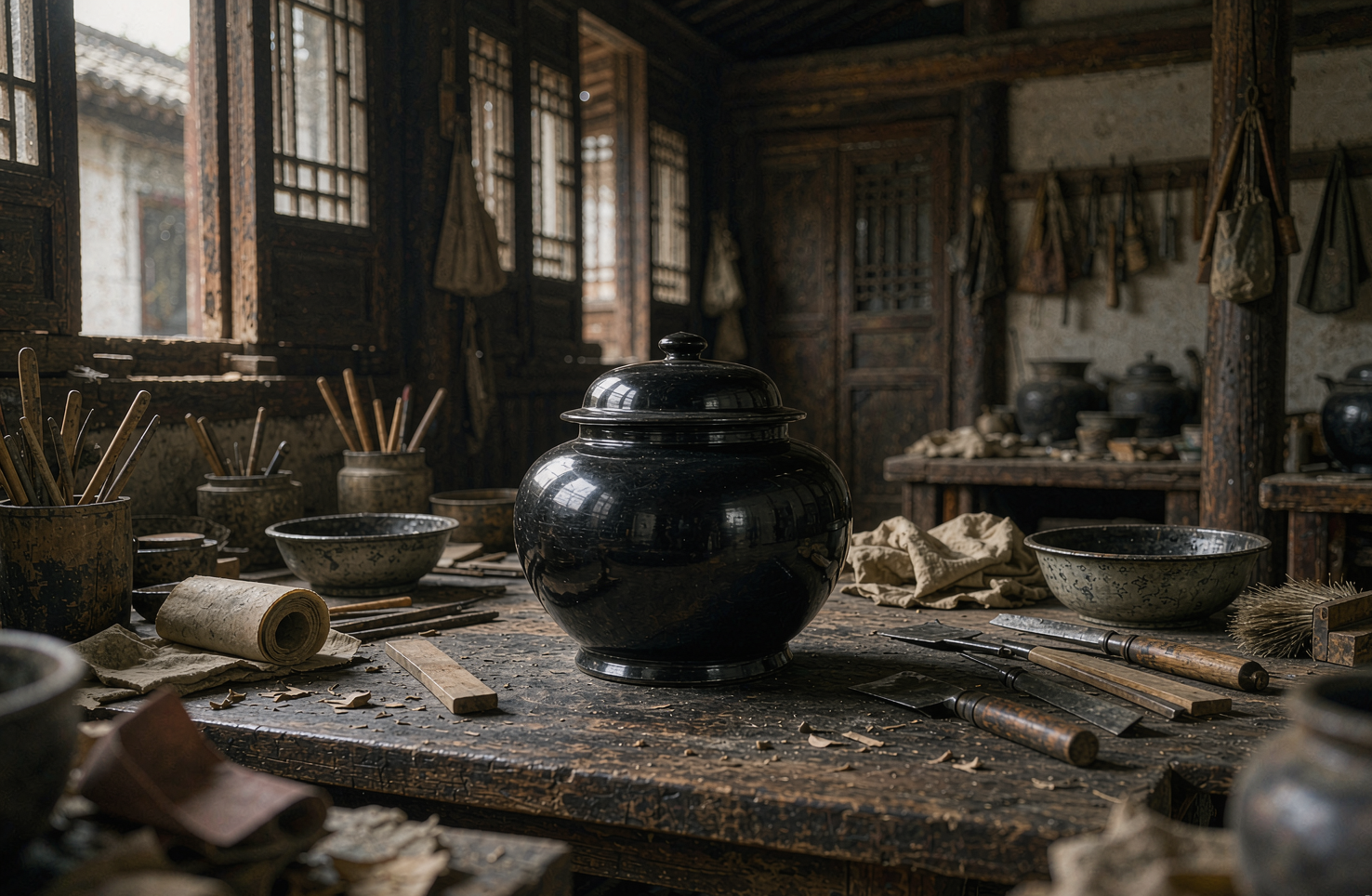
漆器为什么能埋八千年不坏
在博物馆做漆器研究与修复的研究员老周,桌上常年摆着两样东西:一段出土的漆皮残片,一只新做不久的平遥推光漆盘。他说这两样东西隔着八千年,却是同一种材料。这次对话,我们从"漆器为什么埋几千年不坏"聊起,聊到最后,其实是手艺对材料的理解问题。
韵和鸣 · 2026/10/14 · 16 阅读
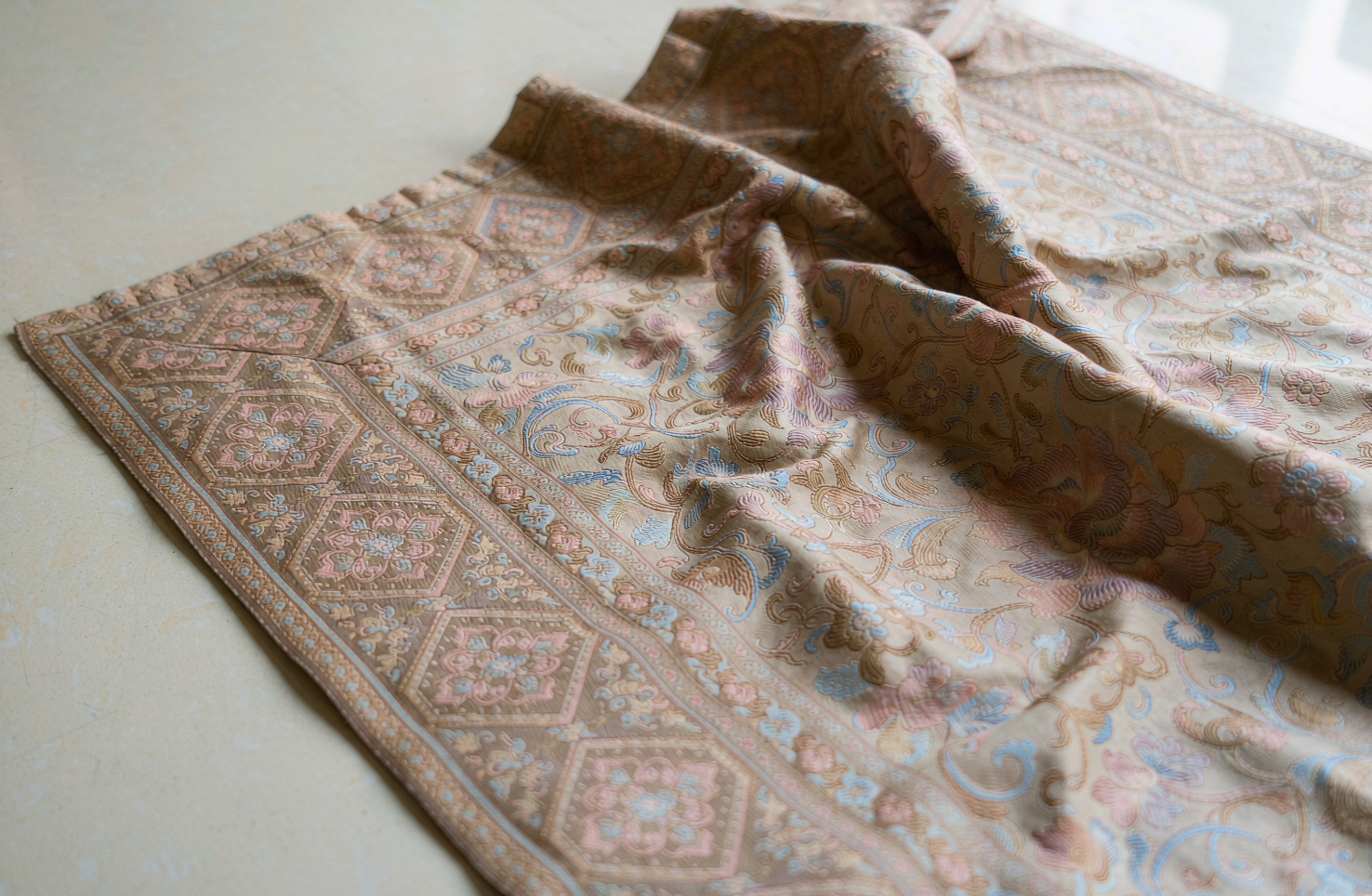
一方宋锦里,藏着宋人的审美秩序
初见宋锦,我的反应不是"好看",而是"安静"。它不像人们想象里的锦那样满身是光。带我看锦的老师傅说,正是这份安静,最难织。
韵和鸣 · 2026/10/8 · 10 阅读
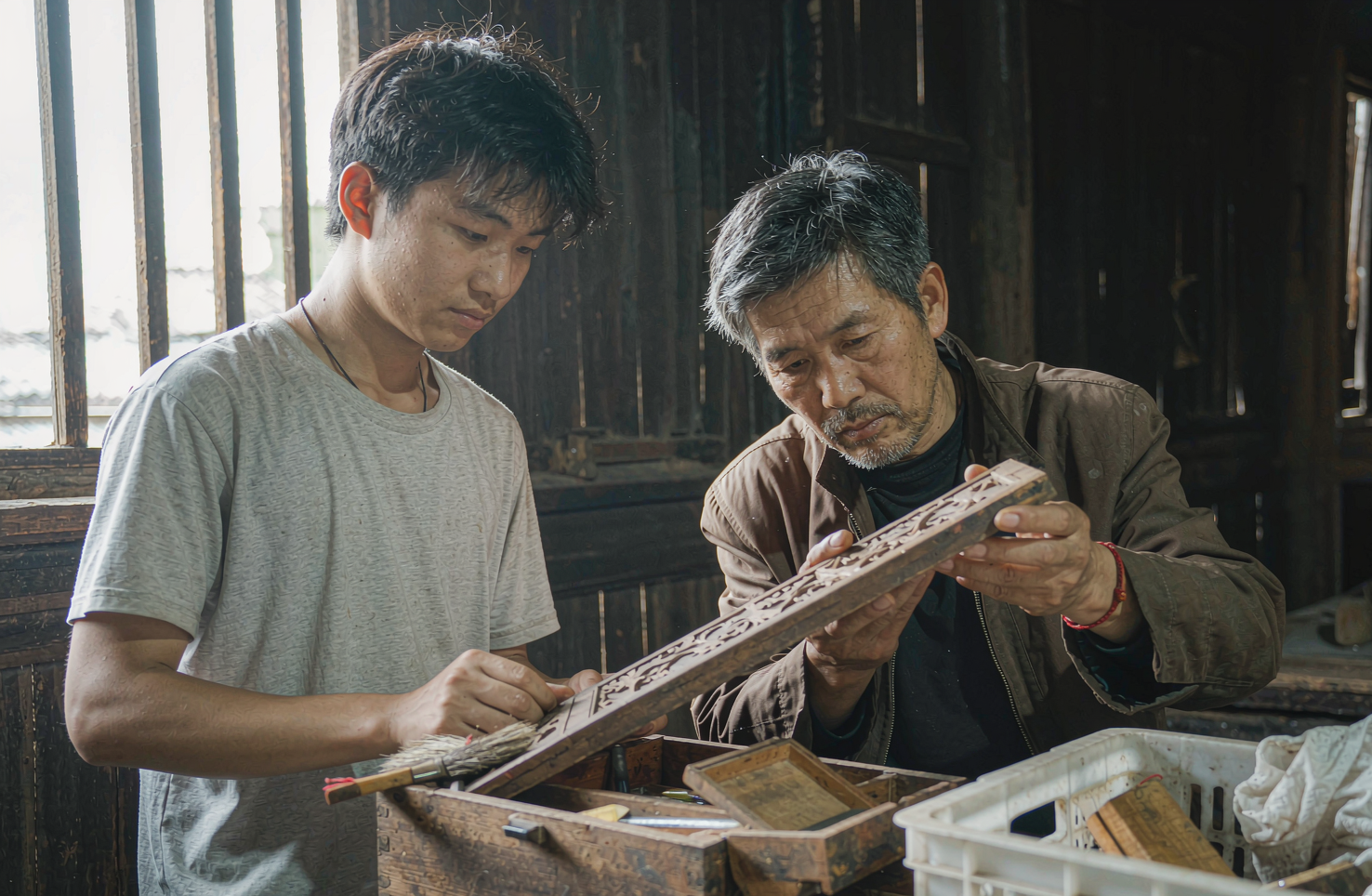
年轻人不愿学老手艺,该怪年轻人,还是怪这门手艺?
非遗传承里被讨论得最多的一句话是"后继乏人"。这句话往下追一层,就分成两条路:一条通向年轻人,说他们耐不住、看不上;一条通向他们面对的那门手艺,说它没能给出一条能活下去的路。这两条路,最近又吵起来了。
韵和鸣 · 2026/10/8 · 10 阅读