一件漆器该有多重,手感不会说谎
韵和鸣 · 韵和鸣公众号 · 2026/10/14 12:00:00 · 14 阅读
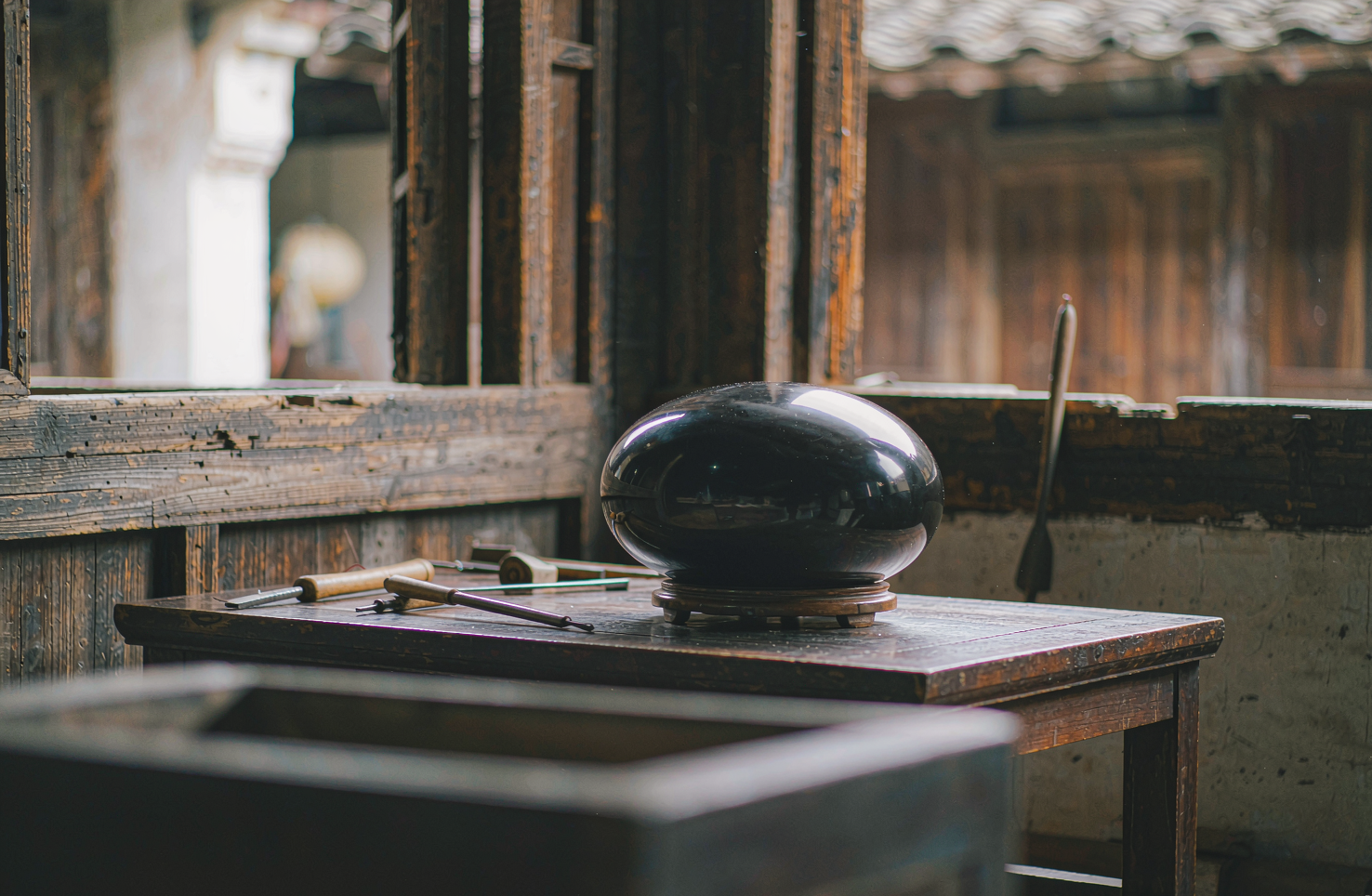
严选器物,看纹样、看款识、看证书,都是明面上的事。但有一道标准写不进任何参数表——上手。同一尺寸的两只漆盘,一只压手温润,一只轻飘干瘪,差别从何而来?这次把"分量"这件事拆开讲。说到底,重量是工序的记账本。
▍分量从哪来
一件漆器的重量,是四层东西叠出来的:木胎的厚度、裱布的层数、灰底的道数、漆层的遍数。传统做法里,木胎要选料得当,裱布防止木胎开裂走形,灰底一遍遍刮实,大漆一道道髹足,每一步都在往上添分量——也在往上添寿命。以平遥推光漆器的规矩论,这道道工序一道都不能省。省掉哪一层,轻的是重量,丢的是耐久。
平遥推光漆器髹饰技艺以手掌推光为特色,木胎裱布、刮灰髹涂、阴干推光等工序一道不缺,2006 年列入国家级非物质文化遗产名录。(山西省晋中市平遥县)
▍太轻与太重,都有蹊跷
轻的蹊跷好理解。有些货轻,是因为胎用得薄、灰底只刮一道、漆两三遍收工,甚至干脆用化学漆一次成型——拿在手里发飘,敲起来声音发脆。这类东西拍照不难看,坏在经不起用:漆面起皱、边角露胎,往往一两年就见分晓。识别它们,上手掂一掂,比看一百张照片都更管用。
但重也不是越沉越好。胎骨过厚的器物压手却笨拙,线条呆板,端起来费力——好漆器的分量讲究"对得上器型":茶则有茶则的轻重,捧盒有捧盒的分寸。手感的上乘是压手而不坠,温润而不滑。
听声也能听出门道。指节轻叩,好漆器的声音发闷发沉——因为灰底与漆层吃掉了震动;省了灰底的薄货叩起来"梆梆"作响,像敲一只干瓢。声音和重量说的是同一件事:中间那几层看不见的工序,到底在不在。
▍手感是练出来的
推光是手感这道标准里最深的一环。平遥的匠人用砖灰、麻油和手掌,把漆面一遍遍推到温润如镜——这不是抛光蜡的亮,是手掌温度磨进去的光。分辨的办法其实人人可学:侧着光看,手推的光泽里有极细的云纹般起伏;上手摸,指腹过去是一种"吸附感"。看得多了、摸得多了,手自己就有了秤。
一位做漆器的老师说过一句话,严选的同仁记到今天:机器喷出来的亮是"浮在面上",手推出来的亮是"长在里面"。同样新的两件器物放在一起也许难分高下,但用上一年,浮光褪得快,长在里面的光才留得住——手感这道秤,称的其实是时间。
严选时,上手永远是必经工序。图片会骗人,参数会骗人,手不会——这也是为什么韵和鸣的器物都必须过手:过的是手感,称的是诚意。
顺带说一个常被忽视的细节:重量还会随使用慢慢"活"起来。新出坊的漆器漆膜还在继续固化,头一年会悄悄重那么一点点、润那么一层;养得好的器物,分量与光泽一起长。所以老玩家挑漆器,有时专挑"上手三天就顺了"的——那是灰底吃透了漆的证据。
▍问答
问 | 网购漆器摸不到实物,怎么预判手感?
答 | 三招替代:看重量标注并与同类器型比对,明显偏轻的要警惕;看细节图里的边缘与内壁,手工刮灰的痕迹不均匀但顺滑;直接问客服工序——裱布几层、髹涂几遍、是否手推,答得上的店,货一般也差不到哪去。
问 | 漆器用久了手感会变吗?
答 | 会,而且是变好。大漆膜越用越温润,手掌的摩挲相当于日常的轻推光;只要避开暴晒、干燥和硬物刮划,一只漆盘用十年,手感会比新出坊时更贴。这也是手工漆器值得传代的原因。
问 | 韵和鸣的严选,严在哪几条?
答 | 严在三条:只认真正的非遗手工品,只与传承人本人合作,只收手工真作。机器流水线的产品再像也不收。落到漆器上,就是工序要说得清、手感要过得了手、匠人要叫得出名——重量这个隐性标准,每件器物都先被"称"过一遍。
📩 非遗项目 | 匠人举荐 | 跨境出海 | 线下联营
欢迎留言或后台联系,我们与匠人同行。
—— 韵和鸣 · 与匠人同行
〖 器 〗
相关搜索 | RELATED SEARCHES
平遥推光漆器 · 漆器手感 · 手工漆器鉴别 · 漆器重量 · 韵和鸣严选
English
A lacquer piece's weight is stacked from four layers: the thickness of the wooden core, the cloth wrapping, the coats of ash primer, the passes of lacquer. In the traditional way, the core is well-chosen wood; the cloth keeps it from cracking and warping; the primer is scraped solid coat by coat; the lacquer is laid on pass after sufficient pass. Every step adds weight—and adds life. Whichever layer is skipped, what lightens is the heft, and what is lost is the endurance.
The Pingyao polished lacquerware technique, distinguished by palm-polishing, omits none of its steps—cloth-laid core, ash-priming, lacquering, shade-drying, polishing—and was inscribed on the national intangible cultural heritage list in 2006. (Pingyao County, Jinzhong, Shanxi)
Too Light and Too Heavy Both Smell of Tricks
The trouble with lightness is easy to grasp. Some pieces are light because the core is thin, the primer a single coat, the lacquer two or three passes—or synthetic coating laid in one go. They feel hollow in the hand and ring brittle to the knuckle. They photograph well enough; they fail in use—wrinkled film, bare edges at the corners, verdict within a year or two.
Yet heavier is not better either. An over-thick core sits heavy but clumsy, the lines dull, the lifting labored—good heft must match the form: a tea scoop keeps a scoop's lightness, a presentation box a box's poise. The touch of a fine piece is weight without drag, warmth without slip.
Sound tells the same story. Knuckle-tapped, a fine lacquer piece answers dull and deep—the ash primer and lacquer coats have swallowed the vibration; a thin job with the primer skipped rings hollow and bright, like rapping a dried gourd. Sound and weight speak of one thing: whether those invisible middle layers are actually there.
Polishing is the deepest link in this standard. Pingyao artisans work brick dust, linseed oil and the palm, pass after pass, until the surface reaches a mirror warmth—a brightness not of wax but of body heat ground into the film. The telling is learnable: tilt the piece to the light, and hand-polished sheen carries cloud-fine undulations; run a fingertip across, and there is a faint pull of adhesion. Look enough, touch enough, and the hand grows its own scale.
A lacquer master once said something our curating team still quotes: the brightness sprayed on by machine "floats on the surface," while the brightness pushed out by hand "grows from within." Two brand-new pieces side by side may be hard to rank; but give them a year, and the floating sheen fades fast while the light grown within stays. What the hand's scale weighs, in the end, is time.
In curating, the hand is always the final gate. Photographs deceive, specs deceive; the hand does not. That is why every YUNHEMING piece must pass through hands—what it passes is the feel, and what it weighs is the maker's honesty.
One often-missed detail: weight comes alive with use. The film of a fresh piece keeps curing, and in its first year it quietly gains a touch of weight and a layer of mellowness; a well-kept piece grows its heft and its luster together. That is why seasoned collectors sometimes prize the tray that "settles into the hand within three days"—proof that the primer has fully drunk its lacquer.
Buying lacquerware online, how do you judge feel without touching?
Three substitutes: compare the stated weight with similar forms—clear underweight is a warning; inspect edge and inner-wall close-ups—hand-scraped primer shows uneven but flowing traces; and simply ask about the process—cloth layers, lacquer passes, hand-polishing. A shop that can answer usually has the goods to match.
Does the feel of lacquerware change with use?
Yes—and for the better. The cured film grows mellower with handling, daily touch acting as gentle re-polishing. Kept from sun, desiccation and hard scratches, a tray used for ten years feels closer to the hand than the day it left the workshop—part of why handmade lacquerware deserves to be handed down.
What exactly does YUNHEMING's curation insist on?
Three rules: only genuine heritage handicrafts, only direct work with the bearers themselves, only hand-made originals. Machine-line products, however alike, are not considered. For lacquerware this means the process must be accountable, the feel must pass the hand, and the maker must be nameable—every piece is first "weighed" against this hidden standard.
ICH Projects · Artisan Referrals · Global Distribution · Salon Partnerships
你可能还感兴趣
一件非遗手作凭什么"值":把时间的账算一遍
谈非遗手作,绕不开一个字:值。有人觉得贵得离谱,有人觉得便宜得可疑。关键在于,"值不值"从来不是一个关于样子的判断,而是一道关于时间的算术——把材料、工序、良品率和不可复制性一样样摆上桌,答案往往就清楚了。
韵和鸣 · 2026/10/9 · 11 阅读
一面屏风,如何成为一个家的「眼」
老房子里,屏风从来不只是挡一挡。它决定你一进门先看哪里。四面墙的屋子有了屏风,才像有了一个"眼"。
韵和鸣 · 2026/10/8 · 11 阅读
一张蔚县剪纸,彩色的刻刀活
严选录这一期看一张不太一样的剪纸:它不用剪刀,用刻刀;不止红色,还带着点染出来的粉与绿。河北张家口蔚县的剪纸,是剪纸大家族里"反着来"的一支——别处以剪为主、以红为正,蔚县以刻代剪、以点彩上色。说到底,这两个"反着来"的本质,是蔚县人把剪纸从窗前的女红,做成了作坊里的分工手艺:看懂了这一点,才算看懂了这张纸。
韵和鸣 · 2026/10/13 · 9 阅读
一枚苏绣绣片,丝光里藏着多少根丝
看一枚巴掌大的苏绣绣片,凑近了看,再凑近一点。你会发现它的光不是绣上去的,是"长"出来的——丝被劈到几乎看不见,一针一针顺着一个方向排,光就顺着丝走。说到底,苏绣的讲究,是从把一根丝线"拆开"那一刻开始的。
韵和鸣 · 2026/10/11 · 9 阅读
一盏博山琉璃:颜色是炉火给的,不是颜料调的
说到底,琉璃与玻璃的分界,不在透明不透明,而在颜色从哪来。在山东博山,一盏鸡油黄琉璃的颜色长在料里、生在炉里,出炉之后再不改色。这是严选录这一期想讲清楚的事。
韵和鸣 · 2026/10/12 · 8 阅读
平金开黑:金与黑,为什么这么耐看
逛漆器店时,最容易让人停下来多看两眼的,往往不是花纹最密的那一件,而是一片黑底上的一线金。它克制得近乎安静,却比满身颜色更抓人。说到底,看懂了金与黑怎么相处,就看懂了漆器审美的一半。
韵和鸣 · 2026/10/10 · 6 阅读