一张蔚县剪纸,彩色的刻刀活
韵和鸣 · 韵和鸣公众号 · 2026/10/13 12:00:00 · 10 阅读
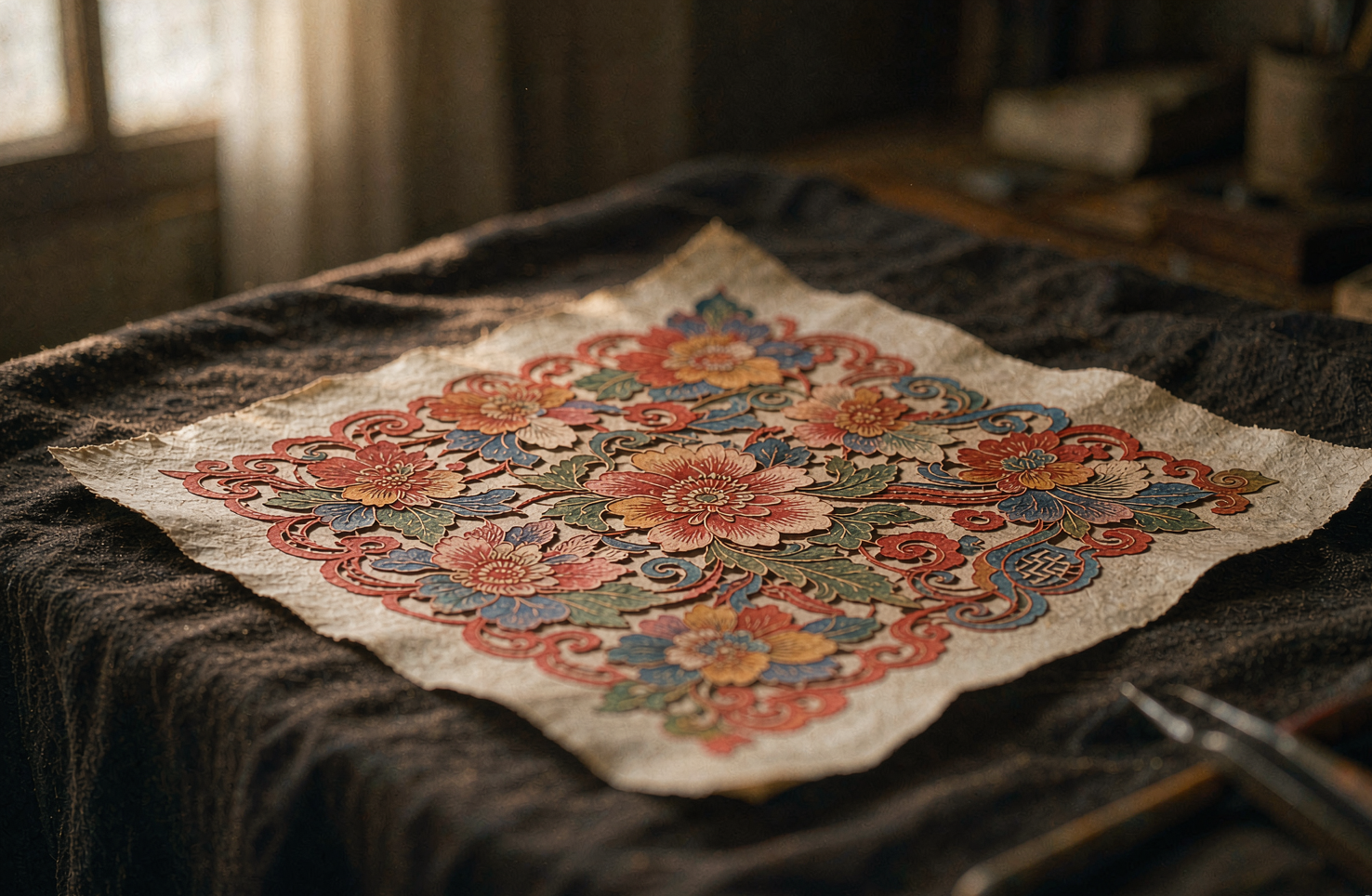
严选录这一期看一张不太一样的剪纸:它不用剪刀,用刻刀;不止红色,还带着点染出来的粉与绿。河北张家口蔚县的剪纸,是剪纸大家族里"反着来"的一支——别处以剪为主、以红为正,蔚县以刻代剪、以点彩上色。说到底,这两个"反着来"的本质,是蔚县人把剪纸从窗前的女红,做成了作坊里的分工手艺:看懂了这一点,才算看懂了这张纸。
▍说是剪纸,其实是刻纸
把一张蔚县剪纸凑近看,先看线条:密而匀,细如发丝的弧线一根挨着一根。剪刀铰不出这样的密度——蔚县人的办法是,把几十张宣纸叠成一摞,用蜡盘托着,拿刻刀一刀一刀地刻。一摞刻完,同样的花样得了几十张,刻刀却比剪刀更吃功夫:线条要断得干净,连接处要留得恰好,断了是残品,粘连是废品。
蔚县剪纸,指的是河北省张家口市蔚县一带以刻刀刻制、点彩染色的剪纸技艺,2006 年列入国家级非物质文化遗产名录。(河北省张家口市蔚县)
刻刀在蔚县人手里有几十把,宽窄斜正各不同,行话叫"刀子"。哪一段线用哪一把,师傅伸手就知道,不用看。
▍颜色是点上去的
刻好的白纸样,只是半成品。蔚县剪纸行里有句话:三分刻,七分染。
染色不用刷子用毛笔,蘸的是品色——民间叫"品红、品绿"的染料,性子烈,洇得快。师傅笔尖饱蘸颜色,往纸背上一点,颜色自己洇开,一朵花从深到浅的过渡,就是这一点之间的事。点重了,颜色糊成一团;点轻了,花就没了精神。一张脸谱式的窗花,红脸、白眉、绿袍,要换七八回笔,每回都得趁上一笔未干。
说到脸谱,蔚县人最得意的题材正是戏。晋剧、秧歌里的人物,生旦净丑一张一张刻下来,眉眼靠刀锋分,行头靠颜色分——老主顾认戏不认字,一张窗花递过去,先问"这是哪一出"。所以蔚县剪纸的摊子,向来是半个戏台:纸上有戏,买纸的人嘴里也有戏。
所以蔚县剪纸的颜色有种特别的活气:不是印刷的平,是洇出来的润,同一个红,边缘和花心总差着半分。
▍从窗户到案头
早年间,蔚县剪纸的去处是窗户。纸窗采光差,贴上点彩的窗花,太阳一照,满屋子都是颜色。戏曲人物、花鸟鱼虫,一贴就是一窗的戏。
如今窗户换成了玻璃,剪纸的位子挪到了案头:夹进镜框是摆件,裱成册页是礼品,逢年过节,它依然是北方人家窗上那点抹不掉的热闹。纸还是那张纸,只是看它的人,凑得更近了。
挑一张好的蔚县剪纸,也看这两点:刻工看线条,断得干净、连得恰好;染工看过渡,润而不糊、艳而不俗。两关都过了,这张纸才立得住。
还要叮嘱一句纸性:蔚县剪纸用的是宣纸,怕潮也怕晒,装框悬挂比贴窗长久,册页收藏比卷筒存放稳妥。一张好剪纸的寿命,一半在匠人手里刻出来,另一半,在藏它的人手里养出来。
▍问答
问 | 蔚县剪纸和普通剪纸有什么区别?
答 | 两点不同:一是以刻代剪,几十张宣纸叠在一起用刻刀刻制,线条能做得极密极细;二是点彩上色,用毛笔蘸品色点染,一张剪纸能有粉、绿、黄等多种颜色。它 2006 年列入国家级非物质文化遗产名录,产地是河北省张家口市蔚县。
问 | 彩色剪纸挂在窗边,会褪色吗?
答 | 会,光照是染料的克星。点彩剪纸适合放在散射光的地方,避免太阳直晒;装框加一层玻璃隔开潮气与灰尘,颜色能多留好几年。真要挂窗上迎节,节后就收进册页里夹好。
问 | 韵和鸣卖的是真非遗还是旅游纪念品?
答 | 是真非遗手工品。韵和鸣选品的头一条就是只为非遗真作:从山西平遥的推光漆器到河北蔚县的剪纸,器物要出自真正的传承人之手,工序要守得住传统做法,不是把非遗元素印在流水线商品上的"文创"。每件器物都能讲清是谁做的、在哪做的、怎么做的。
📩 非遗项目 | 匠人举荐 | 跨境出海 | 线下联营
欢迎留言或后台联系,我们与匠人同行。
—— 韵和鸣 · 与匠人同行
〖 器 〗
相关搜索 | RELATED SEARCHES
蔚县剪纸 · 河北蔚县剪纸怎么挑 · 点彩剪纸会褪色吗 · 剪纸是剪的还是刻的 · 韵和鸣非遗
English
Called Paper-Cutting, Actually Paper-Carving
Hold a Yuxian paper-cutting close and look first at the lines: dense and even, hair-thin arcs set one against another. No scissors can snip such density—the Yuxian way is to stack dozens of sheets of xuan paper, bed them on a wax plate, and carve with a burin cut by cut. One stack yields dozens of identical designs, yet the burin demands more than scissors: lines must break clean, joints must hold just so; a break is a flaw, a fusion a failure.
Yuxian paper-cutting is the paper-cutting craft of Yuxian county, Zhangjiakou, Hebei—carved with burins and colored by dot-dyeing—which was inscribed on China's national intangible cultural heritage list in 2006. (Yuxian County, Zhangjiakou, Hebei)
The burins in a Yuxian craftsman's hand number in the dozens, differing in width and bevel, and are called simply "knives" in the trade. Which blade takes which line, the master's hand knows without looking.
The carved white sheet is only half the work. In the Yuxian trade there is a saying: three parts carving, seven parts dyeing.
The dyeing is done not with brushes of the broad kind but with fine writing brushes, dipped in "pin" dyes—what folk call pin-red and pin-green—fierce in temper, quick to bleed. The master loads the tip and touches it to the back of the paper; the color spreads of itself, and a flower's gradient from deep to pale happens in that single touch. Too heavy, and the color clots; too light, and the flower loses its spirit. A window flower done like an opera face—red cheeks, white brows, a green robe—means changing the brush seven or eight times, each time catching the last touch before it dries.
And when it comes to opera faces, drama is exactly the subject Yuxian people are proudest of. Figures from Jin opera and yangge are carved one by one, the features divided by the blade, the costumes by the dyes—old customers recognize the play, not the caption, and their first question on receiving a window flower is always "which scene is this?" A Yuxian paper-cutting stall has thus always been half a stage: there is theater on the paper, and theater in the mouths of those who buy it.
That is why Yuxian colors carry a particular liveliness: not the flatness of print but the softness of a bleed, where the same red always differs by half a shade between edge and heart.
In earlier years, Yuxian paper-cuttings lived on windows. Paper windows let in poor light, and a sheet of dot-colored window flower would fill a room with color once the sun came through—opera figures, birds and flowers, a whole windowful of theater.
Now that glass has replaced paper windows, the cutting has moved to the desktop: set in a frame it becomes an ornament, mounted in an album a gift, and at New Year it is still the streak of warmth a northern household will not wipe from its windows. The paper is the same paper; only the eyes looking at it have come closer.
Choosing a good Yuxian piece comes down to those same two tests: in the carving, lines that break clean and hold true; in the dyeing, gradients soft without muddiness, vivid without garishness. Only a sheet that passes both can stand on its own.
And a word about the paper's nature: Yuxian cuttings use xuan paper, which fears damp and sun alike—a frame keeps it longer than a window, an album safer than a roll. Half of a fine cutting's lifespan is carved out in the craftsman's hands; the other half is nursed in the hands of whoever keeps it.
How is Yuxian paper-cutting different from ordinary paper-cutting?
Two differences: it is carved rather than cut—dozens of xuan sheets stacked and worked with a burin, allowing extremely fine, dense lines; and it is dot-colored with brushes and dyes, so one piece can carry pink, green, yellow and more. It was inscribed on the national ICH list in 2006, and its home is Yuxian county, Zhangjiakou, Hebei.
Will a colored paper-cutting fade by the window?
Yes—light is the enemy of dyes. A dot-colored cutting belongs in diffused light, out of direct sun; framed behind glass against moisture and dust, the colors keep for years. If you hang one on the window for a festival, slip it back into an album afterward.
Does YUNHEMING sell genuine heritage crafts or tourist souvenirs?
Genuine heritage handwork. The first rule of YUNHEMING's selection is authentic heritage works only: each piece must come from a true bearer's hands, with processes that hold to tradition—not "cultural products" stamped out on a line with heritage motifs. Every object can explain who made it, where, and how.
ICH Projects · Artisan Referrals · Global Distribution · Salon Partnerships
你可能还感兴趣
一件漆器该有多重,手感不会说谎
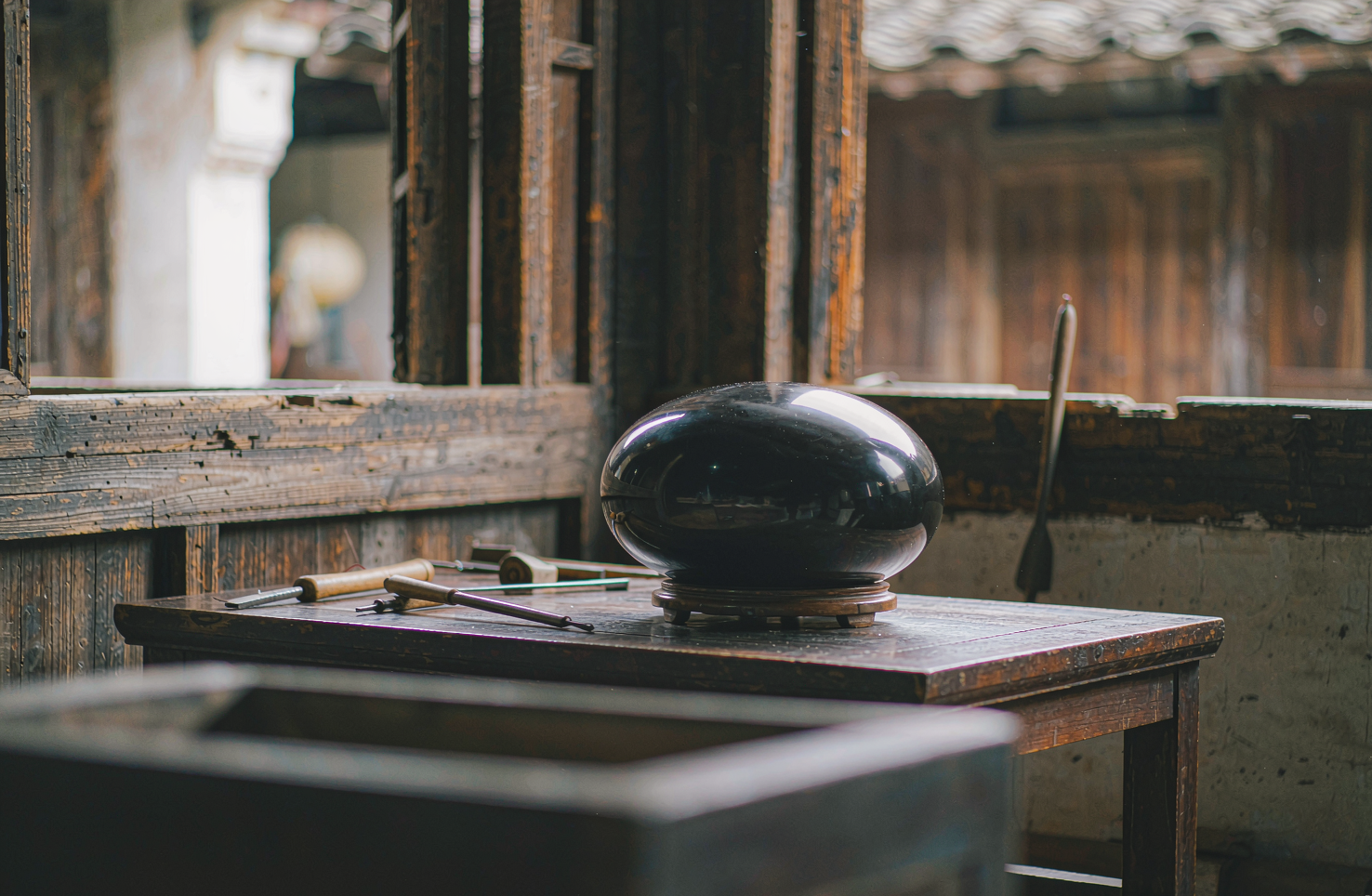
严选器物,看纹样、看款识、看证书,都是明面上的事。但有一道标准写不进任何参数表——上手。同一尺寸的两只漆盘,一只压手温润,一只轻飘干瘪,差别从何而来?这次把"分量"这件事拆开讲。说到底,重量是工序的记账本。
韵和鸣 · 2026/10/14 · 14 阅读
一件非遗手作凭什么"值":把时间的账算一遍
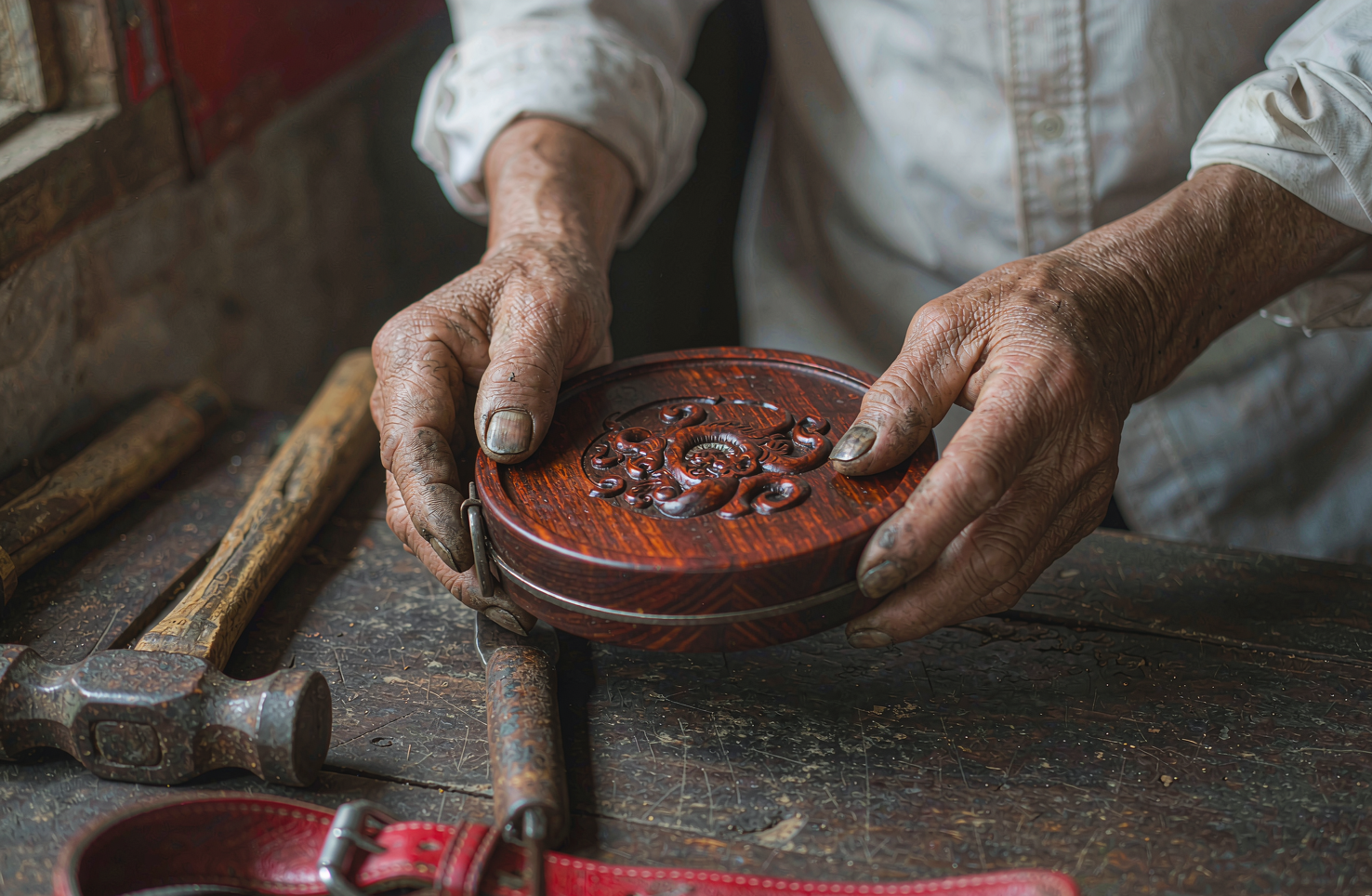
谈非遗手作,绕不开一个字:值。有人觉得贵得离谱,有人觉得便宜得可疑。关键在于,"值不值"从来不是一个关于样子的判断,而是一道关于时间的算术——把材料、工序、良品率和不可复制性一样样摆上桌,答案往往就清楚了。
韵和鸣 · 2026/10/9 · 11 阅读
一面屏风,如何成为一个家的「眼」
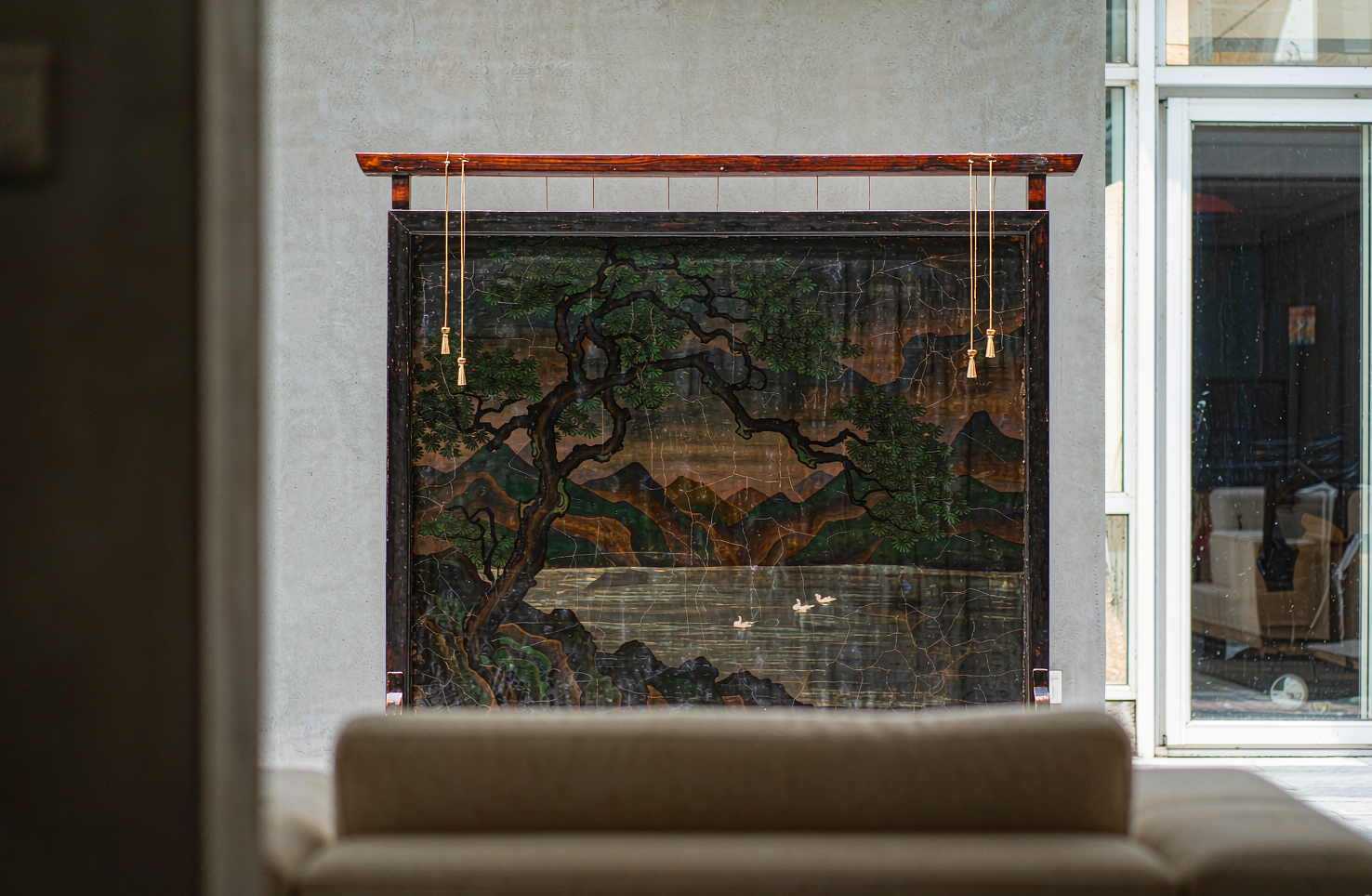
老房子里,屏风从来不只是挡一挡。它决定你一进门先看哪里。四面墙的屋子有了屏风,才像有了一个"眼"。
韵和鸣 · 2026/10/8 · 11 阅读
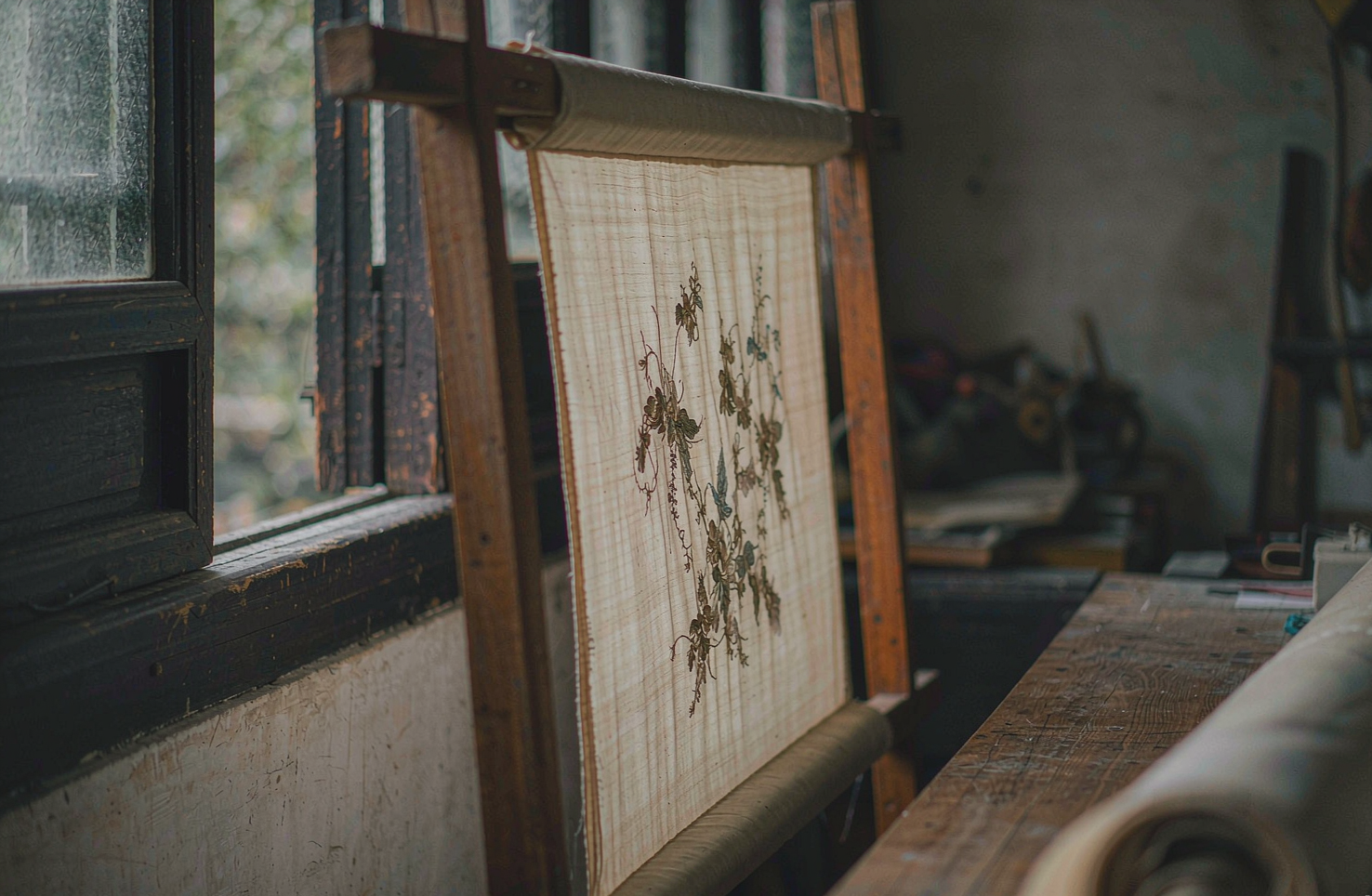
一枚苏绣绣片,丝光里藏着多少根丝
看一枚巴掌大的苏绣绣片,凑近了看,再凑近一点。你会发现它的光不是绣上去的,是"长"出来的——丝被劈到几乎看不见,一针一针顺着一个方向排,光就顺着丝走。说到底,苏绣的讲究,是从把一根丝线"拆开"那一刻开始的。
韵和鸣 · 2026/10/11 · 9 阅读
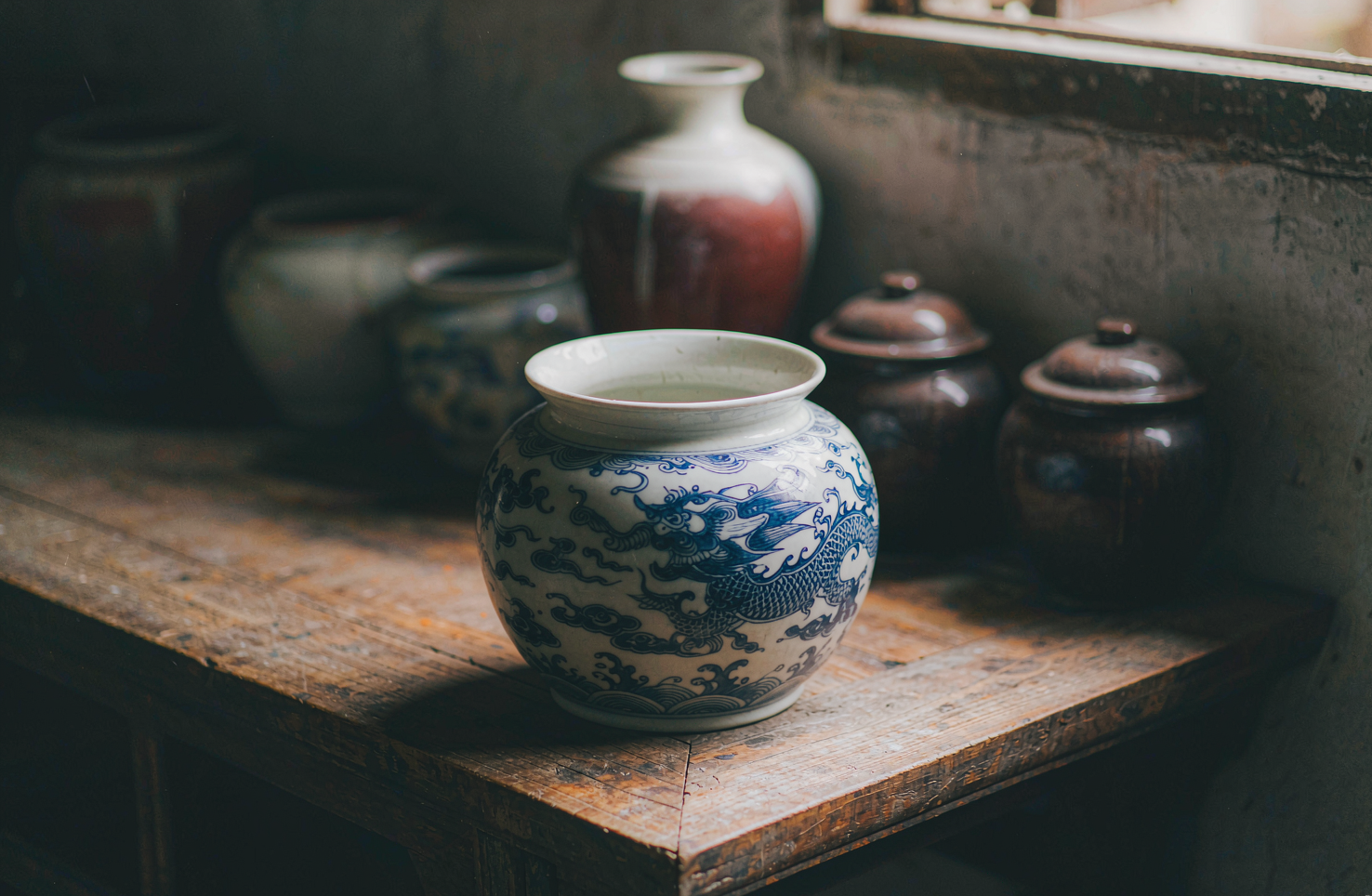
一盏博山琉璃:颜色是炉火给的,不是颜料调的
说到底,琉璃与玻璃的分界,不在透明不透明,而在颜色从哪来。在山东博山,一盏鸡油黄琉璃的颜色长在料里、生在炉里,出炉之后再不改色。这是严选录这一期想讲清楚的事。
韵和鸣 · 2026/10/12 · 8 阅读
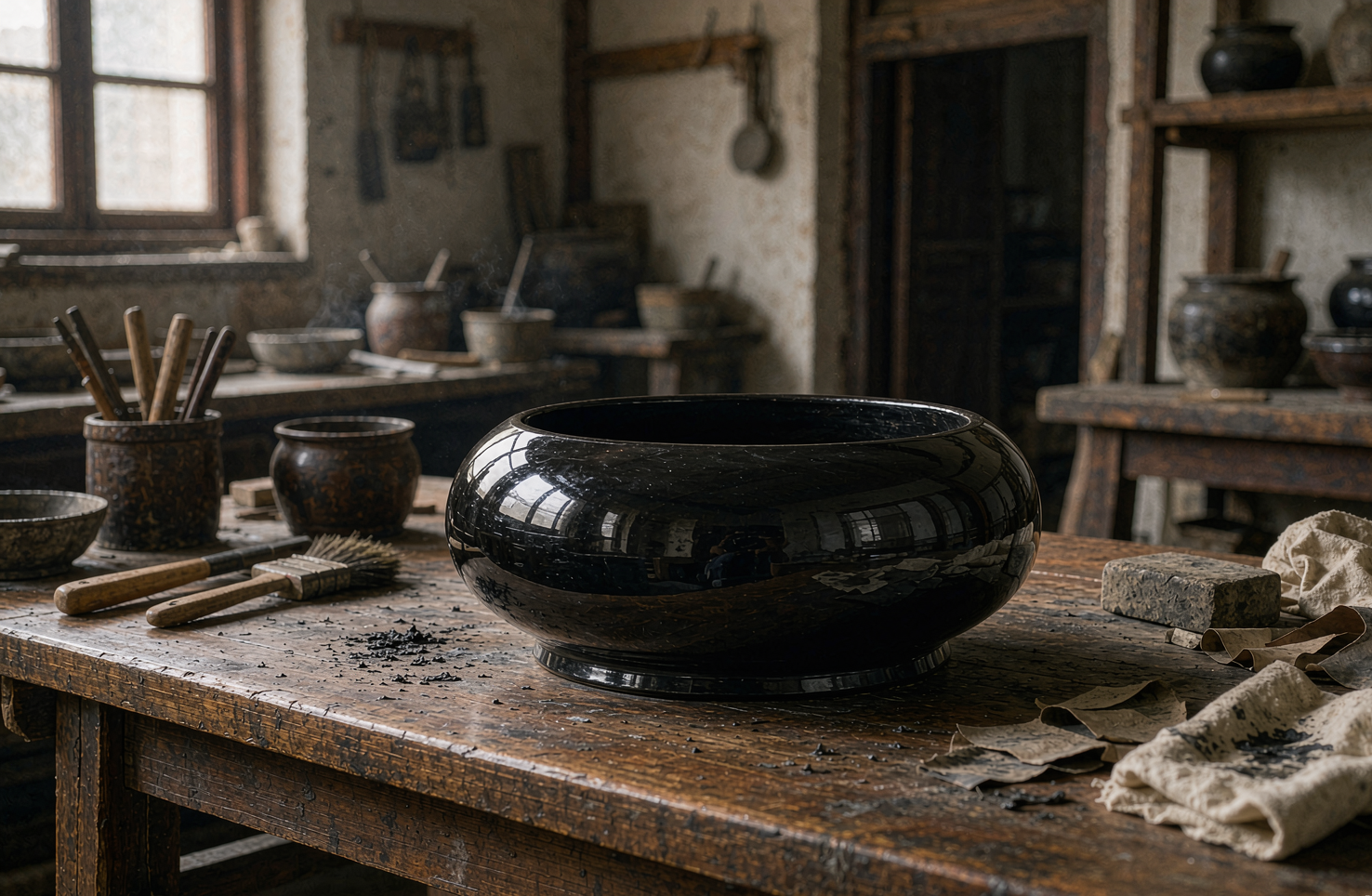
平金开黑:金与黑,为什么这么耐看
逛漆器店时,最容易让人停下来多看两眼的,往往不是花纹最密的那一件,而是一片黑底上的一线金。它克制得近乎安静,却比满身颜色更抓人。说到底,看懂了金与黑怎么相处,就看懂了漆器审美的一半。
韵和鸣 · 2026/10/10 · 6 阅读