一枚苏绣绣片,丝光里藏着多少根丝
韵和鸣 · 韵和鸣公众号 · 2026/10/11 12:00:00 · 10 阅读
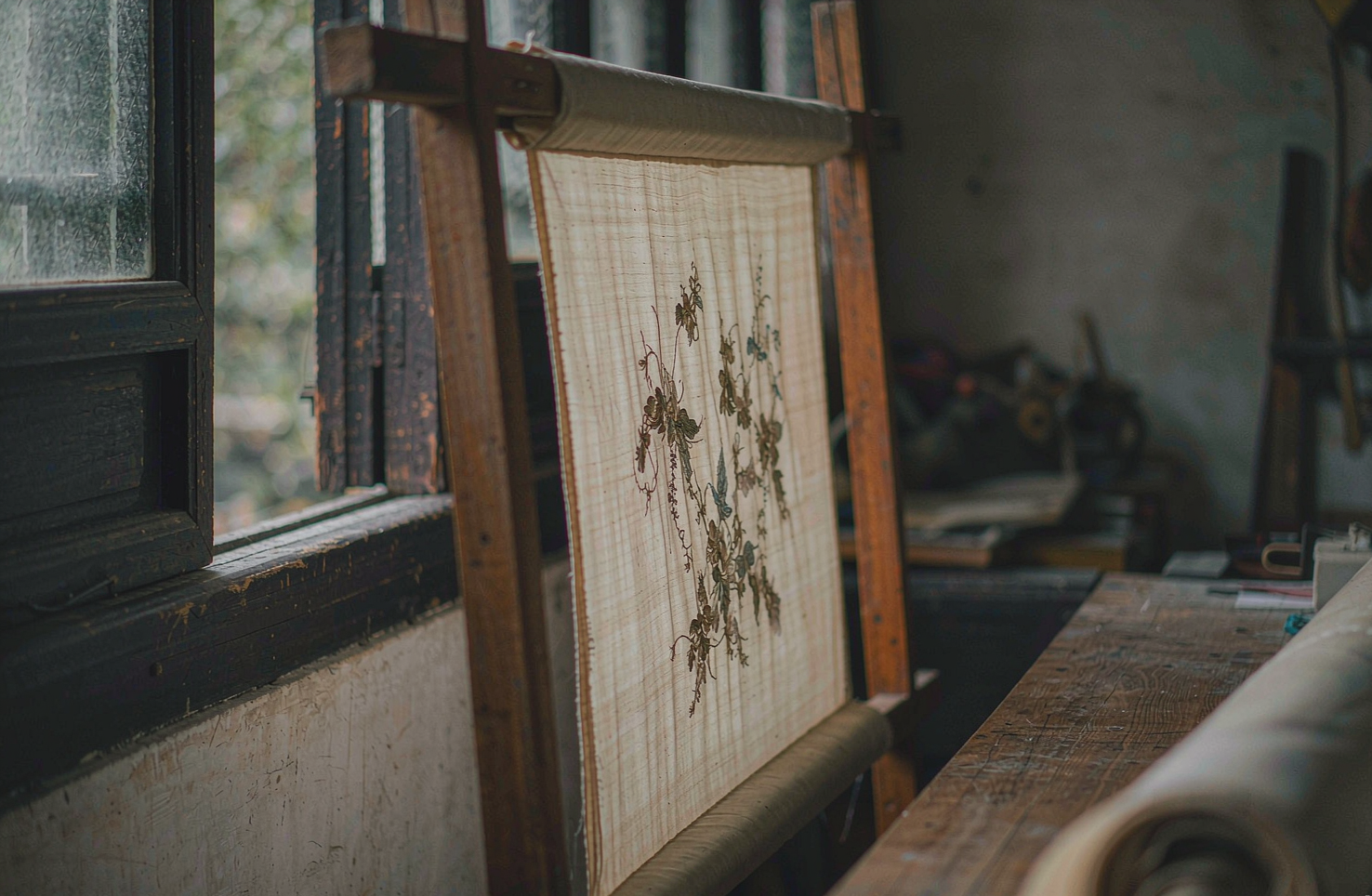
看一枚巴掌大的苏绣绣片,凑近了看,再凑近一点。你会发现它的光不是绣上去的,是"长"出来的——丝被劈到几乎看不见,一针一针顺着一个方向排,光就顺着丝走。说到底,苏绣的讲究,是从把一根丝线"拆开"那一刻开始的。
▍先把一根丝,劈成十六份
苏绣 2006 年列入国家级非物质文化遗产名录,产地江苏苏州。行内评价苏绣有八个字:平、齐、细、密、匀、顺、和、光——针脚平、边缘齐、用丝细、排针密、疏密匀、丝理顺、色调和、光泽明。八个字都不玄,但每个字都要靠手上的功夫去兑现。
功夫的头一道,叫劈丝。一根普通的蚕丝绣线,绣娘用指甲一剖、一捻,能分成两股、四股、八股,最细能劈到十几份乃至更细。劈出来的丝叫"绒",比头发丝还细,绣金鱼尾巴、绣猫毛、绣花瓣尖上那点透明,全靠它。
为什么要劈?因为丝越细,针脚越短,颜色的过渡就越看不出接缝。一片叶子从深绿到浅绿,不是两种绿的拼接,而是十几种绿丝一层层叠出来的渐变。看苏绣要凑近,原因就在这里——远看是一幅画,近看是一场丝的排列。
▍针法不是花样,是语言
苏绣的针法有几十种,齐针、乱针、打籽、盘金……名字听着像花样的目录,其实更像一套语言的词库。绣平面的花鸟用齐针,一根挨一根,排得整整齐齐;绣光影和油画感的题材用乱针,长短交叉,层层加色,远看浑然一体,近看万针交错。
难的不是学会,是选对。同一只鸟,羽翼用哪种针、眼眶用哪种针、爪子用哪种针,绣娘下针之前心里就有一整张图。老绣娘看一件作品,先看的不是题材,是丝理——丝往哪个方向走,光就往哪个方向走,物的体积感就是这么立起来的。
双面绣更是把这套功夫推到了顶处:同一块底料,两面出图,针脚藏在丝里,两面都看不出接线。这不是为了炫技,而是绣品本来就是要被人翻来覆去看的东西。
▍从绷架走下来,走进日常
这几年,绣片正在从墙上走下来。耳饰、香囊、团扇、胸针,越来越多的年轻手作人把小幅绣片裁下来,嵌进随身的小物件里——绣片饰品化,成了苏绣贴近日常的一条新路。小东西不贵,却是年轻人接近苏绣的低门槛入口:先戴上一小片丝光,再慢慢读懂一整幅绣。
但小不等于省事。巴掌大的绣片,工序一道不少:设计画稿、配线劈丝、上绷刺绣、落绷装裱。越是小件,越要在方寸里见功夫——一朵指甲盖大的花,花瓣上可能叠着七八种色。越小,越藏不住偷懒。
所以看一枚绣片,值不值得收,看的不是大小,是三样东西:丝劈得够不够细,针脚排得够不够顺,颜色过渡得够不够自然。这三样做到了,再小的一件,也是正经手艺。
▍问答
问 | 苏绣和机绣怎么区分?看哪里最准?
答 | 看背面和细节最准。手绣的背面针脚有起收的变化,不像机绣那样整齐划一;手绣用劈过的细丝,颜色过渡是一层层叠出来的,放大镜下能看到丝理的方向变化;机绣用线粗、针脚等长,远看像,近看死。还有一个土办法:手绣同一题材也难做到两件一模一样,件件相同的,多半是机器。
问 | 苏绣绣片做成的小饰品,日常佩戴要注意什么?
答 | 怕三样:怕水、怕晒、怕磨。真丝绣线沾了汗渍水渍容易留印,尽量别戴着洗手洗澡;长期暴晒丝光会发乌,收纳时避光;和粗糙衣物长期摩擦会起毛,戴完用软布轻拭收好。伺候好了,丝的亮光能陪很多年。
问 | 韵和鸣的"严选"到底严在哪?
答 | 严在三条:只选真正的非遗手工品,只和非遗传人本人合作,只收手工真作。机绣仿手绣的东西,哪怕便宜、哪怕远看像,也不在严选之列——器物要经得起凑近看。
▍说在最后
苏州人形容好绣品,爱说一个词:丝光。光不是锦上添花的东西,它是丝的排列被驯服之后,自然透出来的体面。一枚绣片是这样,一门手艺也是这样——先把最细的事做好,光自己会来。
📩 非遗项目 | 匠人举荐 | 跨境出海 | 线下联营
欢迎留言或后台联系,我们与匠人同行。
—— 韵和鸣 · 与匠人同行
〖 器 〗
相关搜索 | RELATED SEARCHES
苏绣 苏州 · 苏绣 劈丝 针法 · 苏绣小饰品 绣片 · 手绣 机绣 区别 · 双面绣
English
Suzhou embroidery was inscribed on the national list of intangible cultural heritage in 2006, from Suzhou, Jiangsu. Within the trade, eight characters define its quality: even, neat, fine, dense, uniform, aligned, harmonious, lustrous—flat stitches, clean edges, fine filaments, dense laying, even spacing, aligned grain, blended tones, bright sheen. None of these is mystical, but each must be honored by the hand.
The first of these skills is thread-splitting. With a flick of the fingernail and a twist, an embroiderer divides an ordinary silk thread into two, four, eight strands—at its finest, a dozen or more. The split filament, called "velvet," is finer than a strand of hair; it is what renders a goldfish's tail, a cat's fur, the translucent tip of a petal.
Why split? The finer the filament, the shorter each stitch, and the less visible the seam between colors. A leaf shading from deep to pale green is not two greens spliced together, but a gradient built up in layers of a dozen green filaments. This is why Suzhou embroidery invites a close look—from afar it reads as a painting; up close it is an arrangement of silk.
Suzhou embroidery commands dozens of stitch families—even stitch, random stitch, seed stitch, couched gold. The names sound like a catalog of patterns, but they are closer to the vocabulary of a language. Even stitch renders flat birds and flowers, one stitch tight against the next in perfect order; random stitch handles light and painterly subjects, long and short stitches crossing layer upon layer—coherent from a distance, a maze of needles up close.
The difficulty lies not in learning them but in choosing rightly. For the same bird, which stitch for the wing, which for the eye's rim, which for the claw—the embroiderer holds the whole map before the needle drops. When an old embroiderer judges a piece, she looks first not at the subject but at the grain of the silk: where the filaments run, the light runs; that is how volume rises out of flat cloth.
Double-sided embroidery pushes this skill to its limit: one ground fabric, images on both faces, the stitch ends buried inside the silk so neither side shows a knot. This is not virtuosity for its own sake—an embroidery was always meant to be turned over and over in the viewer's hands.
In recent years, embroidered pieces have been stepping down from the wall. Earrings, sachets, round fans, brooches—more and more young makers cut small embroidered panels and set them into everyday objects. The jewelry-ization of embroidered panels has become a new path for Suzhou embroidery to enter daily life. These small things are affordable, and they lower the threshold for the young: wear a small patch of silk sheen first, then slowly learn to read a whole embroidery.
Small, however, does not mean simple. A palm-sized panel skips none of the steps: drafting the design, matching and splitting threads, mounting the frame, embroidering, unmounting and finishing. The smaller the piece, the more skill must show within an inch—a flower the size of a fingernail may layer seven or eight colors in its petals. The smaller it is, the less room there is to hide laziness.
So when judging whether a small embroidered piece is worth keeping, size is not the measure—three things are: whether the silk is split fine enough, whether the stitches run aligned enough, whether the colors shade naturally enough. With those three in place, the smallest object is still serious craft.
How can one distinguish Suzhou hand embroidery from machine embroidery?
The back and the details are the surest tells. The reverse of hand embroidery shows variation where stitches begin and end, unlike the mechanical uniformity of machine work; hand embroidery uses split filaments, building color in layers, and a magnifier reveals the changing direction of the silk grain; machine embroidery uses thicker thread and equal-length stitches—convincing from afar, lifeless up close. A rule of thumb: handwork can hardly repeat a subject twice exactly; pieces identical to one another are usually machine-made.
What should one mind when wearing small accessories made with Suzhou embroidery?
Three enemies: water, sun and abrasion. Silk threads stain easily with sweat and water—take pieces off before washing; long exposure to sunlight dulls the sheen, so store away from light; constant rubbing against coarse fabric raises fuzz—wipe gently with a soft cloth after wearing. Treated well, the luster of silk will stay with you for years.
What exactly makes YUNHEMING's "curated selection" strict?
Strict in three ways: only authentic heritage handcrafts, only direct collaboration with the bearers themselves, only genuine handwork. Machine embroidery imitating hand embroidery—however cheap, however convincing from a distance—does not pass this selection. An object must withstand a close look.
Suzhou people have a favorite word for fine embroidery: silk sheen. Sheen is not decoration added on top; it is the quiet dignity that shows through once the arrangement of silk has been fully tamed. So it is with an embroidered panel, and so it is with a craft—do the finest work first, and the light will come by itself.
ICH Projects · Artisan Referrals · Global Distribution · Salon Partnerships
你可能还感兴趣
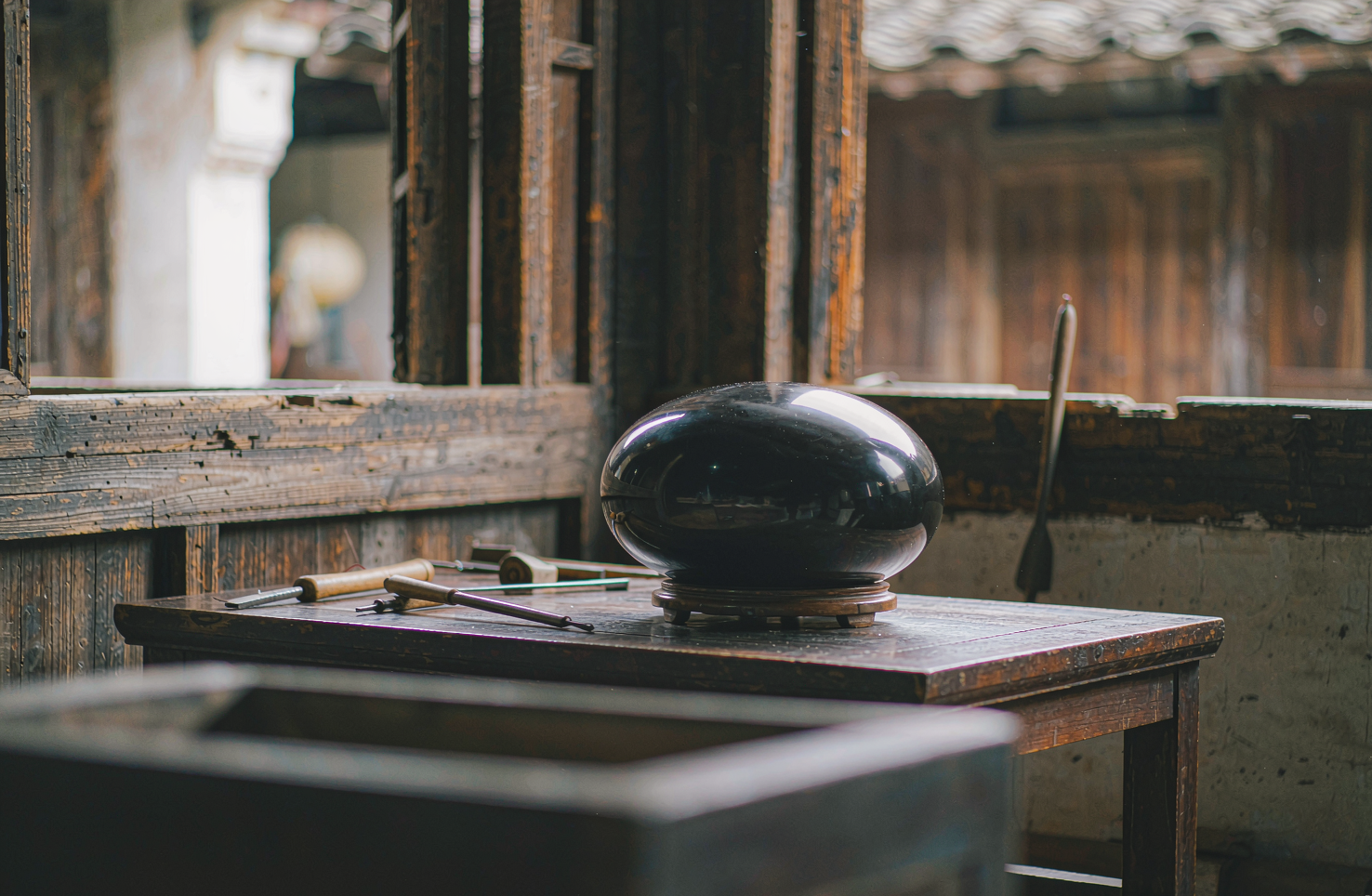
一件漆器该有多重,手感不会说谎
严选器物,看纹样、看款识、看证书,都是明面上的事。但有一道标准写不进任何参数表——上手。同一尺寸的两只漆盘,一只压手温润,一只轻飘干瘪,差别从何而来?这次把"分量"这件事拆开讲。说到底,重量是工序的记账本。
韵和鸣 · 2026/10/14 · 14 阅读
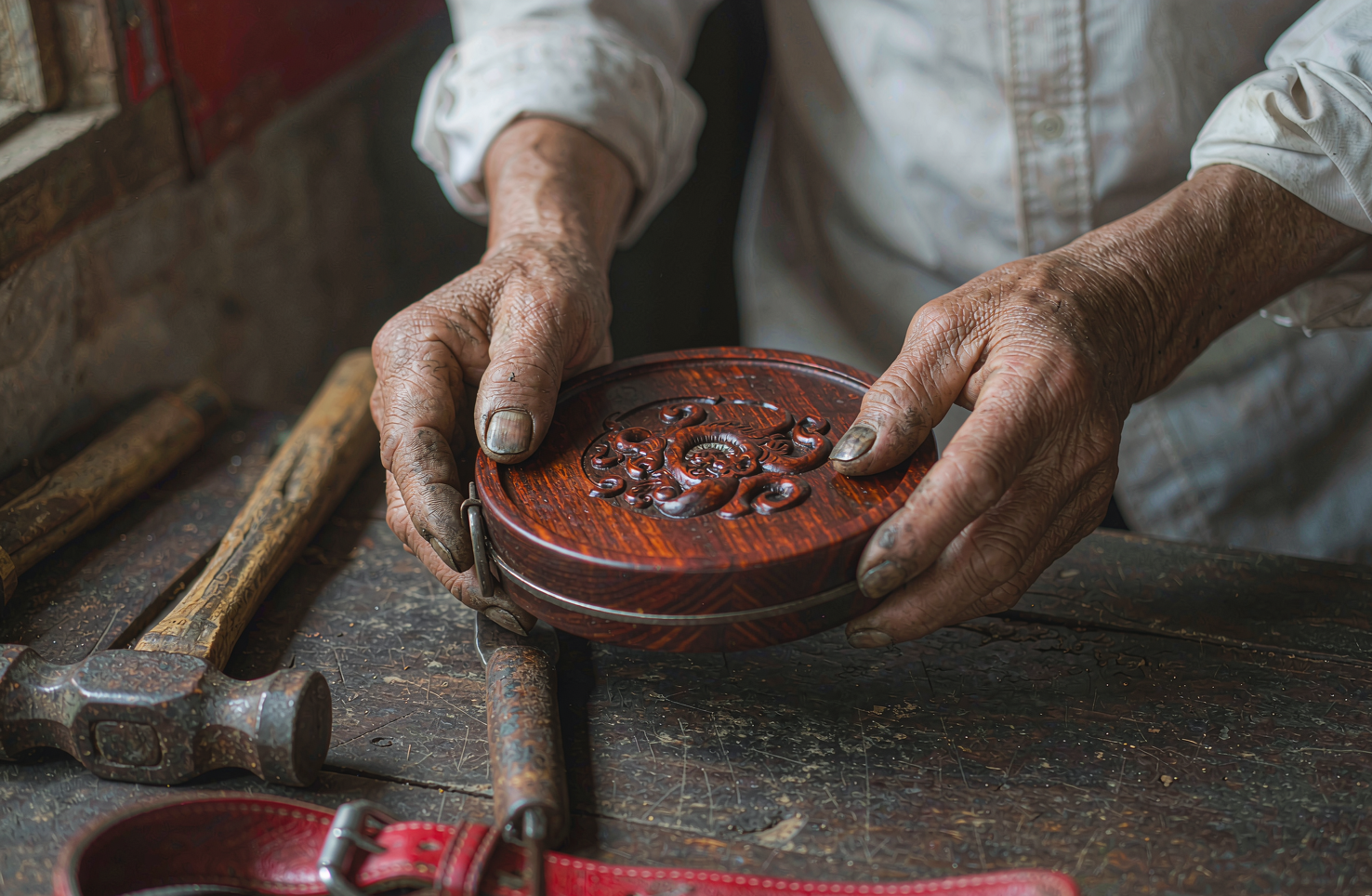
一件非遗手作凭什么"值":把时间的账算一遍
谈非遗手作,绕不开一个字:值。有人觉得贵得离谱,有人觉得便宜得可疑。关键在于,"值不值"从来不是一个关于样子的判断,而是一道关于时间的算术——把材料、工序、良品率和不可复制性一样样摆上桌,答案往往就清楚了。
韵和鸣 · 2026/10/9 · 11 阅读
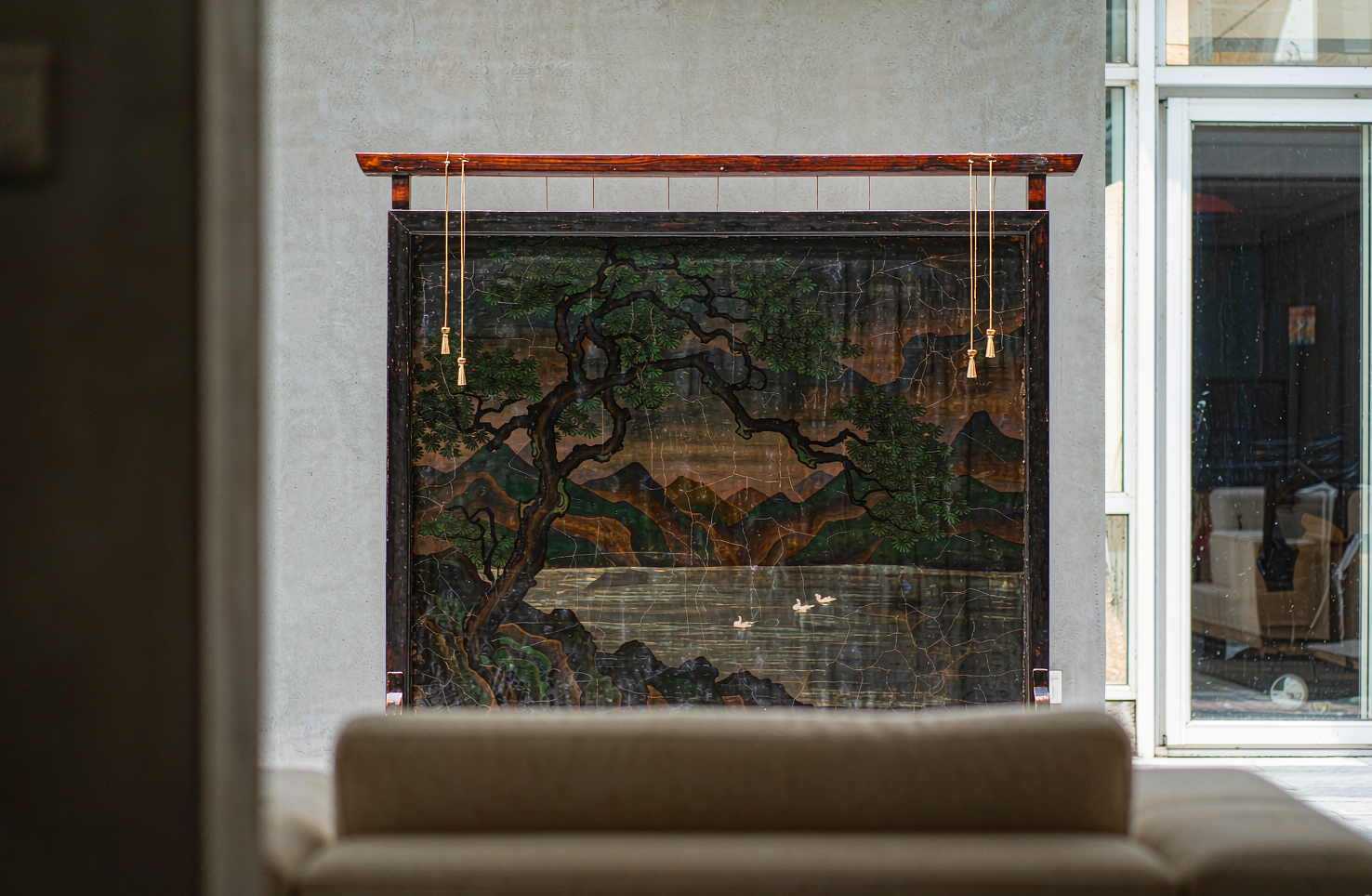
一面屏风,如何成为一个家的「眼」
老房子里,屏风从来不只是挡一挡。它决定你一进门先看哪里。四面墙的屋子有了屏风,才像有了一个"眼"。
韵和鸣 · 2026/10/8 · 11 阅读
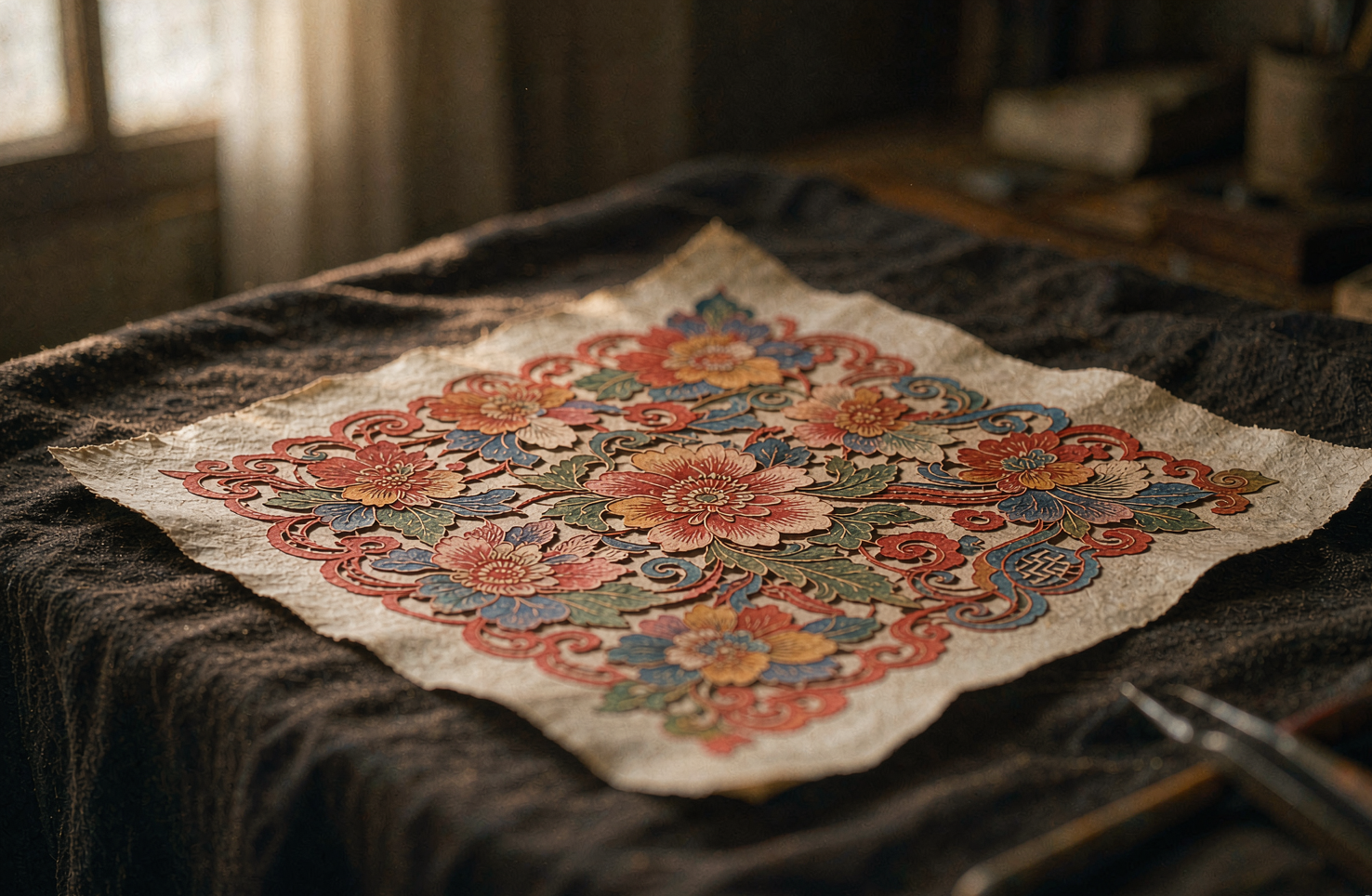
一张蔚县剪纸,彩色的刻刀活
严选录这一期看一张不太一样的剪纸:它不用剪刀,用刻刀;不止红色,还带着点染出来的粉与绿。河北张家口蔚县的剪纸,是剪纸大家族里"反着来"的一支——别处以剪为主、以红为正,蔚县以刻代剪、以点彩上色。说到底,这两个"反着来"的本质,是蔚县人把剪纸从窗前的女红,做成了作坊里的分工手艺:看懂了这一点,才算看懂了这张纸。
韵和鸣 · 2026/10/13 · 10 阅读
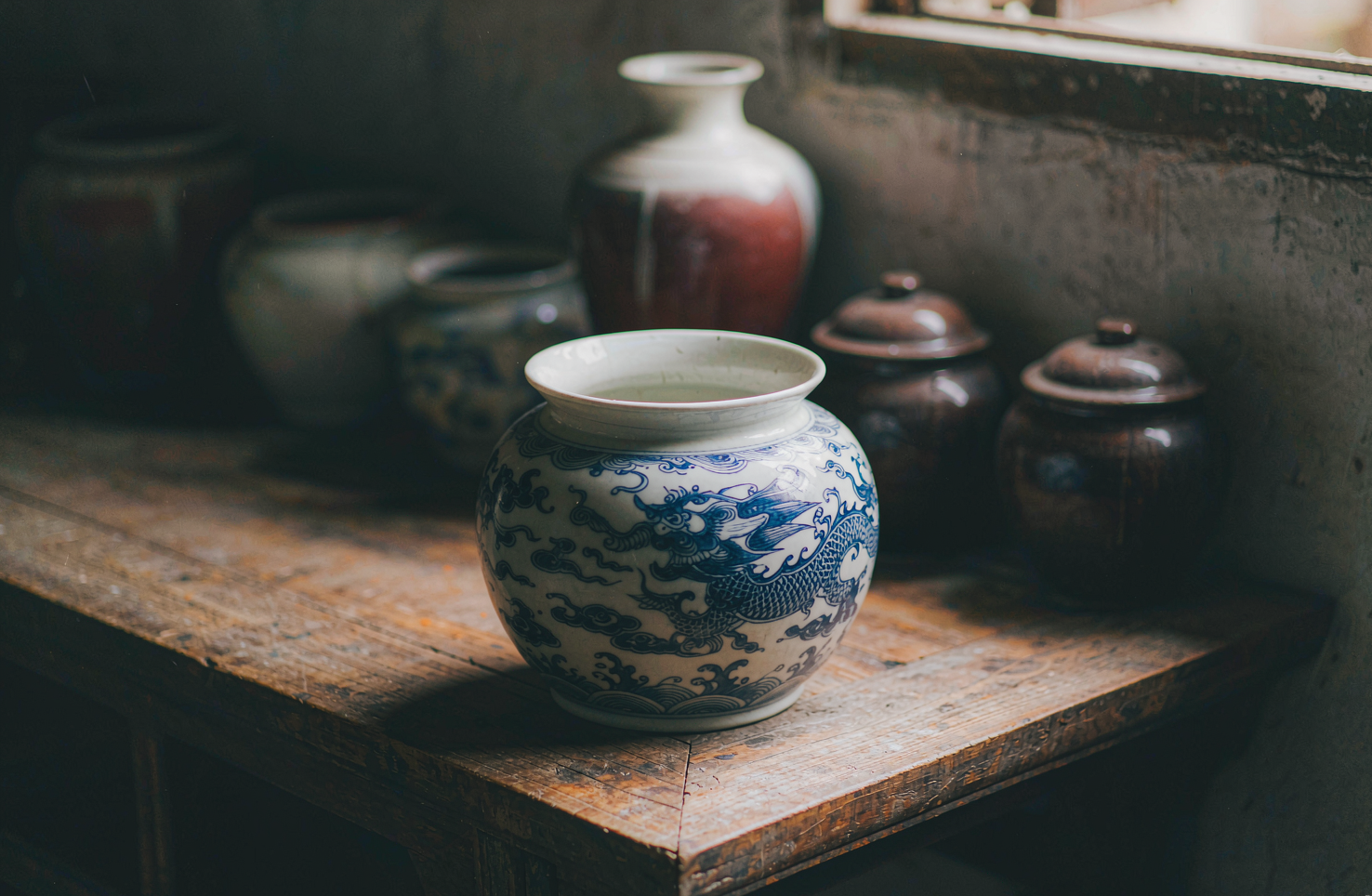
一盏博山琉璃:颜色是炉火给的,不是颜料调的
说到底,琉璃与玻璃的分界,不在透明不透明,而在颜色从哪来。在山东博山,一盏鸡油黄琉璃的颜色长在料里、生在炉里,出炉之后再不改色。这是严选录这一期想讲清楚的事。
韵和鸣 · 2026/10/12 · 9 阅读
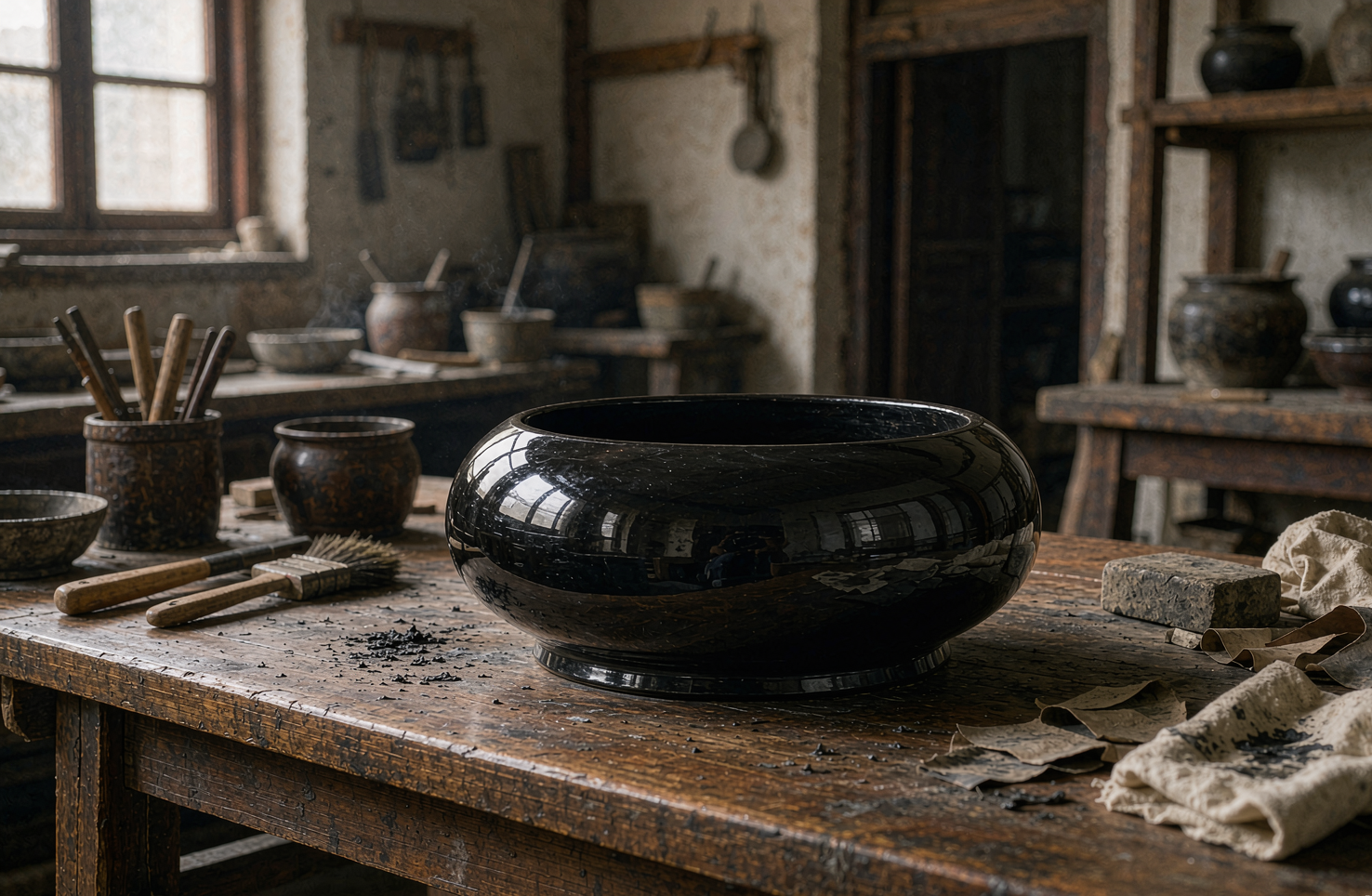
平金开黑:金与黑,为什么这么耐看
逛漆器店时,最容易让人停下来多看两眼的,往往不是花纹最密的那一件,而是一片黑底上的一线金。它克制得近乎安静,却比满身颜色更抓人。说到底,看懂了金与黑怎么相处,就看懂了漆器审美的一半。
韵和鸣 · 2026/10/10 · 6 阅读