一盏博山琉璃:颜色是炉火给的,不是颜料调的
韵和鸣 · 韵和鸣公众号 · 2026/10/12 12:00:00 · 9 阅读
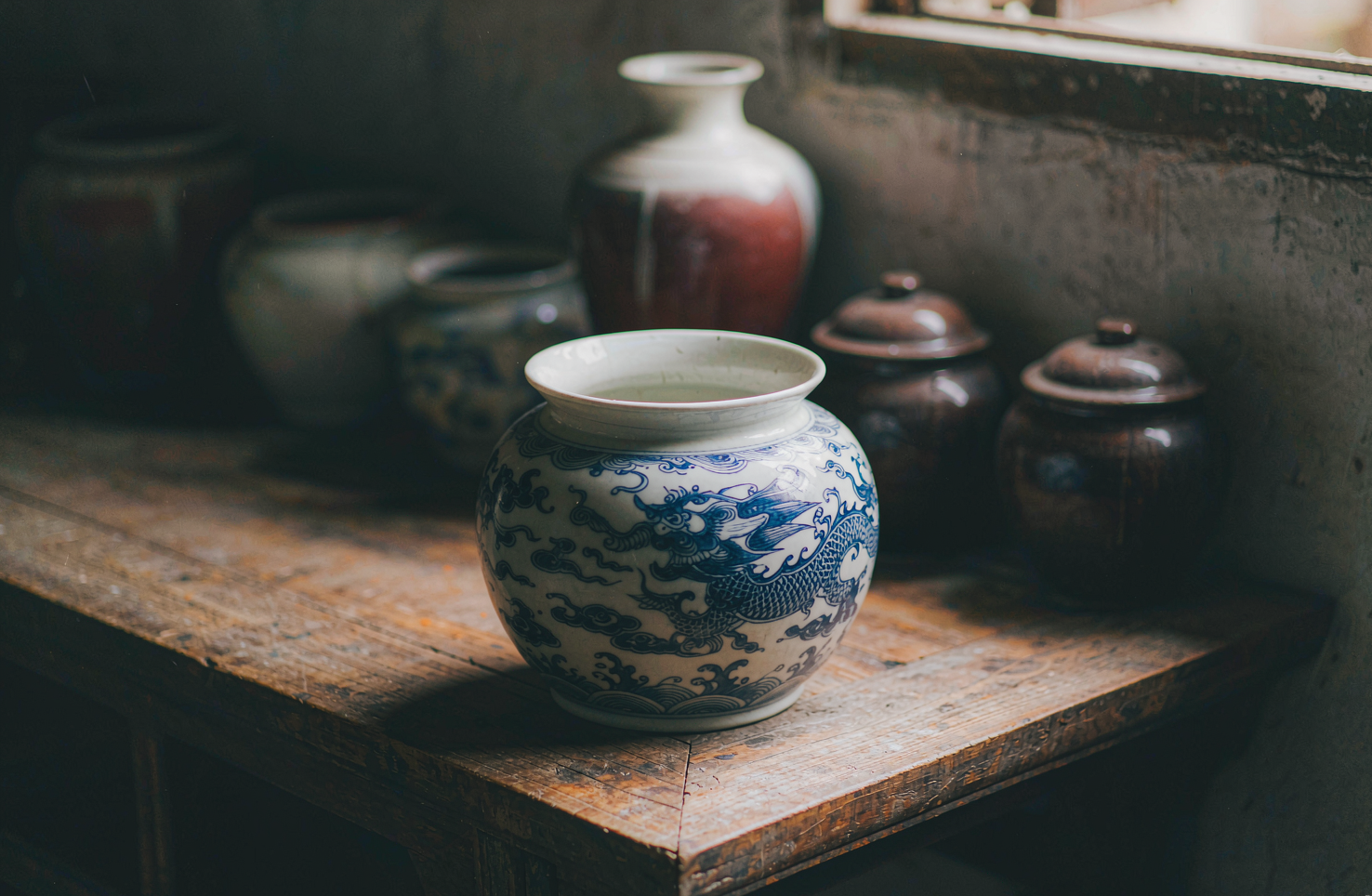
说到底,琉璃与玻璃的分界,不在透明不透明,而在颜色从哪来。在山东博山,一盏鸡油黄琉璃的颜色长在料里、生在炉里,出炉之后再不改色。这是严选录这一期想讲清楚的事。
▍颜神镇的炉火
博山旧称颜神镇,属淄博。琉璃行里有句话:"世界琉璃看中国,中国琉璃看博山。"这话说得满,却不是空口白话——明嘉靖年间的《青州府志》里就有"琉璃器出颜神镇"的记载,四百多年前的方志,替这座小镇立了字据。
明代,博山产的琉璃珠串成帘,是朝廷祭祖祭天用的"青帘";到了清代,宫廷造办处做琉璃贡品,原料和工匠都从博山调。炉火在这座山城里烧了几百年,烧成了一个产业的地名。
博山琉璃烧制技艺于 2014 年列入国家级非物质文化遗产名录;明代嘉靖年间《青州府志》已有"琉璃器出颜神镇"的记载。(博山区人民政府,非遗项目统计表)
▍颜色是配出来的,更是火候给的
博山琉璃用的多是当地矿石:马牙石、紫石、凌石,配上硝,在炉里化成料。名贵色料有一串土名字——鸡油黄、鸡肝石、亮红、洋青。最金贵的是鸡油黄:黄得温润,像一层化开的鸡油,迎光不刺眼,转着看有厚度。
但这黄不是漆上去的。金属着色剂按方子配进料里,成不成,最后看火。同一炉料,温度差一口气,出来的黄就发闷、发暗。老师傅守在炉口,凭眼睛判断那一瞬——挑料的杆子伸进去,转、裹、提,快慢都是分寸。所以鸡油黄名贵:贵在配方,更贵在十炉里未必炉炉都成。
也因此,同款的鸡油黄盏,没有两只黄得一模一样。配方可以传,火候难传——老师傅眼里"差一口气"的黄,年轻人要再烧许多炉才能领会。这份微妙,机器给不了。
▍一千多度的手上活
炉口一千多度,人贴着它干活。化料、挑料、吹制、塑型,一件器物在几十秒里定型——料凉得快,手慢半拍,这盏就废了。吹一只碗、一盏杯,靠的是嘴里的气、腕上的稳、眼里的准,三样凑齐,才有一只壁薄而匀的器皿。
也因为这样,手工琉璃没有"完全一样的两只"。同一双手、同一天、同一炉料,吹出来的两只盏,弧度和流纹仍各有各的性子。这不是瑕疵,是手作的指纹。
▍炉火之外的两门手上活
博山琉璃不只有大炉。灯工取细细的料条,在喷灯的火焰上边烤边塑,一朵花、一只小兽,在方寸之间慢慢长成;内画更是绝活——特制的弯笔探进鼻烟壶细小的瓶口,在拇指肚大的内壁上反向作画,正着看是山水花鸟,反着画的全是功夫。这两门手上活,让琉璃从器皿走进了掌上。
▍严选视角:一盏琉璃怎么看
看三处。一看色正不正:好料子的颜色是"沉"在器壁里的,转动时匀净不发死;二看过渡:手工吹制的器身上常有自然流纹和细小气泡,分布松散、有呼吸感;三看口沿和壁厚:薄而匀是吹制功夫,厚薄不均是料没吃透。若还嫌不够,加一条看底足——打磨圆润、上手不割,是收尾处的耐心。颜色、过渡、厚薄,三样都对,这盏琉璃才算过关。
▍问答
问 | 博山琉璃是什么?和普通玻璃器皿有什么区别?
答 | 博山琉璃是山东淄博博山出产的传统手工琉璃,2014 年其烧制技艺列入国家级非物质文化遗产名录。区别在两处:一是色料——名贵颜色配在料里、成于炉火,而非表面施色;二是成型——手工挑料吹制,一器一模样的流纹与气孔是手作的痕迹。
问 | 鸡油黄琉璃为什么贵?
答 | 贵在成色难。着色配方与炉温火候都要恰到好处,温度差一点,黄色就发闷发暗;一炉料里能挑出的正色件数有限。颜色又是长在料里的,不褪、不掉、不假——这份"稳",是它金贵的根由。
问 | 韵和鸣挑器物时,"严选"到底挑什么?
答 | 挑三样:是不是真正的非遗手工品,是不是匠人亲手做的,工序守没守住传统做法。琉璃看得见流纹,漆器看得见掌光——凡是机器压模、流水线出的东西,样子再像,也进不了严选的门槛。
📩 非遗项目 | 匠人举荐 | 跨境出海 | 线下联营
欢迎留言或后台联系,我们与匠人同行。
—— 韵和鸣 · 与匠人同行
〖 器 〗
相关搜索 | RELATED SEARCHES
博山琉璃 · 鸡油黄琉璃 · 琉璃烧制技艺 非遗 · 博山琉璃怎么挑 · 韵和鸣 严选
English
Boshan was once called Yanshen Town, under Zibo. In the trade there is a saying: "For glass, the world looks to China; for Chinese glass, look to Boshan." Bold words, but not empty ones—the Jiajing-era Gazetteer of Qingzhou Prefecture already recorded that "glassware comes from Yanshen Town." A county chronicle some four centuries old stands witness for this small town.
In the Ming dynasty, Boshan's glass beads were strung into the "green curtains" used at imperial sacrifices; under the Qing, the palace workshops sourced both materials and craftsmen from Boshan for tribute glassware. Fires have burned in this mountain town for centuries, burning a place-name into an industry.
The Boshan glassmaking technique was inscribed on the national list of intangible cultural heritage in 2014, and the Jiajing-era Gazetteer of Qingzhou Prefecture had already noted that glassware came from Yanshen Town. (Boshan District People's Government, ICH inventory)
Boshan glass draws on local stones—ma-ya stone, zi stone and others, with nitre—melted in the furnace. Its prized colors answer to homely names: chicken-oil yellow, chicken-liver stone, bright red, ocean blue. The dearest is the yellow: warm as melted chicken fat, gentle against the light, deep when turned.
Yet this yellow is never painted on. Metallic colorants are blended into the batch by recipe, but whether they take is decided by the fire. One breath of temperature off, and the yellow comes out dull. The masters watch at the furnace mouth and judge that instant by eye—the iron rod goes in, turning, gathering, lifting, every pace a matter of measure. Hence the price of the yellow: in the recipe, and even more in the fact that not every furnace in ten will yield it.
And so no two cups of the same honey-yellow are ever quite alike. The recipe can be handed down; the fire's timing cannot—the yellow an old master calls "a breath short" takes a young blower many more furnaces to understand. That subtlety is something no machine can give.
The furnace mouth burns above a thousand degrees, and people work pressed against it. Melting, gathering, blowing, shaping—a piece sets within tens of seconds, for the glass cools fast; a slow half-beat and the cup is ruined. Blowing a bowl or a cup takes breath, steady wrists and a sure eye, all three together, for walls thin and even.
And that is why no two pieces of hand-blown glass are ever identical. The same hands, the same day, the same batch—two cups still come out with arcs and flow-lines of their own temper. Not flaws; fingerprints.
Boshan glass is more than the great furnace. Lampworkers take slender rods of glass and shape them over a torch's flame—a flower, a little beast, growing inch by inch within a palm's reach; and inside-painting is stranger still: a bent brush slips through the narrow mouth of a snuff bottle and paints backward on an inner wall the size of a thumb pad—landscapes and birds seen one way, painted the other. These two crafts carried glass from vessels into the palm of the hand.
Three things to read. First, the color: in fine work it "settles" in the wall, even and alive as the piece turns. Second, the transitions: hand-blown bodies carry natural flow-lines and scattered fine bubbles, loosely spread, breathing. Third, the rim and the wall: thin and even shows blowing skill, uneven thickness shows the batch was not fully worked. If you want a fourth, read the foot—smoothly finished, never sharp to the touch, it shows patience at the last step. Color, transition, thickness—all three right, and the piece passes.
What is Boshan glass, and how does it differ from ordinary glassware?
Boshan glass is the traditional hand-made glass of Boshan, Zibo, Shandong, whose firing technique joined the national intangible cultural heritage list in 2014. Two things set it apart: the color—precious hues are blended into the batch and born of the furnace, not applied to the surface; and the forming—hand-gathered and hand-blown, so the flow-lines and bubbles of each piece are the marks of the hand.
Why is chicken-oil yellow glass so prized?
Because the color is hard to land. The colorant recipe and the furnace heat must both be exact; a shade off and the yellow turns dull, and only so many true-colored pieces can be gathered from one melt. The color also lives in the material itself—no fading, no flaking, no faking—and that steadiness is the root of its worth.
What does YUNHEMING's "curated selection" actually select for?
Three things: whether it is genuine heritage handcraft, whether it comes from an artisan's own hands, and whether the processes honor tradition. In glass you read the flow-lines; in lacquer, the palm-polished sheen—anything mold-cast or line-made, however alike, does not pass the gate.
ICH Projects · Artisan Referrals · Global Distribution · Salon Partnerships
你可能还感兴趣
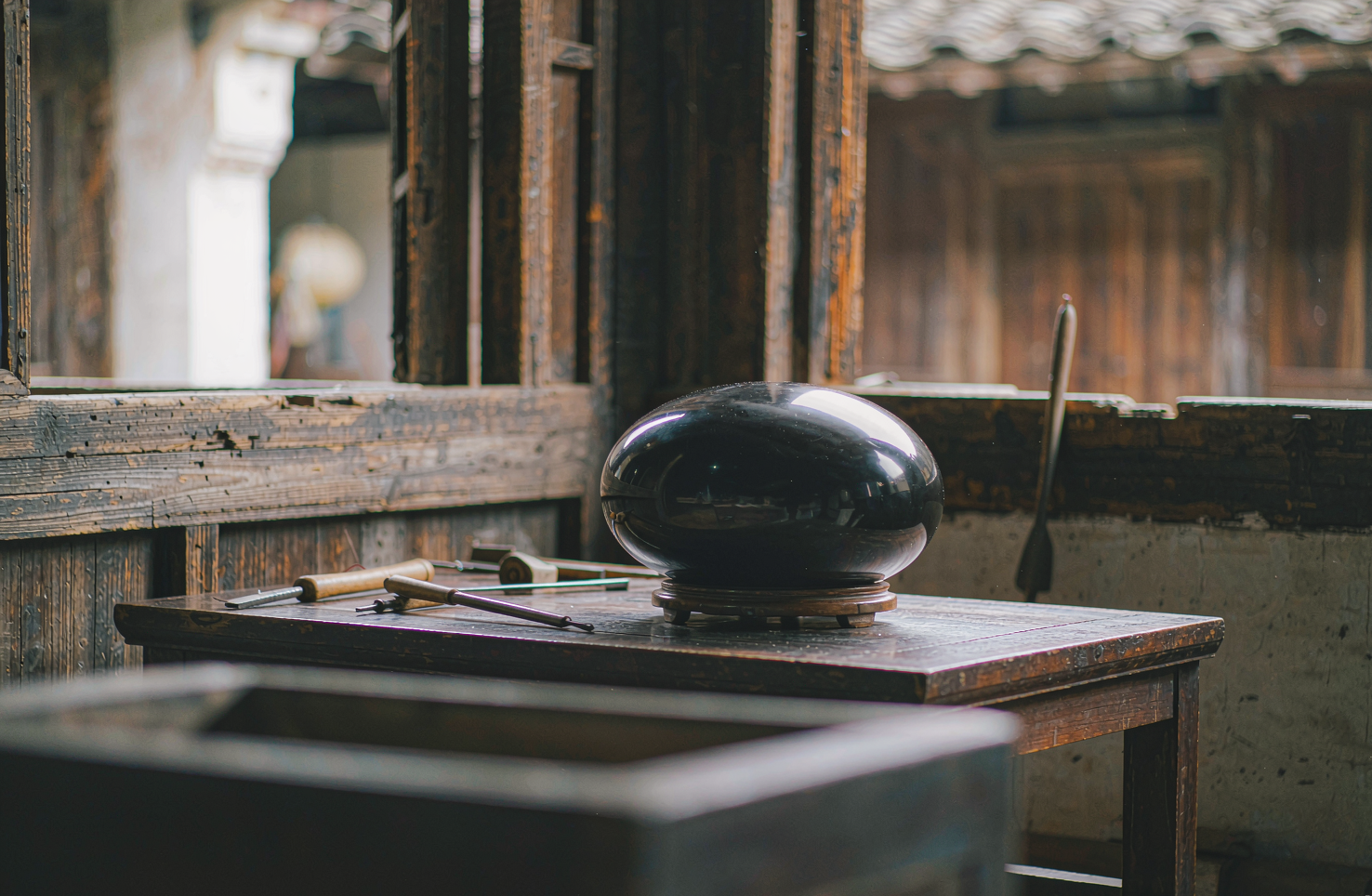
一件漆器该有多重,手感不会说谎
严选器物,看纹样、看款识、看证书,都是明面上的事。但有一道标准写不进任何参数表——上手。同一尺寸的两只漆盘,一只压手温润,一只轻飘干瘪,差别从何而来?这次把"分量"这件事拆开讲。说到底,重量是工序的记账本。
韵和鸣 · 2026/10/14 · 14 阅读
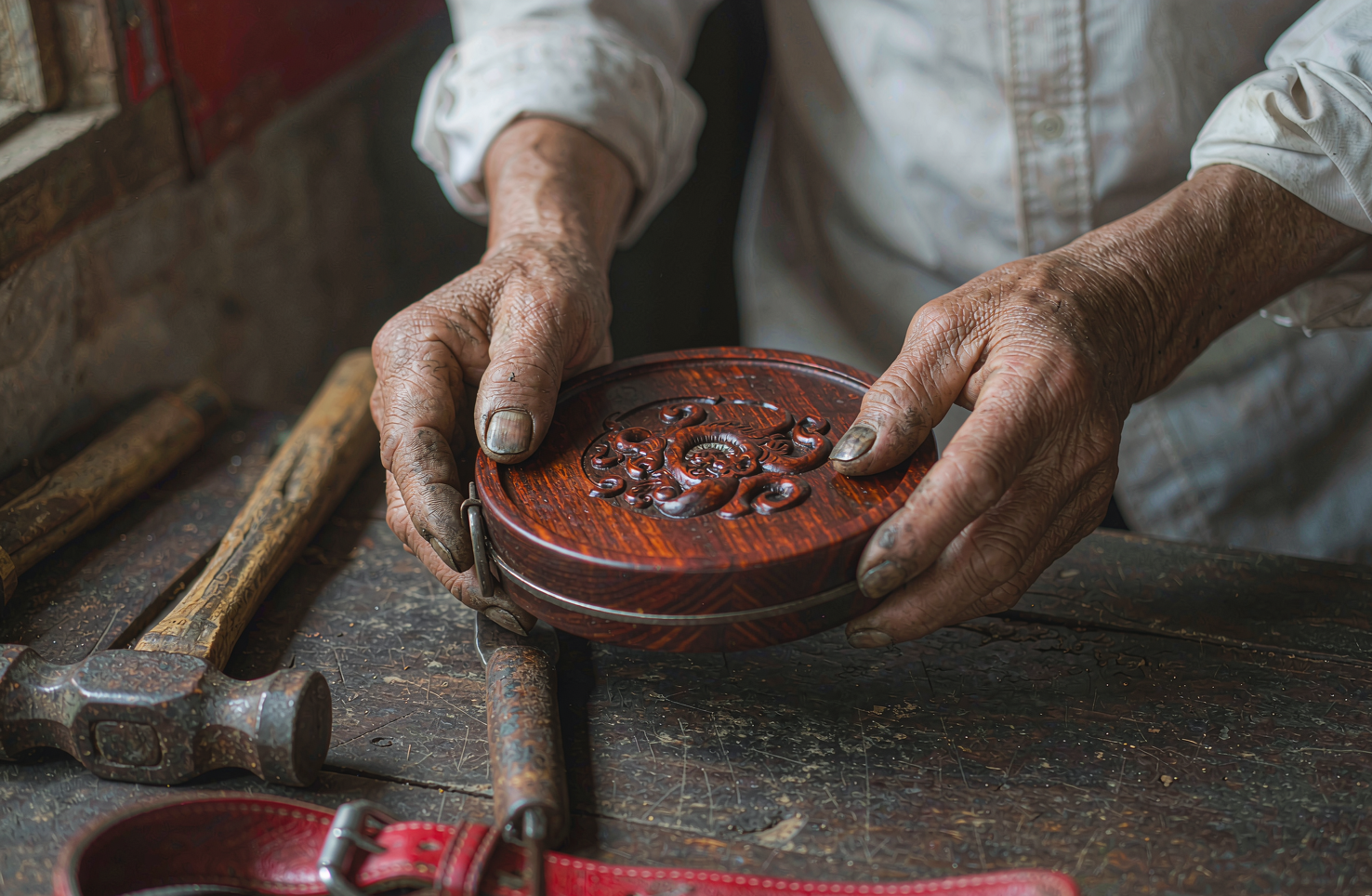
一件非遗手作凭什么"值":把时间的账算一遍
谈非遗手作,绕不开一个字:值。有人觉得贵得离谱,有人觉得便宜得可疑。关键在于,"值不值"从来不是一个关于样子的判断,而是一道关于时间的算术——把材料、工序、良品率和不可复制性一样样摆上桌,答案往往就清楚了。
韵和鸣 · 2026/10/9 · 11 阅读
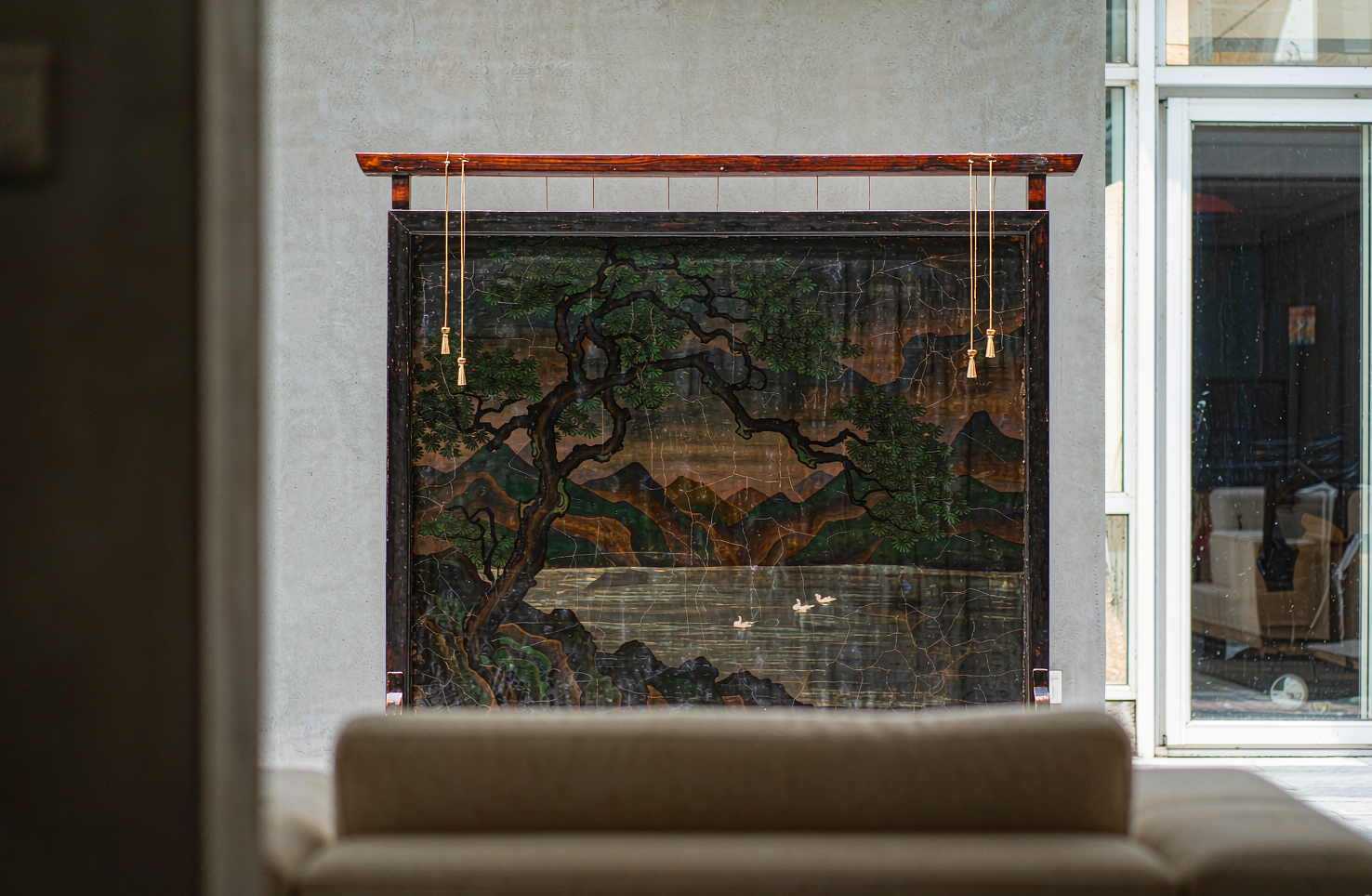
一面屏风,如何成为一个家的「眼」
老房子里,屏风从来不只是挡一挡。它决定你一进门先看哪里。四面墙的屋子有了屏风,才像有了一个"眼"。
韵和鸣 · 2026/10/8 · 11 阅读
一张蔚县剪纸,彩色的刻刀活
严选录这一期看一张不太一样的剪纸:它不用剪刀,用刻刀;不止红色,还带着点染出来的粉与绿。河北张家口蔚县的剪纸,是剪纸大家族里"反着来"的一支——别处以剪为主、以红为正,蔚县以刻代剪、以点彩上色。说到底,这两个"反着来"的本质,是蔚县人把剪纸从窗前的女红,做成了作坊里的分工手艺:看懂了这一点,才算看懂了这张纸。
韵和鸣 · 2026/10/13 · 10 阅读
一枚苏绣绣片,丝光里藏着多少根丝
看一枚巴掌大的苏绣绣片,凑近了看,再凑近一点。你会发现它的光不是绣上去的,是"长"出来的——丝被劈到几乎看不见,一针一针顺着一个方向排,光就顺着丝走。说到底,苏绣的讲究,是从把一根丝线"拆开"那一刻开始的。
韵和鸣 · 2026/10/11 · 9 阅读
平金开黑:金与黑,为什么这么耐看
逛漆器店时,最容易让人停下来多看两眼的,往往不是花纹最密的那一件,而是一片黑底上的一线金。它克制得近乎安静,却比满身颜色更抓人。说到底,看懂了金与黑怎么相处,就看懂了漆器审美的一半。
韵和鸣 · 2026/10/10 · 6 阅读