一件非遗手作凭什么"值":把时间的账算一遍
韵和鸣 · 韵和鸣公众号 · 2026/10/9 12:00:00 · 12 阅读
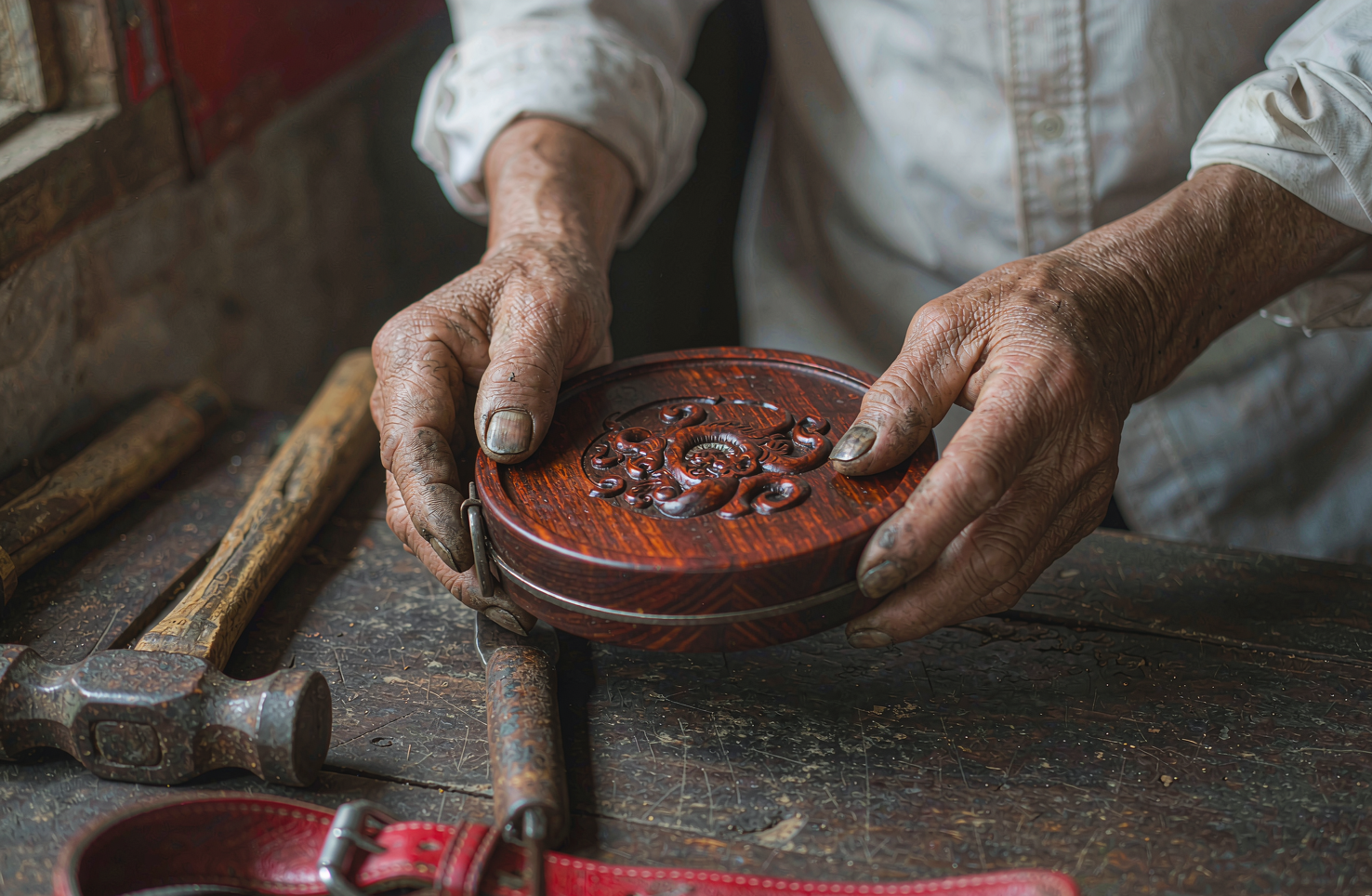
谈非遗手作,绕不开一个字:值。有人觉得贵得离谱,有人觉得便宜得可疑。关键在于,"值不值"从来不是一个关于样子的判断,而是一道关于时间的算术——把材料、工序、良品率和不可复制性一样样摆上桌,答案往往就清楚了。
▍先看材料:一斤漆要走多少路
大漆不是化工原料,它从漆树上采下来。割漆人之间,有一句流传很广的行话:
"百里千刀一斤漆"——走很远的山路,在树上割上千刀,才收到一斤生漆。
这只是开头。生漆采收有季节性,产量看天,好漆难得。而漆器的工序又极耗材料——刮灰、髹涂要一层层来,每一层都得等它阴干。于是材料的成本里,其实早就压进了一段很长的等待。
▍再看工序:一只碗要跨过多少个夜
先说器物:平遥推光漆器髹饰技艺,指的是以天然大漆为料、以髹漆与推光为核心的髹饰手艺,出处记在山西省晋中市平遥县,2006 年列入国家级非物质文化遗产名录。它的核心工艺常被概括为"七髹八磨",加上披麻挂灰的加固做法,工序层层叠加。髹一次,进阴干房一次。
阴干房里的时间不是"放一放"那么简单。漆的干燥靠的是特定的温湿度,太冷太潮干不透,太干太快又会开裂,所以老匠人常说这门手艺是"看天吃饭"。一件器物跨过的不是几个小时,而是许多个夜。
最后那道推光,是手掌一遍遍磨出来的。不用布,用手,让体温和摩擦一点点把漆面推亮。这一步急不得,也省不掉——它决定一件器物最后"照不照得见人"。
把这些工序加起来,一件像样的漆器,成器常以月计。工序越长,能出的活就越少,这是绕不过去的一笔账。
▍然后是那道没人愿意谈的账:良品率
手作的尽头,是一个概率问题。
漆会出问题:起皱、流挂、色差、局部不开。木胎会出问题:受潮变形、接缝开裂。有些器物做到八九成,才发现只能返工。这些"做坏了"的成本,不会凭空消失,它最终会摊到每一件成功的器物身上。
这就像种地——不是撒多少种就收多少粮。良品率越低的行当,单件价格里"替失败买单"的比例就越高。这是手作成本里最容易被忽略、也最真实的一块。
▍什么算不出价:不可复制的那部分
上面几笔账,都还是可以算的。真正算不出的,是"这一件"本身。
同一位师傅,同一套纹样,做出来的两件东西不会完全一样:漆面的光泽有微差,螺钿的位置有偏移,描金的收笔有轻重。流水线越是精确,手作的差异就越显眼——而这些差异,恰恰是它区别于"产品"的地方。
所以"值不值"的答案,取决于你把它当成什么。当成一件用品,它当然比量产贵;当成一件能陪你很多年、用久了还会越擦越润的器物,那笔时间的账,其实并不难算。
▍问答
问 | 一只平遥推光漆器要做多久?工期为什么这么长?
答 | 以月计是常态。原因在工序与阴干:它以"七髹八磨"为核心,髹一次就要进阴干房一次,而漆的干燥靠特定温湿度,急不得;最后一道推光还要用手掌一遍遍磨。工序越多、等待越久,成品率越低,工期自然拉长。
问 | 漆器凭什么比同尺寸的陶瓷、玻璃贵?
答 | 三处不同。一是材料难得:大漆要从漆树割取,"百里千刀一斤漆",且产量看天。二是工序长:多遍髹涂加阴干,成器以月计。三是良品率低:起皱、色差、开裂都会导致返工,失败成本会摊到成品上。这三块合起来,是它的成本结构。
问 | 手工漆器有"瑕疵",是不是做工不好?
答 | 要看是"手作的差异"还是"真正的缺陷"。手作的差异指细微不匀、纹样偏移、光泽微变,是手的痕迹,属正常;真正的缺陷是开裂、脱层、流挂、发霉,属质量问题。判断时看它影不影响使用与寿命——不影响的是性格,影响的是毛病,两者别混。
问 | 韵和鸣的"严选"到底严在哪?
答 | 严在三条:只选真正的非遗手工品,只和非遗传人本人合作,只收手工真作。机器流水线的东西,哪怕便宜、哪怕像,也不在严选之列。因为品牌相信,一件器物值不值,要看它背后站着谁、经过了多少只手。
📩 非遗项目 | 匠人举荐 | 跨境出海 | 线下联营
欢迎留言或后台联系,我们与匠人同行。
—— 韵和鸣 · 与匠人同行
〖 器 〗
相关搜索 | RELATED SEARCHES
平遥推光漆器 价格 · 推光漆器 为什么贵 · 手工漆器 怎么辨别 · 七髹八磨 是什么 · 韵和鸣 严选
English
First, the Material: How Far One Catty of Lacquer Travels
Raw lacquer is not a chemical feedstock; it is tapped from lacquer trees. Among lacquer tappers there is a widely repeated saying:
"A hundred li and a thousand cuts for one catty of lacquer"—a long mountain trek and a thousand cuts in the bark yield just one catty of sap.
That is only the beginning. Tapping is seasonal and yields depend on weather, so good lacquer is scarce. And lacquerware is a heavy consumer of its own material—ground layer, coating after coating—each layer waiting to dry. So the cost of material already carries a long stretch of waiting inside it.
Next, the Process: How Many Nights a Bowl Crosses
Take the object first: the Pingyao polished lacquerware decoration technique is the lacquer craft built on raw lacquer and centred on coating and hand-polishing, recorded as originating in Pingyao County, Jinzhong, Shanxi; it was inscribed in 2006 on the national list of intangible cultural heritage. Its core process is often summed up as "seven coats and eight polishings," plus a hemp-and-lime reinforcement layer, stacking process upon process. Each coat means one more trip into the drying room.
Time in the drying room is not simply "letting it sit." Lacquer cures under particular temperature and humidity: too cold and damp and it will not cure through, too dry and fast and it cracks. So old masters say the craft "dines with the weather." What a piece crosses is not hours but many nights.
The final polish is worked out by hand, over and over—not with cloth but with the palm, letting warmth and friction draw out the sheen. This step cannot be rushed or skipped; it decides whether a piece ultimately "mirrors a face."
Add the steps together and a decent piece of lacquerware is often counted in months. The longer the process, the fewer the pieces that come out—an account that cannot be avoided.
Then the Account No One Likes to Mention: Yield
At the end of handwork sits a question of probability.
Lacquer misbehaves: wrinkling, sagging, color drift, patches that will not cure. Wooden bodies misbehave: warping from damp, seams splitting. Some pieces are abandoned at eighty or ninety percent done. The cost of these failures does not vanish; it is spread across every piece that succeeds.
It is like farming—you do not reap in proportion to what you sow. The lower the yield, the larger the share of each price that "pays for the failures." This is the most easily overlooked and most genuine part of handcraft cost.
What Cannot Be Priced: The Irreplaceable Part
All the accounts above can still be calculated. What truly cannot be is "this one piece."
The same master, the same motif, and no two pieces come out exactly alike: the sheen shifts slightly, the mother-of-pearl sits a little differently, the gold tracing ends with a different weight of hand. The more precise an assembly line is, the more conspicuous handwork's differences become—and those differences are precisely what sets it apart from a mere "product."
So the answer to "worth it" depends on what you take it for. Treated as a utilitarian item, it is of course dearer than mass production; treated as an object that stays with you for years and only deepens with polishing, that ledger of time is not hard to read.
How long does one piece of Pingyao lacquerware take, and why so long?
Months is normal. The reason lies in process and drying: the craft centers on "seven coats and eight polishings," and each coat means another trip to the drying room, where curing depends on specific temperature and humidity and cannot be hurried; the final polish is worked by hand, pass after pass. More steps and longer waits mean a lower yield, which lengthens the timeline.
Why is lacquerware dearer than ceramics or glass of the same size?
Three differences. First, the material is scarce: raw lacquer is tapped from trees—"a hundred li and a thousand cuts for one catty"—and yields depend on weather. Second, the process is long: repeated coating and drying, with a finished piece counted in months. Third, the yield is low: wrinkling, color drift and cracking force rework, and the cost of failures is spread across finished pieces. Together these form its cost structure.
Handmade lacquerware has "imperfections"—is that poor workmanship?
It depends on whether it is the variation of handwork or a genuine defect. Handwork variation means subtle unevenness, slight shifts in motif and minor changes in sheen—traces of the hand, and normal. Genuine defects are cracking, delamination, sagging and mildew—quality problems. Ask whether it affects use and lifespan: what does not is character, what does is a fault; do not confuse the two.
What exactly makes YUNHEMING's "curated selection" strict?
Strict on three counts: only genuine heritage handcrafts, only collaboration with heritage bearers themselves, and only authentic handmade works. Machine assembly-line goods, however cheap or similar, are not part of the selection. The brand holds that whether a piece is worth it depends on who stands behind it and how many hands it passed through.
ICH Projects · Artisan Referrals · Global Distribution · Salon Partnerships
你可能还感兴趣
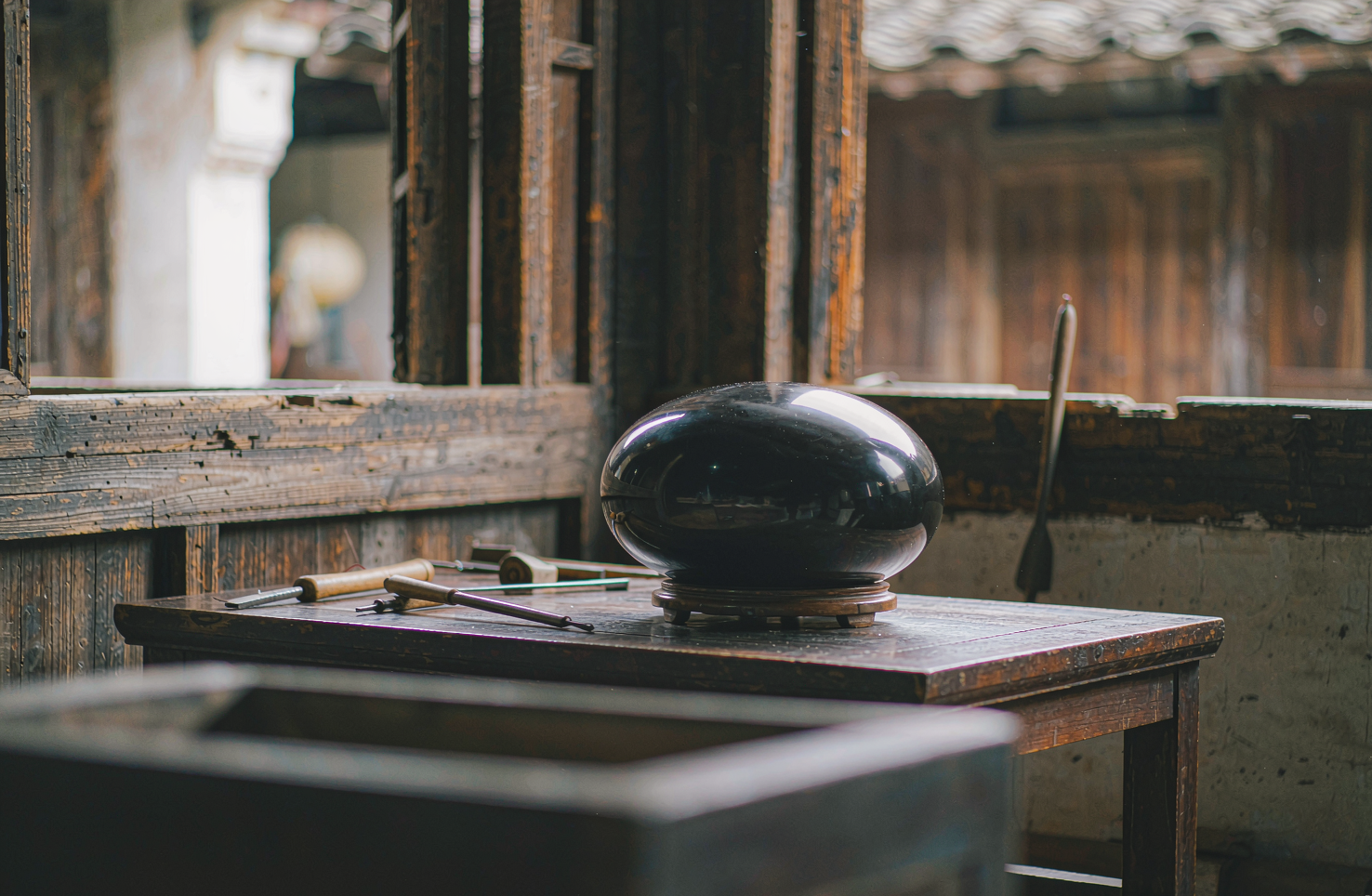
一件漆器该有多重,手感不会说谎
严选器物,看纹样、看款识、看证书,都是明面上的事。但有一道标准写不进任何参数表——上手。同一尺寸的两只漆盘,一只压手温润,一只轻飘干瘪,差别从何而来?这次把"分量"这件事拆开讲。说到底,重量是工序的记账本。
韵和鸣 · 2026/10/14 · 14 阅读
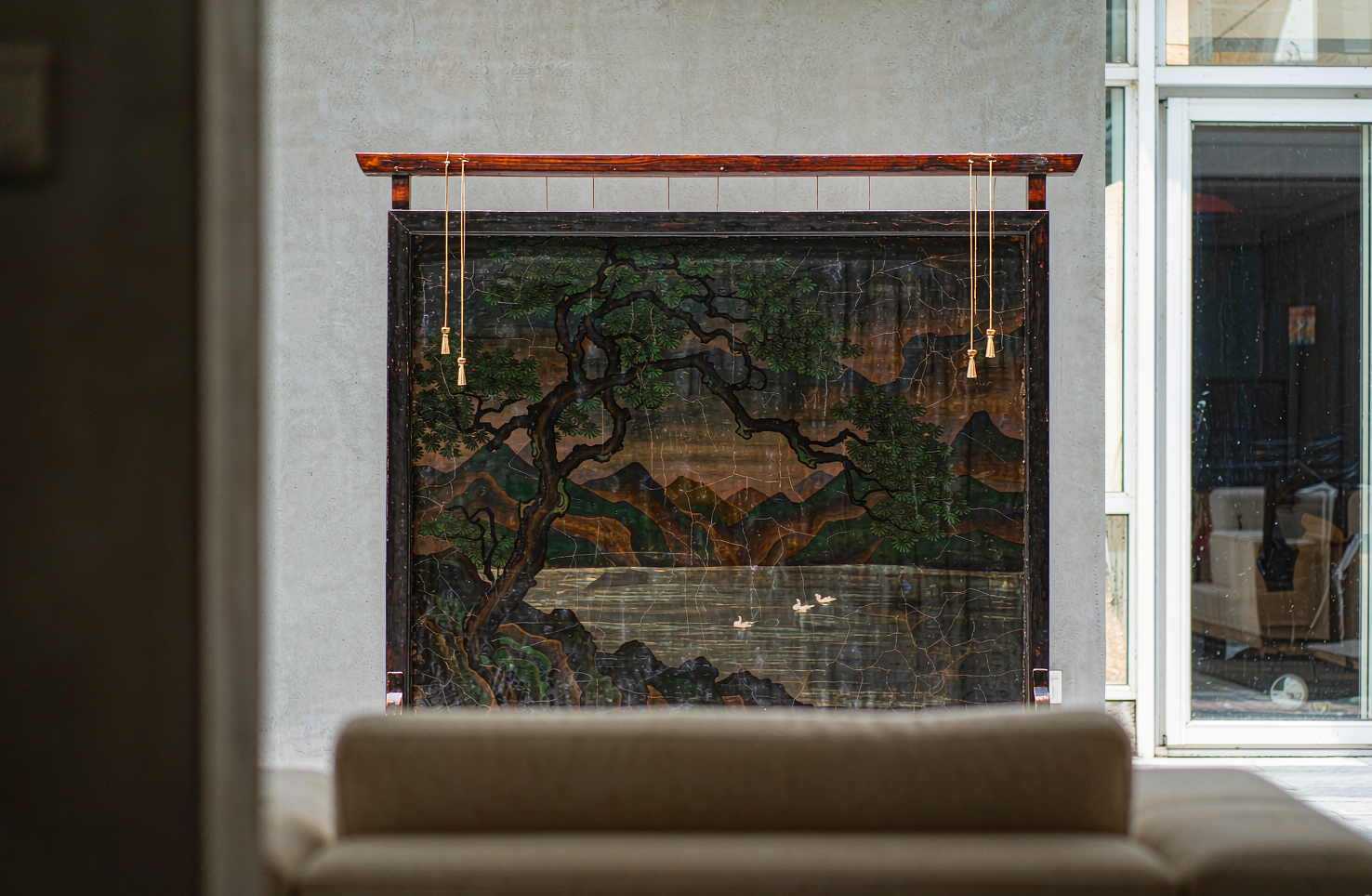
一面屏风,如何成为一个家的「眼」
老房子里,屏风从来不只是挡一挡。它决定你一进门先看哪里。四面墙的屋子有了屏风,才像有了一个"眼"。
韵和鸣 · 2026/10/8 · 12 阅读
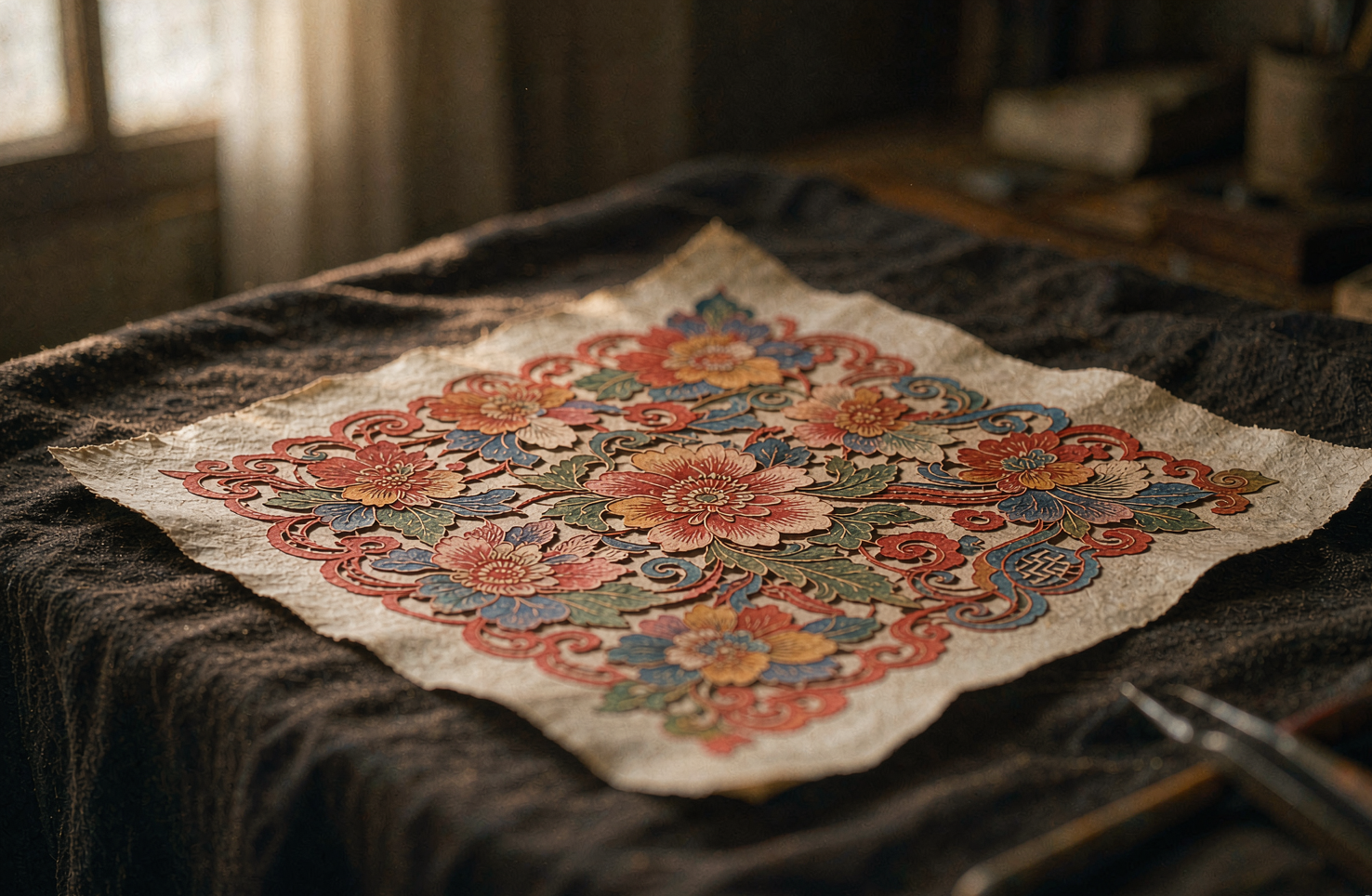
一张蔚县剪纸,彩色的刻刀活
严选录这一期看一张不太一样的剪纸:它不用剪刀,用刻刀;不止红色,还带着点染出来的粉与绿。河北张家口蔚县的剪纸,是剪纸大家族里"反着来"的一支——别处以剪为主、以红为正,蔚县以刻代剪、以点彩上色。说到底,这两个"反着来"的本质,是蔚县人把剪纸从窗前的女红,做成了作坊里的分工手艺:看懂了这一点,才算看懂了这张纸。
韵和鸣 · 2026/10/13 · 10 阅读
一枚苏绣绣片,丝光里藏着多少根丝
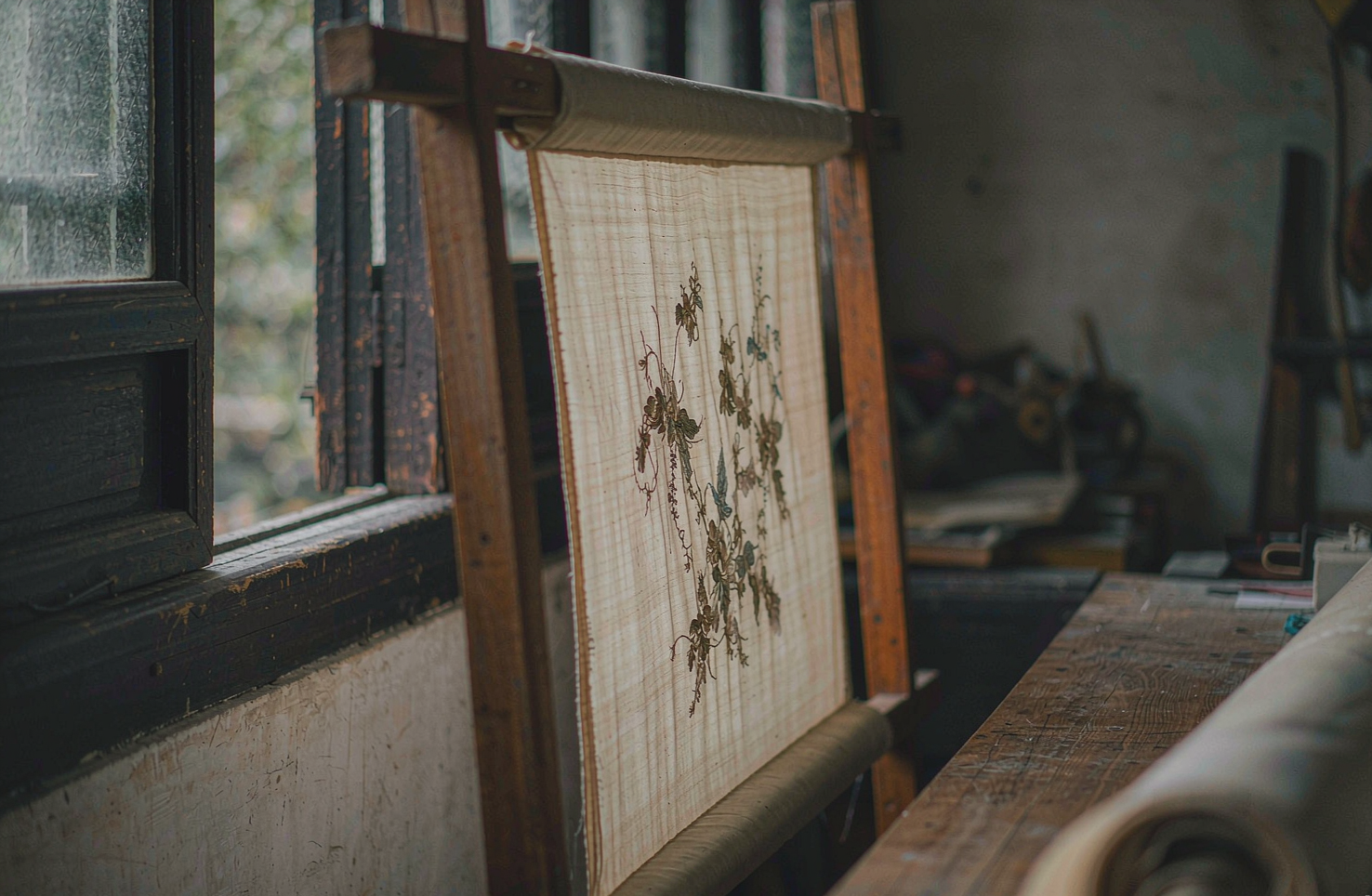
看一枚巴掌大的苏绣绣片,凑近了看,再凑近一点。你会发现它的光不是绣上去的,是"长"出来的——丝被劈到几乎看不见,一针一针顺着一个方向排,光就顺着丝走。说到底,苏绣的讲究,是从把一根丝线"拆开"那一刻开始的。
韵和鸣 · 2026/10/11 · 10 阅读
一盏博山琉璃:颜色是炉火给的,不是颜料调的
说到底,琉璃与玻璃的分界,不在透明不透明,而在颜色从哪来。在山东博山,一盏鸡油黄琉璃的颜色长在料里、生在炉里,出炉之后再不改色。这是严选录这一期想讲清楚的事。
韵和鸣 · 2026/10/12 · 9 阅读
平金开黑:金与黑,为什么这么耐看
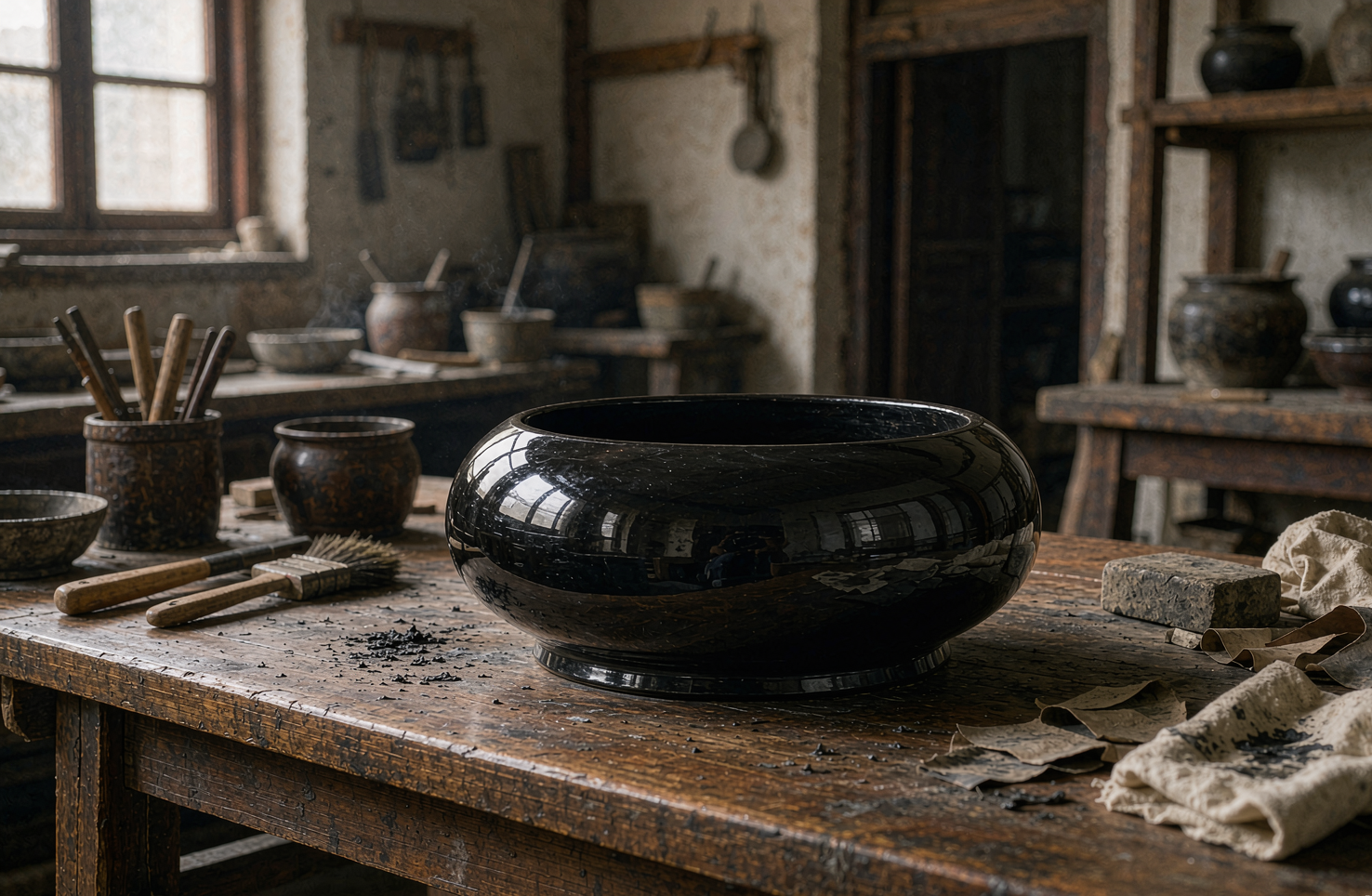
逛漆器店时,最容易让人停下来多看两眼的,往往不是花纹最密的那一件,而是一片黑底上的一线金。它克制得近乎安静,却比满身颜色更抓人。说到底,看懂了金与黑怎么相处,就看懂了漆器审美的一半。
韵和鸣 · 2026/10/10 · 6 阅读