一面屏风,如何成为一个家的「眼」
韵和鸣 · 韵和鸣公众号 · 2026/10/8 12:00:00 · 12 阅读
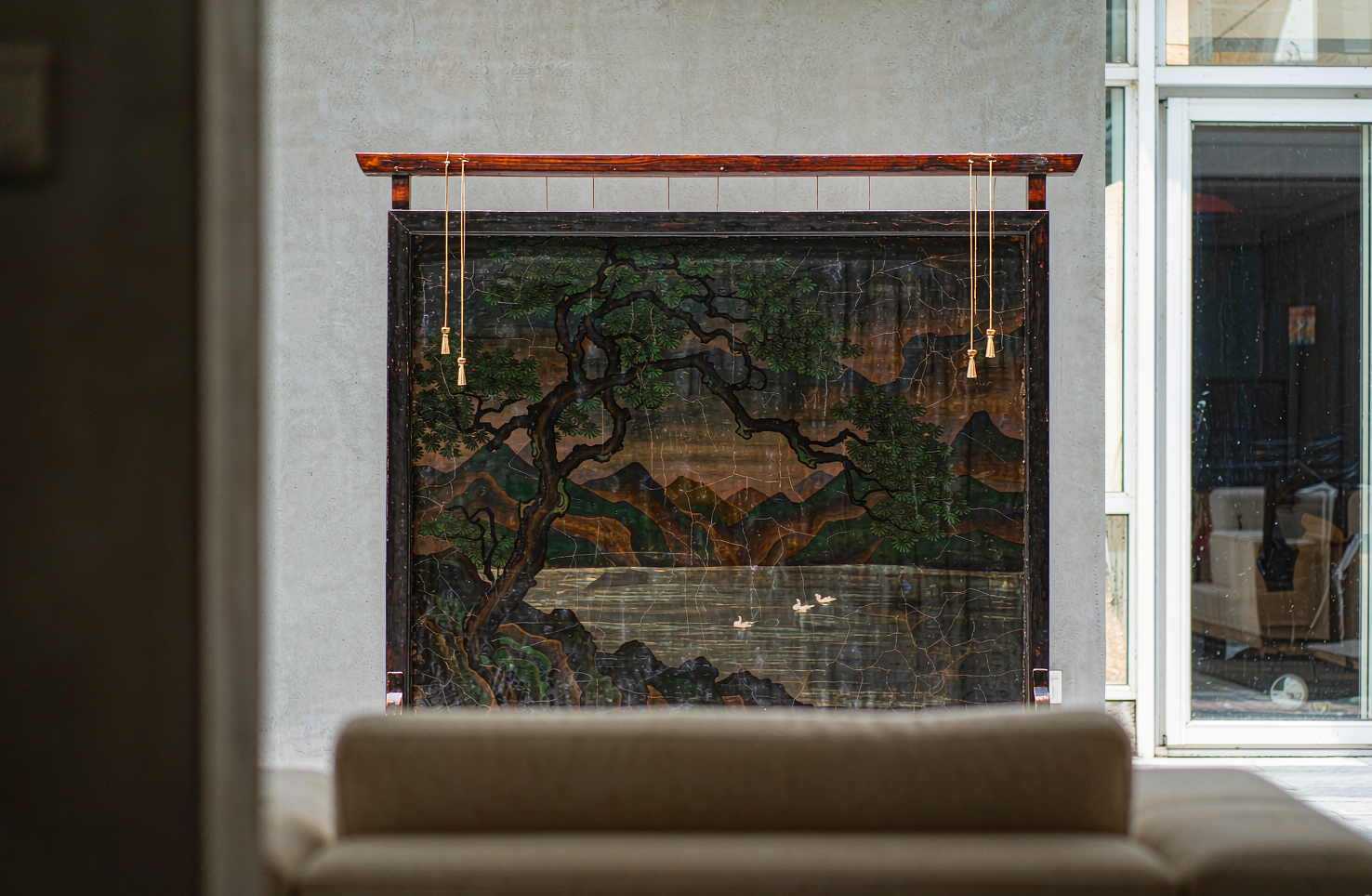
老房子里,屏风从来不只是挡一挡。它决定你一进门先看哪里。四面墙的屋子有了屏风,才像有了一个"眼"。
▍屏风先解决的是空间,然后才是装饰
屏风最早的作用很实在:挡风、遮视线、划分屋子。一道屏风立起来,一间大屋子就分出了前后——前面是待客的地方,后面是过日子的地方。
到了今天,屋子小了,屏风的旧功能反而退到其次。它更多在做一件事:给视线一个落点。一个空间好不好待,往往取决于你抬眼时,看到的是杂乱的墙角,还是一样愿意多看几眼的东西。
这也是为什么,做一面屏风比做一件挂画难。挂画只面对墙,屏风要同时面对空间、光线,和站在不同远近处的人。
▍绣的那一面,是经得起近看的
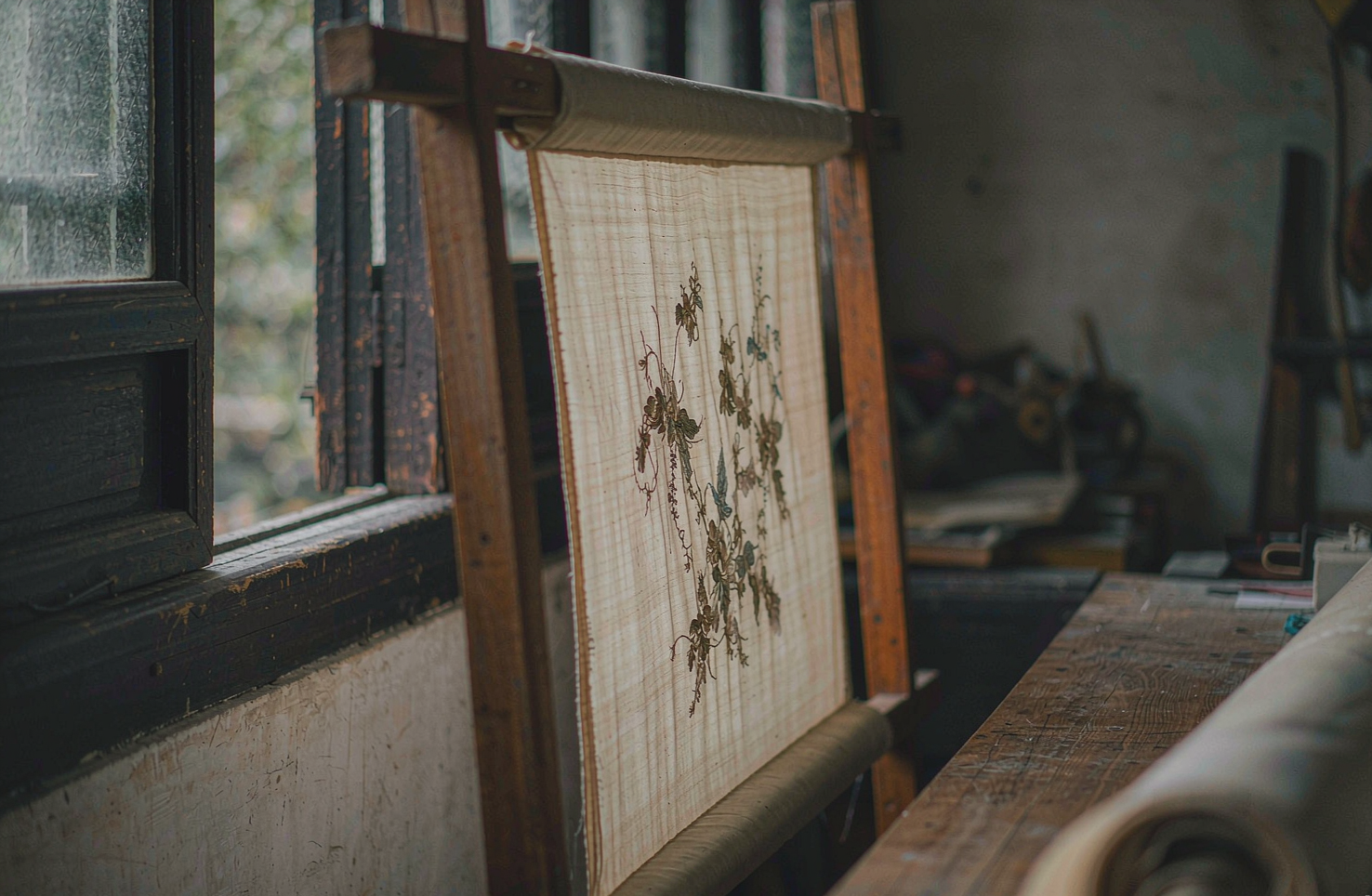
蜀绣是国家级非遗,产地在四川,特点是"万针成图",绷架作业。绣一件小褂子已然费工,绣一面屏就更是长跑。
绣娘先劈丝。一根丝线能劈得很细,细到几乎看不出是线。丝越细,绣面越平,过渡越柔;代价是同样一块面积,要落的针数成倍往上翻。
屏上的绣面还有个额外的讲究:它有"观看距离"。站着看是一幅画,坐下来近看是无数针脚。近看而不塌,靠的是劈丝的细、针法的匀,还有绣娘对光线的预判——绣的时候是平摊的,挂起来是受光的,两者并不一样。
▍漆的那一面,是把绣面托住的骨
剩下的是漆的活。屏框与屏背以木胎起手,裱布、挂灰、髹涂、阴干、推光,一整套走下来,是平遥推光漆器髹饰技艺里常说的"七髹八磨"。
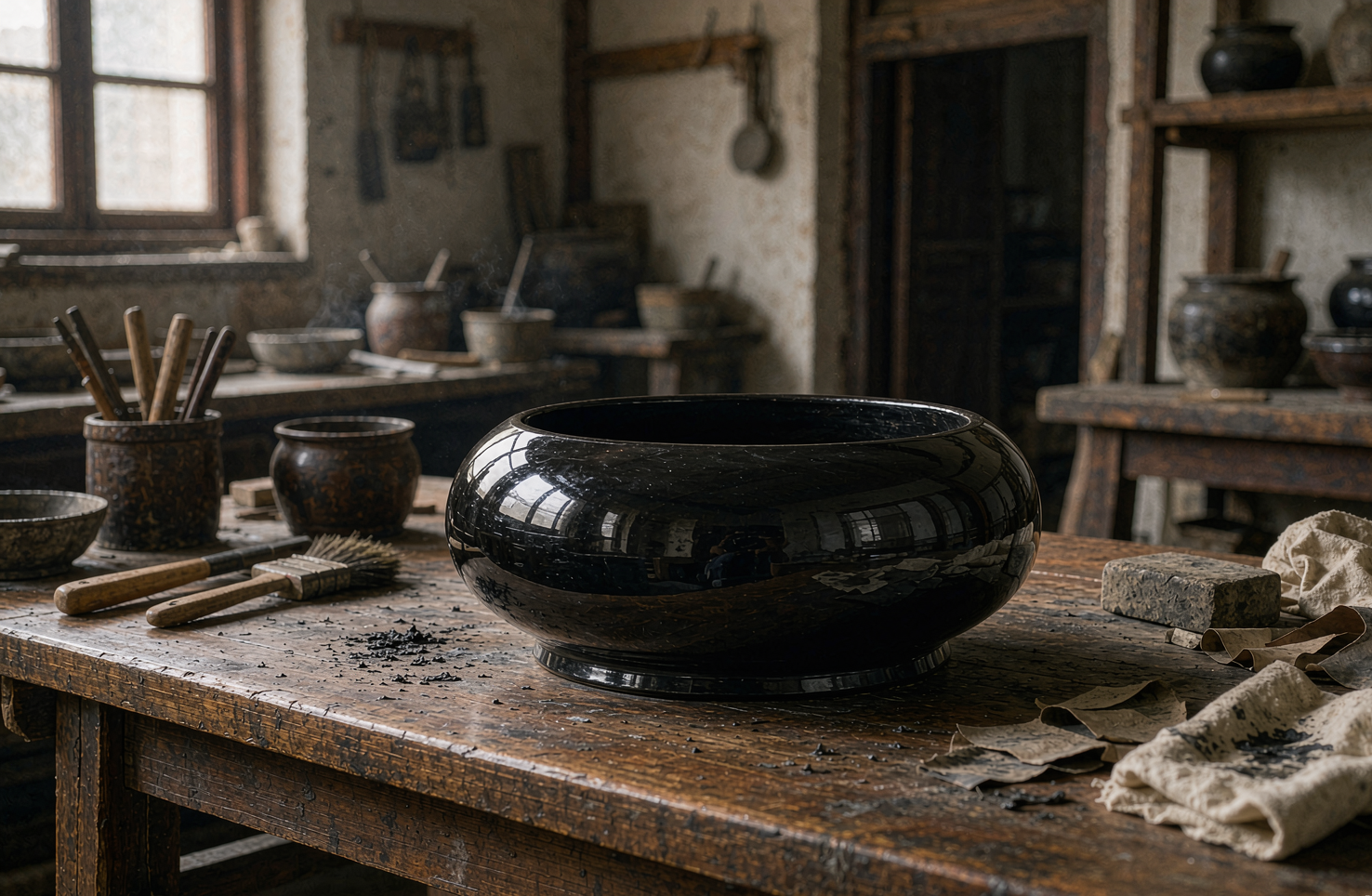
漆的好处在于两点。一是"稳":漆面致密,防潮防虫,托得住绣面,也经得起南方梅雨和北方暖气。二是"深":推光推出来的那层乌亮,不是刷上去的,是用手掌一遍遍磨出来的,越擦越亮。
一面屏风,两种节奏。绣是加法,一针一针往上添;漆是减法,一层一层磨下去,直到把多余的东西去掉。一个负责叙事,一个负责秩序。
顺带说一句底子上的事:蜀绣与平遥推光漆器髹饰技艺都在 2006 年列入国家级非物质文化遗产名录;而漆器这类器物另有《漆器通用技术要求》国家标准,对原辅材料与漆膜漆面提出明确要求。手艺定上限,标准守底线。
▍什么样的家适合一面屏风
不是所有空间都需要屏风。如果屋子本身已经很满,再加一件大器物,只会更挤。
适合的,通常是三种情况:屋子是通厅、一眼望到底,需要一处视线的停靠;家里有一面长墙,挂画显得单薄,需要一点高度和厚度;或者,你本来就喜欢"一件器物管一片空间"的做法——不铺排,只留一个主角。
选屏风时,我建议先看两件容易被忽略的事。一是屏背的做工,它决定了器物能用多久;二是绣面的针脚疏密,它决定了这东西耐不耐看。正面谁都会做得好看,背面和细处才是分水岭。
还有一处几乎没人问、但很要紧:屏风的脚。屏风能站得住,靠的是底脚的受力与配重,脚一软,屏面再好看也会晃。这跟人有点像,撑得住场面的,往往是那些不被看见的部分。
一面屏风摆进去,屋子里的光会重新分配一次。好的器物就是这样,它不吵,但它把一个空间的重心悄悄挪了位置。
▍问答
问 | 蜀绣漆艺屏风是什么?两种非遗是怎么结合的?
答 | 它是把四川的蜀绣与山西平遥推光漆器髹饰技艺合在一件器物上:绣面负责画面与叙事,漆框漆背负责结构与保护。蜀绣是国家级非遗,平遥推光漆器髹饰技艺同样是国家级非遗。
问 | 买屏风的时候,为什么建议先看背面?
答 | 因为背面最能看出一件器物的成本与耐心。漆背是否裱布挂灰、是否层层髹涂阴干,直接决定它会不会开裂变形。正面可以修饰,背面很难取巧。
问 | 手工绣的屏风为什么价格不低?
答 | 主要是工时。手工绣以针数计,一块绣面常要花成月甚至更久,之后还要经过劈丝、绷架、上框与漆作配合。价格里有相当一部分是时间,而不是材料。
问 | 韵和鸣的屏风是直接找工厂做的吗?
答 | 不是。韵和鸣的器物与非遗老师联名,绣面出自绣娘之手,漆作出自漆艺师傅之手,署名在作品里。品牌的严选原则也很简单:只选真正的非遗手工品,流水线产品不在其中。
📩 非遗项目 | 匠人举荐 | 跨境出海 | 线下联营
欢迎留言或后台联系,我们与匠人同行。
—— 韵和鸣 · 与匠人同行
〖 器 〗
相关搜索 | RELATED SEARCHES
蜀绣屏风 · 推光漆器屏风 · 非遗屏风 怎么选 · 平遥推光漆器 漆器屏风 · 韵和鸣 严选
English
A Screen Solves Space First, Decoration Later
The screen's earliest uses were practical: blocking wind, sheltering a sightline, dividing a room. Once a screen stands, one large room separates into front and back—the front for receiving guests, the back for daily life.
Today rooms are smaller, and the old functions have receded. The screen mostly does one thing: gives the eye somewhere to rest. Whether a space feels good often comes down to what you see when you look up—a cluttered corner, or something worth looking at twice.
That is why a screen is harder than a framed picture. A picture answers only to a wall; a screen answers to space, to light, and to people standing at different distances.
The Embroidered Side Must Stand Up to Close Looking
Shu embroidery is a national-level ICH craft from Sichuan. Known for composing images from tens of thousands of stitches on a stretcher frame, it is laborious even for a small garment; a full screen is a long-distance run.
The embroiderer splits the silk first. A single thread can be divided very fine, until it hardly reads as thread. The finer the silk, the flatter the surface and the softer the transition—at the cost of multiplying the stitches needed for the same area.
An embroidered screen has an extra requirement: viewing distance. Standing back, it is a picture; sitting close, it is countless stitches. That it holds up close depends on how finely the silk is split, how evenly the stitches are laid, and the embroiderer's anticipation of light—flat while being worked, lit once hung, and the two are not the same.
The Lacquer Side Is the Bone That Holds the Silk
The rest is lacquer work. Frame and backing start as a wooden body, then cloth mounting, lime filling, repeated coating, drying, and hand-polishing—the full sequence known in the Pingyao polished lacquerware technique as "seven coats and eight polishes."
Lacquer offers two virtues. One is steadiness: a dense film resists damp and insects, supporting the embroidery through humid southern summers and dry northern winters alike. The other is depth: that soft black sheen is not brushed on but polished out by hand, pass after pass, growing brighter with wiping.
One screen, two rhythms. Embroidery is addition, stitch by stitch; lacquer is subtraction, layer by layer, until the excess is gone. One carries the story, the other holds the order.
A word on the foundations: both Shu embroidery and the Pingyao polished lacquerware technique were inscribed on the national ICH list in 2006, while lacquerware is also governed by the national standard General Technical Requirements for Lacquerware, which sets out demands on raw materials and on lacquer film and surface. Craft sets the ceiling; standards hold the floor.
Not every space needs a screen. If a room is already crowded, adding a large piece only crowds it further.
It tends to suit three situations: an open plan that runs wall to wall and needs somewhere for the eye to pause; a long wall where a picture alone looks thin and needs some height and mass; or a household that already prefers letting one object govern a space—no arrangement, just one protagonist.
When choosing a screen, I suggest starting with two easily overlooked things: the finish on the back, which decides how long the piece will last, and the density of stitches on the front, which decides how long it stays interesting. Anyone can make a face look good; the back and the details are the watershed.
There is one more thing almost nobody asks about, and it matters: the feet. A screen stands because of how its base carries load and balances weight—soften the feet and the finest panel will wobble. It is a little like people: what holds the room up is usually the part nobody sees.
Put a screen in place and the light in the room is redistributed. A good object works like that: it makes no noise, but it quietly shifts where a space's weight rests.
What is a Shu embroidery and lacquer screen, and how do the two crafts combine?
It joins Sichuan's Shu embroidery with Shanxi's Pingyao polished lacquerware technique in one object: the embroidery carries the image, while frame and backing provide structure and protection. Both are national-level ICH crafts.
Why look at the back of a screen before buying?
Because the back reveals most about a piece's cost and patience. Whether the lacquer backing has cloth mounting and lime filling and was coated and dried in layers decides whether it warps or cracks. A face can be dressed up; a back cannot.
Why does an embroidered screen cost so much?
Mostly labor time. Hand embroidery is counted in stitches; one panel often takes months or longer, before splitting, framing, and lacquer work are added. Much of the price is time rather than material.
Does YUNHEMING have its screens made by a factory?
No. Pieces are co-signed with heritage masters: the embroidery comes from the embroiderer's hands, the lacquer from the lacquer master's, and both names are part of the work. The selection rule is simple—only authentic handcraft, never assembly-line goods.
ICH Projects · Artisan Referrals · Global Distribution · Salon Partnerships
你可能还感兴趣
一件漆器该有多重,手感不会说谎
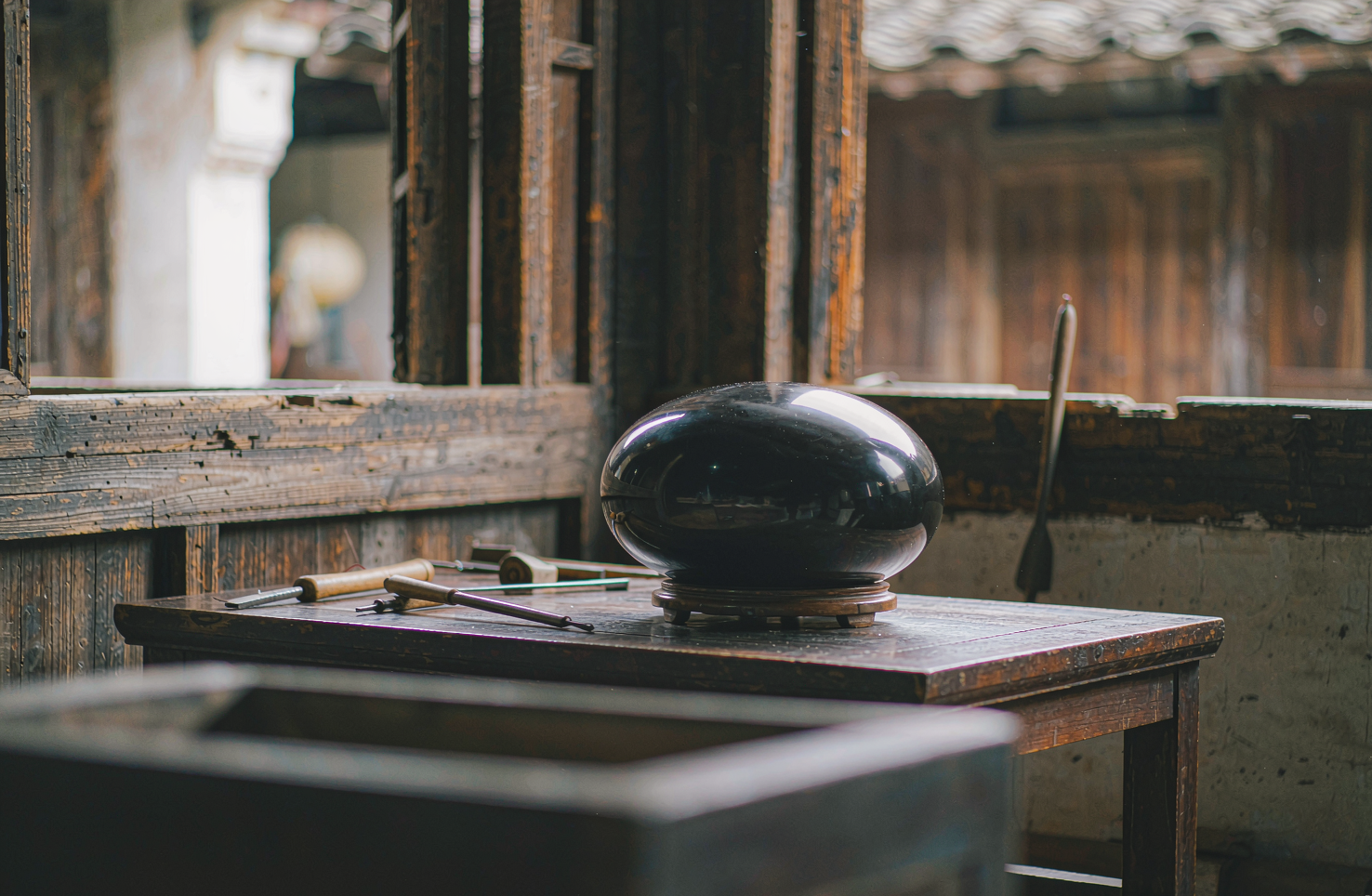
严选器物,看纹样、看款识、看证书,都是明面上的事。但有一道标准写不进任何参数表——上手。同一尺寸的两只漆盘,一只压手温润,一只轻飘干瘪,差别从何而来?这次把"分量"这件事拆开讲。说到底,重量是工序的记账本。
韵和鸣 · 2026/10/14 · 14 阅读
一件非遗手作凭什么"值":把时间的账算一遍
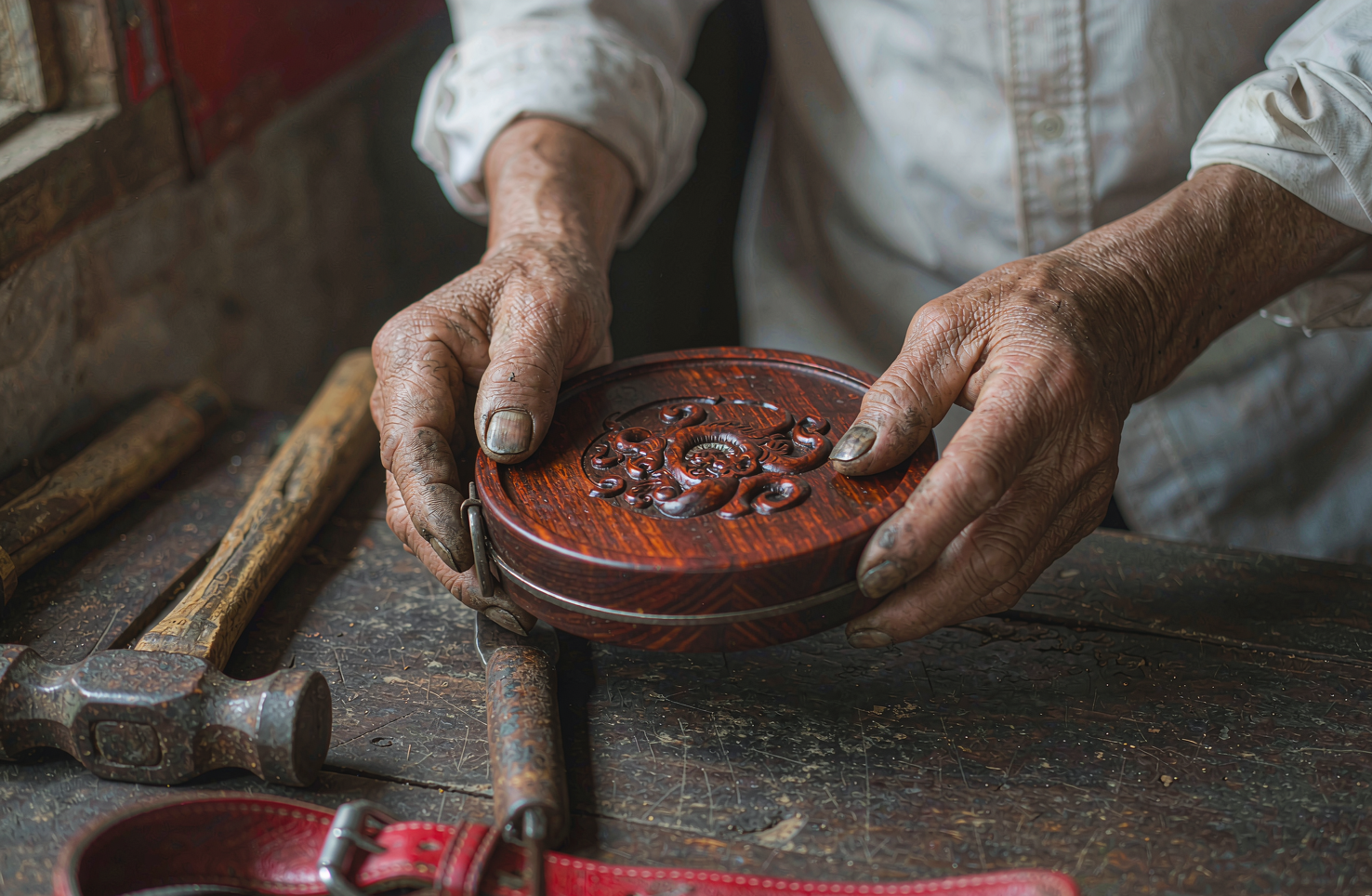
谈非遗手作,绕不开一个字:值。有人觉得贵得离谱,有人觉得便宜得可疑。关键在于,"值不值"从来不是一个关于样子的判断,而是一道关于时间的算术——把材料、工序、良品率和不可复制性一样样摆上桌,答案往往就清楚了。
韵和鸣 · 2026/10/9 · 11 阅读
一张蔚县剪纸,彩色的刻刀活
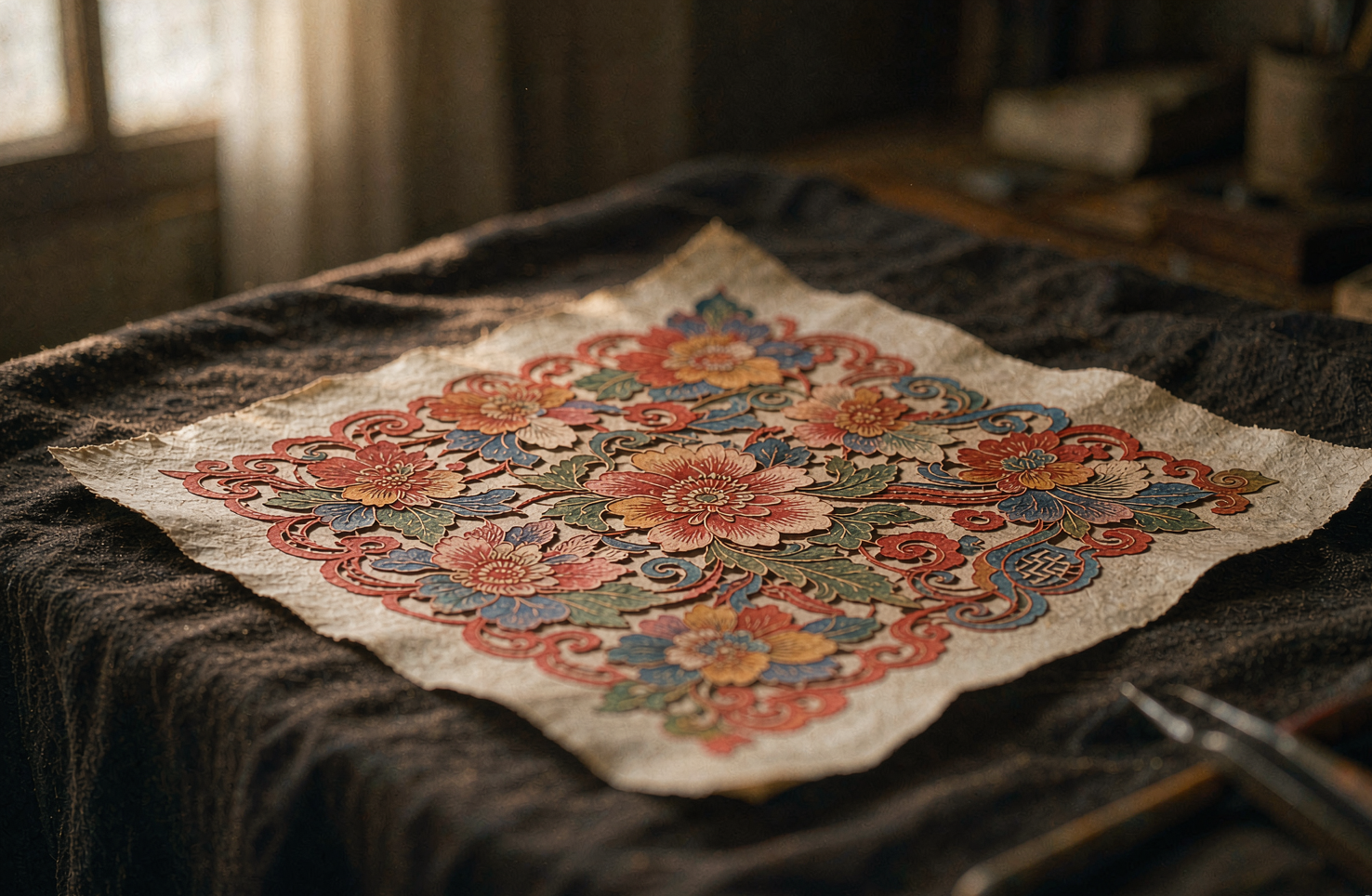
严选录这一期看一张不太一样的剪纸:它不用剪刀,用刻刀;不止红色,还带着点染出来的粉与绿。河北张家口蔚县的剪纸,是剪纸大家族里"反着来"的一支——别处以剪为主、以红为正,蔚县以刻代剪、以点彩上色。说到底,这两个"反着来"的本质,是蔚县人把剪纸从窗前的女红,做成了作坊里的分工手艺:看懂了这一点,才算看懂了这张纸。
韵和鸣 · 2026/10/13 · 10 阅读
一枚苏绣绣片,丝光里藏着多少根丝
看一枚巴掌大的苏绣绣片,凑近了看,再凑近一点。你会发现它的光不是绣上去的,是"长"出来的——丝被劈到几乎看不见,一针一针顺着一个方向排,光就顺着丝走。说到底,苏绣的讲究,是从把一根丝线"拆开"那一刻开始的。
韵和鸣 · 2026/10/11 · 10 阅读
一盏博山琉璃:颜色是炉火给的,不是颜料调的
说到底,琉璃与玻璃的分界,不在透明不透明,而在颜色从哪来。在山东博山,一盏鸡油黄琉璃的颜色长在料里、生在炉里,出炉之后再不改色。这是严选录这一期想讲清楚的事。
韵和鸣 · 2026/10/12 · 9 阅读
平金开黑:金与黑,为什么这么耐看
逛漆器店时,最容易让人停下来多看两眼的,往往不是花纹最密的那一件,而是一片黑底上的一线金。它克制得近乎安静,却比满身颜色更抓人。说到底,看懂了金与黑怎么相处,就看懂了漆器审美的一半。
韵和鸣 · 2026/10/10 · 6 阅读