非遗手作,该贵得理直气壮吗?
韵和鸣 · 韵和鸣公众号 · 2026/10/12 12:00:00 · 3 阅读
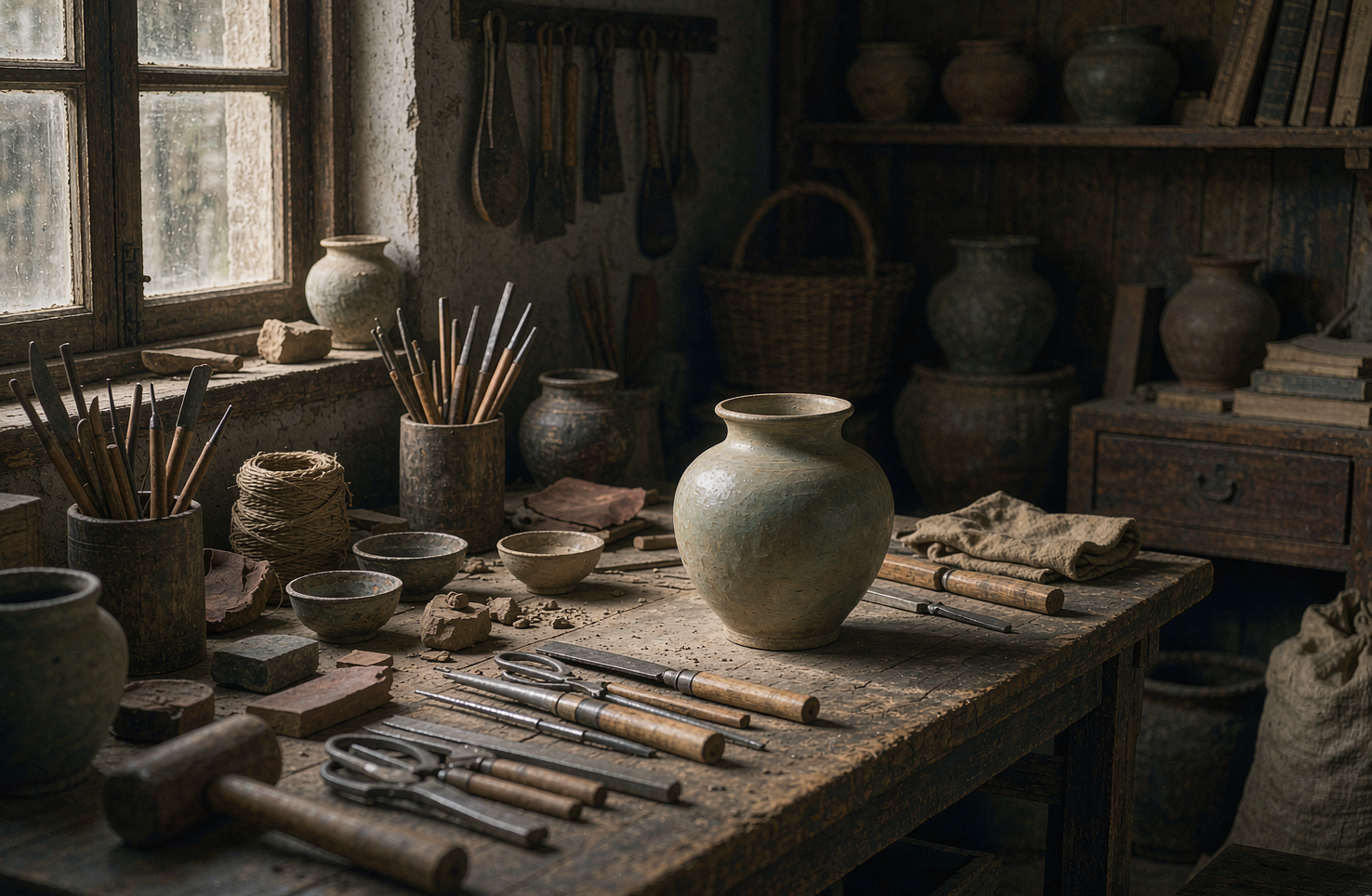
2026 年中秋国庆假期里,"景区文创只逛不买"成了被反复讨论的话题。同一股情绪也落在非遗柜台上——在平遥的漆器铺子里,这问题被问得最直接:这么贵,凭什么?可同一时间,意大利的玻璃作坊、日本的漆器小镇,把手工作品的高价写得理直气壮。同样是手工,定价的底气差在哪——这一期争鸣,把两边的话都摆出来。说到底,这场争论的本质,是手艺为谁而做、时间该怎么计价。
▍一方:贵,要贵得明白
手工的时间成本,是明摆着的。一件漆器从做胎到推光,三个月是常事;一炉琉璃里能挑出的正色没几件。把这样的东西卖成白菜价,等于宣布这些时间一文不值——低价内卷卷到最后,匠人只能降配、换料、赶工,手艺在账本上一寸寸缩水。
看看国外同行的做法:穆拉诺的玻璃匠人不为标价道歉,因为"手工"本身就是价格的组成部分;买家付的每一分里,都有看得见的来路。所谓"贵得明白",指的是把成本、工序、署名摊开在价签旁边——贵不可怕,可怕的是贵得说不清。
▍另一方:先活得下去,再谈身价
可高价也是一道门槛,把最该接触手艺的年轻人挡在了外面。年轻人不是不肯花钱,是要花得值——他们愿为体验、为故事买单,却不愿为看不懂的标价买单。曲高和寡的高价,守住的往往不是尊严,是库存。
也有同行的另一条路。据媒体报道,湘绣近年在轻量化、做实用小件上下了功夫,让刺绣从收藏级挂件变回日常里用得起、送得出的物件,甚至接下了海外宠物肖像的定制订单。先让手艺回到生活里,被用着、被穿着,才有下一代可谈——盘子做厚了,再慢慢做出身价。
湘绣界正推动技艺回归大众生活:改良工艺、生产轻便实用的亲民文创,并拓展海外定制业务。(据香港无线电视《中华掠影》报道,2026)
▍留白
两边争的,其实是同一个问题的两半:手艺为谁而做。价签上的数字好改,数字背后的成本与人心难改。哪条路走得通,不取决于谁嗓门大,取决于谁先把"贵在哪"或"值在哪"讲明白——这一问,留给柜台前的你。
▍问答
问 | 手工的非遗手作,为什么比机器货贵那么多?
答 | 差价大头在时间与人工。手工漆器要数月工期、几十道工序;琉璃一炉里正色难求。机器货省掉的是等待和手上功夫,价格自然低——但那两样,恰恰是非遗的本体。
问 | 怎么判断一个做非遗的品牌值不值得信?
答 | 看它敢不敢把来源讲清楚。一件器物出自谁手、在哪做的、怎么做的,能逐条说得出处,信任才有落点。韵和鸣把匠人访谈与实地寻访做成日常栏目,把过程摊开给读者看——来源说得清,是判断的头一条。
📩 非遗项目 | 匠人举荐 | 跨境出海 | 线下联营
欢迎留言或后台联系,我们与匠人同行。
—— 韵和鸣 · 与匠人同行
〖 辩 〗
English
One Side: Expensive, Yes—but Explicably So
The time cost of handwork is plain. A lacquer piece takes three months from body to polish; a single furnace melt yields only so many true-colored pieces. Selling such things at cabbage prices announces that this time is worth nothing—and a price war fought to the end forces artisans to cut materials and rush work, the craft shrinking inch by inch on the ledger.
Look at how colleagues abroad do it: a Murano glassmaker does not apologize for the tag, because "hand-made" is itself part of the price; every cent the buyer pays has a visible provenance. By "expensive but explicably so" we mean costs, processes and signatures laid open beside the price tag—being expensive is not the problem; being inexplicably expensive is.
The Other Side: Survive First, Prestige Later
Yet a high price is also a threshold, shutting out the very young people a craft most needs. They are not unwilling to spend—they pay for experiences, for stories—but not for price tags they cannot read. A lofty price often guards not dignity but inventory.
There is another road, as peers have shown. Per media reports, Xiang embroidery has in recent years worked on lighter, practical small pieces—turning embroidery from collector's panels back into objects of daily use and giving, even taking custom pet-portrait orders from abroad. First let the craft return to life, be used and worn; only then is there a next generation to speak of. Thicken the base first, and build the prestige after.
The Xiang embroidery community is steering the craft back into everyday life: refining techniques, producing light and practical, affordable pieces, and expanding overseas custom orders. (TVB "China in Focus" report, 2026)
What the two sides contest are two halves of one question: whom is the craft made for. The number on the tag is easy to change; the costs and the human care behind it are not. Which road works will not be decided by who shouts louder, but by who first explains—where the expense lies, or where the worth lies. That question we leave with you, at the counter.
Why does handmade heritage craft cost so much more than machine-made goods?
Most of the gap is time and labor. A hand-made lacquer piece takes months and dozens of processes; a glass melt yields few true colors. What machine goods save is the waiting and the work of the hand—precisely the two things heritage craft is made of.
How do you judge whether a heritage brand deserves trust?
By whether it dares to spell out provenance. Who made the object, where, how—item by item with traceable answers, and trust has somewhere to stand. YUNHEMING runs artisan interviews and field visits as standing columns, laying the process open to readers: a clear account of origins is the first test.
ICH Projects · Artisan Referrals · Global Distribution · Salon Partnerships
你可能还感兴趣
年轻人不愿学老手艺,该怪年轻人,还是怪这门手艺?
非遗传承里被讨论得最多的一句话是"后继乏人"。这句话往下追一层,就分成两条路:一条通向年轻人,说他们耐不住、看不上;一条通向他们面对的那门手艺,说它没能给出一条能活下去的路。这两条路,最近又吵起来了。
韵和鸣 · 2026/10/8 · 10 阅读
机器开始学手艺:是给匠人搭把手,还是来接班
一段流传很广的画面里,一台机械臂正跟着非遗传承人"学艺"——学劈丝、捻线、穿针。看的人分成两拨:一拨说技术帮上了忙,一拨说来抢饭碗了。同一件事读出两种意思,关键在于用什么尺度去量。
韵和鸣 · 2026/10/9 · 9 阅读
去贵州雷山,看一块银元如何变成一支银簪
在黔东南的苗寨里,银不只是一种首饰材料。它曾经是可以随时熔掉、重新打制的"存款",也是节日里一个女人身上最亮的那部分。关键在于,当一块老银元被放进坩埚,它要经过多少双手、多少道火,才重新成为一件能戴出门的东西。
韵和鸣 · 2026/10/9 · 27 阅读
漆器为什么能埋八千年不坏
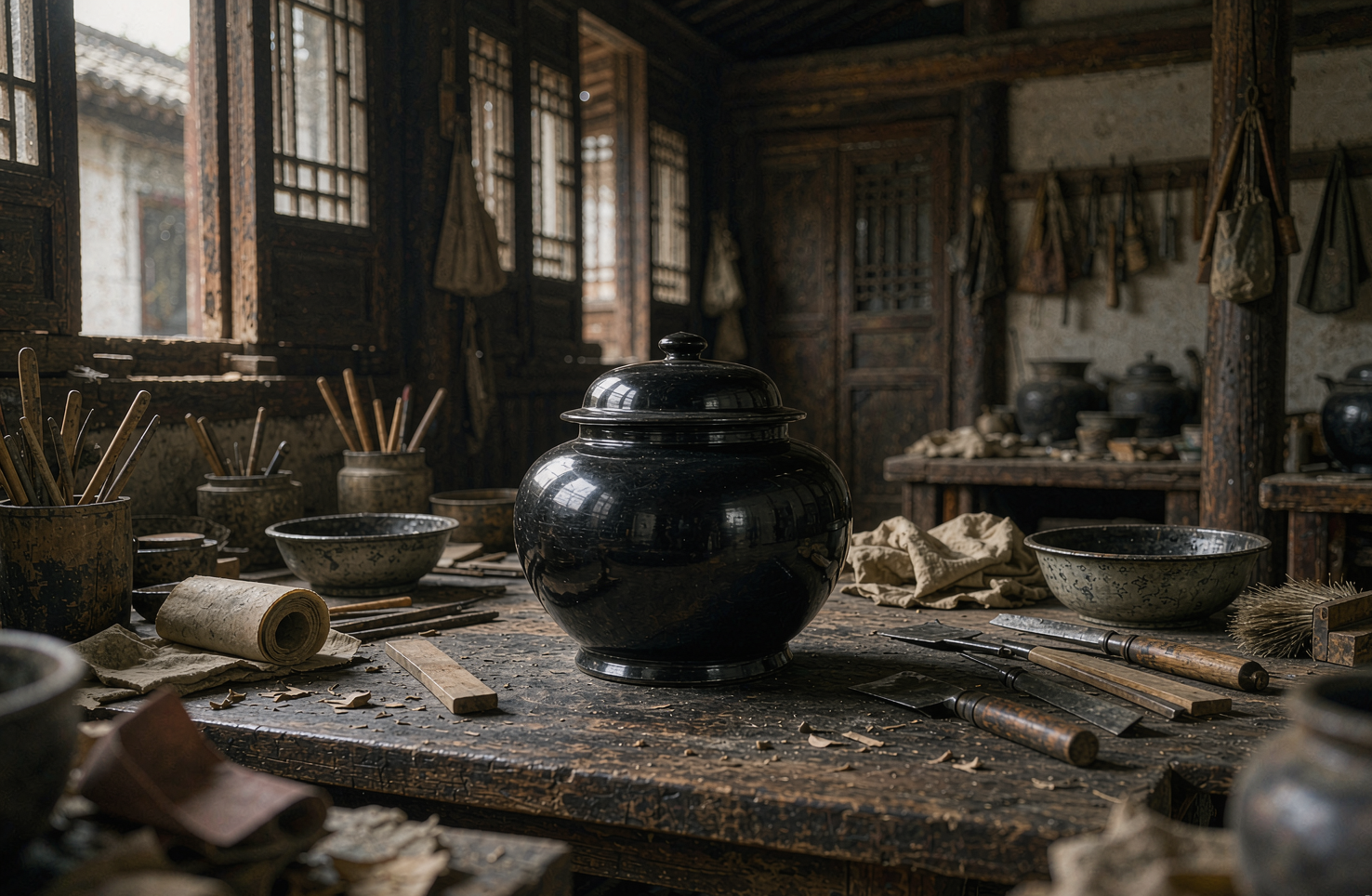
在博物馆做漆器研究与修复的研究员老周,桌上常年摆着两样东西:一段出土的漆皮残片,一只新做不久的平遥推光漆盘。他说这两样东西隔着八千年,却是同一种材料。这次对话,我们从"漆器为什么埋几千年不坏"聊起,聊到最后,其实是手艺对材料的理解问题。
韵和鸣 · 2026/10/14 · 16 阅读
一方宋锦里,藏着宋人的审美秩序
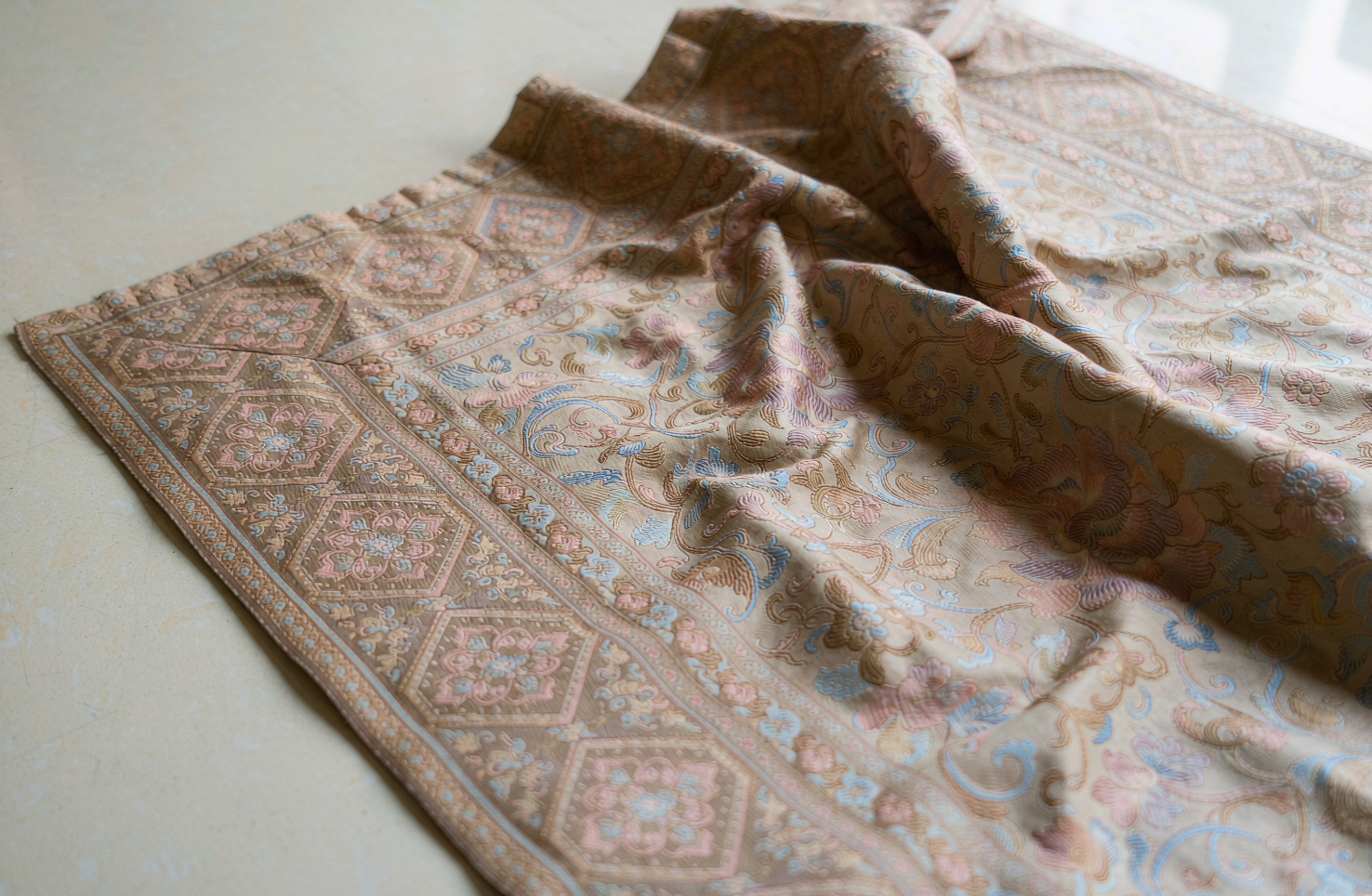
初见宋锦,我的反应不是"好看",而是"安静"。它不像人们想象里的锦那样满身是光。带我看锦的老师傅说,正是这份安静,最难织。
韵和鸣 · 2026/10/8 · 11 阅读
把"慢"做成一种体验:一间非遗会客厅的想法
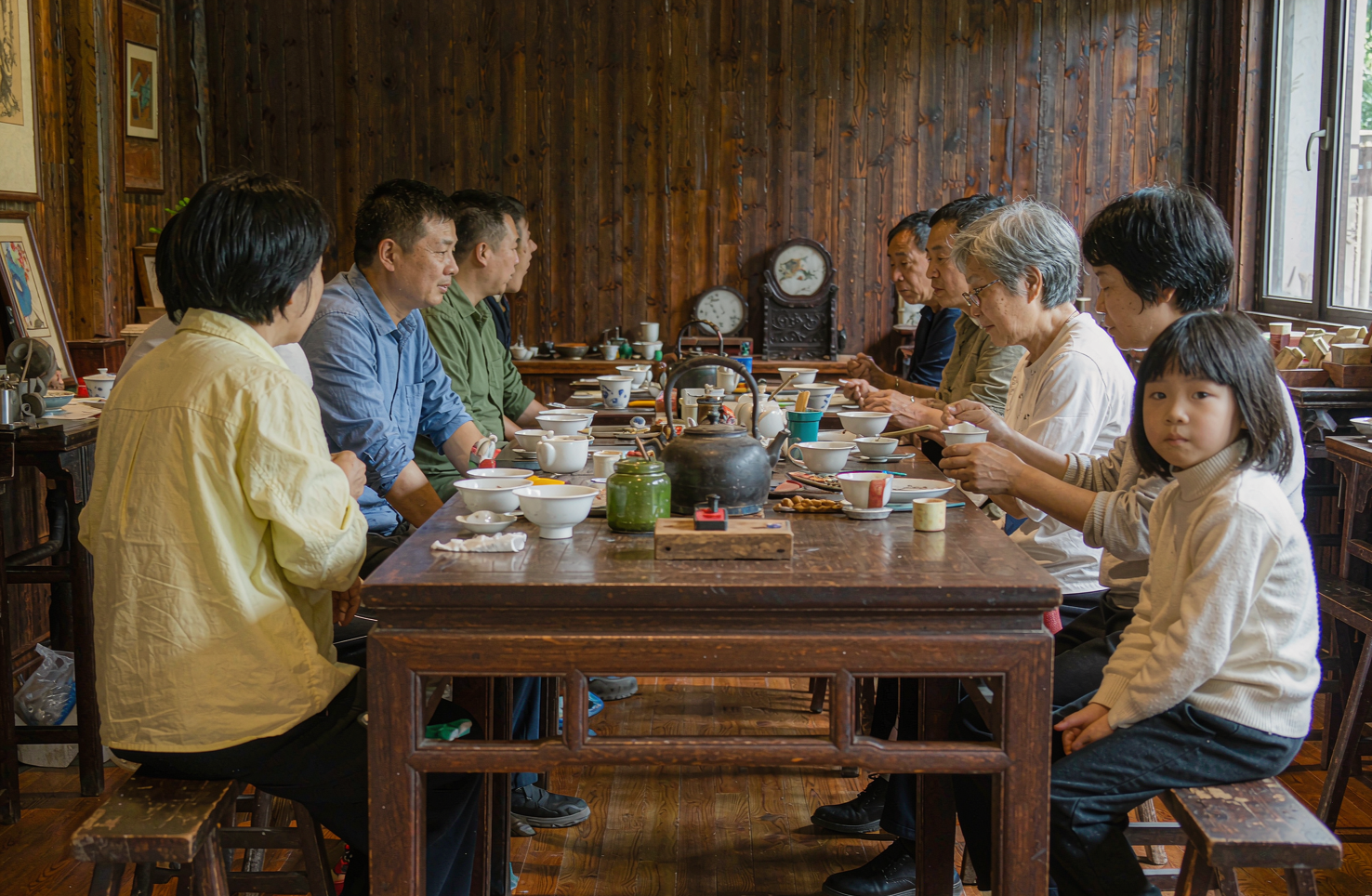
我们习惯按功能给空间分类:吃饭的、购物的、办公的。但有一种很难归类——它在城市的闹处,不催你走,也不急着让你买单。关键在于,当"慢"被认真设计出来,它本身就可以是一种产品。
韵和鸣 · 2026/10/9 · 9 阅读