大牌用非遗元素做联名:致敬,还是搬运?
韵和鸣 · 韵和鸣公众号 · 2026/10/10 12:00:00 · 3 阅读

这几年的时装周、家居展上,非遗元素越来越多。有些合作很动人:老师傅的手艺被认真写进产品说明;也有些不舒服——纹样用了,工坊的名字一个字没提。同一件事,两拨人读出相反的意思,说到底,分歧在"署名"两个字上。
▍一边说:被看见就是机会
把这件事看成机会的人,理由站得住。传统手艺最缺的往往不是手艺,是目光。大牌带来的流量与订单,能让一门快被忘记的技艺——比如平遥推光漆器——重新回到年轻人的视野,也能让工坊接到以前接不到的单。
更实际的是钱。一位传承人说过类似的话:手艺活下去,得有人靠它吃饭。联名订单能把淡季填满,能让学徒看见留下的理由——这比任何致敬的话都管用。
▍另一边说:只取符号,不问来处
反对的一方,焦点在"取用"的方式。所谓"文化搬运",指的是把纹样、色彩、形制从原生的语境里抽出来,当成一种视觉元素贴到商品上,却既不说明来处,也不让原作者受益。
更深的担心在文化本身:纹样原本都有来处与讲究,脱离语境随意拼接,误读一旦固定下来,会代代传成"新的传统"。
▍值得再想想的,是"署名"这件事
两边道理都成立,但讨论常绕开一个更具体的问题:合作谈成之后,名字写不写、钱怎么分?
新修订的《山西省非物质文化遗产条例》划了底线——
不得歪曲、贬损,不得作虚假、误导性宣传。(新修订《山西省非物质文化遗产条例》,2026 年 6 月 1 日起施行)
底线管的是"不能怎样","该怎样"仍靠双方商量。有人主张把署名与分成写进合同;也有人担心条款太硬,把小品牌挡在门外。争论背后其实是同一件事:手艺在合作里,是材料,还是作者?
▍问答
问 | "文化挪用"这个说法,用在这里会不会太重了?
答 | 用力过猛确实是常见的问题。区分的关键在态度与做法:有没有说明来处、有没有尊重原意、有没有让原作者受益。跨界设计本身无可厚非,传统技艺也需要新场景;容易出问题的,是把符号取走、把人留下。
问 | 普通人怎么判断一次联名是不是"致敬"?
答 | 看三个具体的地方:一看说明里写不写匠人或工坊的名字;二看工艺有没有被说清楚,还是只提"传统元素";三看产品的做法——是手工完成,还是拿机器仿了外形。署名是最省事的判断标准:真正尊重作者的合作,不怕把名字写上去。
问 | 韵和鸣的联名,和通常说的"大牌联名"是一回事吗?
答 | 规模和目的都不同。韵和鸣的联名是品牌与非遗传人共同署名:核心工序由老师手工完成,品牌管严选、内容与渠道,匠人的名字落在作品上。它给不了大牌的流量,但把"谁做的"摆在前面。
▍你站哪边
Which Side Are You On?
既要手艺活得好,也要手艺被尊重,这两件事并不天然冲突,难的是分寸。你见过最让你不舒服的一次"非遗联名"是什么样?或者反过来,有没有哪次合作让你觉得是真心的?欢迎留言,说说你的判断。
📩 非遗项目 | 匠人举荐 | 跨境出海 | 线下联营
欢迎留言或后台联系,我们与匠人同行。
—— 韵和鸣 · 与匠人同行
〖 辩 〗
English
One Side Says: Being Seen Is the Opportunity
Those who see it as an opportunity have a case. What traditional crafts usually lack is not skill but attention. The reach and orders a big brand brings can pull a nearly forgotten craft—Pingyao polished lacquerware, say—back into young people's view and land workshops commissions they could never get before.
More concretely, money. One bearer said something to the effect that a craft survives only when people can live on it. Co-signed orders fill the off-season and give apprentices a reason to stay—worth more than any words of homage.
The Other Side Says: Taking the Symbol, Skipping the Source
The opposing side focuses on how things are taken. "Cultural borrowing," so to speak, means pulling patterns, colors and forms out of their original context, pasting them onto goods as visual elements, while neither stating the source nor letting the originators benefit.
A deeper worry is culture itself: traditional motifs carry origins and rules; out of context, a misreading can harden and be passed down as a "new tradition."
Both sides hold up, yet the discussion often skips a concrete question: once a deal is struck, is the name written down, and how is the money split?
The newly revised Shanxi Provincial Regulation on Intangible Cultural Heritage draws a line—
No distortion or disparagement, and no false or misleading promotion. (Revised Shanxi Provincial Regulation on Intangible Cultural Heritage, in force from 1 June 2026)
The line governs what must not happen; what should happen still depends on negotiation. Some argue credit and revenue sharing belong in the contract; others fear rigid terms would shut smaller brands out. Behind it all is one question: in such a collaboration, is the craft material, or is it an author?
Is "cultural appropriation" too heavy a term here?
Overreaching is indeed a common problem. The key distinction lies in attitude and practice: is the source stated, the original meaning respected, the originator benefited. Cross-disciplinary design is fine in itself, and traditional crafts need new settings; what tends to go wrong is taking the symbol and leaving the people behind.
How can an ordinary person tell whether a collaboration is real homage?
Look at three concrete places: whether the notes name the artisan or workshop; whether the process is explained or only "traditional elements" are mentioned; and how the product is made—by hand or machine-imitating a form. Credit is the easiest test: genuine respect for the author is not afraid of writing the name down.
Is YUNHEMING's co-signing the same as what people call a big-brand collaboration?
Different in scale and purpose. YUNHEMING's co-signing means brand and bearer sign together: core processes are done by hand by the master, while the brand handles curation, content and channels, with the artisan's name on the work. It cannot offer a big brand's reach, but it puts "who made it" first.
A craft must both thrive and be respected; the two need not conflict, and proportion is the hard part. What is the least comfortable heritage collaboration you have seen? Or, on the contrary, which one struck you as sincere? Tell us your view in the comments.
ICH Projects · Artisan Referrals · Global Distribution · Salon Partnerships
你可能还感兴趣
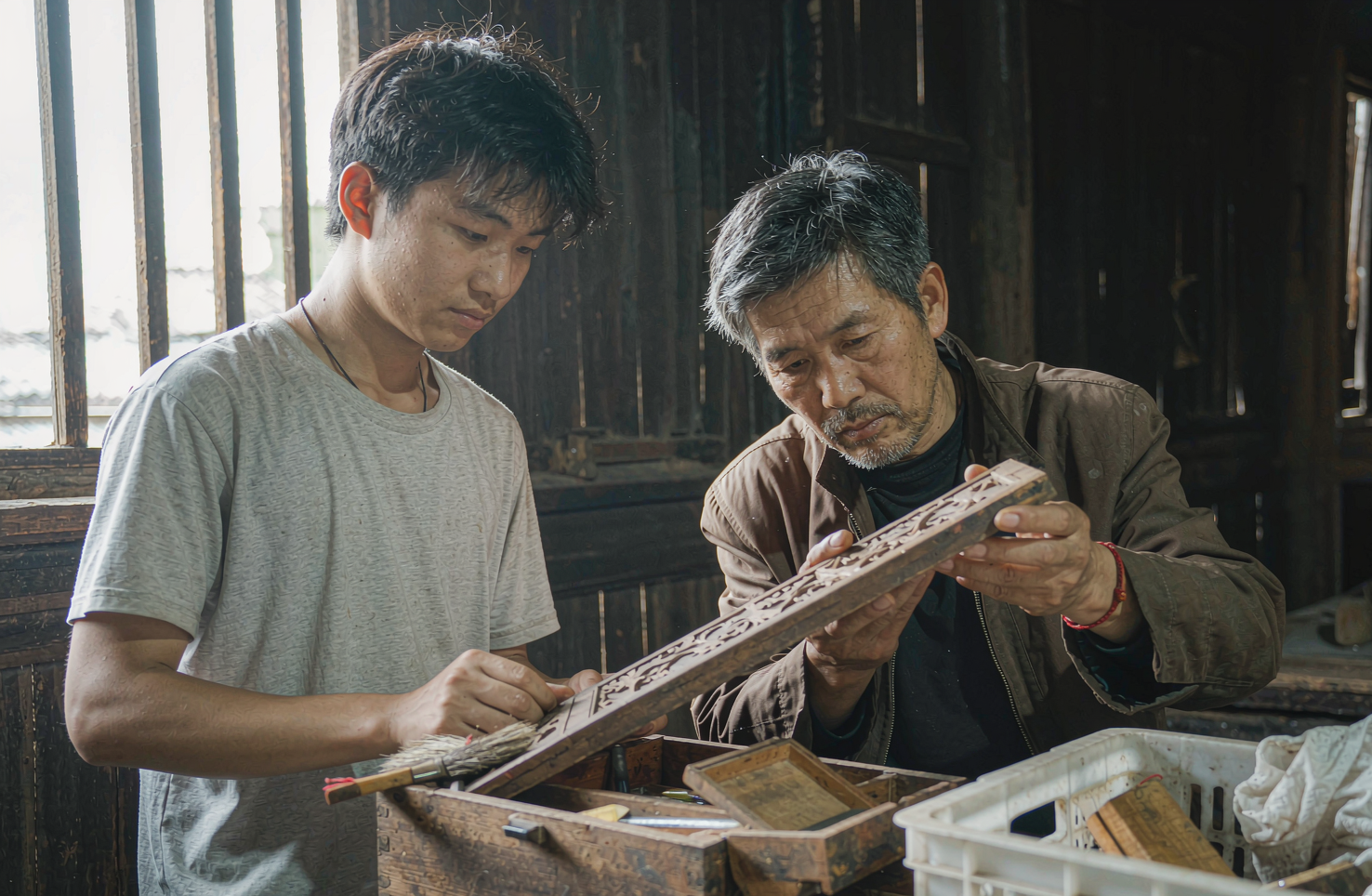
年轻人不愿学老手艺,该怪年轻人,还是怪这门手艺?
非遗传承里被讨论得最多的一句话是"后继乏人"。这句话往下追一层,就分成两条路:一条通向年轻人,说他们耐不住、看不上;一条通向他们面对的那门手艺,说它没能给出一条能活下去的路。这两条路,最近又吵起来了。
韵和鸣 · 2026/10/8 · 10 阅读
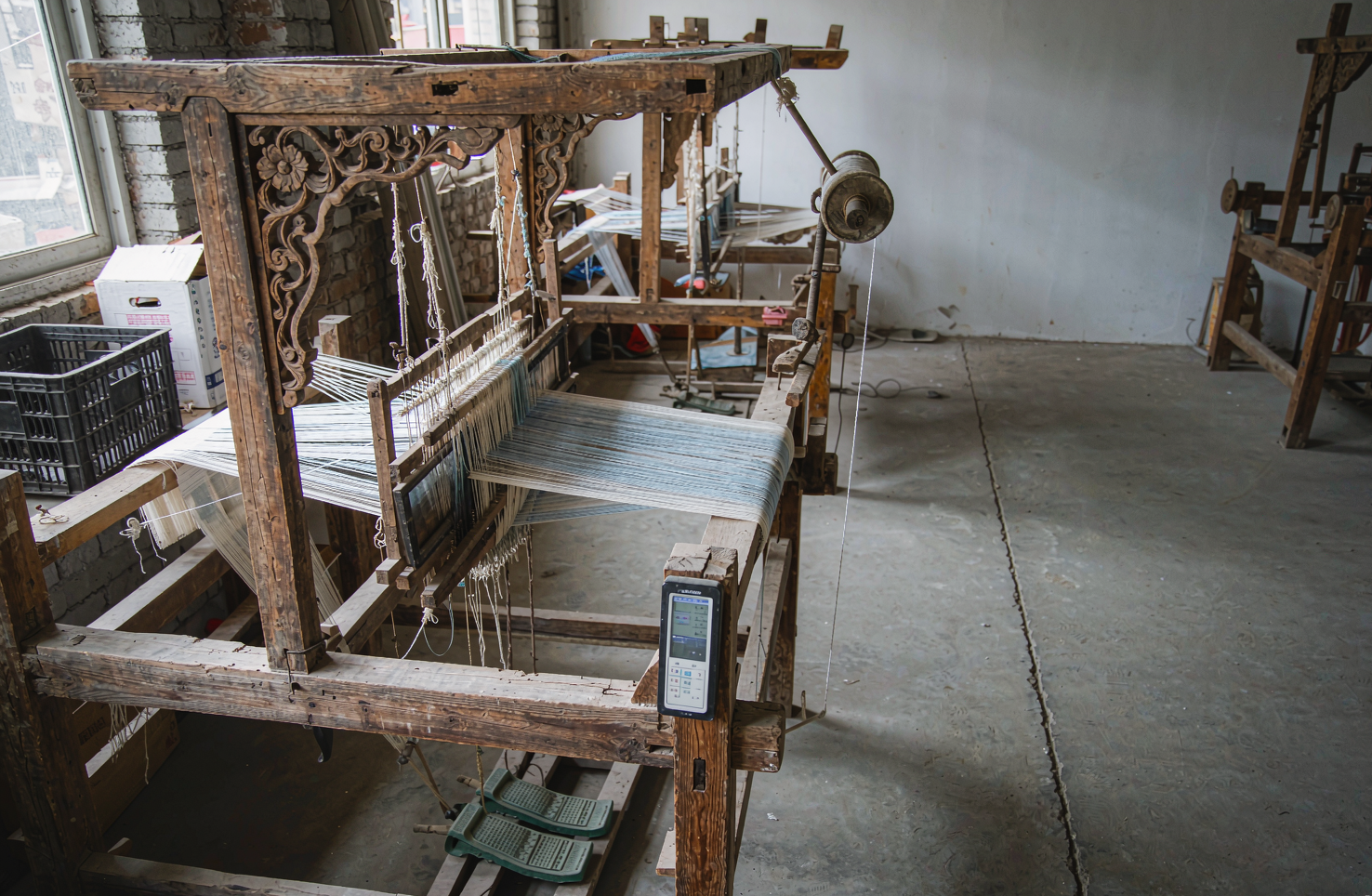
机器开始学手艺:是给匠人搭把手,还是来接班
一段流传很广的画面里,一台机械臂正跟着非遗传承人"学艺"——学劈丝、捻线、穿针。看的人分成两拨:一拨说技术帮上了忙,一拨说来抢饭碗了。同一件事读出两种意思,关键在于用什么尺度去量。
韵和鸣 · 2026/10/9 · 9 阅读
非遗创新只剩跨界联名和文创,是真突破还是路径依赖?
长假刚过,一场区域性非遗活动发布的"创新案例"名单在网上引来讨论:入选案例的路数出奇一致——不是和游戏影视做跨界,就是把老手艺搬进沉浸式演出,再就是开发一轮文创。有人叫好,也有人摇头:年年喊创新,怎么总围着老三样转?是突破,还是路径依赖?两边的话都摆出来。
韵和鸣 · 2026/10/13 · 4 阅读
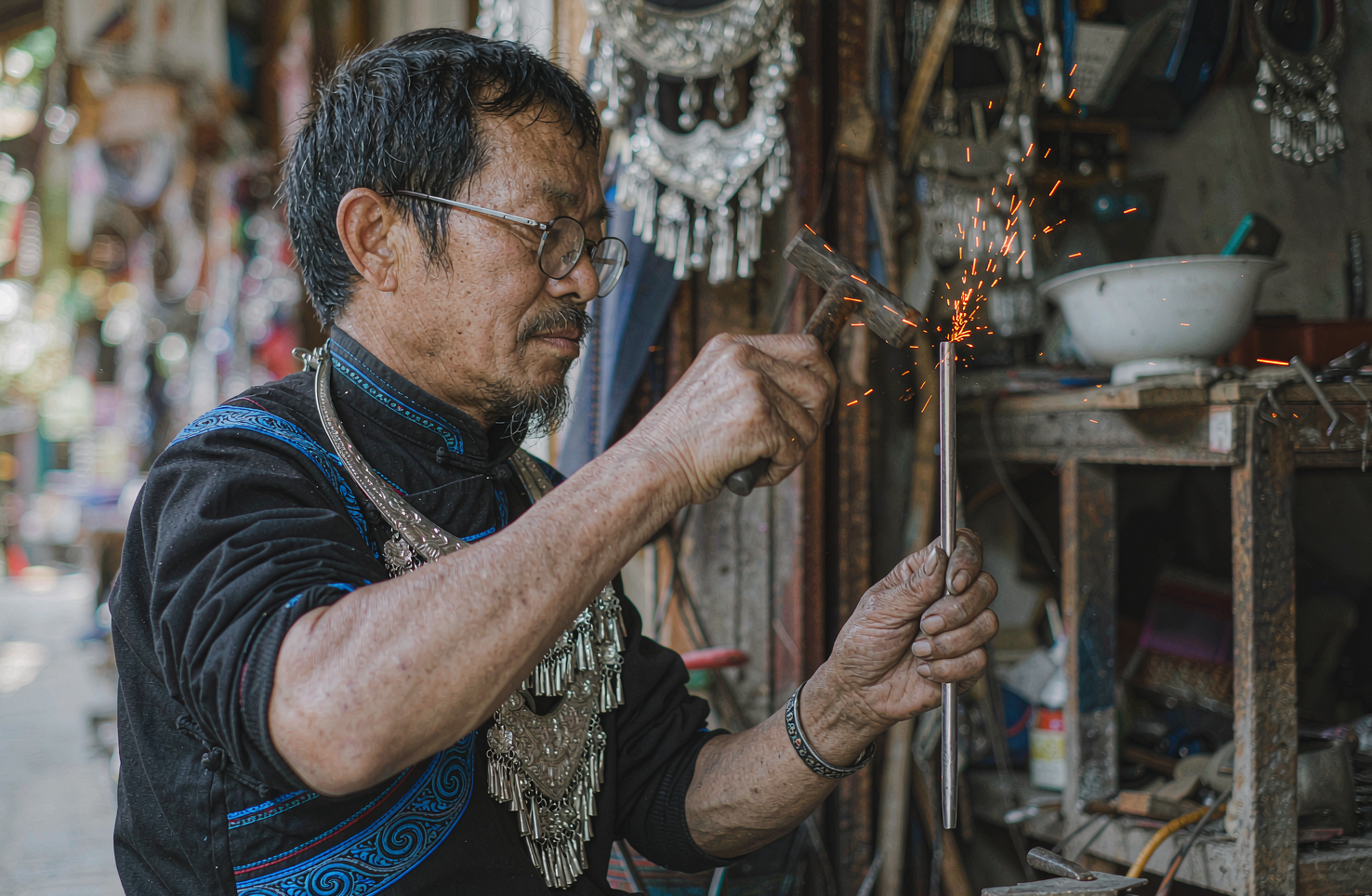
去贵州雷山,看一块银元如何变成一支银簪
在黔东南的苗寨里,银不只是一种首饰材料。它曾经是可以随时熔掉、重新打制的"存款",也是节日里一个女人身上最亮的那部分。关键在于,当一块老银元被放进坩埚,它要经过多少双手、多少道火,才重新成为一件能戴出门的东西。
韵和鸣 · 2026/10/9 · 27 阅读
漆器为什么能埋八千年不坏
在博物馆做漆器研究与修复的研究员老周,桌上常年摆着两样东西:一段出土的漆皮残片,一只新做不久的平遥推光漆盘。他说这两样东西隔着八千年,却是同一种材料。这次对话,我们从"漆器为什么埋几千年不坏"聊起,聊到最后,其实是手艺对材料的理解问题。
韵和鸣 · 2026/10/14 · 16 阅读
一方宋锦里,藏着宋人的审美秩序
初见宋锦,我的反应不是"好看",而是"安静"。它不像人们想象里的锦那样满身是光。带我看锦的老师傅说,正是这份安静,最难织。
韵和鸣 · 2026/10/8 · 11 阅读