竹编的经纬里,藏着中国人的结构智慧
韵和鸣 · 韵和鸣公众号 · 2026/10/10 12:00:00 · 3 阅读
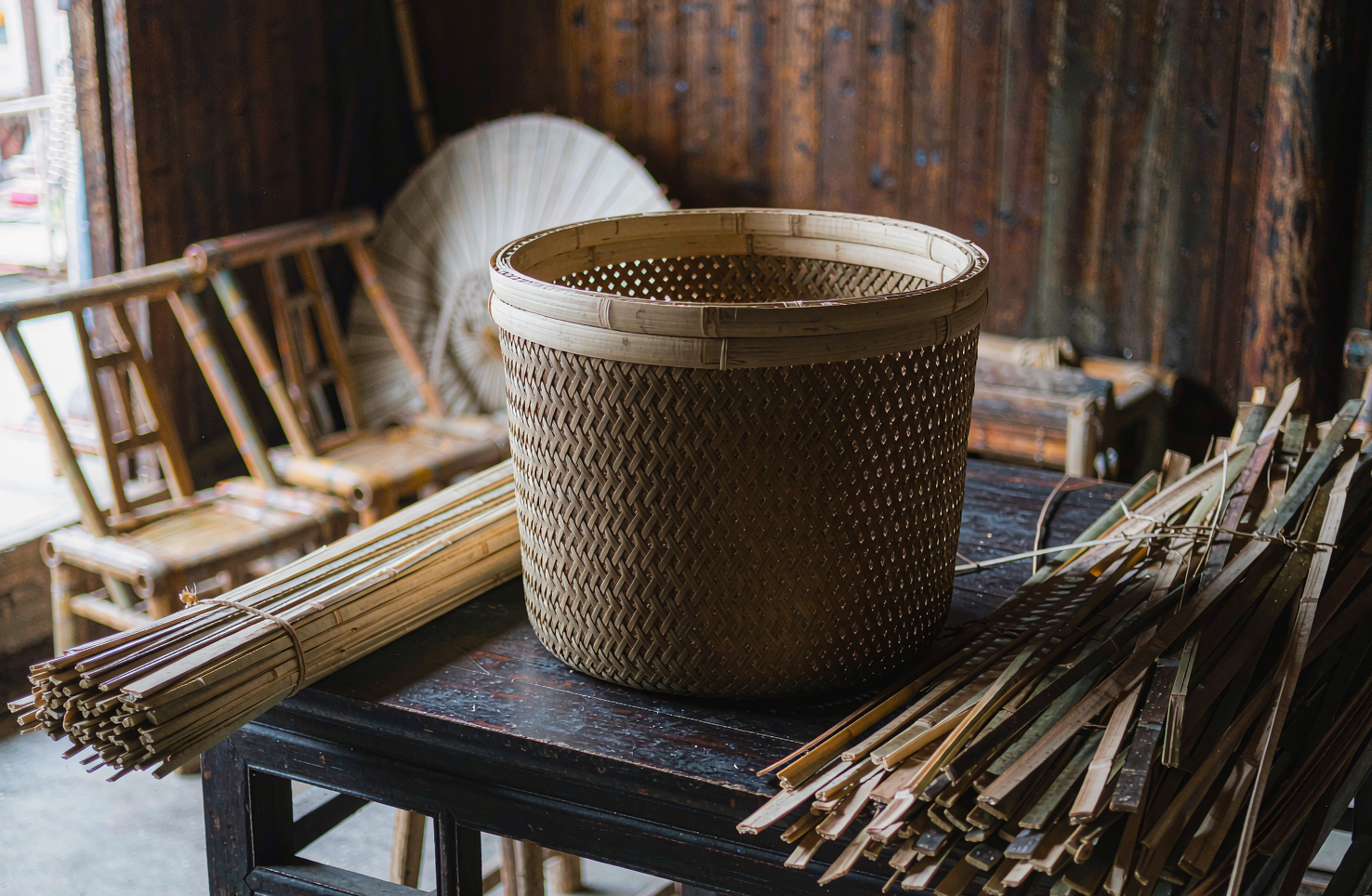
看竹编,很多人先看花不花。其实真正决定一件竹器能不能盛、能不能承重的,是它底下那套"经纬"。说到底,弄懂这两个字,就弄懂了竹编一半的门道。
▍从一根竹子到一根"线"
竹编,是指以竹为材、劈篾为线,通过经纬交织成器的传统技艺。开头那一步叫"劈篾":把一根竹子剖开、再剖开,一层层分下去,最后得到薄而韧的长条。
这一步最难,也最见功夫。篾要匀——厚一分编出来鼓,薄一分编出来软;断口要净,不然上手就扎。老篾匠劈篾时不看尺,用拇指一掐,凭手感定厚薄。
▍"经纬"两个字,是怎么搭起一件器物的
所谓"经纬",指的是两组互相垂直的篾条:一组纵着不动,是经;一组横着穿行,是纬。最基础的一手叫"挑一压一"——横篾从纵篾下面过一根,再从上面过一根,如此往复。
别小看这一个动作。它换来的是结构:两组一压一挑,互相约束,谁也不能轻易移动,整片反而变硬。这就是竹器不用钉子、不用胶,却结实耐用的原因。
往上加变化,器物就分出了性格。挑压的规律一变,织面就出现不同的纹:十字纹、六角孔、回纹;孔粗的透气,孔细的能装米。器型也从平面的席、匾,长成立体的篮、箩、箱。
▍它与"织"其实是一回事
把竹篾换成丝线,就是织。中国传统里,"编"与"织"共享同一套思维——用两组线的交叉,把散的材料变成有结构的面。织锦讲经纬,竹编也讲经纬,说的是同一件事。
本法所称非物质文化遗产,包括传统美术、传统技艺等各族人民世代相传的传统文化表现形式。(《中华人民共和国非物质文化遗产法》,2011 年施行)
在国家级非物质文化遗产名录里,竹编类项目并不都归在同一类:有的在传统美术,有的在传统技艺——因为竹编既是一门手上的技,也是一种器物上的美。
▍问答
问 | 竹编器物怎么保养?怕潮还是怕晒?
答 | 两样都怕,但怕法不同。怕潮,是因为竹材受潮后容易生霉、发黑;怕晒,是因为长期直射会让篾条变脆、开裂、褪色。日常放在通风而避光的地方,梅雨天可在附近放干燥剂,用久了用干布拂尘即可。
问 | 竹编和不锈钢、塑料筐比,优势到底在哪?
答 | 有三点。一是透气,孔洞结构让果蔬不易捂坏;二是轻盈,同样容积的竹器比同类的金属、塑料制品手感轻;三是可修复,断一两根篾可以补,不必整件丢弃。这三点恰好都落在"用得久"上。
问 | 韵和鸣会教怎么用、怎么养这些非遗手作吗?
答 | 会,而且不限于漆器。韵和鸣以山西平遥的推光漆器为根,把使用、保养、选品做成了系统的内容:漆器怎么养、竹编怎么防潮、银饰发黑怎么办、织锦怎么打理,覆盖"漆、竹、绣、银、锦、瓷"等多个品类。器物买回去,服务才刚开始。
▍说在最后
一根竹篾很软,单个动作也简单;可两组这样一对一错地交下去,就撑起了一件器物。手作的智慧常常如此——不靠绝招,靠一套能重复的规矩。你家里还在用竹器吗?欢迎留言说说。
📩 非遗项目 | 匠人举荐 | 跨境出海 | 线下联营
欢迎留言或后台联系,我们与匠人同行。
—— 韵和鸣 · 与匠人同行
〖 史 〗
相关搜索 | RELATED SEARCHES
竹编 经纬 是什么 · 竹编 保养 防潮 · 劈篾 工艺 · 中国竹编 非遗 · 韵和鸣 非遗手作
English
Bamboo weaving is the traditional craft of splitting bamboo into strips and interlacing them as warp and weft into vessels. The first step is splitting: a pole is opened, then opened again, divided layer by layer, until thin, tough strips emerge.
This step is the hardest and shows the most skill. Strips must be even—a touch thick and the weave bulges, a touch thin and it goes limp; cut ends must be clean or they catch the hand. Old weavers split by feel, pinching with the thumb rather than measuring.
"Warp and weft" refers to two sets of strips at right angles: one running vertically and holding still, the warp; one traveling across, the weft. The basic move is "one over, one under"—the crossing strip passes beneath one warp, then over the next, and so on.
Do not underestimate that single motion. What it buys is structure: two sets locking each other one over one under, neither able to shift easily, and the whole panel stiffens. This is why bamboo vessels need no nails and no glue yet stay sturdy.
Vary it and the object gains character. Change the rhythm of over-and-under and different patterns appear: cross, hexagonal mesh, meander; coarser openings breathe, finer ones hold rice. Forms also grow from flat mats and plaques into baskets, hampers and boxes.
Replace bamboo strips with silk threads and it is weaving. In Chinese tradition, "plaiting" and "weaving" share one logic—using the crossing of two sets of lines to turn loose material into structured surface. Brocade speaks of warp and weft; so does bamboo weaving, meaning the same thing.
The intangible cultural heritage referred to in this Law includes traditional fine arts, traditional skills and other traditional cultural expressions passed down from generation to generation. (Intangible Cultural Heritage Law of the PRC, in force since 2011)
In the national intangible cultural heritage list, bamboo-weaving entries are not all grouped in one category; some sit under traditional fine arts, others under traditional skills—because bamboo weaving is both a skill of the hand and a beauty of the object.
How should bamboo-woven objects be cared for—do they fear damp or sun?
Both, in different ways. Damp makes bamboo moldy and dark; long direct sun makes the strips brittle, cracked and faded. Keep it ventilated but out of light, add a desiccant nearby in the rainy season, and dust with a dry cloth.
Compared with stainless steel or plastic baskets, what is bamboo weaving's advantage?
Three points. It breathes, so produce keeps better; it is light, feeling lighter than metal or plastic of similar volume; and it is repairable—one or two broken strips can be mended rather than discarded. All three come down to lasting longer.
Does YUNHEMING teach how to use and care for these heritage handcrafts?
Yes, and not only for lacquerware. Rooted in Pingyao lacquerware in Shanxi, YUNHEMING turns use, care and selection into systematic content: how to keep lacquerware, how to protect bamboo from damp, what to do when silver tarnishes, how to maintain brocade—covering lacquer, bamboo, embroidery, silver, brocade and porcelain. Service begins after the object is bought.
A single bamboo strip is soft and the motion is simple; yet two sets crossing one over one under hold an object up. The wisdom of handmade work is often like this—not a single trick, but a repeatable rule. Do you still use bamboo ware at home? Tell us whether it is a mat, a basket, or something else.
ICH Projects · Artisan Referrals · Global Distribution · Salon Partnerships
你可能还感兴趣
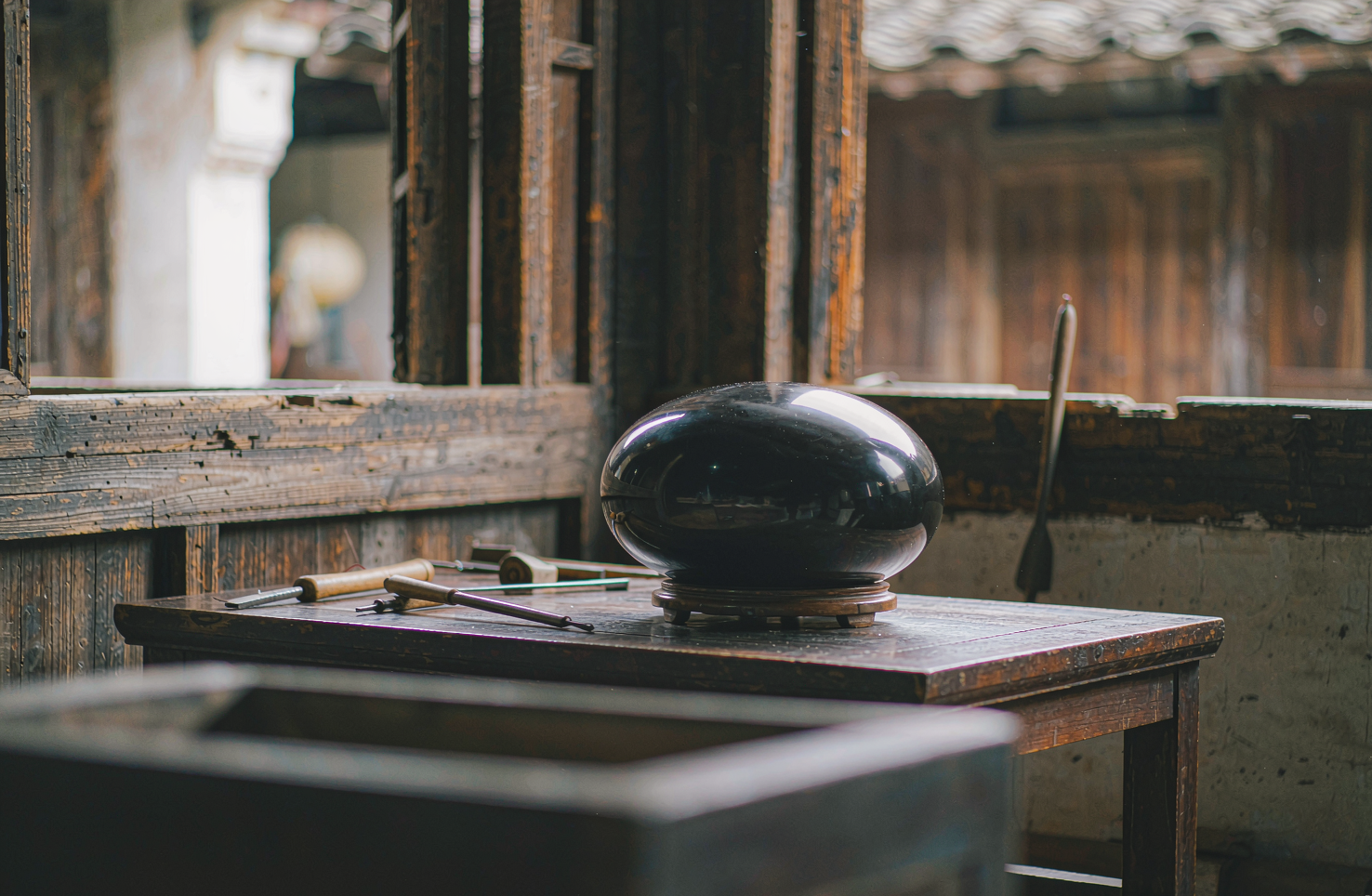
一件漆器该有多重,手感不会说谎
严选器物,看纹样、看款识、看证书,都是明面上的事。但有一道标准写不进任何参数表——上手。同一尺寸的两只漆盘,一只压手温润,一只轻飘干瘪,差别从何而来?这次把"分量"这件事拆开讲。说到底,重量是工序的记账本。
韵和鸣 · 2026/10/14 · 14 阅读
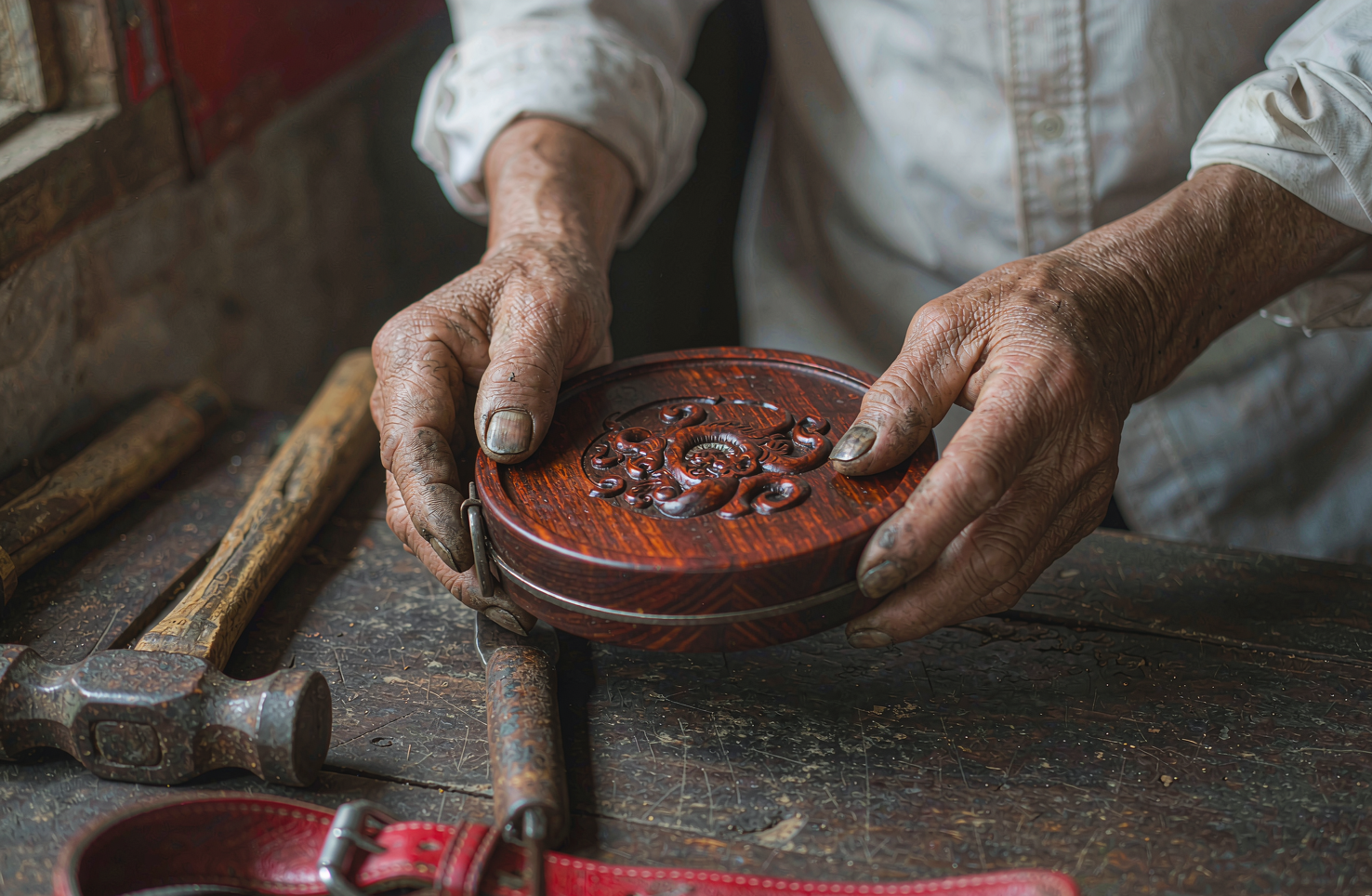
一件非遗手作凭什么"值":把时间的账算一遍
谈非遗手作,绕不开一个字:值。有人觉得贵得离谱,有人觉得便宜得可疑。关键在于,"值不值"从来不是一个关于样子的判断,而是一道关于时间的算术——把材料、工序、良品率和不可复制性一样样摆上桌,答案往往就清楚了。
韵和鸣 · 2026/10/9 · 11 阅读
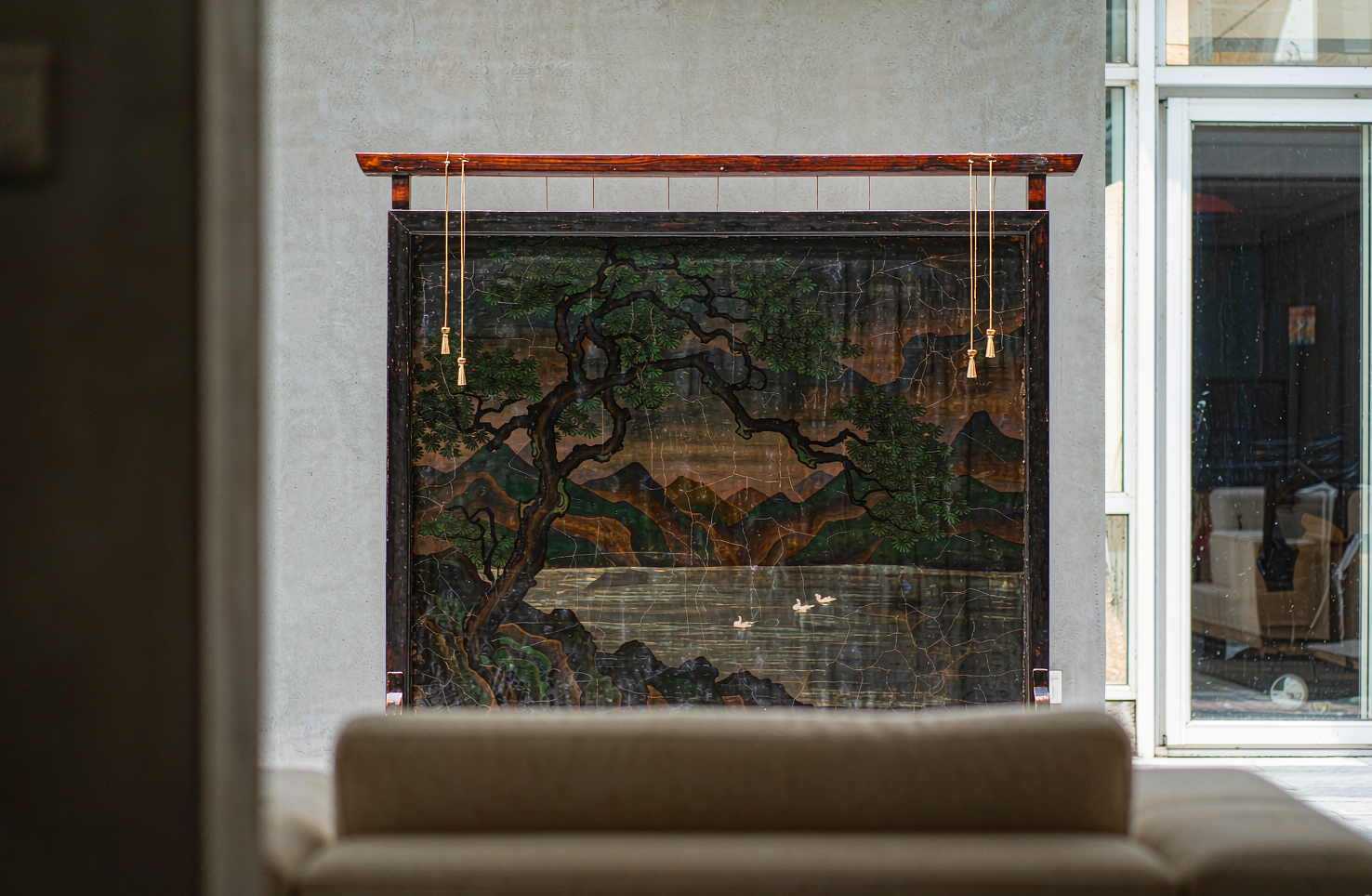
一面屏风,如何成为一个家的「眼」
老房子里,屏风从来不只是挡一挡。它决定你一进门先看哪里。四面墙的屋子有了屏风,才像有了一个"眼"。
韵和鸣 · 2026/10/8 · 11 阅读
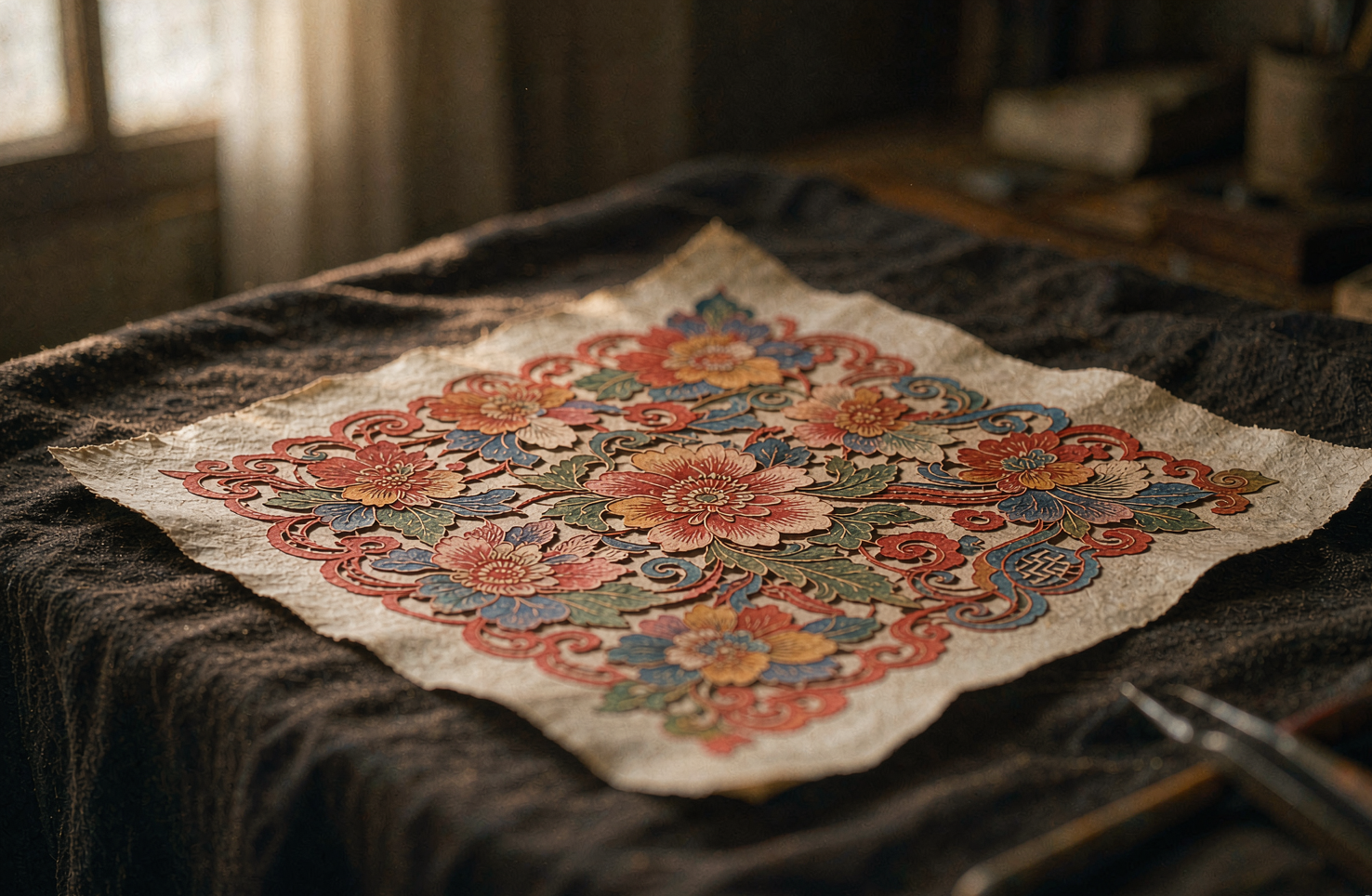
一张蔚县剪纸,彩色的刻刀活
严选录这一期看一张不太一样的剪纸:它不用剪刀,用刻刀;不止红色,还带着点染出来的粉与绿。河北张家口蔚县的剪纸,是剪纸大家族里"反着来"的一支——别处以剪为主、以红为正,蔚县以刻代剪、以点彩上色。说到底,这两个"反着来"的本质,是蔚县人把剪纸从窗前的女红,做成了作坊里的分工手艺:看懂了这一点,才算看懂了这张纸。
韵和鸣 · 2026/10/13 · 10 阅读
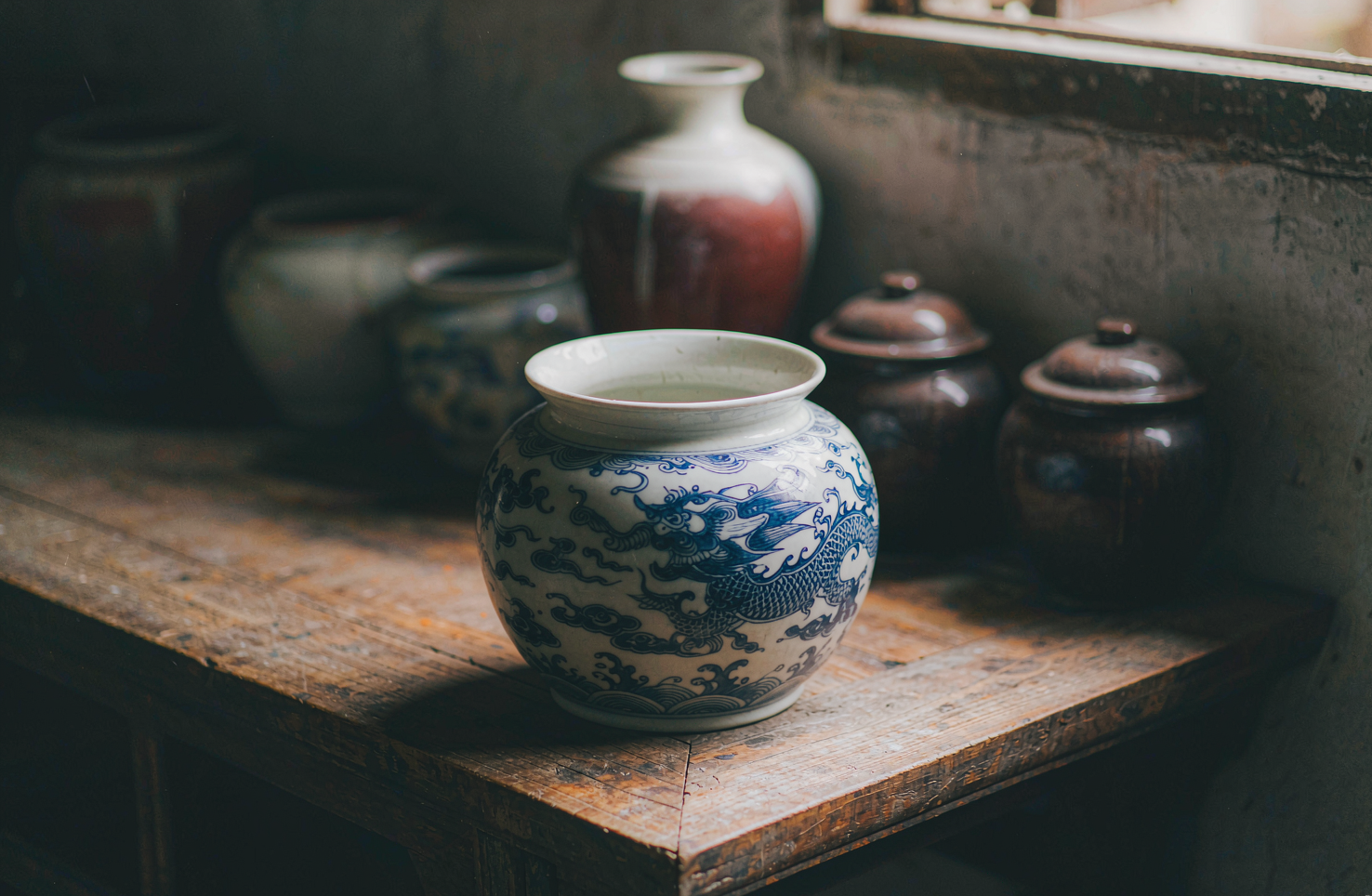
一盏博山琉璃:颜色是炉火给的,不是颜料调的
说到底,琉璃与玻璃的分界,不在透明不透明,而在颜色从哪来。在山东博山,一盏鸡油黄琉璃的颜色长在料里、生在炉里,出炉之后再不改色。这是严选录这一期想讲清楚的事。
韵和鸣 · 2026/10/12 · 9 阅读
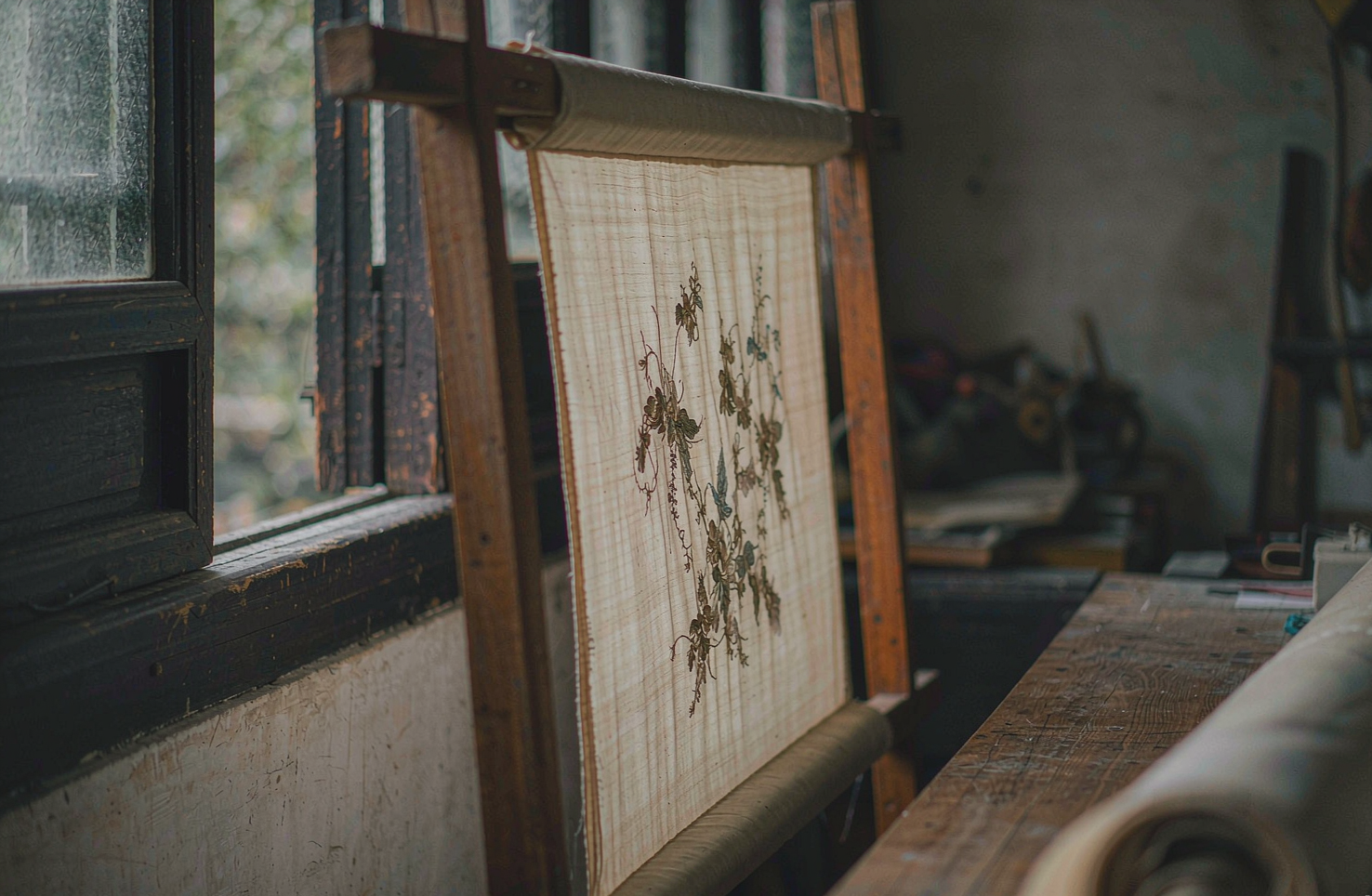
一枚苏绣绣片,丝光里藏着多少根丝
看一枚巴掌大的苏绣绣片,凑近了看,再凑近一点。你会发现它的光不是绣上去的,是"长"出来的——丝被劈到几乎看不见,一针一针顺着一个方向排,光就顺着丝走。说到底,苏绣的讲究,是从把一根丝线"拆开"那一刻开始的。
韵和鸣 · 2026/10/11 · 9 阅读