一位竹编老师傅说,劈篾这件事急不得
韵和鸣 · 韵和鸣公众号 · 2026/10/6 12:00:00 · 3 阅读
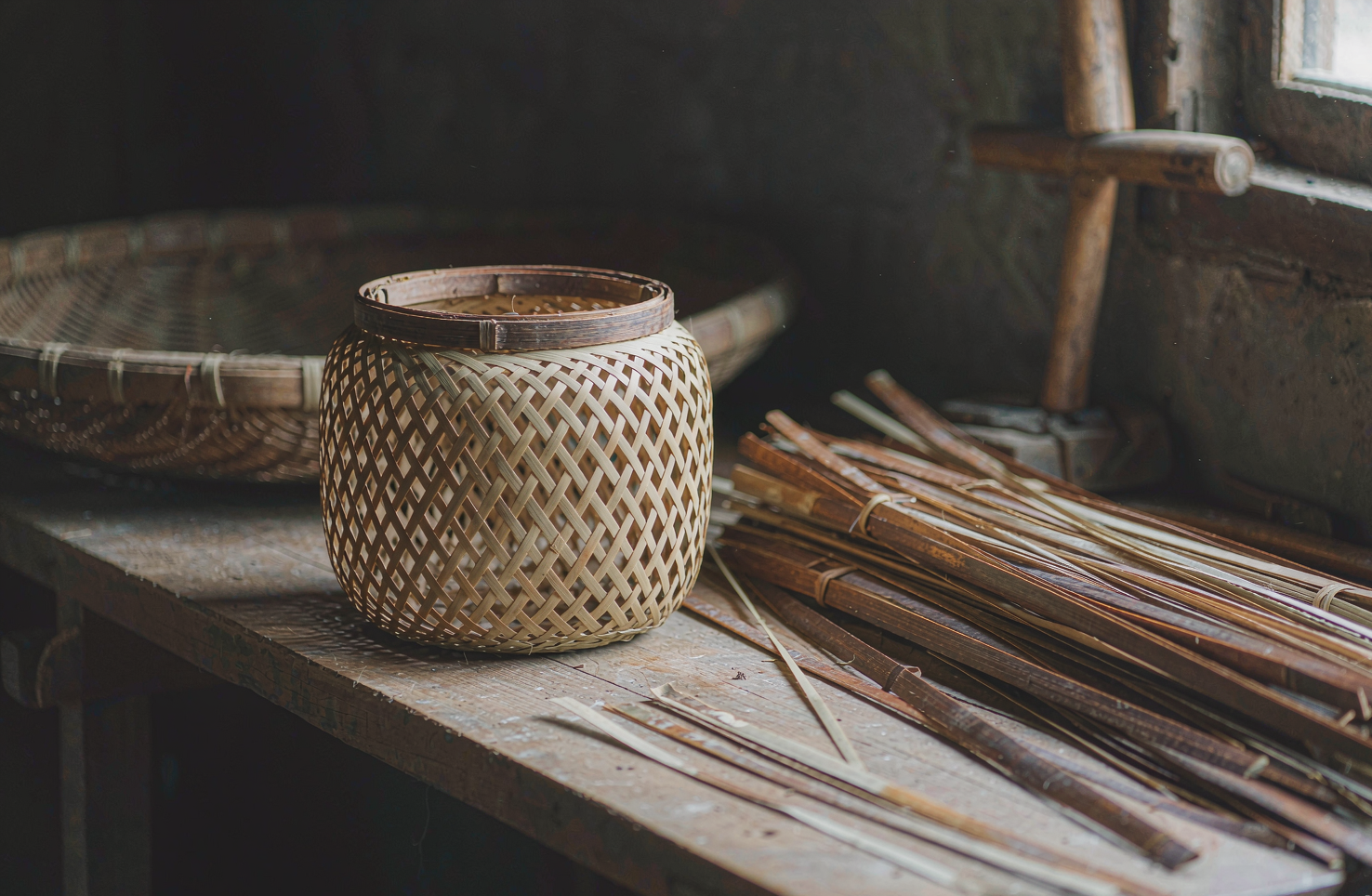
见过竹编的人,多半从成品看起——一只筐、一张席。老师傅却说,真正的功夫,在拿起刀的那半个小时里。
▍学竹编,先学"劈"
问老师傅,学竹编先学什么,答案多半不是"编",而是"劈"。
一根竹子拿回来,先剖开,再把竹片劈成薄薄的篾。刀口下多深、竹纤维往哪走、哪一节吃得住力、哪一节容易裂——这些判断都在手指上,不在图纸上。
新手劈出来的篾,厚薄不匀,一编就断。老师傅手里的篾,抽出来能透光,软,却不塌。
他还补了一句:刀比手重要。钝了不磨,硬使,劈出来的口子全是毛边,后面编到一半才知道后悔。所以开工之前先磨刀,是他几十年没改过的习惯。
他带过一个学徒,头一个月什么都没编,只劈篾。劈够一筐,才许动刀编东西。
学徒起初不服气,觉得自己是来学"编"的。老师傅说,篾劈不好,编得再快也是白搭——这就跟盖房子先看地基一个理。
▍篾的厚薄,是手上的记忆
竹篾的规格,本可以量。老师傅多半不量,一把捏过去,心里就有数。
这算不上一门玄学,是重复了太多遍之后,身体替眼睛记下的东西。同一件竹器,用的是同一种篾;换一件,厚薄就要重新找一遍。
手艺人常说的"手感",说的就是这个:它不在嘴上,也不在纸上,只在你做坏过多少个之后。
他还讲起一件小事:同样编一张席,夏天和冬天用的篾也不完全一样。天热手汗多,篾滑,劲要留三分;天冷篾脆,下刀要更轻。
有人劝他,为什么不干脆买现成的篾条省事。他笑笑:省下来的那点时间,最后都要在别处还回去。
▍选料这一关,没有人替你过
其实劈篾之前还有一步,往往被外人忽略——选竹。
竹子什么时节砍,砍下之后晾多久,哪几节能出好篾,哪几节只能做骨架,这些都得看。
老师傅说,同一片山里出来的竹子,也分几种脾气。太嫩的,水分足,做成器物后容易缩、容易裂;太老的,纤维发脆,一劈就毛。中间那一段,才是能用的。
这一步没法交给别人,它和后面所有工序都连着。料选错了,手上功夫再好,也补不回来。
▍起底:一张席子的开场
编竹席有个词,叫"起底"。
起底是经纬的头一次交汇——底起歪了,后面越编越偏,整张席子就废了。所以老师傅在这一步会花很久,一根一根对齐,宁慢勿错。
起好底,编就是重复:压一根,挑一根,经纬交替。动作本身不难,难的是几百上千次之后,手还稳不稳。
竹编的"经纬",说到底是一种结构思维——两根线各让一步,才能撑起一张面。
收边是另一道考校。边收得紧,席子才挺括;收得松,用上几个月,整张就散了架。
▍机器编得快,编不出的是什么
机器当然也能编。规整、均匀,一天能出很多件。
老师傅不否认这一点。他说,日常用度里需要便宜耐用的东西,机器来做没什么不好。
但他也在意另一件事:竹子这种材料,节与节之间不均匀。机器按同一套参数走,碰到硬一点、弯一点的地方,要么硬压过去,要么绕开。手会退让——它会顺着竹子的脾气,把劲收一收,再重新接上。
成品上,这点差别未必看得出来。摸久了,就摸出来了。
他还说,机器编出来的筐能装东西,手编的筐会跟着主人的习惯变形——哪边拿得多,哪边就先服帖下来。
▍一件竹器,其实能用很久
很多人以为竹器是"快消"的,用坏了就换。老师傅摇摇头。
好东西经得起用。竹编怕的从来不是用得多,而是放着不用:久放会干、会生虫;常摩挲、常通风,它反而越用越润,颜色慢慢沉下来,像被日子养过。
所以他会叮嘱来买筐的人一句:别舍不得用。器物该待的地方,是每天都被拿起来。
▍收束
离开时,老师傅手里还在劈篾。屋里没有别的声响,只有刀过竹子的那一声,短促、干净。
一门手艺传下去的,有时候就是这一声里包含的分寸。它教不会,只能陪出来。
他说,如今肯坐下来劈半天篾的年轻人不多了。他不催,只是把刀留着——谁想学,随时来。
你身边有坚守老手艺的匠人吗?留言告诉我们。
📩 非遗项目 | 匠人举荐 | 跨境出海 | 线下联营
欢迎留言或后台联系,我们与匠人同行。
—— 韵和鸣 · 与匠人同行
〖 匠 〗
English
Learning Bamboo Weaving Begins with the Split
Ask a veteran weaver what you learn first in bamboo weaving, and the answer is usually not "weaving" but "splitting."
A bamboo pole is first split open, then shaved into thin strips. How deep the blade goes, which way the fibers run, which node holds up and which tends to crack—these judgments live in the fingers, not on a drawing.
A novice's strips come out uneven and snap at once. The strips in a master's hand can be held up to the light—soft, yet not collapsing.
He adds one thing: the knife matters more than the hand. Use a dull blade by force and the cut goes all fuzzy—you only learn to regret it halfway through weaving. So sharpening before starting is a habit he has kept for decades.
He once took an apprentice who, for the whole first month, wove nothing and only split strips. Only after filling a basket was he allowed to start weaving.
At first the apprentice bristled, feeling he had come to learn weaving. The master said, if the strips are bad, weaving fast is wasted—the same as checking the foundation before building a house.
The Thickness of a Strip Is Memory in the Hands
The gauge of a strip can be measured. Yet a master mostly does not measure; one grip and he knows.
This is no mysticism; it is what the body remembers for the eyes after countless repetitions. One bamboo piece uses one gauge; change the piece, and the gauge must be found again.
What craftspeople call "feel" is exactly this: not in the mouth, not on paper, but in how many you have ruined first.
He mentions a small thing: weaving the same mat, the strips for summer and winter are not quite the same. In the heat the palms sweat and the strips slip, so leave some strength in reserve; in the cold the strips turn brittle, so cut more gently.
Some suggest he simply buy ready-made strips to save effort. He smiles: the time saved there will have to be paid back somewhere else.
Sourcing: No One Can Do This Step for You
Before the splitting, in fact, comes a step outsiders often overlook—choosing the bamboo.
When to cut the bamboo, how long to dry it afterward, which nodes yield good strips and which only serve as a frame—all of this must be judged.
The master says bamboo from the same hillside still comes in several tempers. Too young and it holds moisture, shrinking and cracking once it becomes an object; too old and the fibers turn brittle, going fuzzy at the first cut. The middle range is what can be used.
This step cannot be handed off; it ties into every later process. Choose wrong, and no amount of skill can make it back.
Weaving a bamboo mat has a term: "raising the base."
Raising the base is the first crossing of warp and weft—start crooked, and it wanders further with every pass; the whole mat is ruined. So a master lingers here, aligning strand by strand, slow rather than wrong.
Once the base is set, weaving is repetition: press one, lift one, warp and weft alternating. The motion is not hard; what is hard is whether the hand stays steady after hundreds, thousands of times.
The "warp and weft" of bamboo weaving is, in the end, a way of thinking about structure—two lines each yielding a step, so that a surface can be held up.
Closing the edge is another test. Pull it tight and the mat stays crisp; leave it loose, and within months the whole thing comes apart.
What a Machine Weaves Fast, and What It Cannot
Machines can weave, of course. Neat, even, many in a day.
The master does not deny it. For everyday things that must be cheap and durable, he says, there is nothing wrong with a machine making them.
But he cares about something else: bamboo is uneven from node to node. A machine runs on one fixed set of parameters; where the material turns harder or bends, it either forces through or skips. A hand yields—it follows the temper of the bamboo, eases off, then picks up again.
On the finished piece the difference may not show. Hold it long enough, and you feel it.
He adds that a machine-woven basket can hold things, while a hand-woven one changes with its owner's habits—whichever side is gripped more is the side that softens first.
Many take bamboo ware as disposable—use it up and replace it. The master shakes his head.
A good piece can take use. What bamboo weaving fears was never heavy use but being left unused: sit long enough and it dries, draws insects; handle it often, air it well, and it grows smoother with use, its color settling down as if raised by the days.
So he tells anyone buying a basket one thing: do not stint on using it. The place an object belongs is in the hand, picked up every day.
When I left, the master was still splitting strips. No other sound in the room but the blade passing through bamboo—brief, clean.
What a craft passes down is sometimes the measure contained in that one sound. It cannot be taught; it can only be accompanied into being.
He says few young people today will sit and split strips for half a day. He does not press them; he only keeps the knife—whoever wants to learn can come anytime.
ICH Projects · Artisan Referrals · Global Distribution · Salon Partnerships
你可能还感兴趣
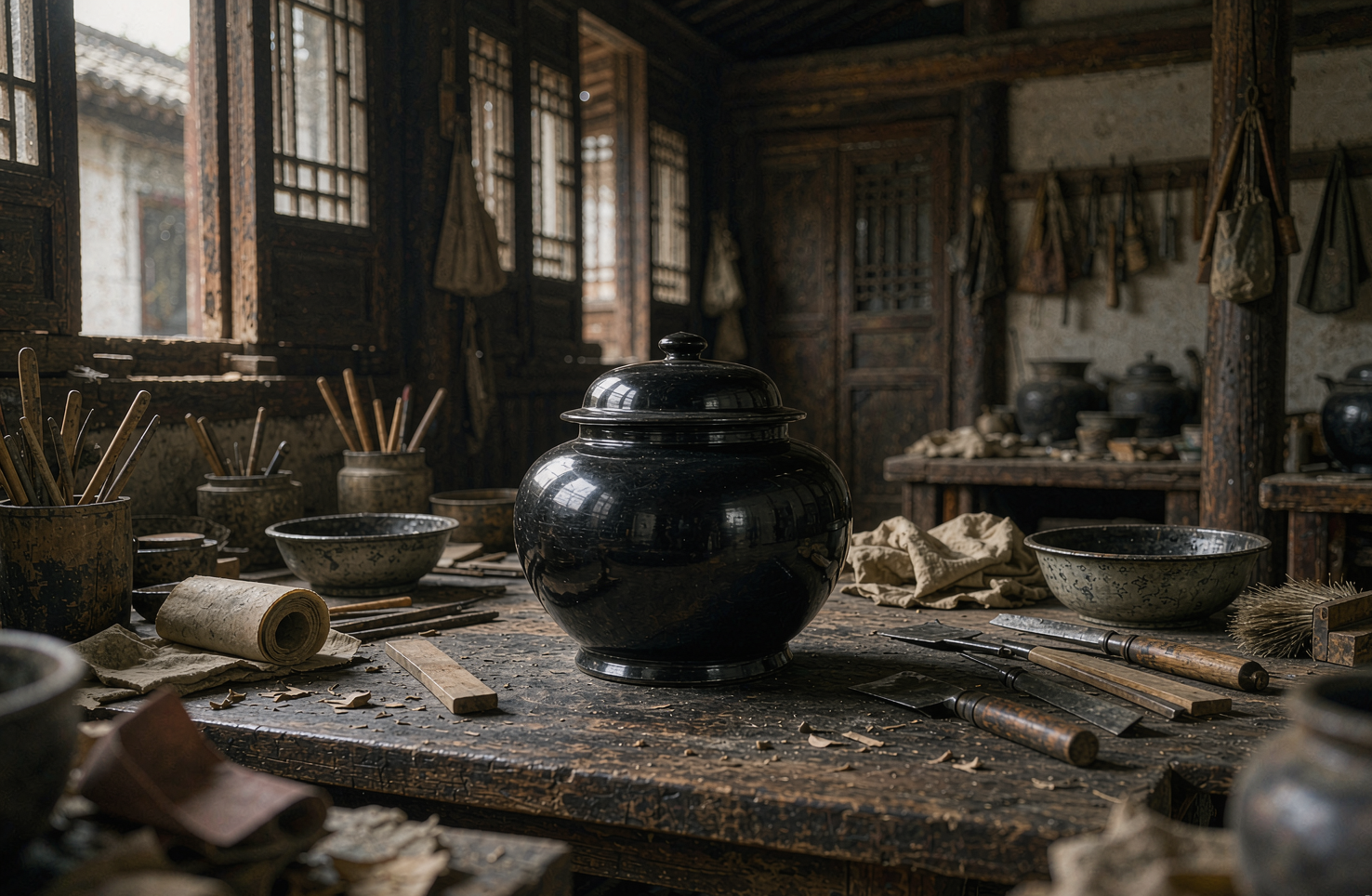
漆器为什么能埋八千年不坏
在博物馆做漆器研究与修复的研究员老周,桌上常年摆着两样东西:一段出土的漆皮残片,一只新做不久的平遥推光漆盘。他说这两样东西隔着八千年,却是同一种材料。这次对话,我们从"漆器为什么埋几千年不坏"聊起,聊到最后,其实是手艺对材料的理解问题。
韵和鸣 · 2026/10/14 · 16 阅读
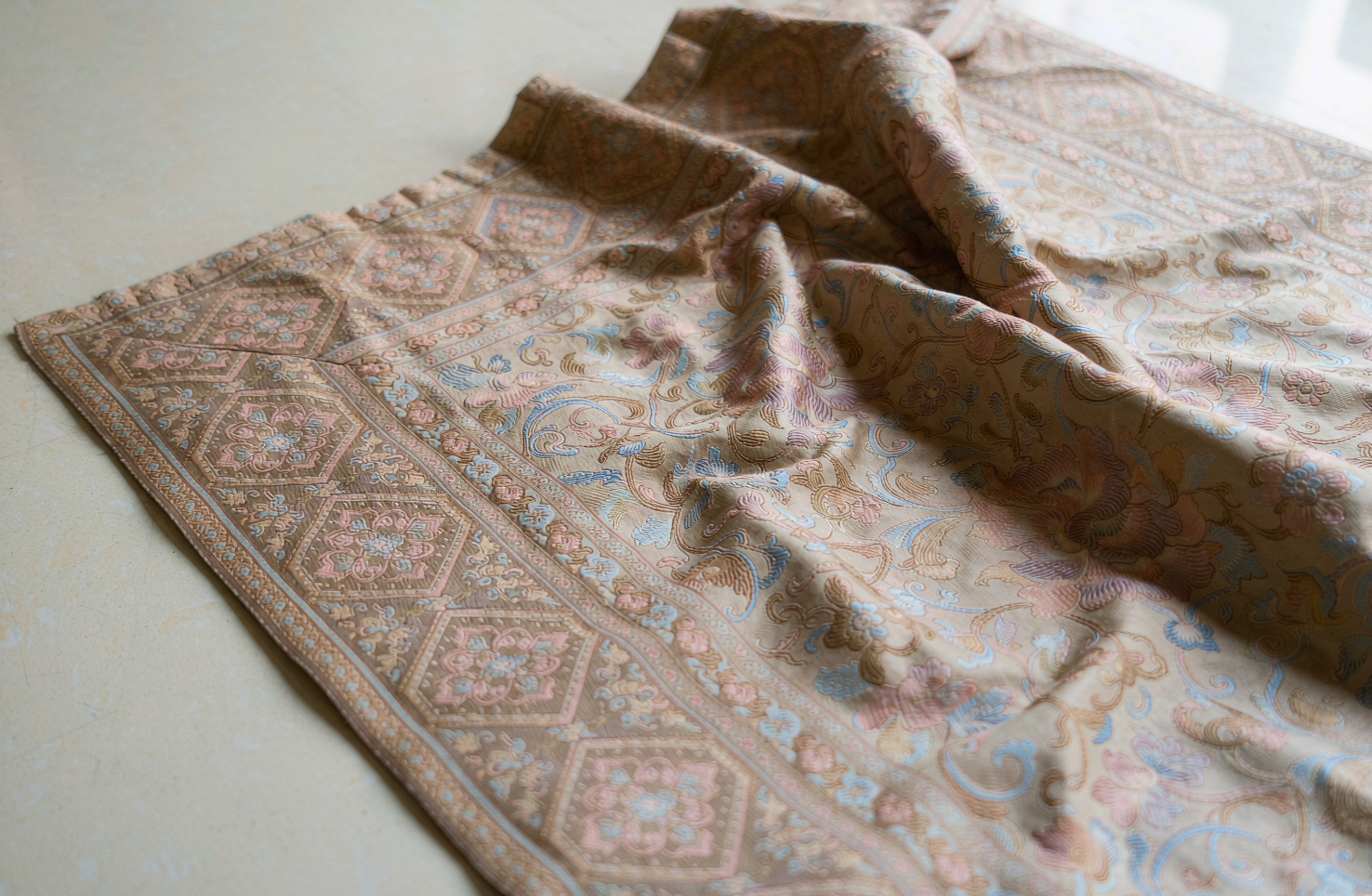
一方宋锦里,藏着宋人的审美秩序
初见宋锦,我的反应不是"好看",而是"安静"。它不像人们想象里的锦那样满身是光。带我看锦的老师傅说,正是这份安静,最难织。
韵和鸣 · 2026/10/8 · 11 阅读
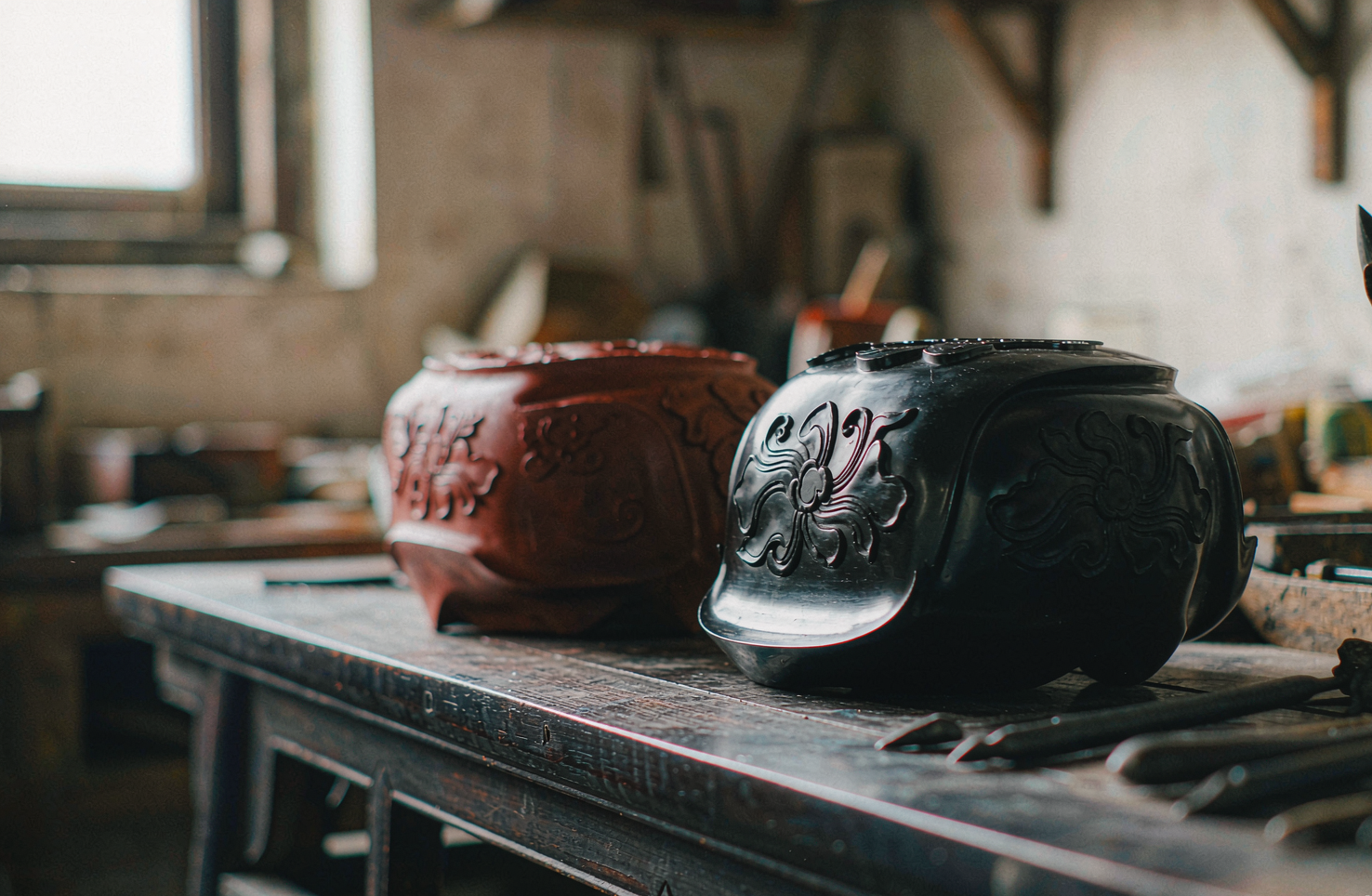
一位漆器匠人的失败清单,那些没做成的器物
一间漆坊的账,通常记的是卖出了多少件;平遥一位做了三十多年推光漆器的老师傅,却另有一个本子,专记做坏了多少件。失败清单这门"倒着记的账",恰恰是手艺扎实与否的底细——器物耐看的那一面,是从废品堆里刨出来的。
韵和鸣 · 2026/10/12 · 9 阅读
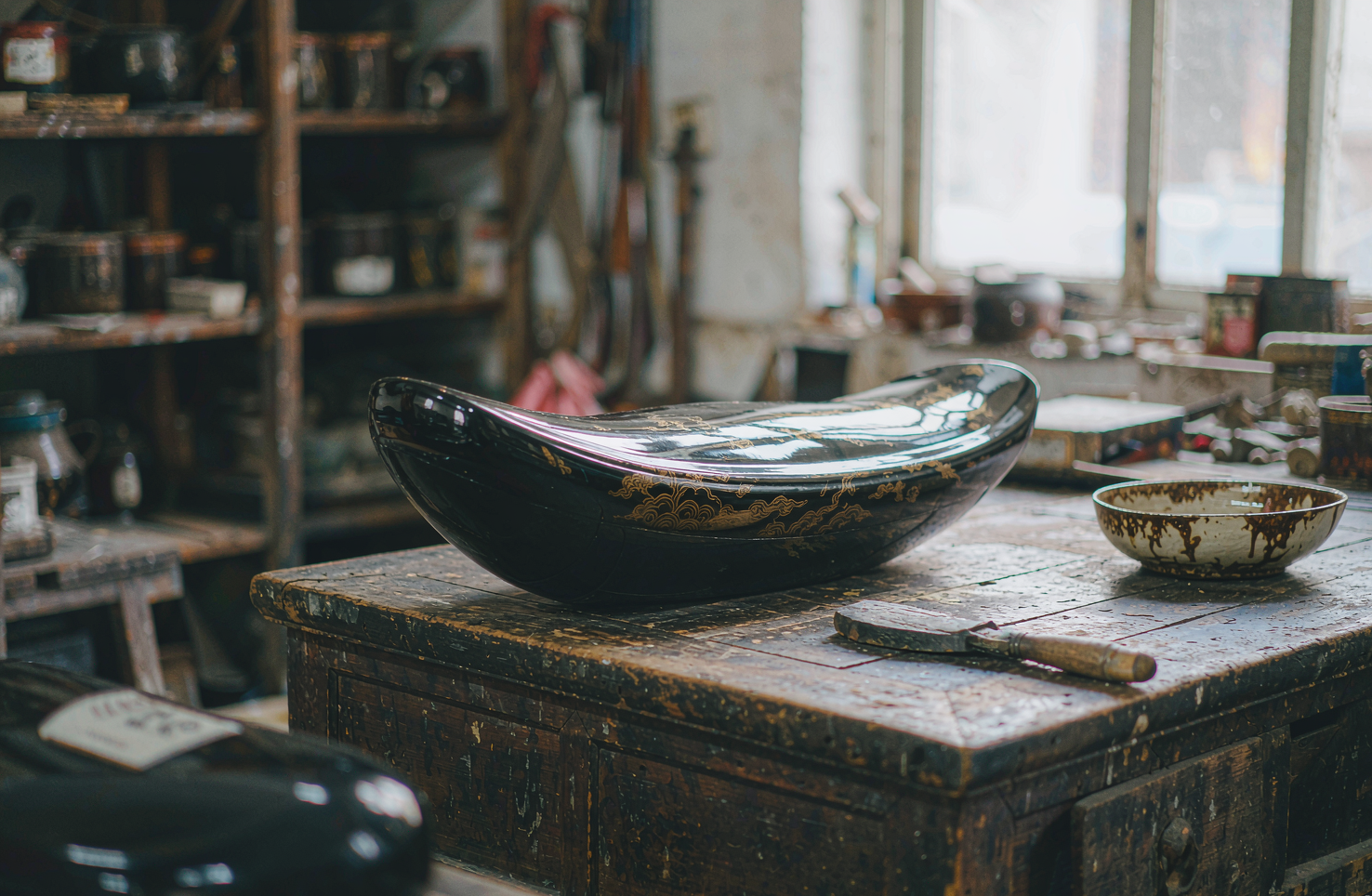
十六岁学艺,他如今想让漆器走进年轻人的家
在平遥,学漆艺的人正在换代。老匠人把五十年的功夫交给徒弟,年轻教师把漆带进课堂。一门千年手艺要传下去,卡住的往往不是技法。
韵和鸣 · 2026/10/2 · 5 阅读
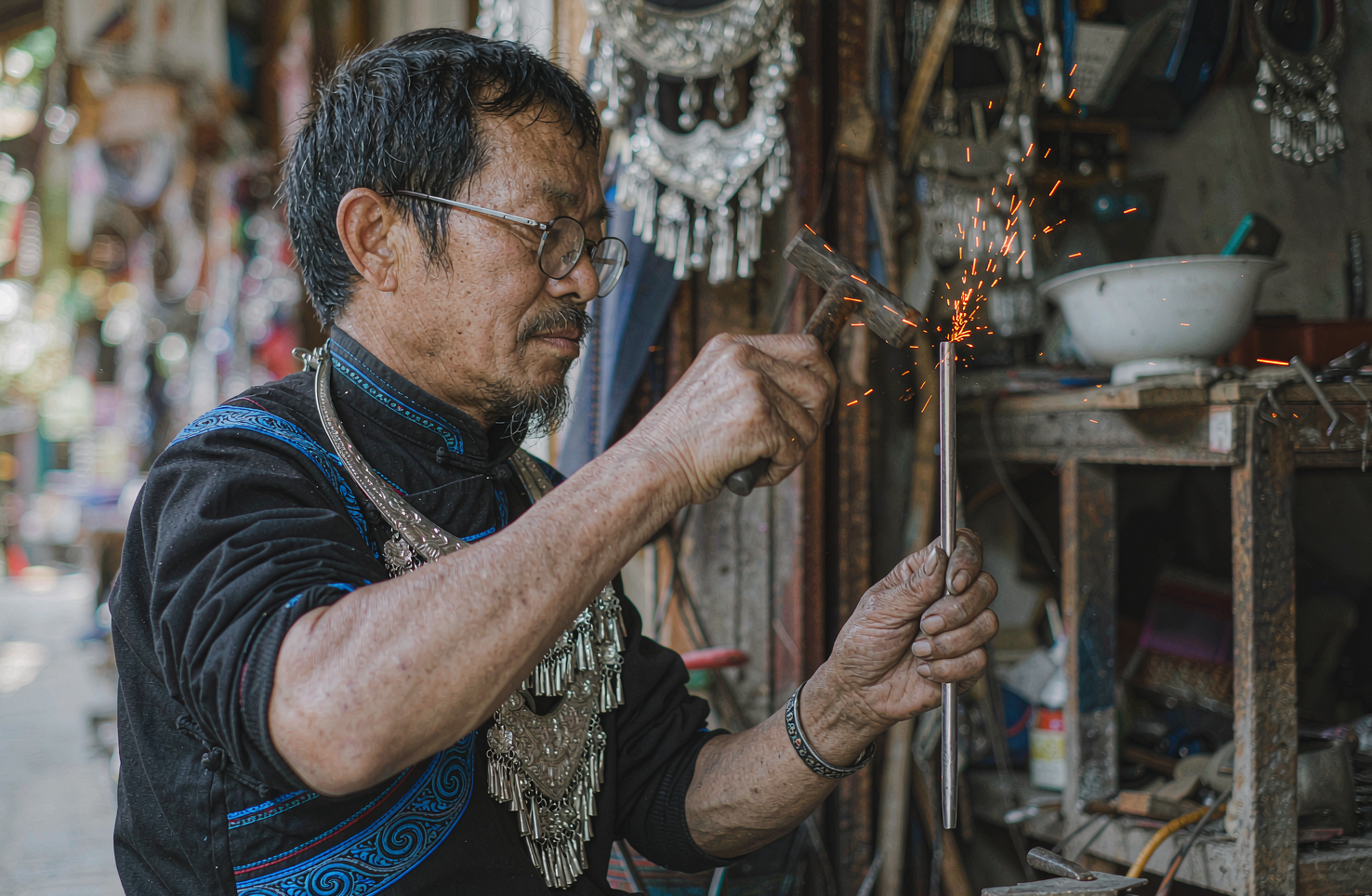
去贵州雷山,看一块银元如何变成一支银簪
在黔东南的苗寨里,银不只是一种首饰材料。它曾经是可以随时熔掉、重新打制的"存款",也是节日里一个女人身上最亮的那部分。关键在于,当一块老银元被放进坩埚,它要经过多少双手、多少道火,才重新成为一件能戴出门的东西。
韵和鸣 · 2026/10/9 · 27 阅读
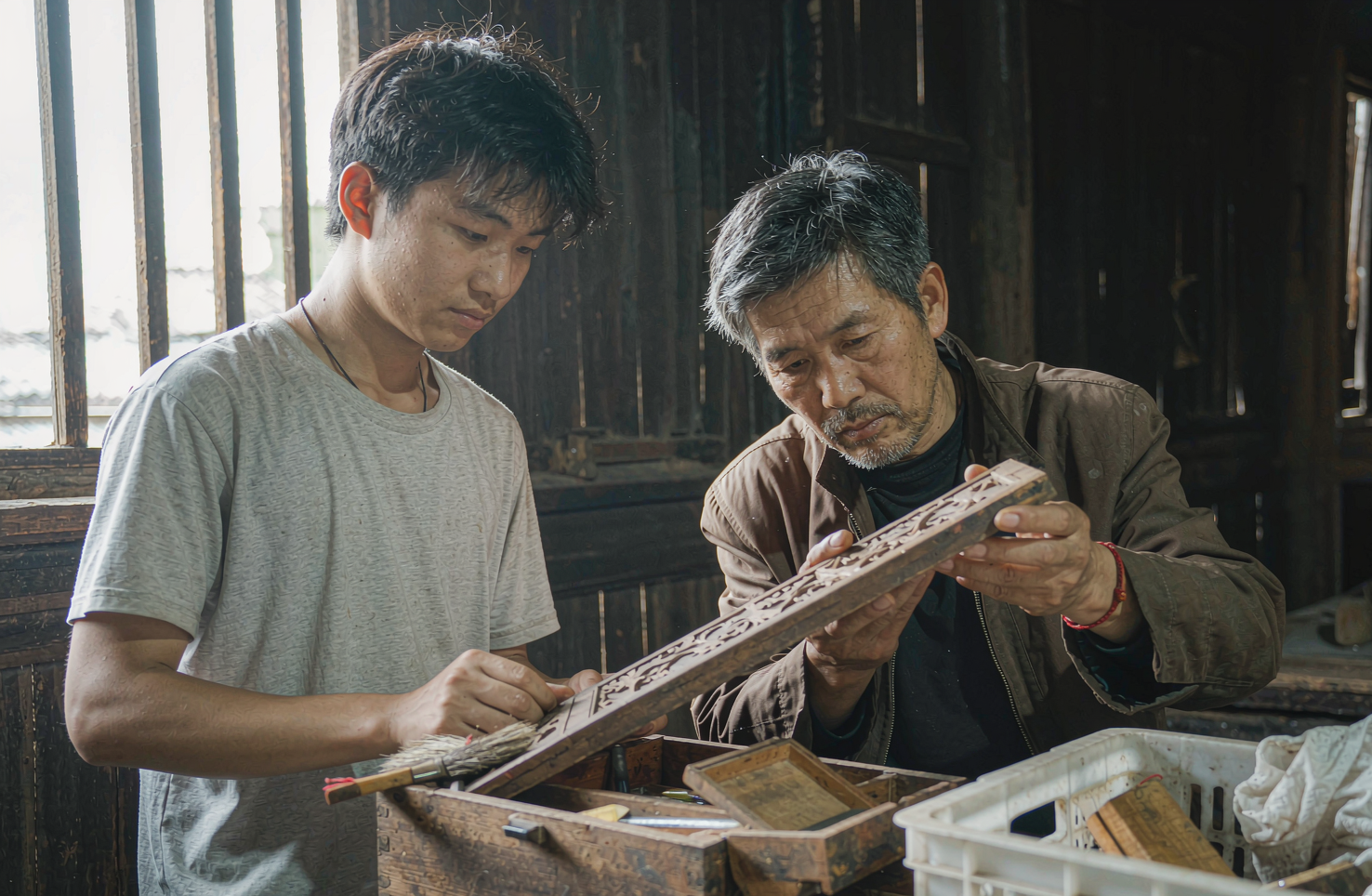
年轻人不愿学老手艺,该怪年轻人,还是怪这门手艺?
非遗传承里被讨论得最多的一句话是"后继乏人"。这句话往下追一层,就分成两条路:一条通向年轻人,说他们耐不住、看不上;一条通向他们面对的那门手艺,说它没能给出一条能活下去的路。这两条路,最近又吵起来了。
韵和鸣 · 2026/10/8 · 11 阅读