一枚苗银漆艺胸针,如何被年轻人穿在身上
韵和鸣 · 韵和鸣公众号 · 2026/10/5 12:00:00 · 3 阅读
最初注意到这枚胸针,是在一位年轻人的西装翻领上。银白的一小片,压着一线深褐色的漆,不声张,却很抓眼。走近了看,才知道它身上叠着两门手艺——苗银的錾刻,和平遥的推光漆。
银与漆,天性是相反的。
银是冷的,光在表面走,利落、清亮;漆是温的,光沉进去,含蓄、内敛。把这两样放到同一件小器物上,本身就是一件有难度的事——不是"拼在一起",而是让它们各自显出好处,又不打架。
胸针的银,来自苗族的银饰锻制技艺。漆,来自平遥的推光漆器髹饰技艺。一枚巴掌都不到的东西,跨了两千多里地。
先说银这一半。
苗银不是浇铸出来的,是打出来的。匠人先熔银、锻打成片,再拿起錾子,一锤一凿地在银片上"走线"。錾子有很多种,头子形状不同,落下去的声音也不同——老匠人靠听,就知道这一下是深了还是浅了。
苗族聚居的地方,银饰从来不只是饰品。它和节日、婚嫁、身份连在一起,是一份穿在身上的记忆。所以匠人打银时,心里装的不是一件"货",而是这件东西将来要被谁戴、戴多久。
这份心事,落到一枚小小的胸针上,分寸就格外要紧:既要留住银饰的分量感,又不能做得沉重——毕竟它是给人日常佩戴的,不是压箱底的。
錾上去的纹样,多半取自苗族传统的图腾与自然意象。它们不像现代设计里的几何线条那样规整,一笔一画都有自己的脾气——这也是手工的痕迹:同样的纹样,同一位匠人做两枚,也不会完全一样。
再说漆这一半。
Now the lacquer half.
漆要附着在银上,比附着在木胎上更难。银面光滑,漆抓不牢;银会随温度微微伸缩,漆膜若太脆,日子一久就容易起皮、开裂。
所以漆不能一次涂厚,只能一层一层"养"上去。每髹一层,都要进阴干房静置,等它在恰当温湿度里慢慢结膜;出来再打磨,再髹下一层。一层漆,一个夜里。一直髹到颜色沉稳、漆面温润,才轮到最后的推光。
两个传承体系的东西,要在一枚胸针上会合,中间靠的是反复试。银的形制要留出漆的位置,漆的厚薄要顺着银的弧度走——哪一处磨过头,前功尽弃。
异材结合,最考验的不是手上的功夫,而是"设计"的功夫。
银与漆的收缩率不同,天气一变,一个胀、一个缩,接缝处最先出问题。所以打样阶段,匠人和设计师要反复试:漆面留多宽、银边收多窄、哪一处该露银、哪一处该盖漆,都要一件一件试出来。试坏的样,比做成的成品还多。
这也是"严选"在此类融合器物上格外严的原因。我们看的从来不只是成品好不好看,而是它经不经得起日复一日的佩戴——一件要被戴在身上、带出门的东西,任何一处虚的,都藏不住。
说到底,器物要被人用,才活得下来。
这枚胸针最讨巧的地方,是它把非遗从"摆件"变成了"配饰"。它不是放在柜子里供着的,是别在衣服上、跟着人出门的。
西装翻领上别一枚,是克制;针织衫、素色衬衫上别一枚,是点睛。它可以配通勤,也可以配一场晚宴;银的冷和漆的温,正好压得住不同的衣着。
更重要的是,戴上它的人,多半会忍不住告诉别人一句"这是苗银加漆做的"。器物一旦被戴出门,它就替手艺开口说话——这比在展柜里被看一百眼,都更有用。
养护也不难:摘下来用软布擦一擦,不与硬物同放,洗澡、游泳前取下,避开长时间暴晒,它的光泽就能慢慢养出来。银会随佩戴微微氧化,反而多了一层时间感;漆要的则是别磕、别刮。一件器物能被用好几年,靠的从来不是娇贵,而是这两句寻常的照看。
一枚胸针当然不大。但非遗若要走进今天的生活,往往就是从这样一枚小小的、可以被戴出门的器物开始的。
你会把非遗戴在身上吗?评论区说说你的那件非遗配饰。
📩 非遗项目 | 匠人举荐 | 跨境出海 | 线下联营
欢迎留言或后台联系,我们与匠人同行。
English
Silver and lacquer are opposite by nature.
Silver is cold; light travels across its surface, crisp and bright. Lacquer is warm; light sinks in, reserved and restrained. Setting these two on one small object is difficult in itself—not merely "putting them together," but letting each show its own virtue without clashing.
The brooch's silver comes from the Miao craft of silver forging; its lacquer from Pingyao's polished-lacquerware decoration technique. An object smaller than a palm, spanning more than two thousand li.
Begin with the silver half.
Miao silver is not cast but forged. The craftsman first melts the silver and hammers it into a sheet, then takes up a chisel and, blow by blow, "walks a line" across the metal. There are many kinds of chisels, their tips of different shapes, and each one rings differently as it lands—an old craftsman can tell by ear whether a strike went too deep or too shallow.
Where the Miao live, silver ornaments have never been mere adornment. They are bound up with festivals, marriage, and standing—a memory worn on the body. So when the craftsman works the silver, what is on his mind is not a "product" but who will wear this thing, and for how long.
That intent, brought down to a small brooch, calls for particular care: it must keep the silver's sense of weight, yet not turn heavy—after all, it is meant for daily wear, not for the bottom of a chest.
The patterns chased into the metal are drawn mostly from Miao traditional totems and natural motifs. They are not as regular as the geometric lines of modern design; every stroke has a temper of its own—and this is the trace of the hand: the same motif, made twice by the same craftsman, will never come out exactly the same.
For lacquer to adhere to silver is harder than to adhere to a wood body. The silver surface is smooth and the lacquer cannot take hold; and silver expands and contracts slightly with temperature, so a brittle film will soon peel or crack.
So the lacquer cannot be laid on thick at once; it can only be "cultivated" layer by layer. Each coat goes into the drying room to rest, curing slowly at the right temperature and humidity; then it is ground and the next coat applied. One coat, one night. Only when the color has settled and the surface is gentle does the final hand-polishing come.
Bringing the work of two transmission lineages together on one brooch depends on repeated trial. The silver's form must leave room for the lacquer, and the lacquer's thickness must follow the silver's curve—grind any point too far and all is undone.
In combining unlike materials, what is tested most is not the skill of the hand but the skill of design.
Silver and lacquer shrink at different rates; when the weather shifts, one swells while the other contracts, and the seam is the first to give trouble. So in the sampling stage, craftsman and designer test repeatedly: how wide to leave the lacquer surface, how narrow to draw the silver rim, where to expose the silver, where to cover with lacquer—each piece is worked out by trial. More samples are spoiled than finished.
This is also why "curation" is especially strict with such hybrid pieces. What we look at is never merely whether the finished object is handsome, but whether it will withstand being worn day after day—for a thing meant to be worn and carried out the door, no weak point can hide.
In the end, an object lives only if it is used.
The brooch's cleverest move is that it turns heritage from an "ornament on display" into an "accessory." It is not something enshrined in a cabinet but something pinned to clothing, going out with its wearer.
On a lapel it is restraint; on a knit or a plain shirt it is the finishing touch. It suits a commute or an evening; the cold of silver and the warmth of lacquer hold their own against different clothes.
More than that, whoever wears it will likely not resist telling someone, "this is made of Miao silver and lacquer." Once an object goes out into the world, it speaks for the craft—worth more than a hundred glances behind glass.
Care is simple: wipe it with a soft cloth after taking it off, keep it away from hard objects, remove it before bathing or swimming, avoid long exposure to strong sun, and its sheen will gradually be raised. The silver oxidizes slightly with wear, gaining a sense of time; the lacquer asks only not to be bumped or scratched. That an object lasts for years depends not on fragility but on these two ordinary pieces of care.
A brooch is certainly small. But if heritage is to enter today's life, it often begins with just such a small object that can be worn out the door.
ICH Projects · Artisan Referrals · Global Distribution · Salon Partnerships
你可能还感兴趣
一件漆器该有多重,手感不会说谎
严选器物,看纹样、看款识、看证书,都是明面上的事。但有一道标准写不进任何参数表——上手。同一尺寸的两只漆盘,一只压手温润,一只轻飘干瘪,差别从何而来?这次把"分量"这件事拆开讲。说到底,重量是工序的记账本。
韵和鸣 · 2026/10/14 · 14 阅读
一面屏风,如何成为一个家的「眼」
老房子里,屏风从来不只是挡一挡。它决定你一进门先看哪里。四面墙的屋子有了屏风,才像有了一个"眼"。
韵和鸣 · 2026/10/8 · 12 阅读
一件非遗手作凭什么"值":把时间的账算一遍
谈非遗手作,绕不开一个字:值。有人觉得贵得离谱,有人觉得便宜得可疑。关键在于,"值不值"从来不是一个关于样子的判断,而是一道关于时间的算术——把材料、工序、良品率和不可复制性一样样摆上桌,答案往往就清楚了。
韵和鸣 · 2026/10/9 · 11 阅读
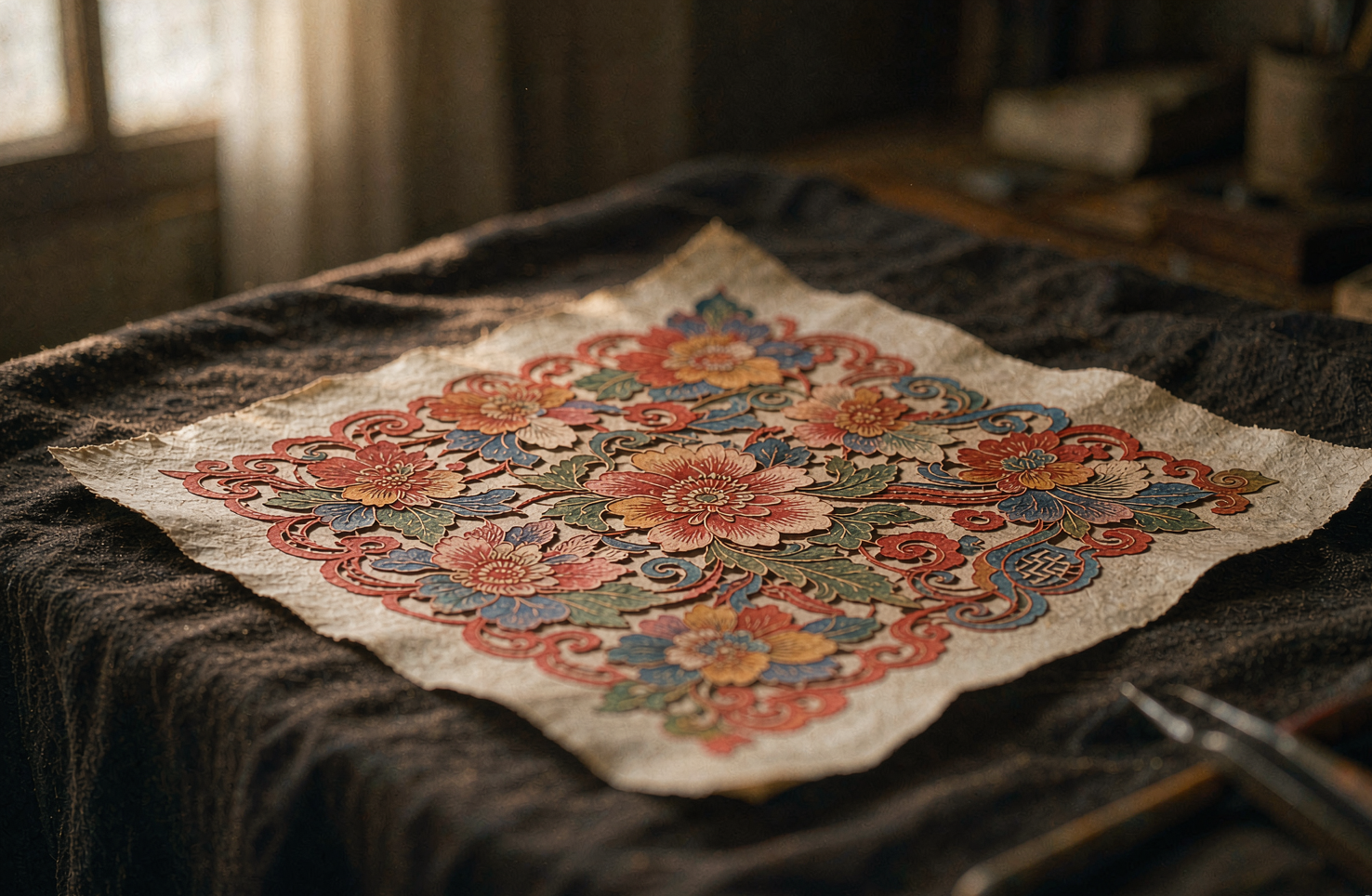
一张蔚县剪纸,彩色的刻刀活
严选录这一期看一张不太一样的剪纸:它不用剪刀,用刻刀;不止红色,还带着点染出来的粉与绿。河北张家口蔚县的剪纸,是剪纸大家族里"反着来"的一支——别处以剪为主、以红为正,蔚县以刻代剪、以点彩上色。说到底,这两个"反着来"的本质,是蔚县人把剪纸从窗前的女红,做成了作坊里的分工手艺:看懂了这一点,才算看懂了这张纸。
韵和鸣 · 2026/10/13 · 10 阅读
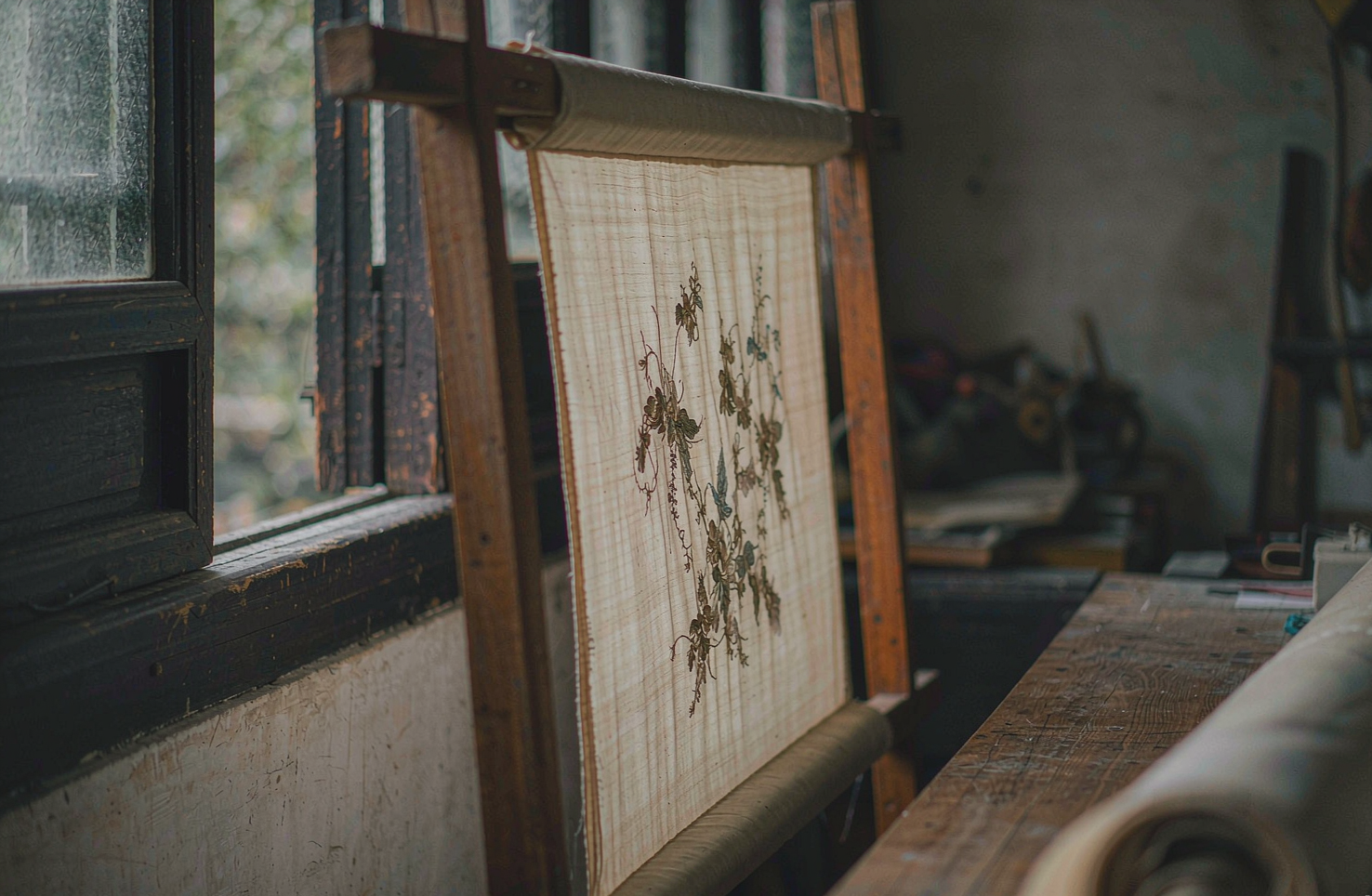
一枚苏绣绣片,丝光里藏着多少根丝
看一枚巴掌大的苏绣绣片,凑近了看,再凑近一点。你会发现它的光不是绣上去的,是"长"出来的——丝被劈到几乎看不见,一针一针顺着一个方向排,光就顺着丝走。说到底,苏绣的讲究,是从把一根丝线"拆开"那一刻开始的。
韵和鸣 · 2026/10/11 · 10 阅读
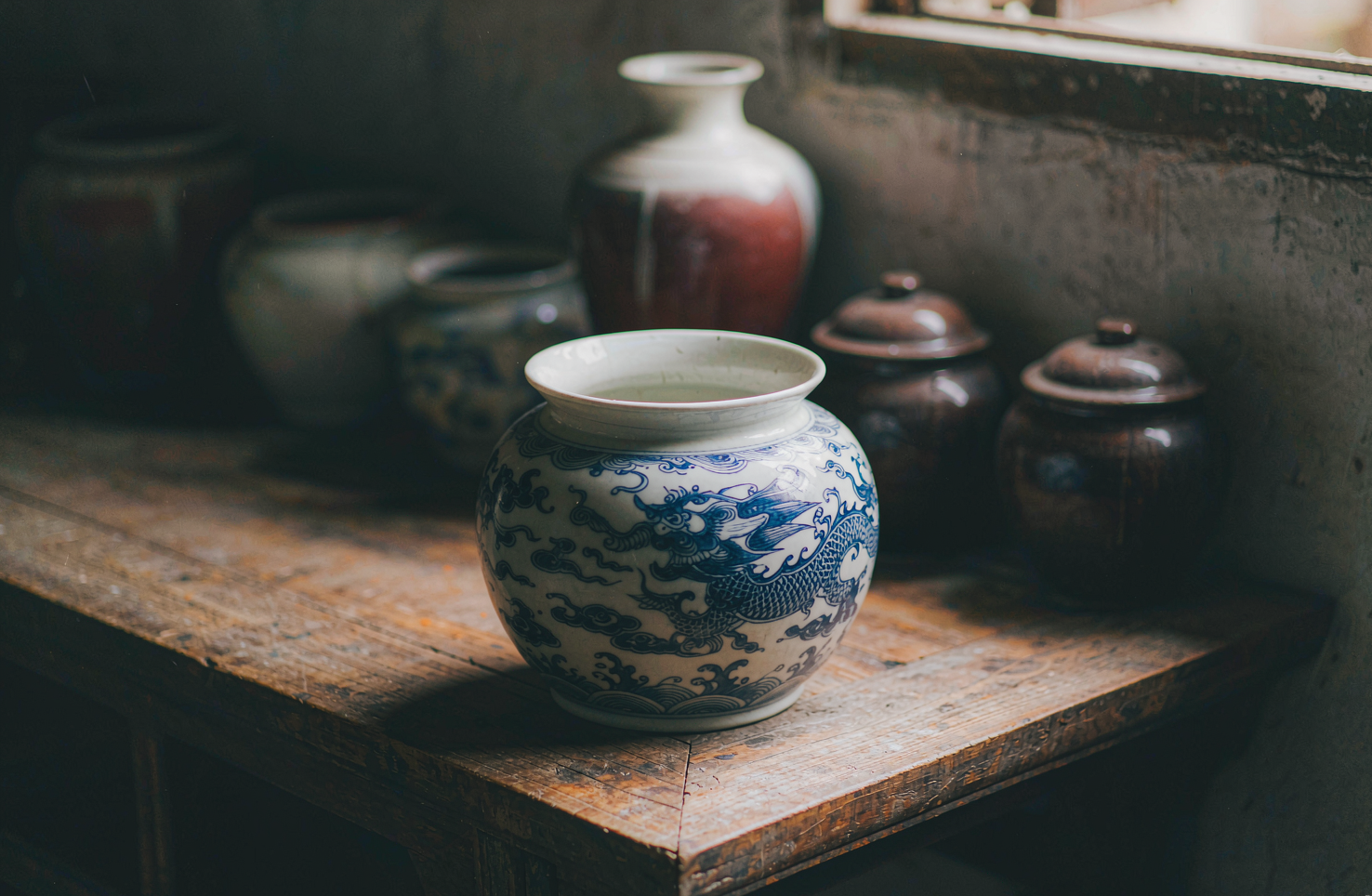
一盏博山琉璃:颜色是炉火给的,不是颜料调的
说到底,琉璃与玻璃的分界,不在透明不透明,而在颜色从哪来。在山东博山,一盏鸡油黄琉璃的颜色长在料里、生在炉里,出炉之后再不改色。这是严选录这一期想讲清楚的事。
韵和鸣 · 2026/10/12 · 9 阅读