平遥古城里的百年漆坊:一桶大漆,要熬过多少个夜
韵和鸣 · 韵和鸣公众号 · 2026/10/5 12:00:00 · 3 阅读
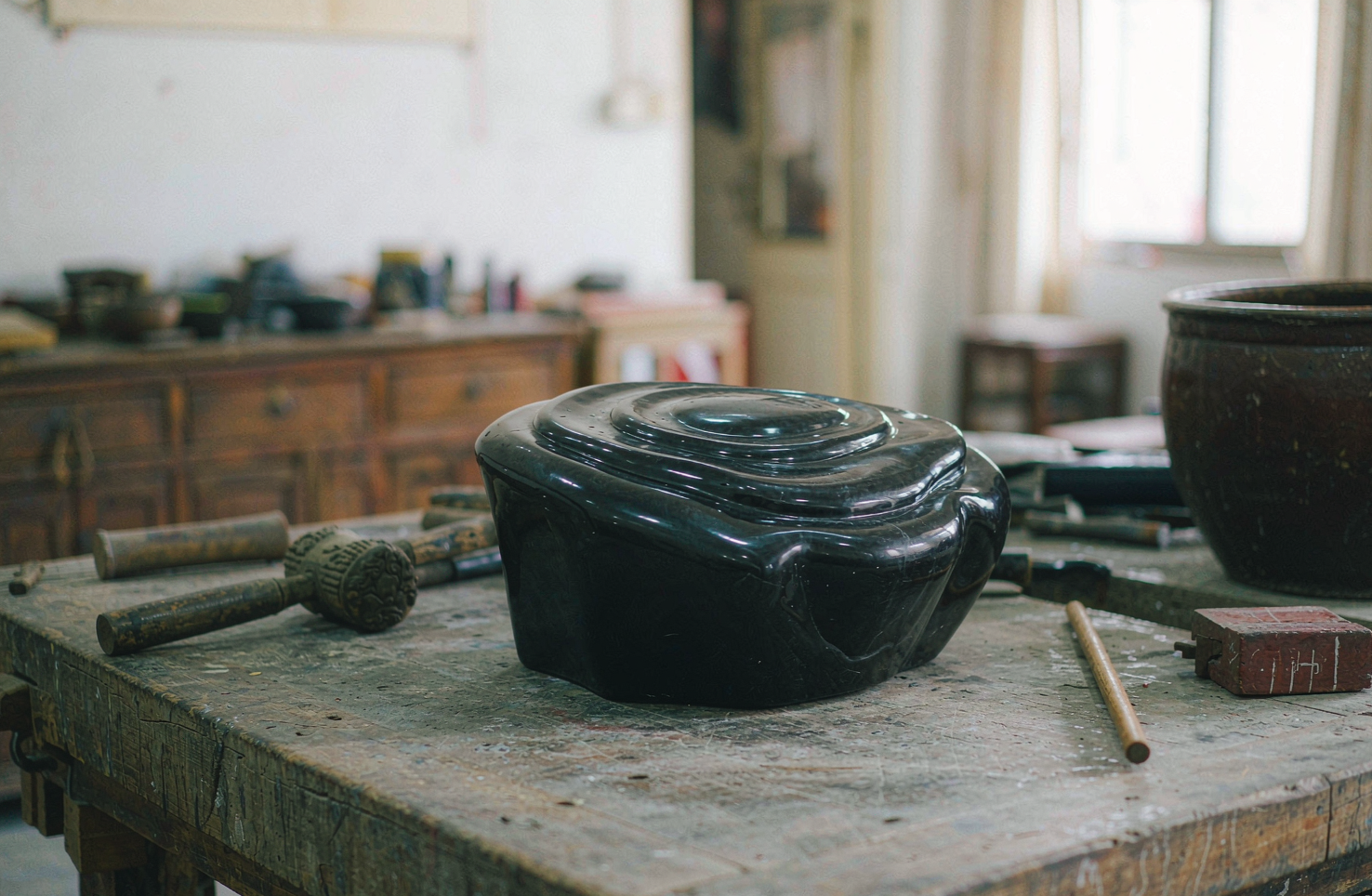
傍晚的平遥古城,游客散去,巷子安静下来。拐进一条不起眼的窄巷,推开一扇木门,是一间还亮着灯的漆坊。屋里没有赶工的紧张,只有一桶漆,静静地放在角落里——像在等待什么。
先说来路。这桶漆不是工业品,它是生漆——从漆树上割下来、流进竹筒里的树汁。
割漆是件辛苦活。漆树要长到一定年头才肯出漆,割口要选得恰到好处,深一分伤树,浅一分流不出。老话说"百里千刀一斤漆",说的大概就是这个意思:你走很远的路,下很多刀,最后得到的,只是一斤漆。
割漆还挑时辰。三伏天里,漆树出漆最旺,漆农常常天不亮就上山,赶在日头最毒之前把口子割完——太阳一烈,漆就稠,流不畅。一季下来,割漆人两只手被漆咬得又黑又肿,那是一种被称作"漆疮"的过敏。
所以漆坊里的匠人,对原料有种近乎爱惜的克制。漆是不肯浪费一点的。
生漆刚收回来,不能直接用。里面还混着树皮碎屑、杂质和水分,要先过滤。
过滤的器具简单得让人意外:一块细密的布,两只盆。匠人把漆倒在布上,让它在重力里慢慢渗过去,渗不下去的渣滓留在布上。这活儿急不得,一急,力道一偏,杂质就跟着下去了。
我问师傅:这一遍要多久?他说,看漆,看天。天热,漆活络,走得快些;天凉,它就慢。你催它,它不听。
他还教我看漆的成色:刚滤过的漆偏浅,静置一段,颜色会一点点沉下来,像醒过的茶。什么时候能用,什么时候还得再等,全在师傅的一双眼和一只手——不看表,看漆。
我忽然明白,这家漆坊头一道门槛,不是手艺,而是耐心。
过滤好的漆,接下来是一遍遍地髹涂。
平遥的推光漆器,讲"七髹八磨"——髹是涂漆,磨是打磨,一层漆配一遍磨,来回往复。听上去像工序表,做起来却是日复一日。
磨也不是随便磨。用的是细水砂,蘸水,力道匀着走;磨过了,漆膜受伤,磨不到位,下一层漆就咬不住。每一遍磨,都是在给上一层"找平",也是在给下一层"留手"。
关键在于每一层漆,都要在阴干房里静置,等到结膜到位,才能进行下一层。太干,它干不透;太潮,它起皱。所谓的"阴干",是让漆在恰当的温湿度里,慢慢自己凝固。
于是漆坊的一天,是这样被切开的:白天髹漆、打磨,夜里把器物送进阴干房,第二天早上再看结果。一层漆,隔一夜。一桶漆髹完,器物要经历多少个夜,匠人心里也没法精确数清——他只知道,急一层,就白一层。
漆髹到最后一层,真正的收尾叫推光。
推光不用机器,用掌心。匠人蘸上细粉,顺着一个方向,一下一下地推磨,一遍,又一遍。手掌的温度和力道,是机器给不了的——它均匀、耐心,又带着人的判断:哪里该重,哪里该轻。
推到最后,漆面会"亮"出来。那种亮不是浮在表面的反光,而是从漆里透出来的、温润的一层光。所谓"漆面如镜,越擦越亮",说的就是这个。
推光也是最"磨人"的一道。一坐就是大半天,手上不能停,心也不能散。师傅说,推光推的是漆,也是人——心里一急,手就重了,手一重,那层光就"死"了。
回看整间漆坊,我记住了两处细节。
一处是那桶仍在角落里的漆。它从山上走来,隔着千里,挨过千刀,如今还要在这里耐心等待,走完它自己的路。
另一处是漆匠的那双手。掌纹里嵌着洗不净的褐色,是几十年漆的痕迹。
有人问,现在都讲效率,为什么还要这么慢。漆匠没直接回答,只说了句:漆要人等它,不是它等人。
临走时,我在门口还看到一位年轻的学徒。他正低着头,一遍遍地给一只小盒推光,动作不快,却很稳。老师傅没去打扰他——有些事,只能自己磨出来。
一桶大漆要熬过多少个夜,也许本来就不是一道算术题。它是这门手艺的脾气——你若肯等它,它就还你一层经得起推敲的光。
你还想看到哪一门非遗的现场?留言告诉我,我们替你去走一趟。
📩 非遗项目 | 匠人举荐 | 跨境出海 | 线下联营
欢迎留言或后台联系,我们与匠人同行。
English
Begin with where it comes from. This bucket holds no industrial product but raw lacquer—sap cut from lacquer trees and gathered in bamboo tubes.
Tapping lacquer is hard work. A lacquer tree must grow for years before it will yield, and the cut must be made just so—a shade too deep and the tree is harmed, a shade too shallow and nothing flows. The old saying, "a hundred li and a thousand cuts for one catty of lacquer," likely means just this: you walk a long way and make many cuts, and what you finally get is one catty of lacquer.
Tapping also keeps to a season. In the hottest days of summer, when the trees yield most freely, the tappers often set out before dawn to finish the cuts ahead of the fiercest sun—once the sun is high, the sap thickens and will not run well. By the end of a season, a tapper's hands are blackened and swollen by the lacquer, an allergy known as "lacquer sores."
That is why the craftspeople in the workshop treat their material with something close to tenderness. Not one drop of lacquer is meant to be wasted.
Freshly gathered raw lacquer cannot be used as it is. It still holds bits of bark, impurities, and moisture, and must first be strained.
The straining tools are surprisingly simple: a piece of close-woven cloth and two basins. The craftsman pours the lacquer onto the cloth and lets gravity pull it slowly through; what cannot pass stays behind as dregs. This job will not be hurried—rush it, lean too hard, and the impurities come through with the lacquer.
I asked the master how long a pass takes. It depends on the lacquer and on the weather, he said. When it is warm the lacquer is lively and moves faster; when it is cool, it slows. Try to rush it and it simply will not listen.
He also taught me to read the lacquer's color: freshly strained, it runs pale; let it rest and the color settles little by little, like tea after it has opened up. When it is ready and when it still must wait rests entirely on the master's eye and hand—not on a clock, but on the lacquer itself.
It suddenly struck me that the very threshold of this workshop is not skill but patience.
Once strained, the lacquer is applied again and again.
Pingyao's polished lacquerware speaks of "seven coats and eight grindings"—coating and grinding, one coat paired with one round of grinding, over and over. It sounds like a process chart; in practice it is day after day.
Nor is the grinding done offhand. It uses fine water-abrasive paper, dipped in water, moved with an even pressure; grind too much and the film is damaged, grind too little and the next coat cannot take hold. Every pass levels the coat beneath and leaves a handhold for the coat to come.
The key is that every coat must rest in the drying room until its film cures properly before the next coat begins. Too dry and it will not cure through; too damp and it wrinkles. This "shade-drying" is letting the lacquer slowly set on its own, at the right temperature and humidity.
So a day in the workshop is divided like this: coat and grind by day, send the pieces into the drying room at night, and see the result the next morning. One coat, one night apart. How many nights pass before the whole bucket is used up, even the craftsman cannot count exactly—he knows only that rushing one coat wastes the coat.
At the final coat, the true finish is called hand-polishing.
Hand-polishing uses no machine, only the palm of the hand. Dipping into fine powder, the craftsman pushes and rubs in one direction, again and again. The warmth and pressure of a palm are what a machine cannot provide—steady, patient, and carrying human judgment: where to press harder, where to ease off.
Polished to the last, the surface begins to shine. That shine is not a reflection floating on the surface but a gentle light coming from within the lacquer. "A surface like a mirror, brighter with every rub" means exactly this.
Hand-polishing is also the most wearing of the steps. You sit for half a day, hands never stopping, mind never wandering. The master says that in polishing the lacquer you are also polishing yourself—let impatience rise and the hand presses too hard, and once it does, that light goes "dead."
Looking back over the whole workshop, two details stayed with me.
One is that bucket of lacquer still in the corner. It came down from the mountain, across a thousand li, through a thousand cuts, and now must wait patiently here to finish its own road.
The other is the craftsman's hands. In the lines of the palms is a brown that will not wash out—the mark of decades of lacquer.
Someone asked: everyone talks about efficiency now, so why still so slow? The craftsman did not answer directly. He said only this: lacquer waits for a person, not a person for lacquer.
As I was leaving, I noticed a young apprentice by the door. Head down, he was polishing a small box over and over, unhurried but steady. The old master did not disturb him—some things can only be ground out by oneself.
How many nights a bucket of lacquer must endure may never have been a sum to solve. It is the temper of the craft—wait for it, and it returns to you a light that stands up to scrutiny.
ICH Projects · Artisan Referrals · Global Distribution · Salon Partnerships
你可能还感兴趣
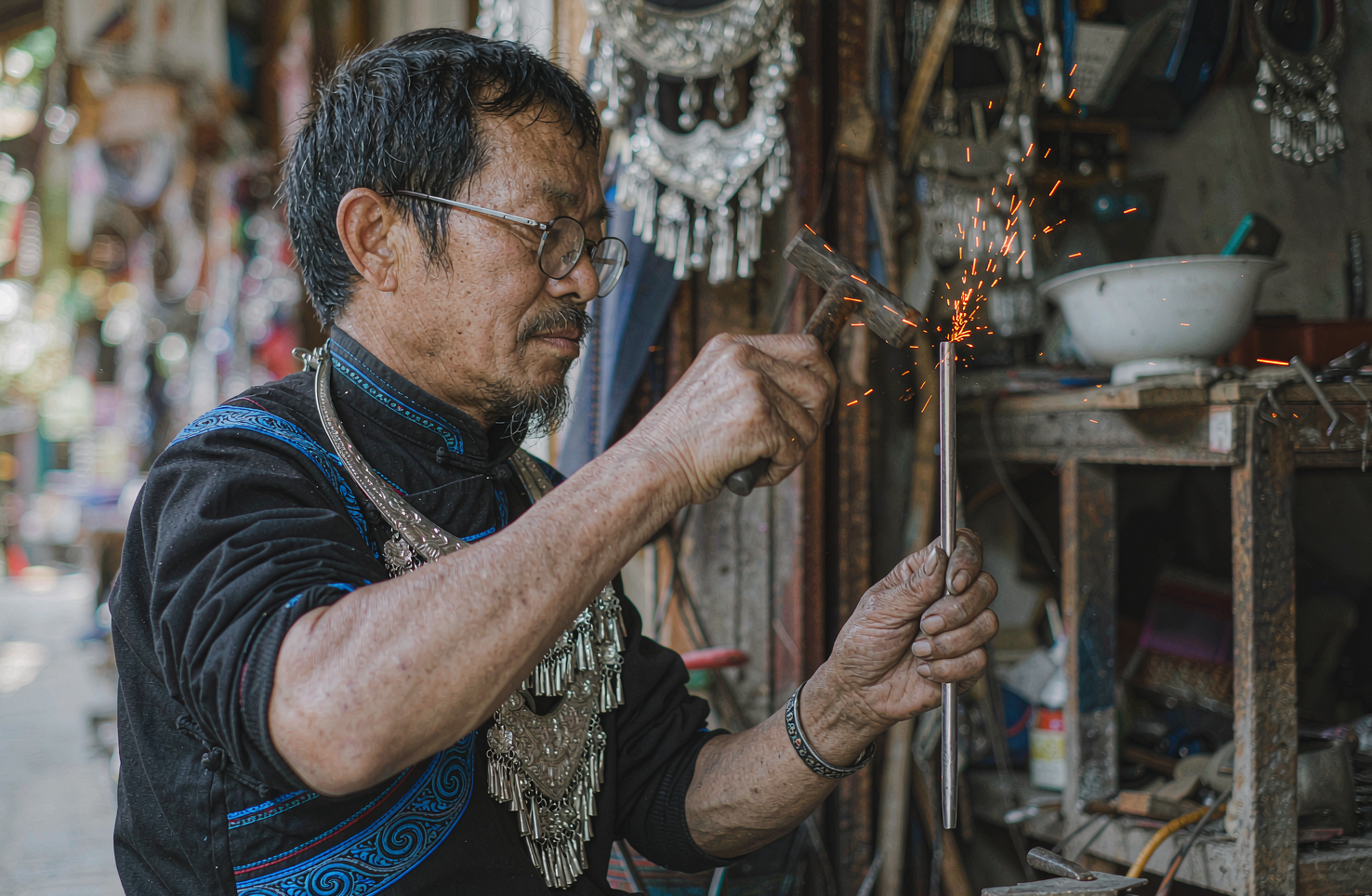
去贵州雷山,看一块银元如何变成一支银簪
在黔东南的苗寨里,银不只是一种首饰材料。它曾经是可以随时熔掉、重新打制的"存款",也是节日里一个女人身上最亮的那部分。关键在于,当一块老银元被放进坩埚,它要经过多少双手、多少道火,才重新成为一件能戴出门的东西。
韵和鸣 · 2026/10/9 · 27 阅读
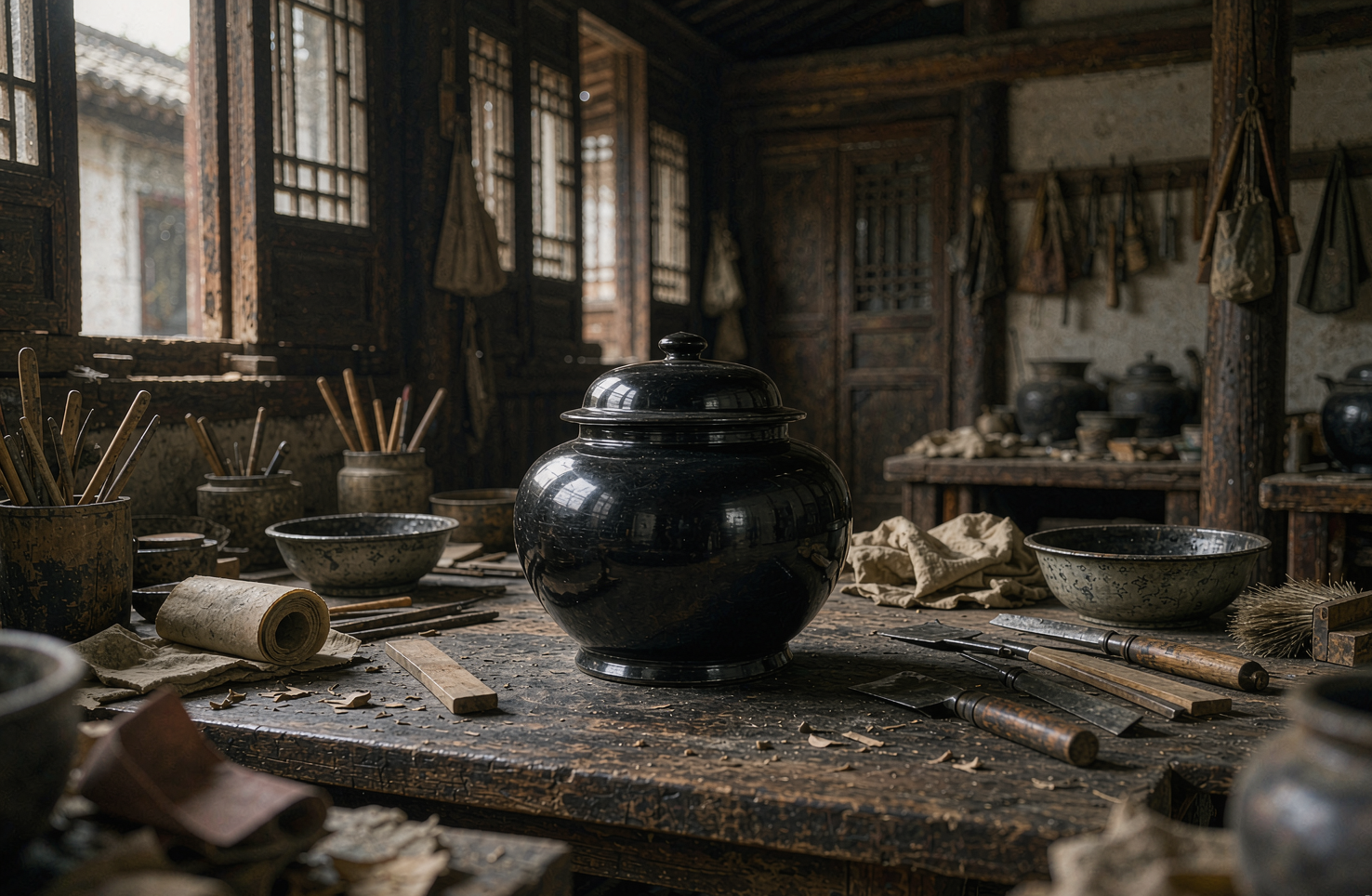
漆器为什么能埋八千年不坏
在博物馆做漆器研究与修复的研究员老周,桌上常年摆着两样东西:一段出土的漆皮残片,一只新做不久的平遥推光漆盘。他说这两样东西隔着八千年,却是同一种材料。这次对话,我们从"漆器为什么埋几千年不坏"聊起,聊到最后,其实是手艺对材料的理解问题。
韵和鸣 · 2026/10/14 · 16 阅读
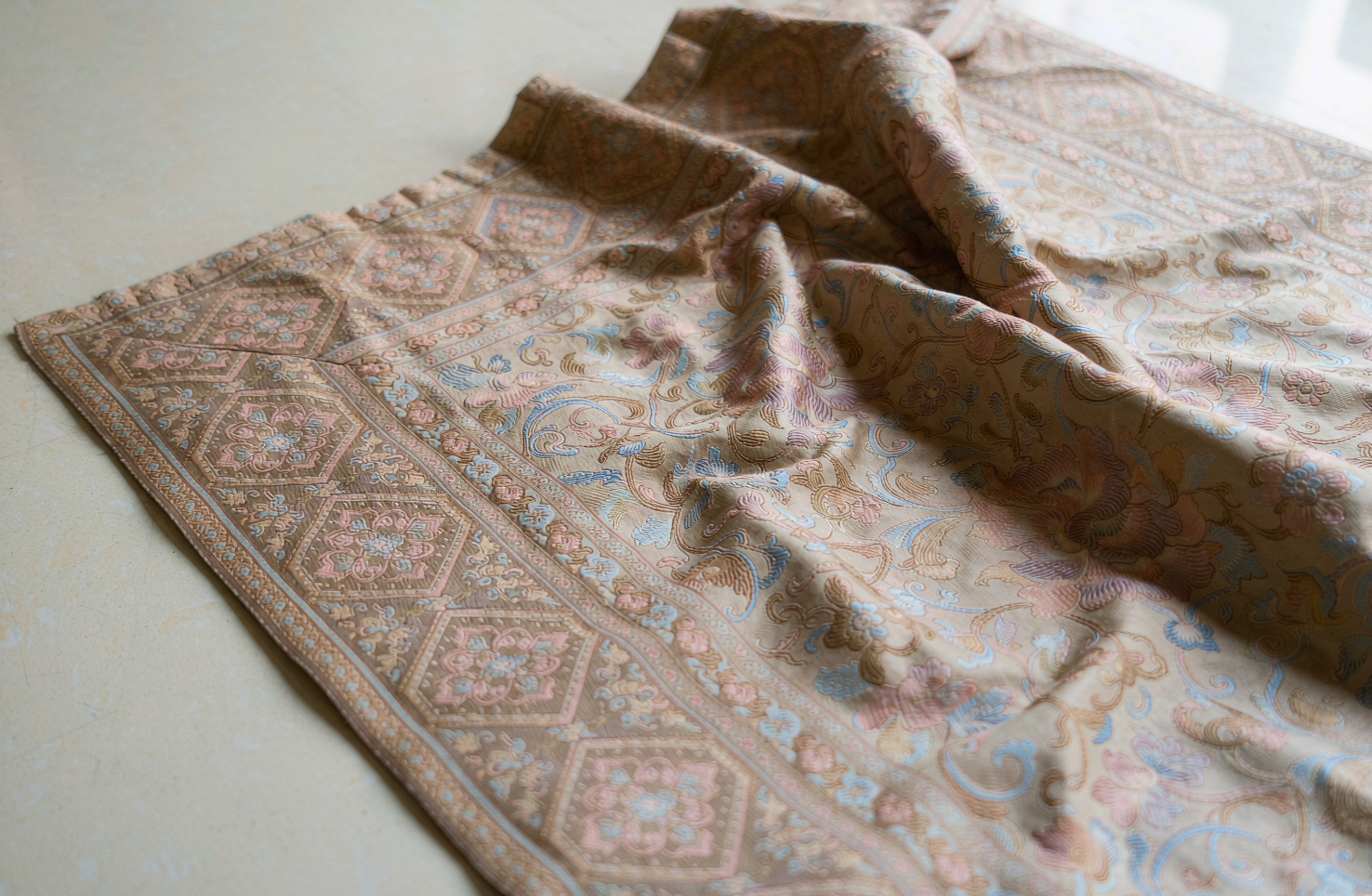
一方宋锦里,藏着宋人的审美秩序
初见宋锦,我的反应不是"好看",而是"安静"。它不像人们想象里的锦那样满身是光。带我看锦的老师傅说,正是这份安静,最难织。
韵和鸣 · 2026/10/8 · 11 阅读
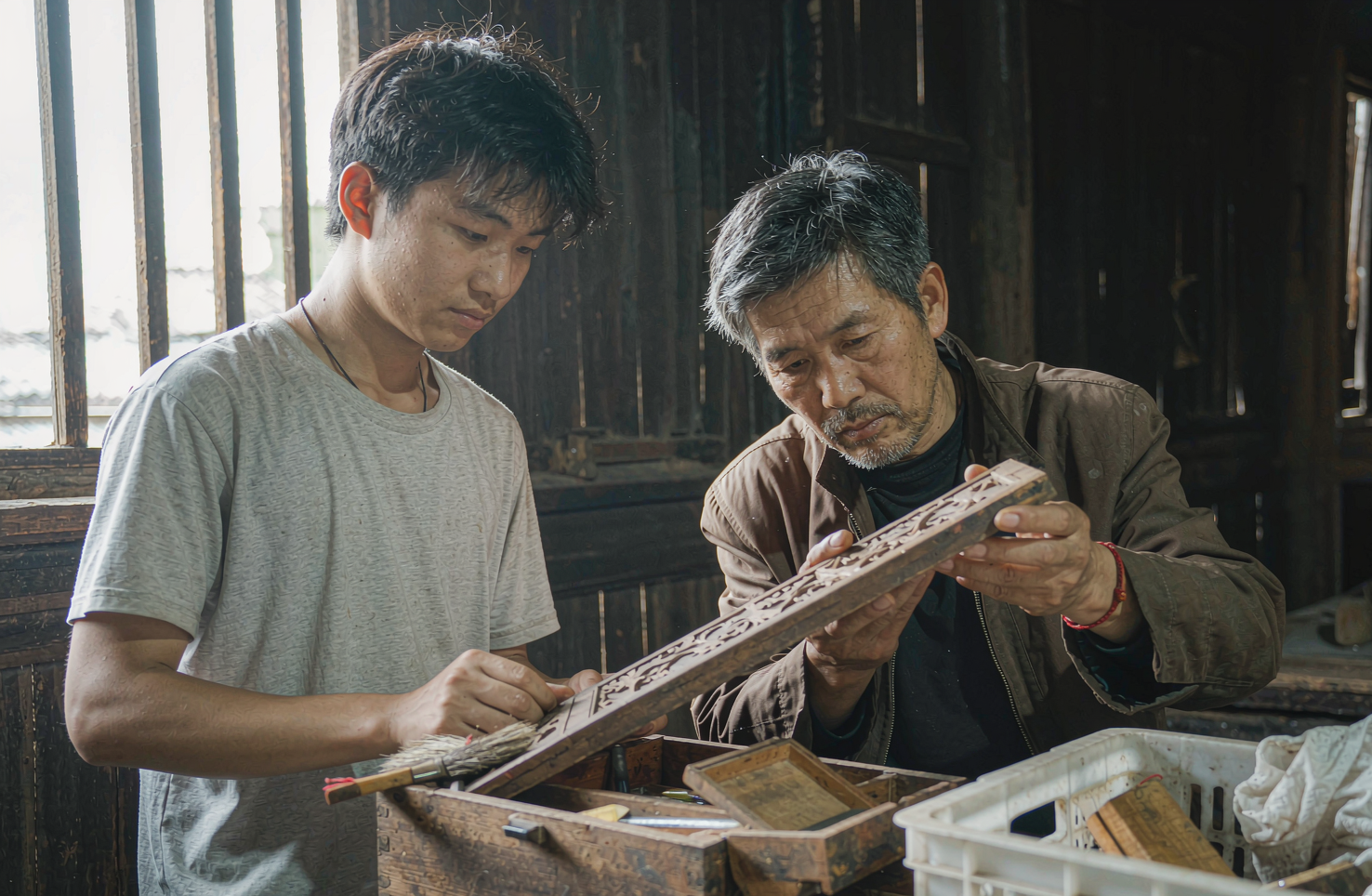
年轻人不愿学老手艺,该怪年轻人,还是怪这门手艺?
非遗传承里被讨论得最多的一句话是"后继乏人"。这句话往下追一层,就分成两条路:一条通向年轻人,说他们耐不住、看不上;一条通向他们面对的那门手艺,说它没能给出一条能活下去的路。这两条路,最近又吵起来了。
韵和鸣 · 2026/10/8 · 10 阅读
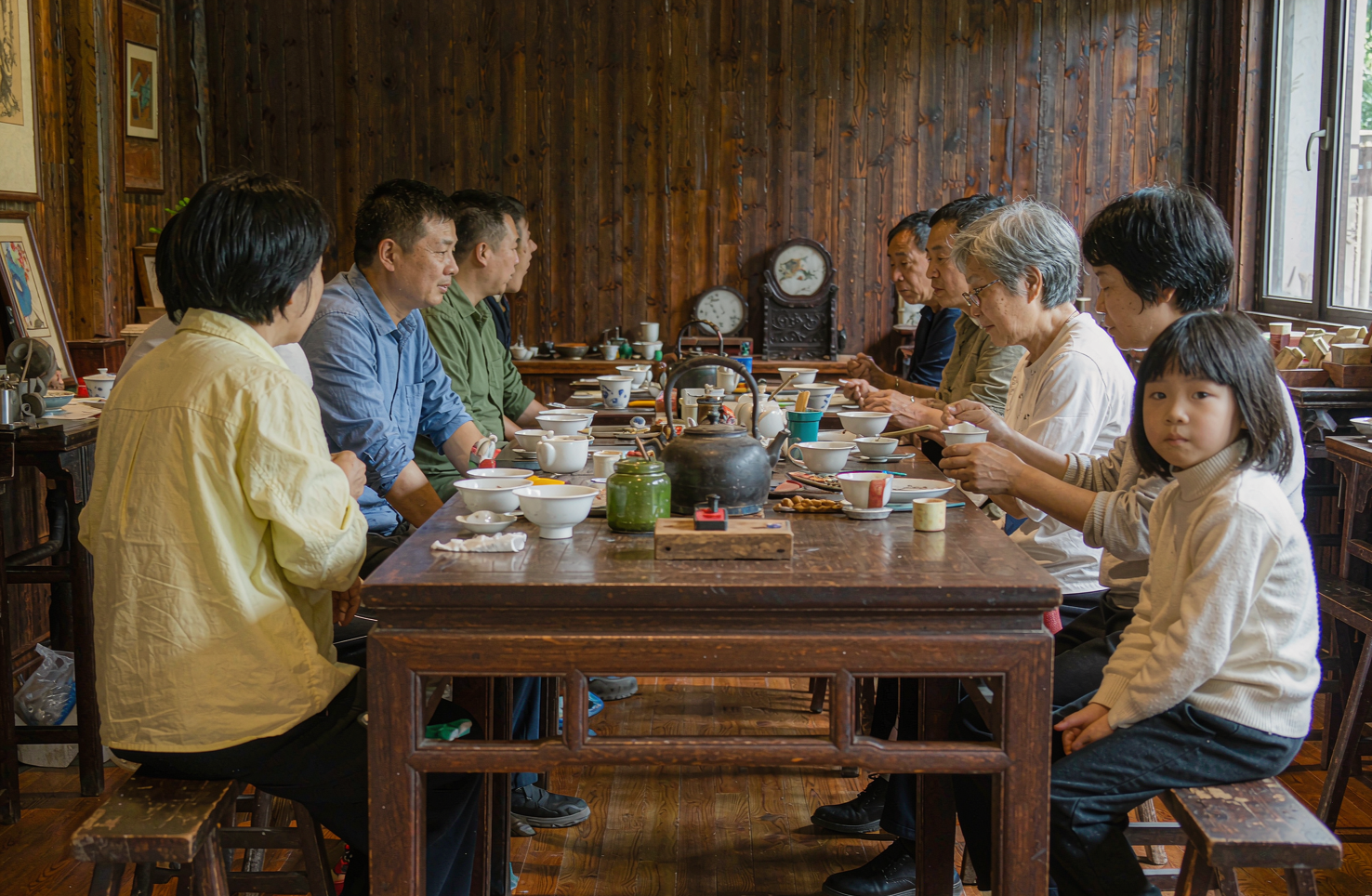
把"慢"做成一种体验:一间非遗会客厅的想法
我们习惯按功能给空间分类:吃饭的、购物的、办公的。但有一种很难归类——它在城市的闹处,不催你走,也不急着让你买单。关键在于,当"慢"被认真设计出来,它本身就可以是一种产品。
韵和鸣 · 2026/10/9 · 9 阅读
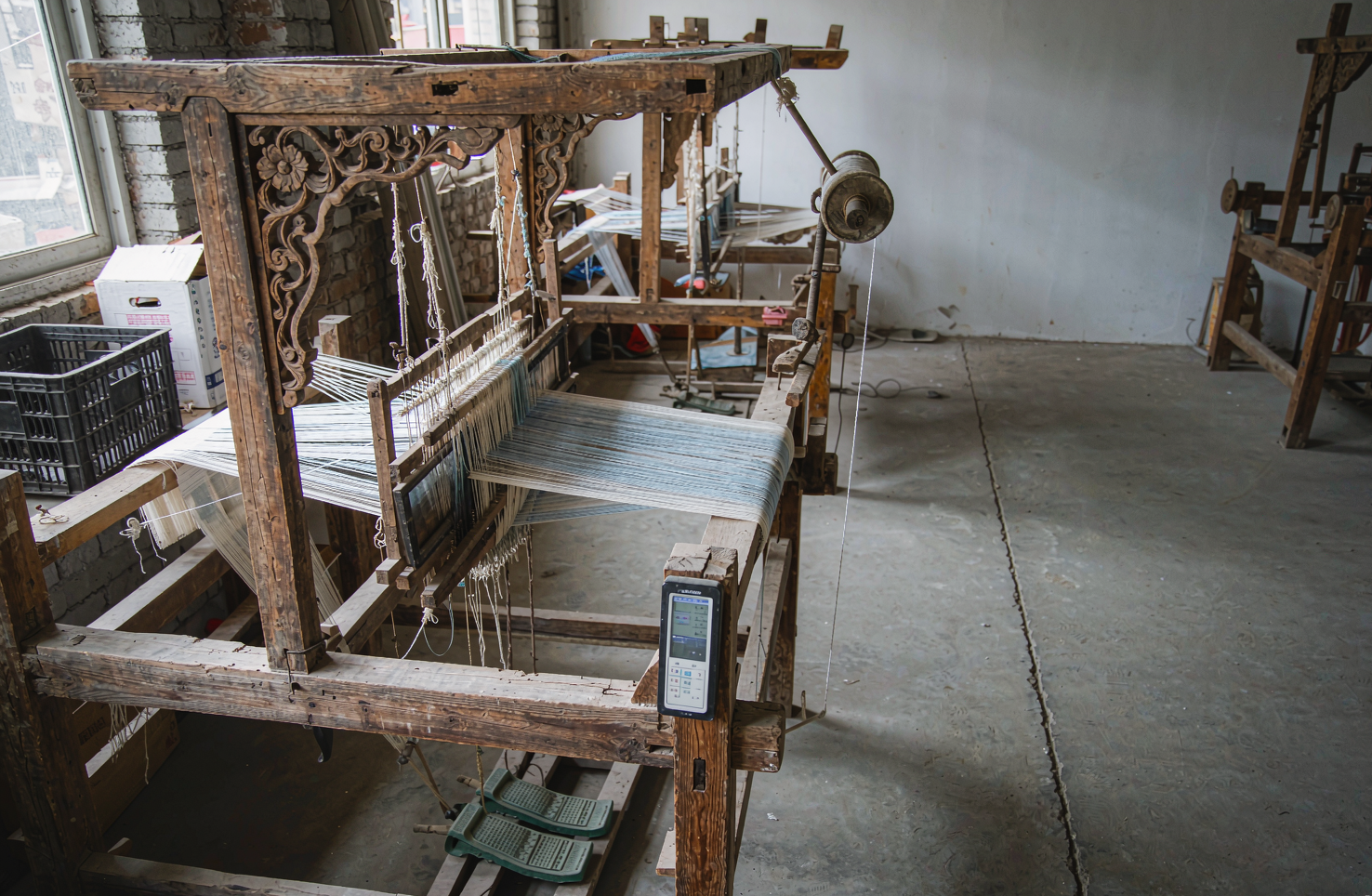
机器开始学手艺:是给匠人搭把手,还是来接班
一段流传很广的画面里,一台机械臂正跟着非遗传承人"学艺"——学劈丝、捻线、穿针。看的人分成两拨:一拨说技术帮上了忙,一拨说来抢饭碗了。同一件事读出两种意思,关键在于用什么尺度去量。
韵和鸣 · 2026/10/9 · 9 阅读