螺钿首饰盒:把贝壳的虹彩,嵌进漆的深处
韵和鸣 · 韵和鸣公众号 · 2026/10/2 12:00:00 · 4 阅读
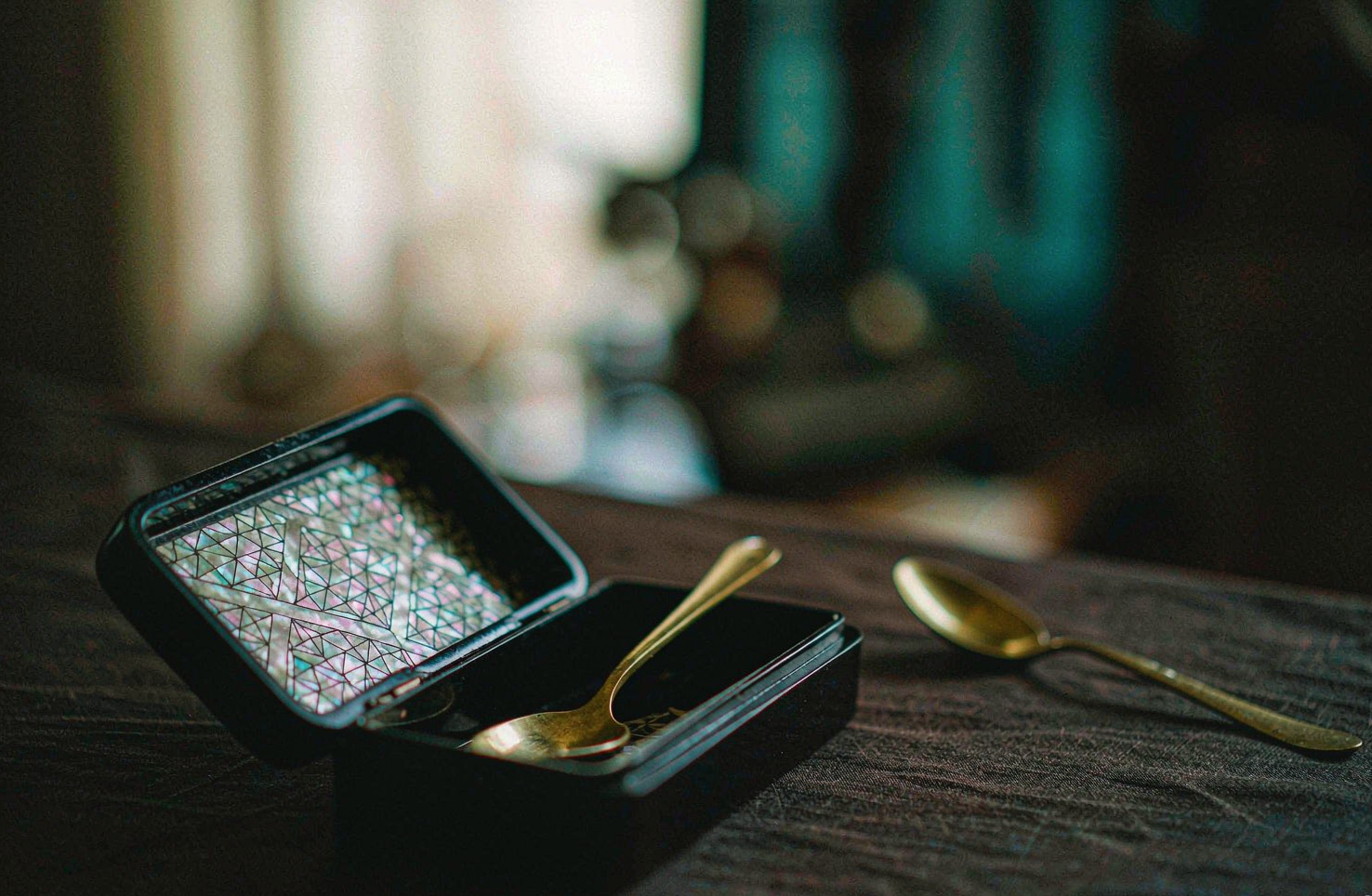
有的首饰盒,正面看是一种颜色,侧过灯再看,纹样泛起蓝绿色的虹光。这不是镀膜,是贝壳——把大海的光嵌进漆的深处,这门手艺叫螺钿。
先说一个建议:看螺钿器物,别在正白的灯光下看。把灯调暗,侧着光慢慢转——纹样的边缘会泛起一层虹彩,蓝里带绿,绿里透紫,随角度流动。
那层光来自贝壳的珍珠层。光进入层与层之间的微小结构,发生干涉,才有了这种"活"的色。人工涂料能模仿颜色,模仿不了这种随角度变化的流动感。
这也是"螺钿"两个字的本意:螺,是海螺贝壳;钿,是镶嵌装饰。两个字合在一起,说的就是"以贝为饰、嵌之于器"——把海的记忆,安放进日常。
这就是螺钿这门工艺的起点:不是人造出美,是把自然里已有的光,搬进器物。
把一片贝壳变成漆器上的纹样,中间隔着漫长的工序。
选料。螺钿用的多是夜光螺、鲍鱼贝这类珍珠层厚的贝,厚度、色泽都要挑。磨片。把贝壳磨成毫米级的薄片,厚了嵌不平,薄了易碎,全凭手感。裁形。按设计好的纹样,把贝片裁成花瓣、鸟羽、云头——弧线的地方,要用比线还细的锯条走。镶嵌。在漆胎上按纹样刻出浅槽,把贝片一片片嵌进去,嵌完还要反复核对高低,差一丝,推光后就是一道坎。髹漆推光。贝片之上再罩漆、阴干、打磨,最后以手掌推光——漆面温润起来,贝片也一并被"包"进光泽里。
一件螺钿漆器,工序以数十道计,其中镶嵌这道,最考验眼与手的一致。
这门手艺的历史也足够长。螺钿在中国的器物史上绵延千余年,唐代已经很兴盛——今天在日本正仓院,还能看到唐代传去的螺钿器物,贝片与漆面历经岁月依然贴合。一件器物能这样传下来,靠的正是当初嵌进去时的那分较真。
常有人问:这么费工,为什么不改用仿贝材料?
答案是:仿得出形状,仿不出"每一片都不同"。同一只贝,靠近边缘与靠近中心的珍珠层,色泽结构都不一样;同一批贝,因生长水域不同,虹彩的倾向也不同。匠人下刀之前,先要"读"这片贝——纹样跟着料的性情走,而不是让料迁就纹样。
这正是我们做严选时的判断标准之一:好的手作,是人与材料商量出来的结果。机器可以复制设计图,复制不了一次性的自然纹理。
所以严格说,螺钿器物没有"一模一样的两件"。同一款首饰盒,这只的虹彩偏蓝绿,那只偏紫粉,都是贝壳自己的答案。买它,其实是买下这世上的仅此一件——这也是我们理解"轻奢"的另一层意思:稀缺不在产量,在自然。
一只螺钿首饰盒,装的是首饰,藏的是光。
它不追着潮流走。潮流换个季度就翻篇,而虹彩这种东西,两百年前的人觉得美,两百年后的人大概还是觉得美。这也是我们理解"轻奢"的方式:贵的不是价格标签,是那份被时间验证过的审美。
选一件这样的器物,其实是选一种态度——愿意在日用品里,留一点给光的位置。
顺带说两句养器:螺钿漆器怕暴晒与极干,日常放在阴凉处即可;擦拭用软布轻拭,不必上油打蜡——漆面本身的温润,会随着使用慢慢长出来。养器如养性,急不得。
最后给一份实用的挑选参考。
一看嵌合。贝片与漆面交界处要平整服帖,指尖轻抚不挂手;有翘边、有台阶感的,多半是镶嵌这道没做足。二看光。侧光转动,虹彩应当自然流动、有深浅层次;颜色死板均匀的,要留心是不是涂料仿制。三看漆面。推光到位的漆面温润如玉,倒映物影边缘柔和;粗糙发涩的,说明后期功夫不足。
三处都过,这件器物的手艺底子基本就立住了。
你家里有没有一件"越看越有味道"的器物?留言讲讲它的故事。
📩 非遗项目 | 匠人举荐 | 跨境出海 | 线下联营
欢迎留言或后台联系,我们与匠人同行。
English
One suggestion first: don't look at mother-of-pearl objects under pure white light. Dim the lamp and turn the piece slowly at an angle — the edges of the pattern will rise with a film of iridescence, green within blue, purple within green, flowing with the angle.
That light comes from the shell's nacre. As light enters the minute structures between its layers, interference occurs, and this "living" color is born. Synthetic coatings can imitate a color but not this shifting flow with the angle.
This is also the literal sense of the two characters for "mother-of-pearl inlay": the first means sea-snail shell; the second means inlaid ornament. Together they say "shell as adornment, set into an object" — placing the sea's memory into daily life.
This is where the craft begins: not that people create beauty, but that they move light already existing in nature into an object.
To turn a piece of shell into a pattern on lacquerware lies a long sequence of steps.
Selecting the material. Mother-of-pearl inlay mostly uses thick-nacre shells such as turban shells and abalone, chosen for thickness and color alike. Grinding the sheets. The shell is ground into millimeter-thin sheets — too thick and it will not lie flat, too thin and it breaks, all judged by feel. Cutting the shapes. Following the designed pattern, the shell sheets are cut into petals, feathers, cloud scrolls — and along the curves, a saw blade finer than a thread must be used. Inlaying. Shallow channels are carved into the lacquer body along the pattern, and the shell pieces set in one by one; after setting, the heights are checked again and again, for a hair of difference becomes a visible ridge after polishing. Applying lacquer and hand-polishing. Over the shell pieces more lacquer is applied, then dried in the shade and sanded, and finally polished by hand — as the lacquer surface grows warm and smooth, the shell pieces are "wrapped" into the sheen along with it.
A mother-of-pearl lacquerware piece runs to dozens of steps, and among them inlay most tests the accord between eye and hand.
The craft's history is long indeed. Mother-of-pearl inlay runs more than a thousand years through China's history of objects and was already flourishing in the Tang dynasty — even today, at the Shosoin in Japan, one can see mother-of-pearl objects that traveled there from Tang China, their shell and lacquer still clinging together after the ages. That an object can be handed down like this rests on the very exactness fixed into it at the moment of inlay.
People often ask: for all this labor, why not use imitation shell?
The answer: imitation can reproduce a shape but not "every piece being different." Within a single shell, the nacre near the edge and near the center differ in color and structure; within a single batch, different growing waters give the iridescence different leanings. Before the blade falls, the artisan must first "read" the shell — the pattern follows the material's temperament, not the material bending to the pattern.
This is one of the standards by which we make our curated selection: good handmade work is the result of a negotiation between person and material. A machine can copy a drawing; it cannot copy a one-off natural texture.
So strictly speaking, no two mother-of-pearl objects are exactly alike. Of the same box design, one leans blue-green in iridescence, another violet-pink — each the shell's own answer. To buy it is to buy the only one of its kind in the world — and this is another sense in which we understand "accessible luxury": scarcity lies not in output but in nature.
A mother-of-pearl jewelry box holds jewelry and hides light.
It does not chase trends. A trend turns the page with the season, but iridescence is the sort of thing people found beautiful two hundred years ago and will likely still find beautiful two hundred years hence. This too is how we understand "accessible luxury": what is precious is not the price tag but an aesthetic validated by time.
To choose such an object is to choose an attitude — a willingness to leave a little room for light within the things of daily use.
A word on caring for the object: mother-of-pearl lacquerware fears harsh sun and extreme dryness, so simply keep it in a cool, shaded place; wipe it gently with a soft cloth, no oiling or waxing needed — the lacquer surface's own warmth and softness will grow slowly with use. Caring for an object is like cultivating a temperament: it cannot be hurried.
Last, a practical reference for choosing.
First, the fit. Where shell meets lacquer the surface should be flat and snug, not catching the fingertip; lifted edges or a stepped feel usually mean the inlay step was not done fully. Second, the light. Turned at an angle, the iridescence should flow naturally with layers of depth; dead, uniform color is a sign to be wary of synthetic coating. Third, the lacquer surface. Properly hand-polished lacquer is warm as jade, the edges of reflected images soft; a rough, grating surface means the later work fell short.
Pass all three, and the object's craft foundation is essentially sound.
ICH Projects · Artisan Referrals · Global Distribution · Salon Partnerships
你可能还感兴趣
一件漆器该有多重,手感不会说谎
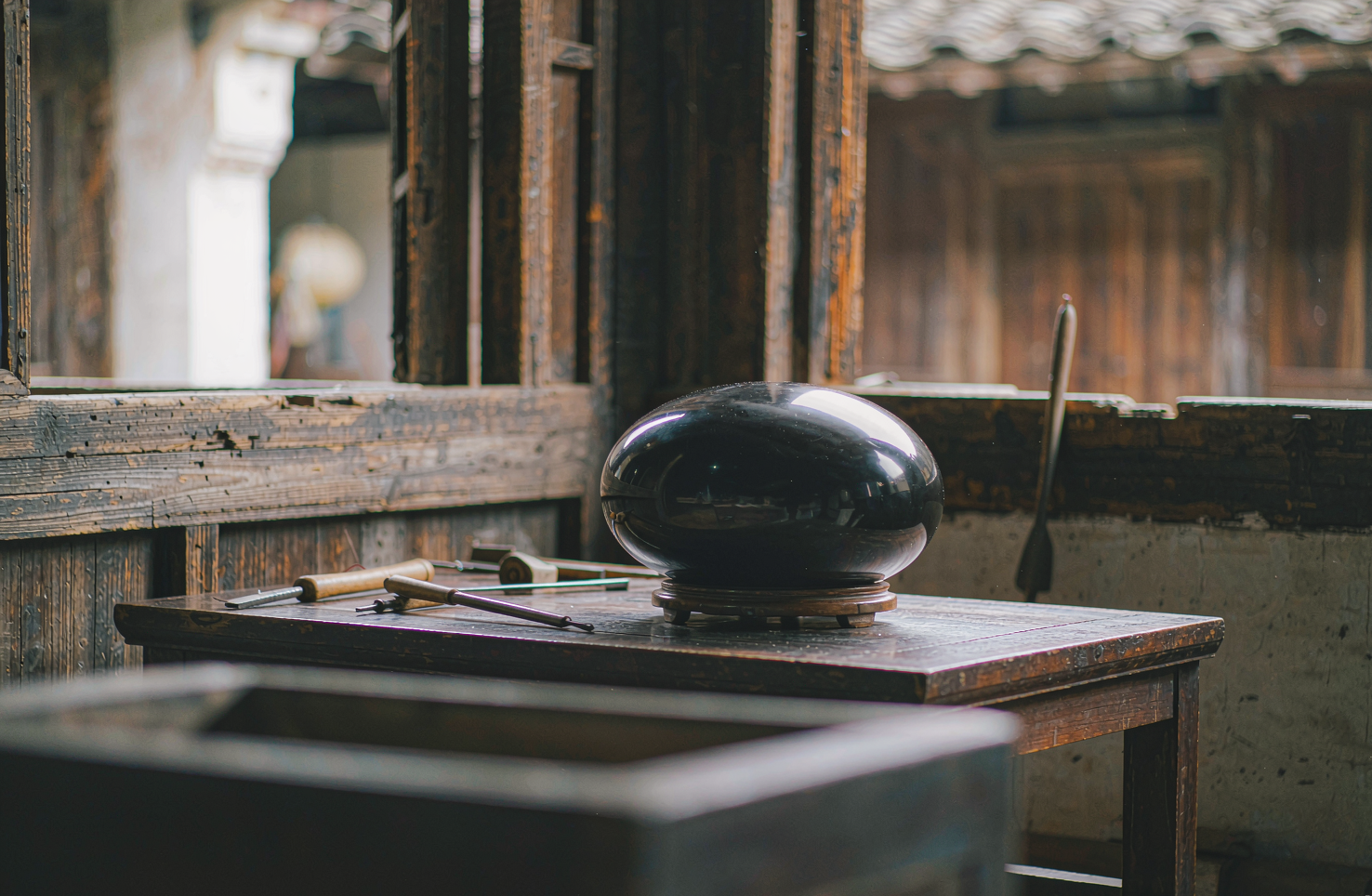
严选器物,看纹样、看款识、看证书,都是明面上的事。但有一道标准写不进任何参数表——上手。同一尺寸的两只漆盘,一只压手温润,一只轻飘干瘪,差别从何而来?这次把"分量"这件事拆开讲。说到底,重量是工序的记账本。
韵和鸣 · 2026/10/14 · 14 阅读
一件非遗手作凭什么"值":把时间的账算一遍
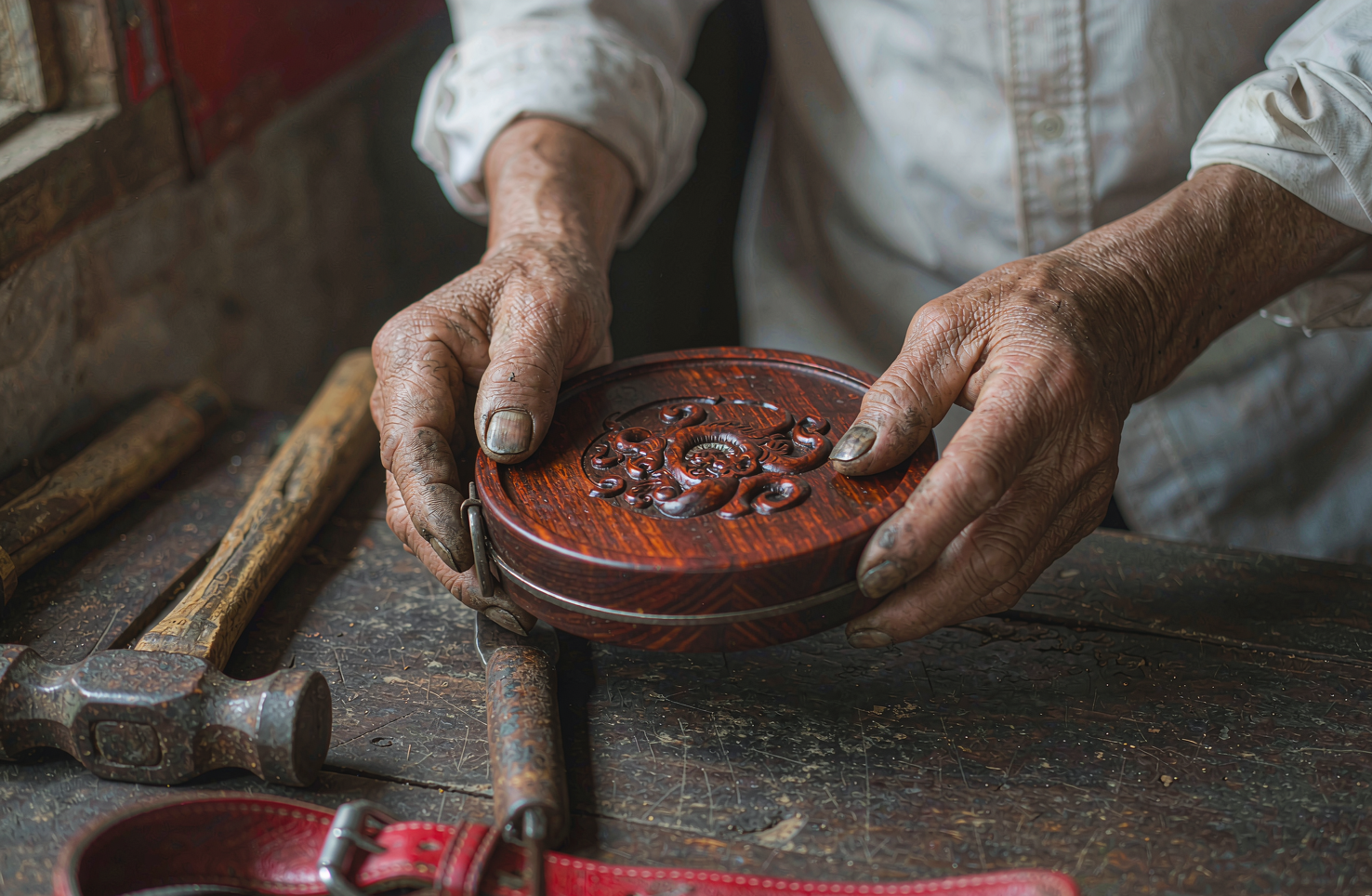
谈非遗手作,绕不开一个字:值。有人觉得贵得离谱,有人觉得便宜得可疑。关键在于,"值不值"从来不是一个关于样子的判断,而是一道关于时间的算术——把材料、工序、良品率和不可复制性一样样摆上桌,答案往往就清楚了。
韵和鸣 · 2026/10/9 · 12 阅读
一面屏风,如何成为一个家的「眼」
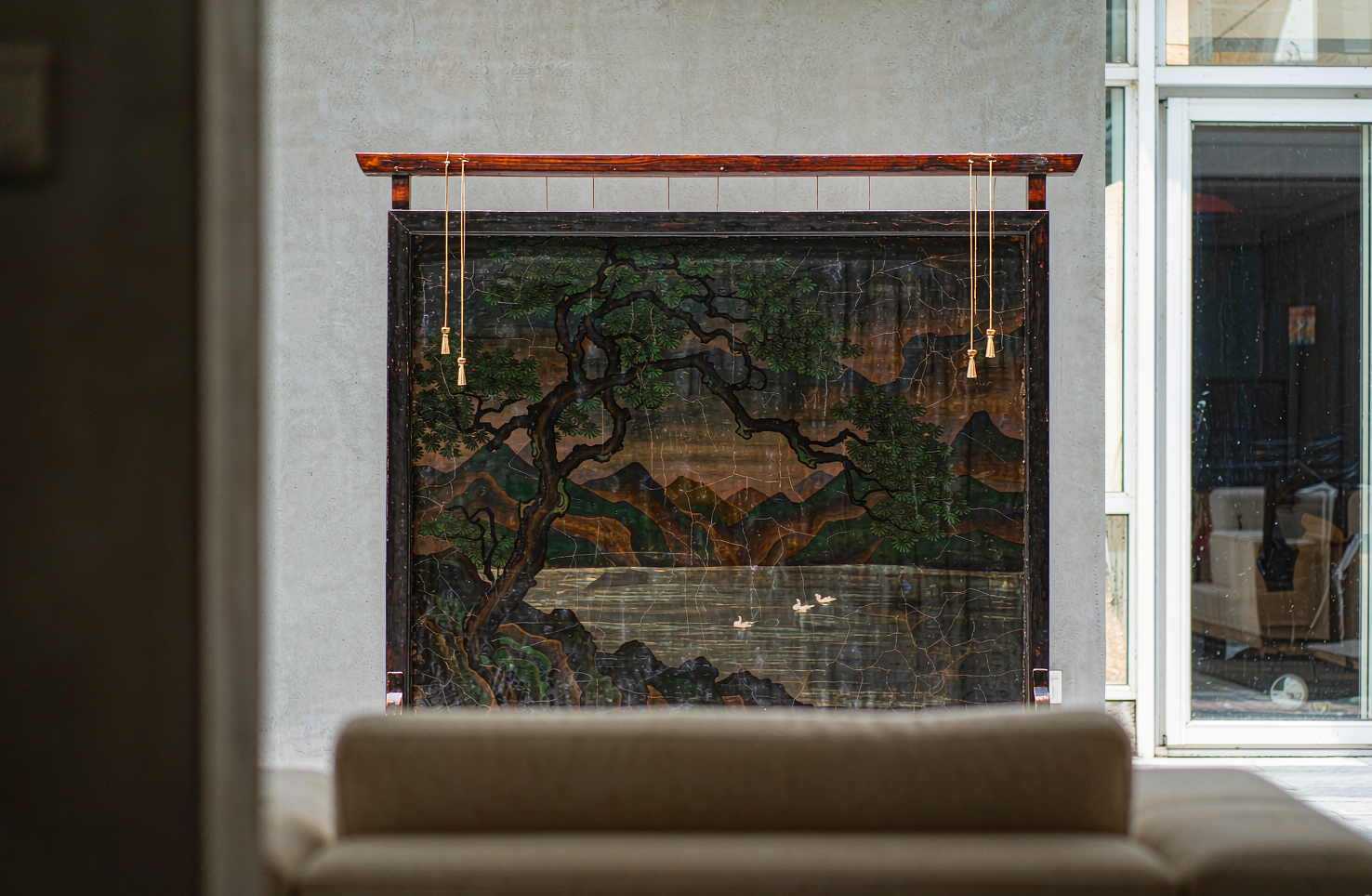
老房子里,屏风从来不只是挡一挡。它决定你一进门先看哪里。四面墙的屋子有了屏风,才像有了一个"眼"。
韵和鸣 · 2026/10/8 · 12 阅读
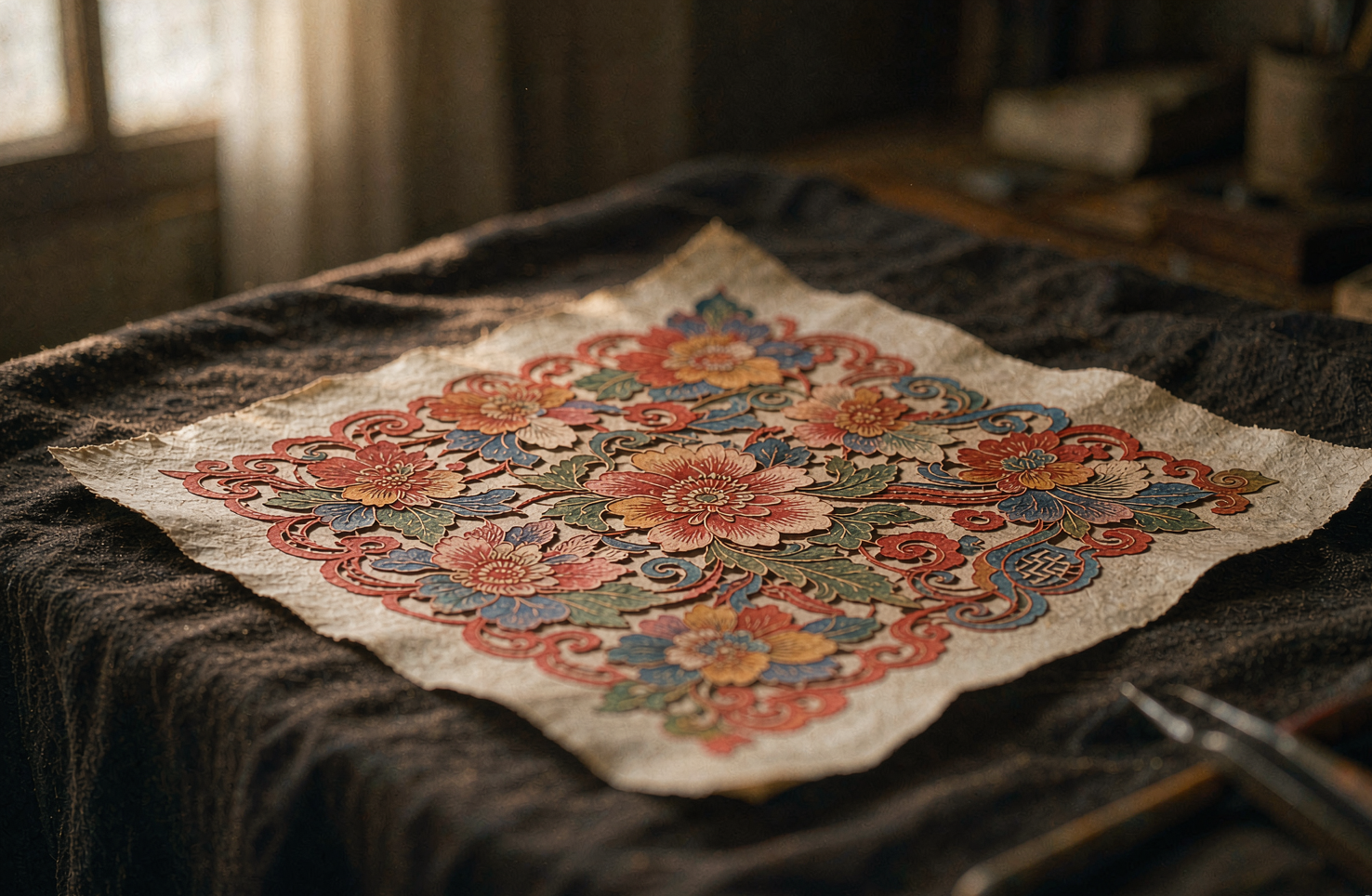
一张蔚县剪纸,彩色的刻刀活
严选录这一期看一张不太一样的剪纸:它不用剪刀,用刻刀;不止红色,还带着点染出来的粉与绿。河北张家口蔚县的剪纸,是剪纸大家族里"反着来"的一支——别处以剪为主、以红为正,蔚县以刻代剪、以点彩上色。说到底,这两个"反着来"的本质,是蔚县人把剪纸从窗前的女红,做成了作坊里的分工手艺:看懂了这一点,才算看懂了这张纸。
韵和鸣 · 2026/10/13 · 10 阅读
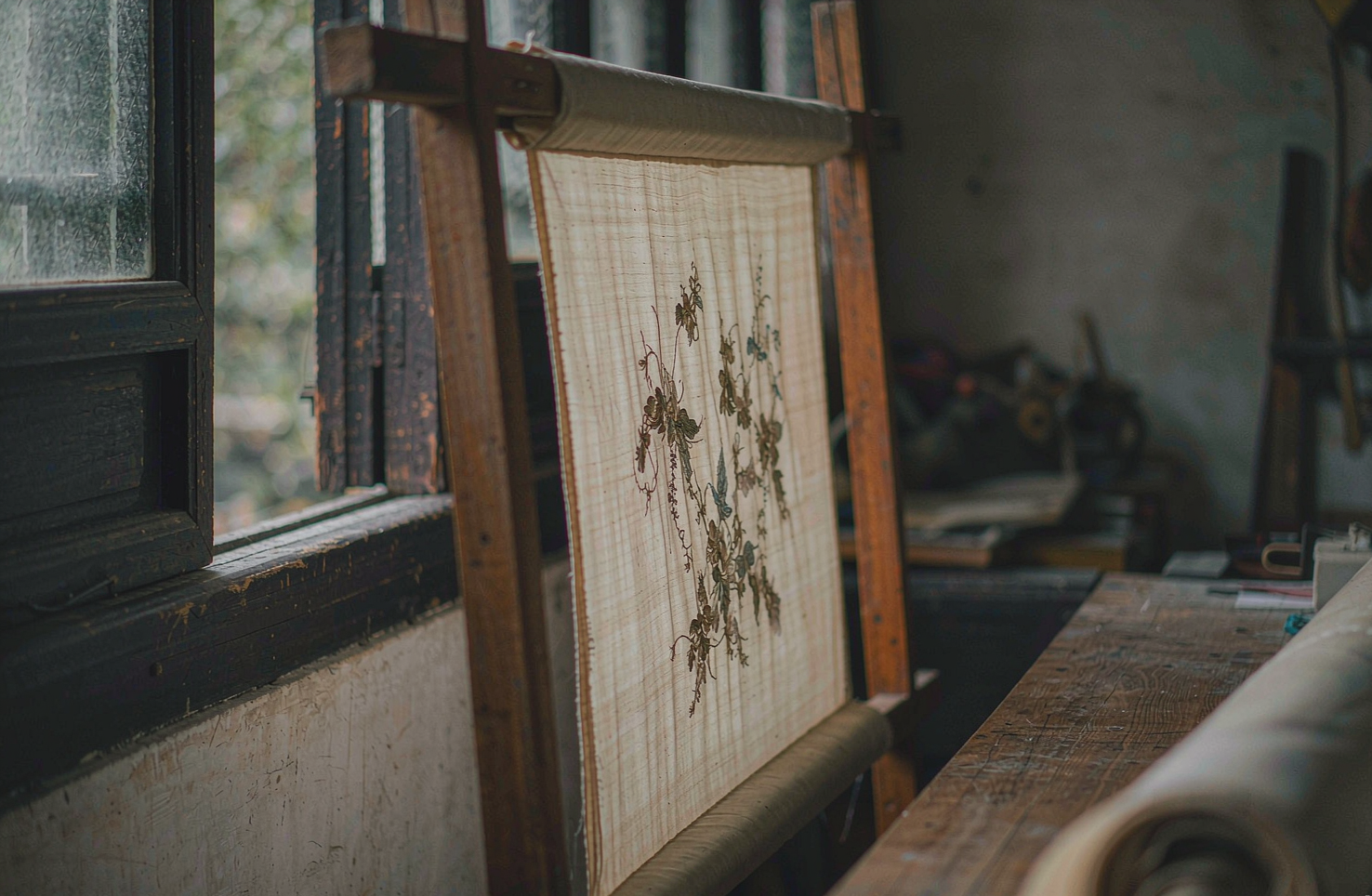
一枚苏绣绣片,丝光里藏着多少根丝
看一枚巴掌大的苏绣绣片,凑近了看,再凑近一点。你会发现它的光不是绣上去的,是"长"出来的——丝被劈到几乎看不见,一针一针顺着一个方向排,光就顺着丝走。说到底,苏绣的讲究,是从把一根丝线"拆开"那一刻开始的。
韵和鸣 · 2026/10/11 · 10 阅读
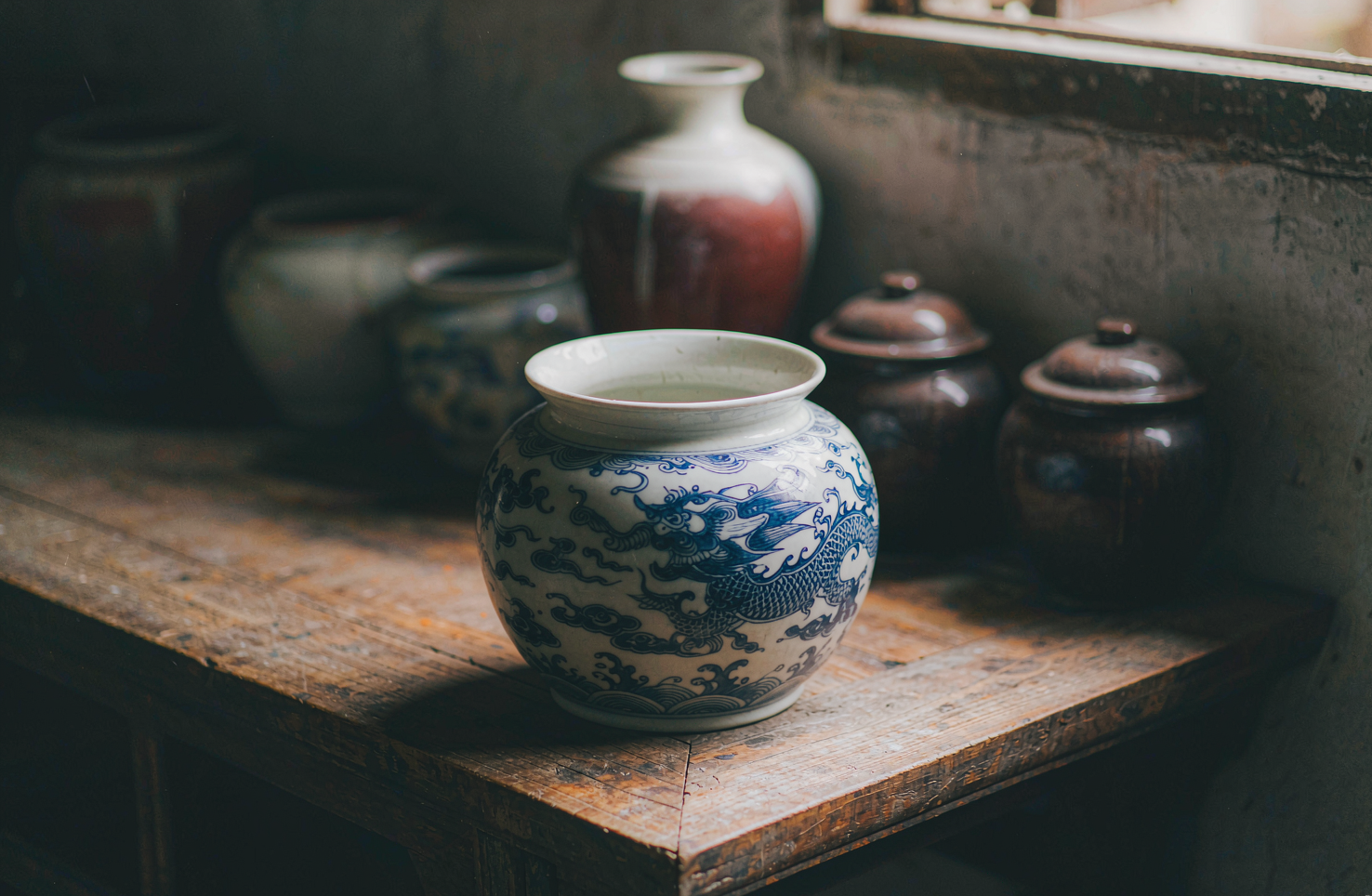
一盏博山琉璃:颜色是炉火给的,不是颜料调的
说到底,琉璃与玻璃的分界,不在透明不透明,而在颜色从哪来。在山东博山,一盏鸡油黄琉璃的颜色长在料里、生在炉里,出炉之后再不改色。这是严选录这一期想讲清楚的事。
韵和鸣 · 2026/10/12 · 9 阅读