一根丝线,为什么要劈成十六分之一
韵和鸣 · 韵和鸣公众号 · 2026/10/2 12:00:00 · 4 阅读
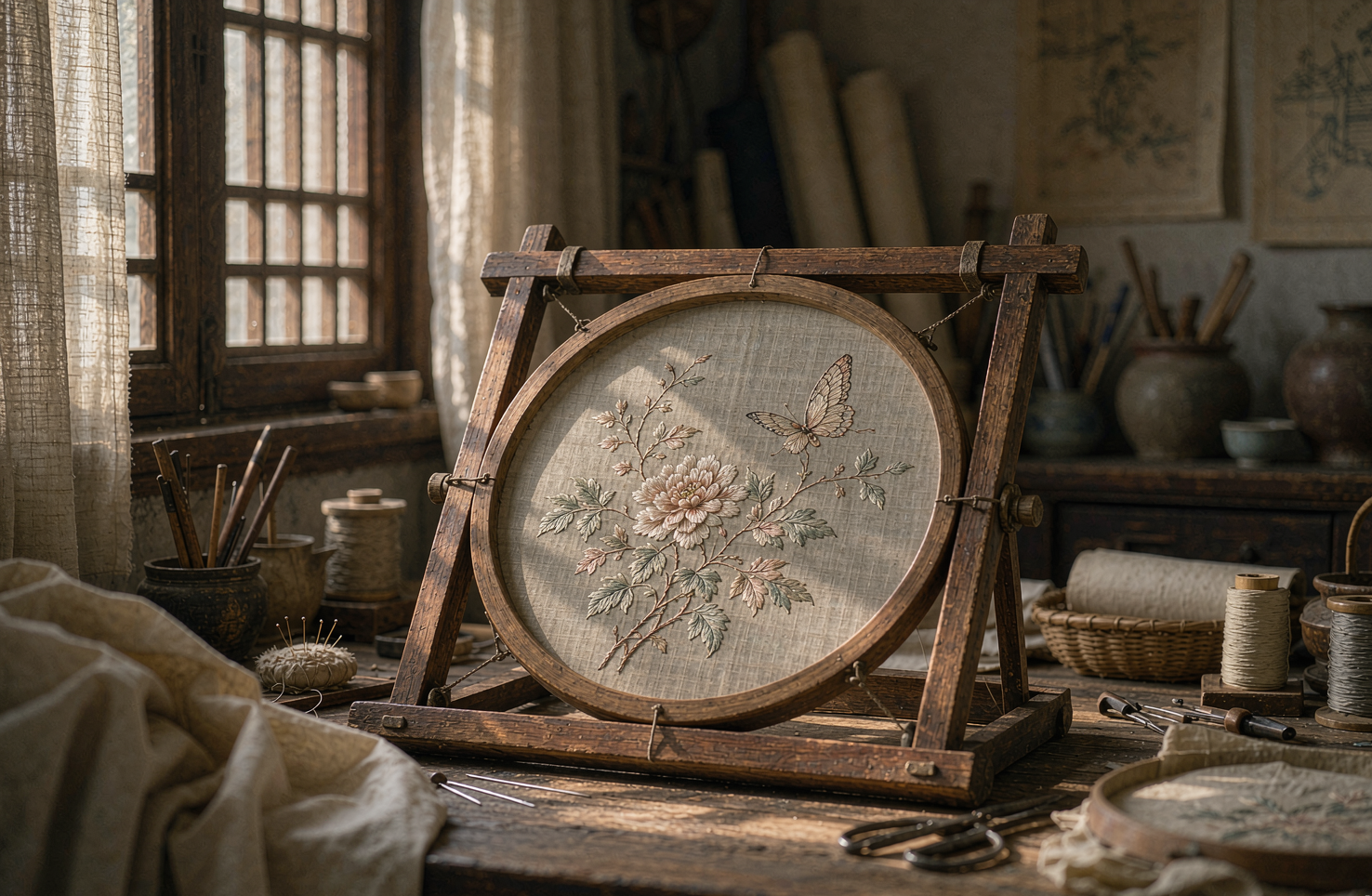
在蜀绣工坊,最寻常也最惊人的一个动作,是把一根比头发还细的丝线,再劈成十六分之一。为什么要做到这么细?答案藏在针脚里。
走进蜀绣工坊,先看到的是绷架——绣品绷在架子上,像一面安静的窗。
绣娘坐下来,头一件事不是拿针,是理线。一缕生丝在指尖绕开,抽出其中一根,再从这根丝里,细细分离出更细的一股。动作很慢,慢到你以为她只是坐着发呆。
绣行里管这个动作叫"劈丝"。一根丝线,可以劈成二分之一、四分之一、八分之一,直到十六分之一。劈到多细,取决于画面需要:绣水面的远波,用最细的那股;绣锦鲤的脊背,用较粗的几股拧在一起。
行里的话说得直白:线劈不细,图就"死"了。
为什么要做到这么细?为了"过渡"。
蜀绣的经典题材里有芙蓉鲤鱼:花瓣由深到浅,鱼鳞由亮到暗,水色由浓到淡。这些渐变靠色阶完成——而色阶越细腻,需要的线就越细。
粗线做不到的事,细线可以。十六分之一的丝线绣出来的色块,肉眼几乎看不出边界,颜色像是从绢面上自己长出来的。所谓"万针成图",针数是表象,真正撑起画面的是线的粗细层次。
这就是手艺的逻辑:先做减法,把材料减到不能再细,才能做加法,把画面加到丰满。
顺带一提,蜀绣的针法名目繁多,晕针、铺针、滚针、截针……各有各的用处:晕针管色彩过渡,铺针管大面积的光泽,滚针管线条的流转。针法与劈丝配合,才有了"针脚整齐、线片光亮"的观感。看懂了线的粗细,再看针法,一幅绣品的门道就打开了。
劈丝这件事,考验的不是技巧,是性子。
丝线细到一定程度,手指稍一用力就断;空气干一点,静电就让丝缠成一团。劈丝的人要屏住呼吸,指尖稳定,眼神专注——一个绣娘的一天,可能有相当一部分时间都花在"备线"上,真正下针的时间反而不算多。
外人看,觉得不值;绣的人觉得,这就是本分。因为她们清楚:画面上每一个"看起来轻松"的过渡,背后都是备线时的克制。
这种耐心还有一层更深的来由:绣品是绷在架子上做的,一幅作品往往要绣上数月甚至更久。绷架上的时间,一半给了针,另一半就给了这些下针之前的琐碎——理线、配线、劈丝。急不来,也没必要急,因为手艺的时间,本来就是另一种计法。
劈丝这门功课,初学者往往要练上许久,才能做到又快又不断。从二分之一开始,四分之一、八分之一,再到十六分之一,每细一档,手指的分寸就要重新校一遍。老师傅们的手,常年被丝线磨出薄茧——那层茧,就是这门功课的成绩单。
下次再看刺绣,可以先不管题材,眯起眼看两件事:线的粗细变化顺不顺,色块之间的过渡生不生硬。
粗细有层次、过渡无痕迹,多半是下了备线功夫的作品;反之,线粗色滞,再热闹的题材也显得糙。这就是我们看手作的一条朴素标准——功夫藏在肉眼看不见的地方。
这个时代习惯了快。可手艺的世界里,有些东西快不了——线要一根根劈,针要一针针落。
有意思的是,快与慢并不对立。正因为备线时慢到了极处,落针时才能又稳又准,成品才能经得起细看。慢不是目的,是让每一步都站得住的方式。
我们做严选这些年,越来越认同一个判断:判断一件手作的价值,先看它在看不见的地方花了多少功夫。劈丝就是典型的"看不见的功夫",它不出现在成品的任何宣传语里,却决定成品的高度。
这也是我们坚持对话非遗人、记录手艺现场的原因:让这些看不见的功夫被看见,让做它们的人被记住。
你见过最"较真"的手艺细节是什么?留言讲讲。
📩 非遗项目 | 匠人举荐 | 跨境出海 | 线下联营
欢迎留言或后台联系,我们与匠人同行。
English
Step into a Shu embroidery workshop and the first thing you see is the frame — the embroidery stretched over it like a quiet window.
When the embroiderer sits down, the first thing she does is not to pick up a needle but to arrange the threads. A skein of raw silk is unwound between her fingers, one strand drawn out, then from that strand an even finer one carefully separated. The movement is slow — slow enough that you might think she is only sitting in a daze.
The trade calls this motion "thread-splitting." A single thread can be split into halves, quarters, eighths, all the way to sixteenths. How fine it is split depends on what the image needs: for the distant ripples on water, the finest strand; for the spine of a koi, several thicker strands twisted together.
The trade puts it bluntly: if the thread is not split fine enough, the image goes "dead."
Why such fineness? For the sake of "transition."
Among the classic subjects of Shu embroidery is the hibiscus and carp: petals fading from deep to pale, scales from bright to dim, water from full to faint. These gradations are achieved through tonal steps — and the finer the steps, the finer the thread required.
What a thick thread cannot do, a fine one can. In an area worked with sixteenth-split silk, the eye can barely find a boundary; the color seems to grow out of the silk itself. The saying "ten thousand stitches make the image" names only the surface — what truly holds the picture up is the layering of thick and fine threads.
This is the logic of the craft: first subtract, reducing the material until it can be finer no more, so that you can then add, building the image to fullness.
A side note: Shu embroidery has a great many named stitches — fading stitch, laying stitch, rolling stitch, cutting stitch... each with its own use. The fading stitch handles color transition, the laying stitch the sheen of broad areas, the rolling stitch the flow of lines. Stitch and thread-splitting work together to produce the look of "even stitches and lustrous thread." Once you can read the thickness of the thread, the stitches open the craft of an embroidery before you.
Thread-splitting tests not skill but temperament.
Past a certain fineness, the thread snaps at the slightest pressure of the fingers; let the air grow a little dry and static tangles the silk into a knot. The one splitting threads must hold her breath, keep her fingertips steady, her gaze fixed — an embroiderer may spend no small part of her day "preparing thread," and comparatively little of it actually stitching.
To outsiders it seems not worth it; to those who embroider, it is simply their duty. For they know: every "effortless-looking" transition in the image is backed by restraint spent preparing thread.
This patience has a deeper source as well: embroidery is made on a stretched frame, and one piece often takes months or longer. Time at the frame is half given to the needle, and the other half to these trifles before the needle ever falls — arranging, matching, splitting thread. It cannot be hurried, nor need it be, because craft's time is measured another way altogether.
Thread-splitting is a discipline beginners often practice a long while before they can work both fast and unbroken. From halves to quarters to eighths to sixteenths, each finer step demands recalibrating the fingers' measure. The hands of veteran masters are worn to thin calluses by the silk — and that layer of callus is this discipline's report card.
The next time you look at embroidery, set the subject aside and squint at two things: whether the changes in thread thickness flow smoothly, and whether the transitions between color areas are harsh.
Layered thickness and seamless transition usually mark a piece that invested in preparing thread; conversely, coarse thread and dull color make even the liveliest subject look crude. This is a plain standard by which we judge handmade work — the craft is hidden where the eye cannot see.
This age is used to speed. But in the world of craft some things cannot be rushed — thread must be split one strand at a time, stitches laid one by one.
Curiously, fast and slow are not opposed. Precisely because thread preparation is slow to the extreme can the stitching be steady and accurate, and the finished piece withstand close looking. Slowness is not the goal but the way of making every step hold.
In our years of curated selection, we have come to agree more and more with one judgment: to weigh the value of a handmade object, first see how much effort went into where the eye cannot reach. Thread-splitting is the archetype of "invisible craft" — absent from every line of the product's promotion, yet it determines how high the work stands.
This too is why we keep talking with ICH bearers and documenting the craft at work: to let these invisible labors be seen, and those who perform them be remembered.
ICH Projects · Artisan Referrals · Global Distribution · Salon Partnerships
你可能还感兴趣
漆器为什么能埋八千年不坏
在博物馆做漆器研究与修复的研究员老周,桌上常年摆着两样东西:一段出土的漆皮残片,一只新做不久的平遥推光漆盘。他说这两样东西隔着八千年,却是同一种材料。这次对话,我们从"漆器为什么埋几千年不坏"聊起,聊到最后,其实是手艺对材料的理解问题。
韵和鸣 · 2026/10/14 · 16 阅读
一方宋锦里,藏着宋人的审美秩序
初见宋锦,我的反应不是"好看",而是"安静"。它不像人们想象里的锦那样满身是光。带我看锦的老师傅说,正是这份安静,最难织。
韵和鸣 · 2026/10/8 · 11 阅读
一位漆器匠人的失败清单,那些没做成的器物
一间漆坊的账,通常记的是卖出了多少件;平遥一位做了三十多年推光漆器的老师傅,却另有一个本子,专记做坏了多少件。失败清单这门"倒着记的账",恰恰是手艺扎实与否的底细——器物耐看的那一面,是从废品堆里刨出来的。
韵和鸣 · 2026/10/12 · 9 阅读
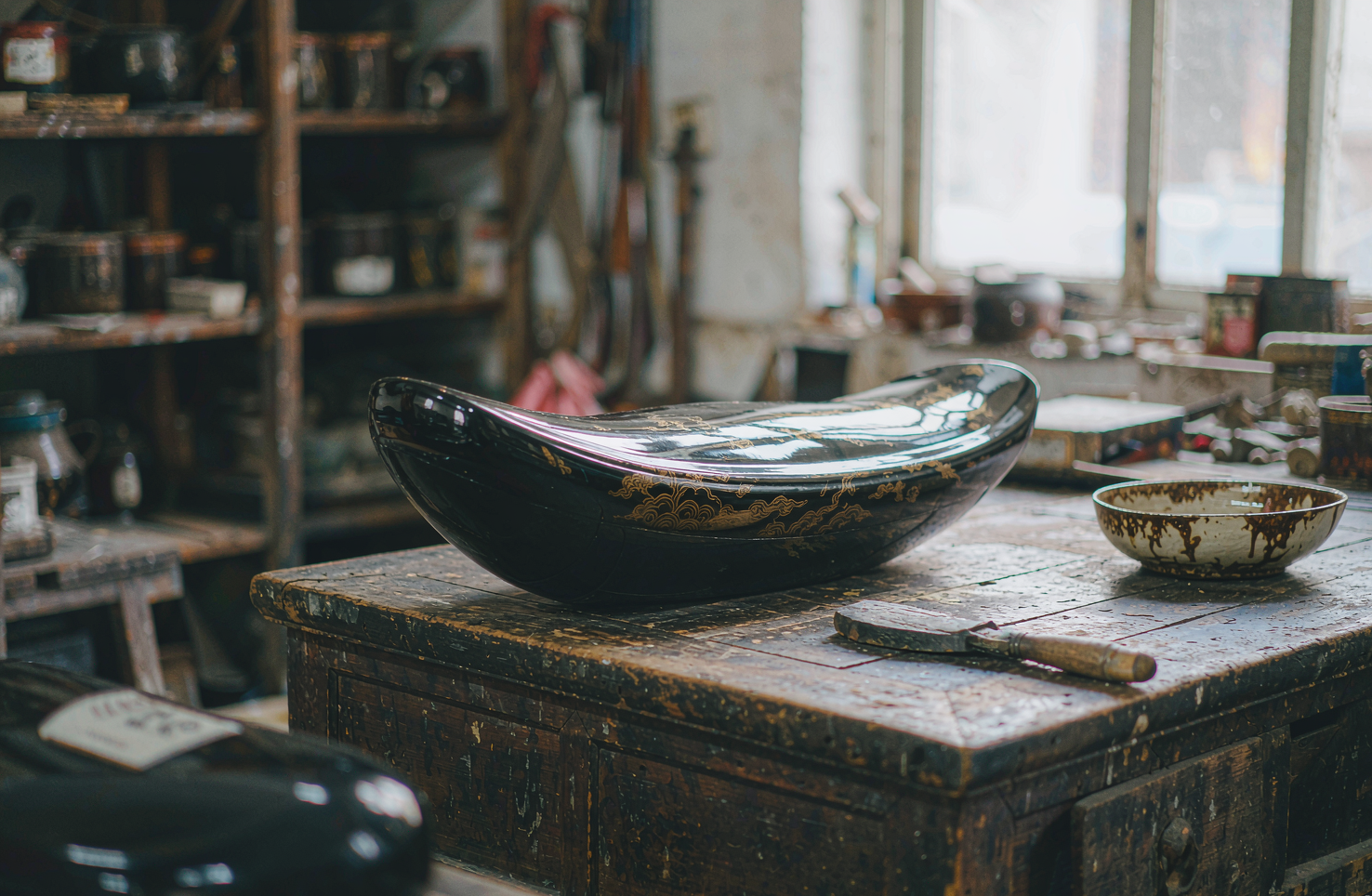
十六岁学艺,他如今想让漆器走进年轻人的家
在平遥,学漆艺的人正在换代。老匠人把五十年的功夫交给徒弟,年轻教师把漆带进课堂。一门千年手艺要传下去,卡住的往往不是技法。
韵和鸣 · 2026/10/2 · 5 阅读
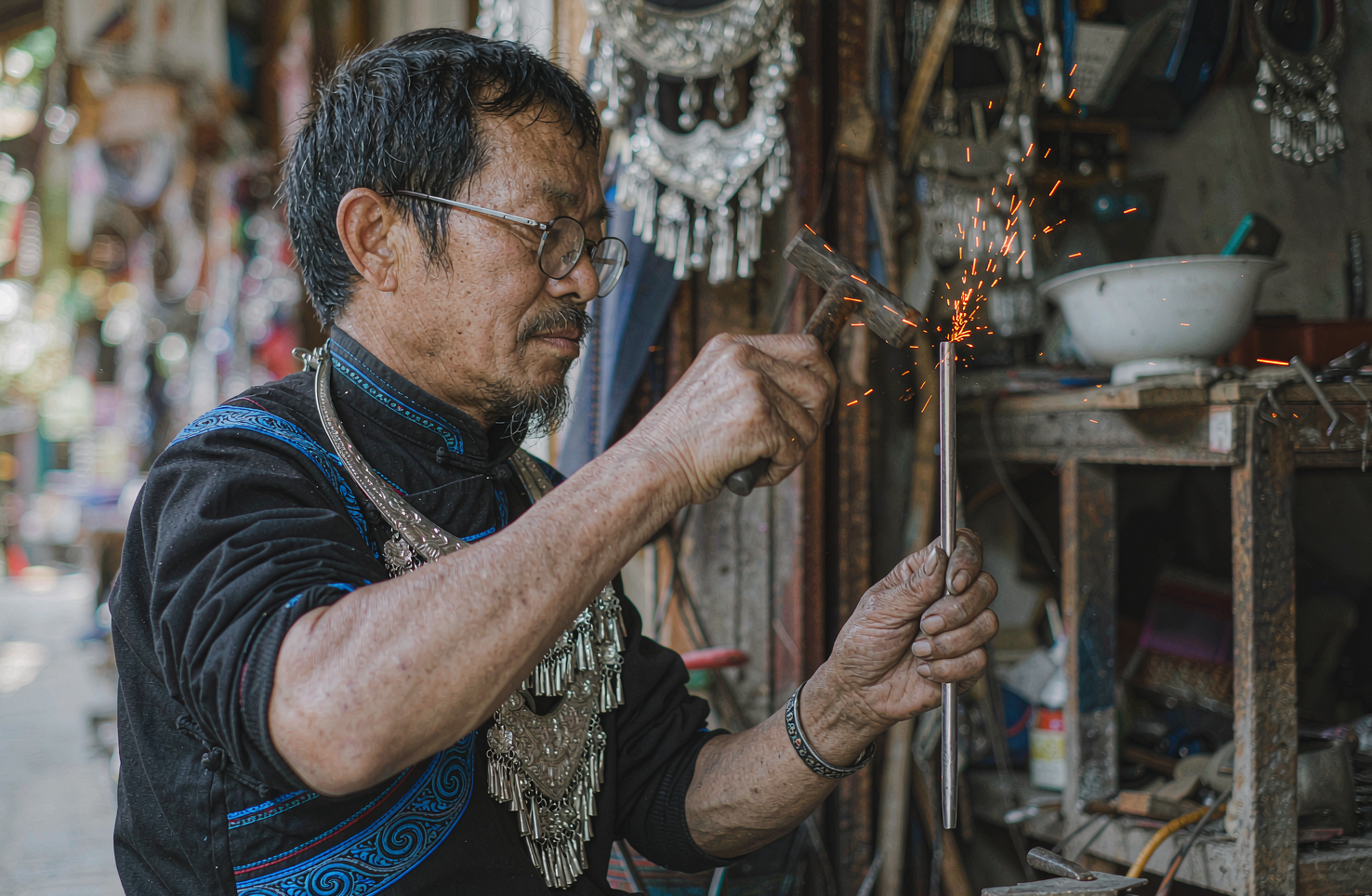
去贵州雷山,看一块银元如何变成一支银簪
在黔东南的苗寨里,银不只是一种首饰材料。它曾经是可以随时熔掉、重新打制的"存款",也是节日里一个女人身上最亮的那部分。关键在于,当一块老银元被放进坩埚,它要经过多少双手、多少道火,才重新成为一件能戴出门的东西。
韵和鸣 · 2026/10/9 · 27 阅读
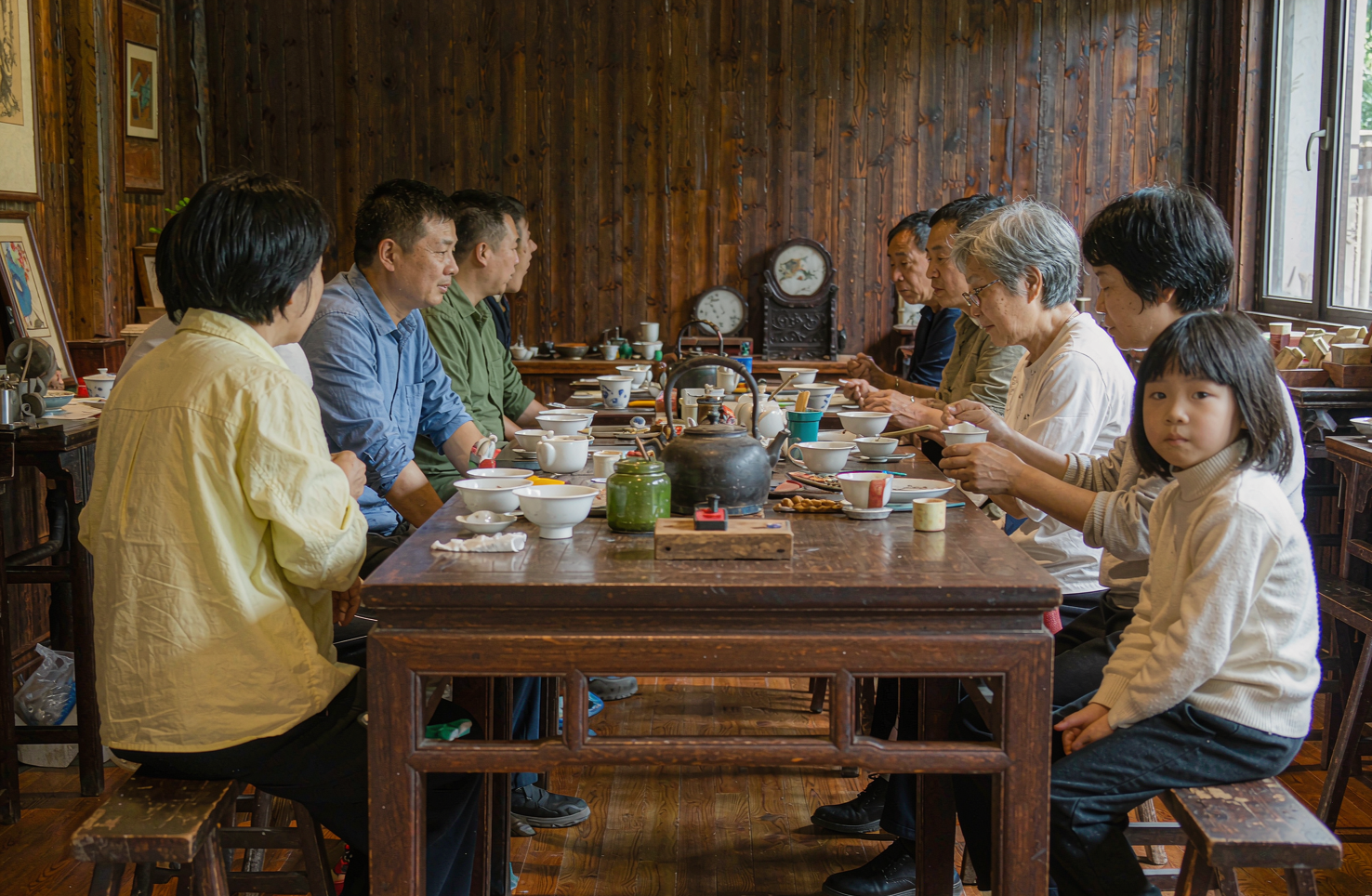
把"慢"做成一种体验:一间非遗会客厅的想法
我们习惯按功能给空间分类:吃饭的、购物的、办公的。但有一种很难归类——它在城市的闹处,不催你走,也不急着让你买单。关键在于,当"慢"被认真设计出来,它本身就可以是一种产品。
韵和鸣 · 2026/10/9 · 10 阅读