苏湘粤蜀:一根针上的四种性格
韵和鸣 · 韵和鸣公众号 · 2026/10/7 12:00:00 · 3 阅读
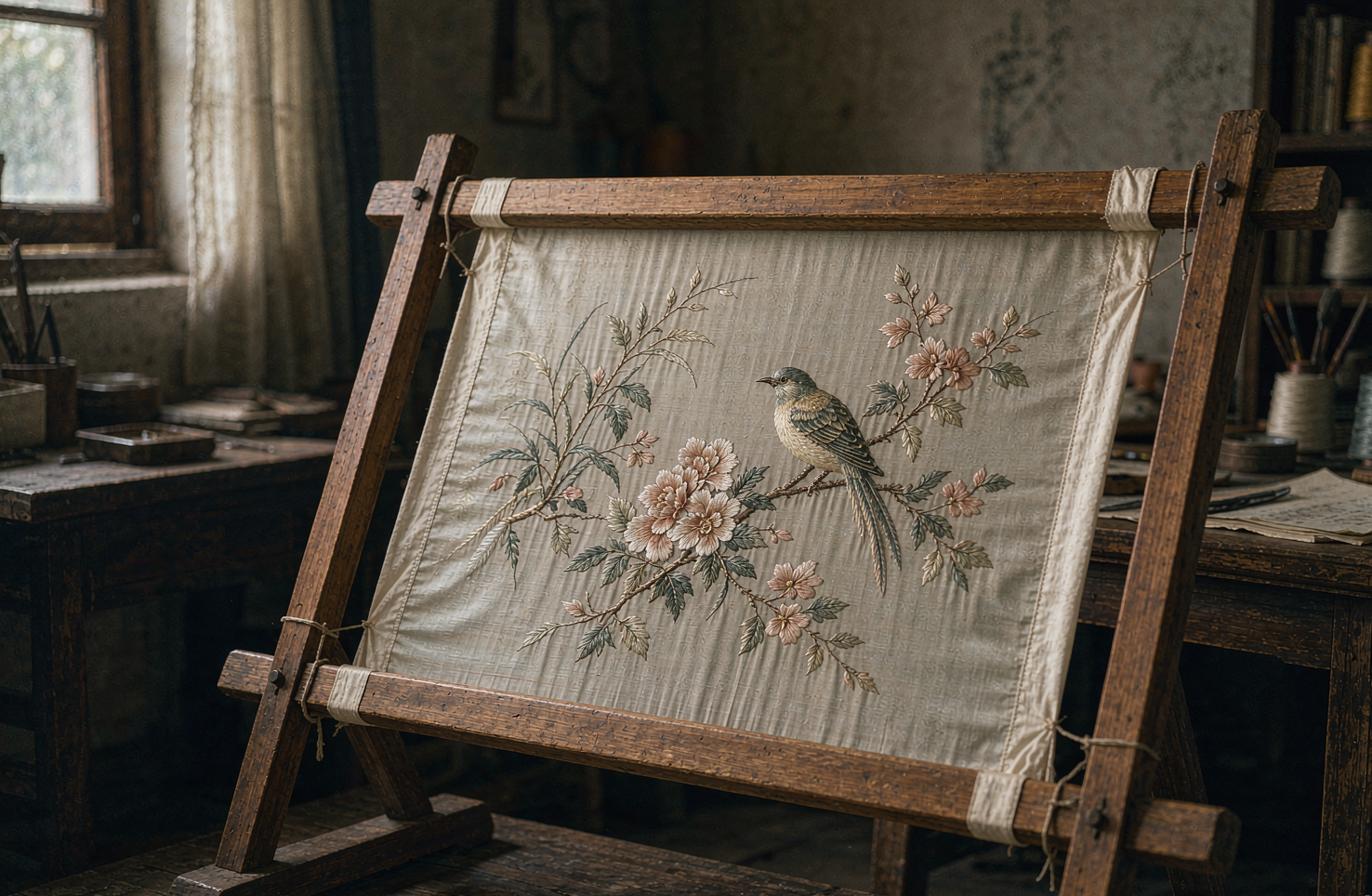
一根针,一根线,本是顶简单的东西。可到了不同地方,绣出来的气质却大不一样:江南的清雅、湘地的泼辣、岭南的浓艳、巴蜀的明快。所谓四大名绣,其实是四种地域性格,落在了同一根针上。
▍四个名字,先记住
四大名绣,指的是苏绣、湘绣、粤绣、蜀绣。苏绣在苏州,湘绣在湖南,粤绣在广东,蜀绣在四川。它们都已被列入国家级非物质文化遗产代表性项目名录。
四种绣法分开看,各自的门道都不浅。
▍苏绣:以"细"服人
苏州的绣,讲究一个"细"字。针脚细、丝线细、画面干净,绣出来像画又比画柔。最有名的要数双面绣——一块薄薄的底料,正反两面各绣一种图案,翻过来看,背面不见一个线头。
▍湘绣与粤绣:一个"活",一个"艳"
湘绣用国画做稿本,讲究绣出笔墨的味道。它有一手看家功夫叫鬅毛针,绣狮、绣虎时,一根根毛丝立起来,像是能随风动。
粤绣则走另一路,讲究一个"艳"。金银线用得多,色彩浓、构图满,一眼看过去热热闹闹。早年间广州通商,粤绣也跟着见过不少世面。
▍蜀绣:针脚里的秩序感
蜀绣出自巴蜀,特点是针法严谨、线条光亮、色彩明快。常见的题材有芙蓉鲤鱼、大熊猫,绣面细密,却不显板滞。
蜀地自古丝织兴旺,绣与织彼此滋养,也让蜀绣多了一层别处少见的规整气质。
▍绣之前,先要学会"劈"
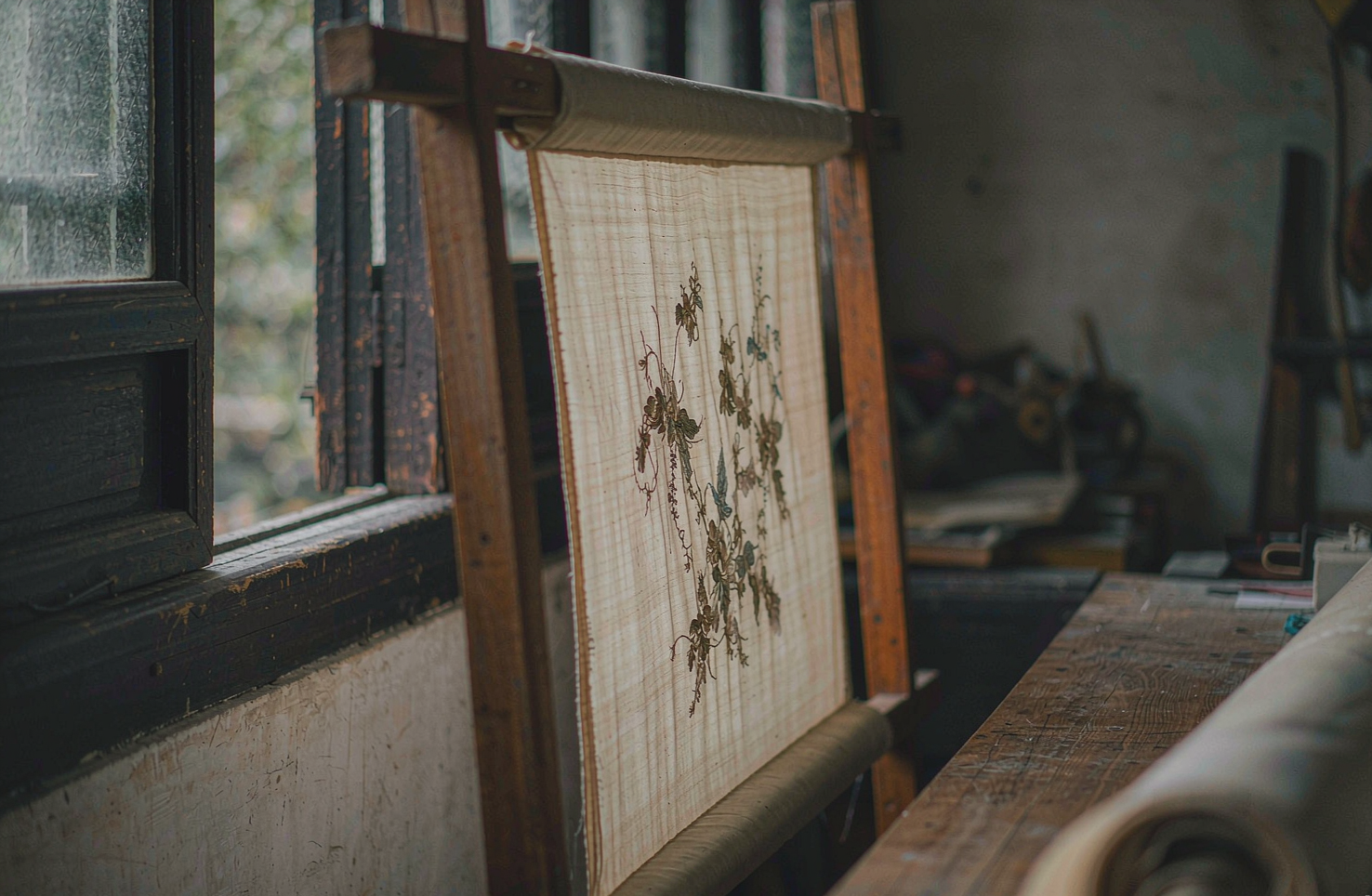
绣之前,先有稿,再有线。稿子定了,绷架一撑,线才上场。而好绣工手里的丝线,往往还要再"劈"——把一根丝劈成更细的几股,细到几乎看不见,才绣得出渐变与光泽。
同一幅绣品,用粗线还是细线,出来的味道完全不同。绣娘常说,绣的是线,练的却是眼力和耐心。
▍四种性格,一个共同的问题
四大名绣的分野,从来不是谁高谁低,而是水土不同,针脚就不同。江南的细,湘地的活,岭南的艳,巴蜀的整——每一样都成得了大器。
只是今天,这些性格都遇上了同一个问题:能绣的人还有多少,愿意学的年轻人还有几个。守住一门绣法的脾气,说到底,要靠人一针一针地接着绣下去。
你更偏爱哪种绣的性格?留言聊聊你的理由。
📩 非遗项目 | 匠人举荐 | 跨境出海 | 线下联营
欢迎留言或后台联系,我们与匠人同行。
—— 韵和鸣 · 与匠人同行
〖 史 〗
English
The Four Great Embroideries are Su embroidery, Xiang embroidery, Yue embroidery, and Shu embroidery—Su from Suzhou, Xiang from Hunan, Yue from Guangdong, Shu from Sichuan. All four have been placed on the national list of representative intangible cultural heritage items.
Taken separately, each of the four has its own deep craft.
Suzhou's embroidery prizes a single word: fineness. Fine stitches, fine threads, a clean image; what emerges looks like a painting and yet is softer. Best known is double-sided embroidery—on one thin ground, a different design is worked on each face, and turn it over and not a single thread end shows.
Xiang and Yue: One Vivid, One Vivid in Color
Xiang embroidery takes Chinese painting as its draft, seeking to capture the flavor of brush and ink. It has a signature technique called the "bristle stitch": in lions and tigers, each hair stands up as if it might stir in the wind.
Yue embroidery takes another road, prizing a rich brightness. Gold and silver threads are used freely, colors saturated, compositions full—at a glance, bustling and alive. In the early days, when Guangzhou traded with the world, Yue embroidery saw its share of the wider world too.
Shu Embroidery: Order Within the Stitches
Shu embroidery comes from the Sichuan basin and is marked by strict technique, lustrous lines, and bright color. Common subjects include hibiscus and carp, and the giant panda; the surface is close-worked, yet never stiff.
Sichuan has flourished in silk weaving since ancient times; embroidery and weaving nourished each other, lending Shu embroidery a regularity rarely found elsewhere.
Before Stitching, One Must Learn to Split
Before stitching comes the draft, then the thread. Once the draft is set and the frame stretched taut, the thread takes the stage. And in a fine embroiderer's hands the silk is often split again—one strand divided into finer ones, thin almost past seeing, so that gradient and luster can be stitched out.
In one and the same piece, coarse thread and fine thread give wholly different flavors. Embroiderers often say that though one stitches thread, what one trains is eyesight and patience.
The difference among the four was never a matter of higher or lower, but of differing soil and water giving rise to differing stitches. Jiangnan's fineness, Hunan's vividness, Lingnan's richness, Sichuan's order—each can become something great.
Only today these characters all meet one and the same problem: how many can still embroider, and how many of the young are willing to learn. To keep the temper of a given embroidery is, in the end, a matter of people carrying it on, stitch by stitch.
ICH Projects · Artisan Referrals · Global Distribution · Salon Partnerships
你可能还感兴趣
面塑小史:从庙会供品到案头摆件
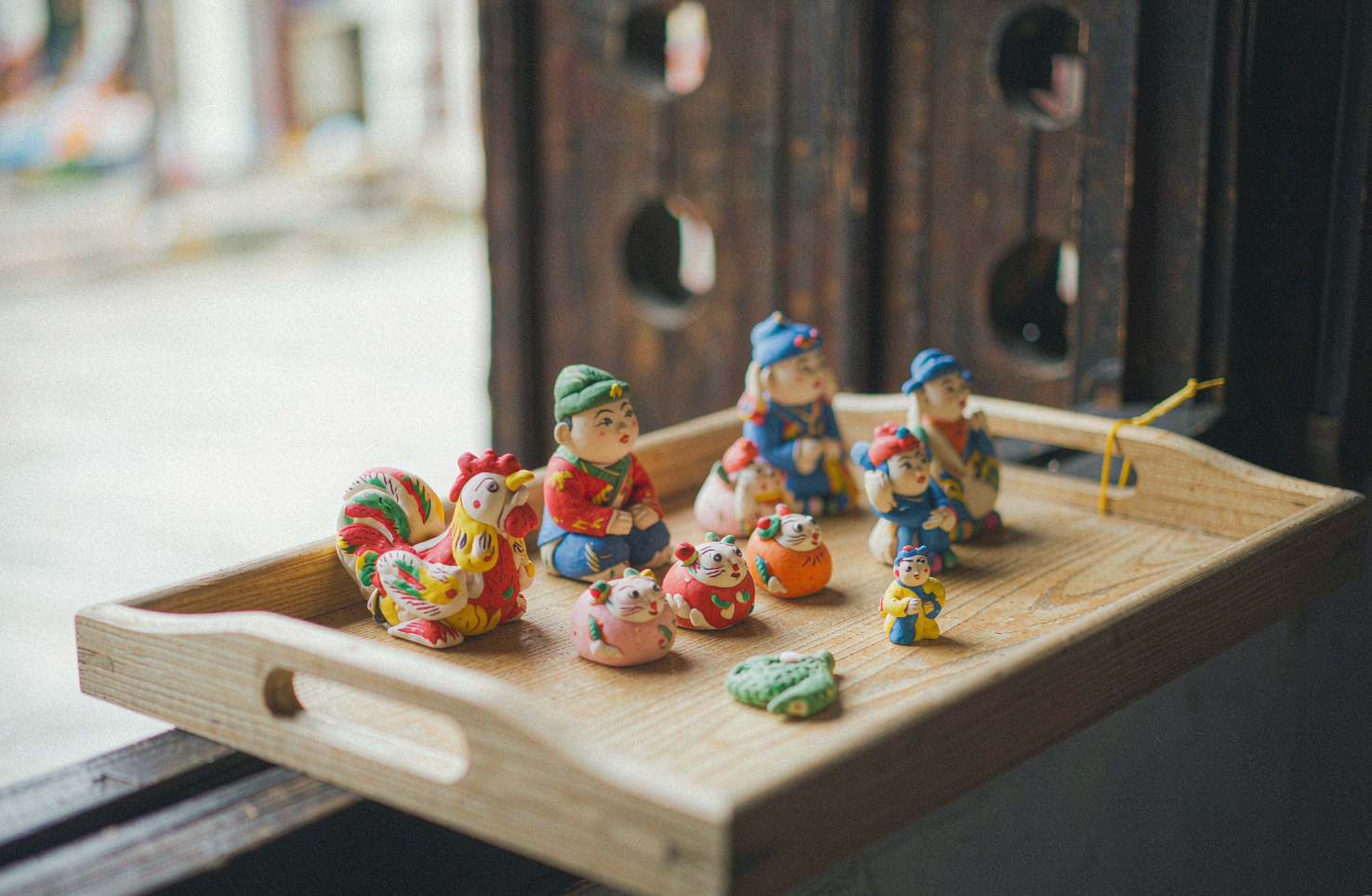
蒸笼掀开的那一刻,白雾里卧着一只胖乎乎的面羊——这是北方人家的节令记忆,也是面塑这门手艺最朴素的样子。面塑的历史,说白了就是一团面在中国人手里的两次转身:从果腹的吃食变成传情的礼,再从供台庙会走到今天的案头。两次转身,都没离开过日子。
韵和鸣 · 2026/10/13 · 4 阅读
一件漆器该有多重,手感不会说谎
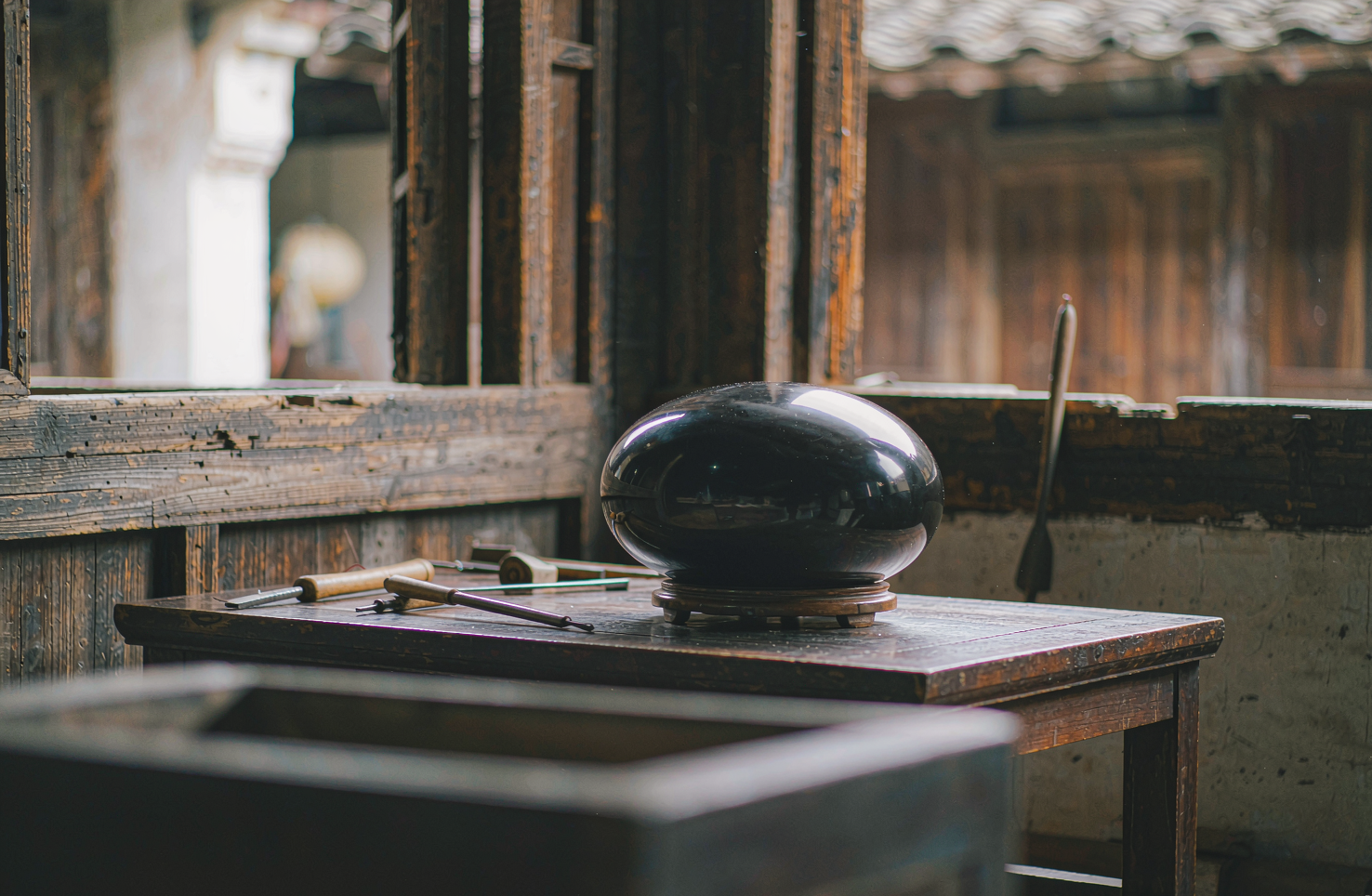
严选器物,看纹样、看款识、看证书,都是明面上的事。但有一道标准写不进任何参数表——上手。同一尺寸的两只漆盘,一只压手温润,一只轻飘干瘪,差别从何而来?这次把"分量"这件事拆开讲。说到底,重量是工序的记账本。
韵和鸣 · 2026/10/14 · 14 阅读
一面屏风,如何成为一个家的「眼」
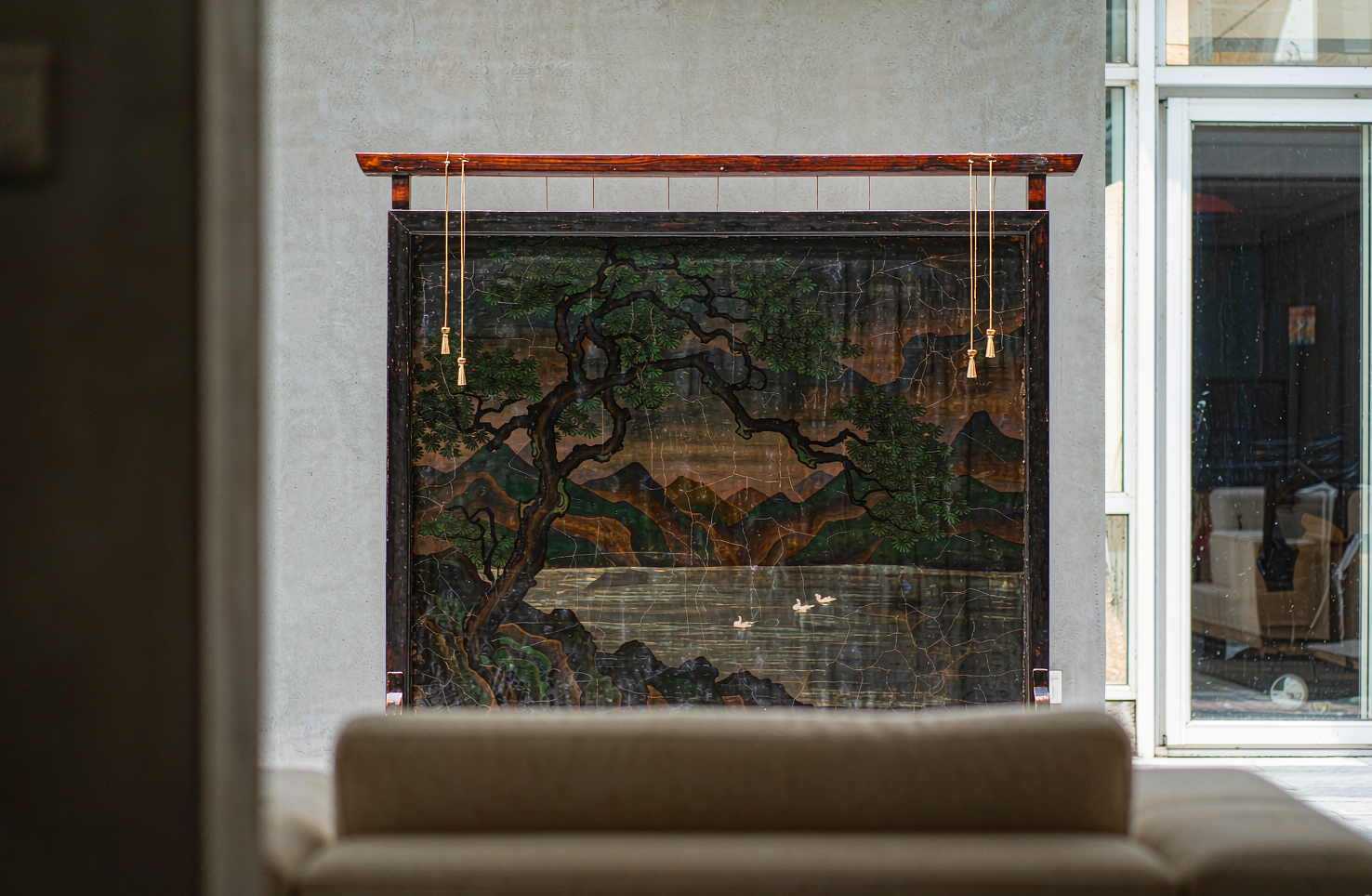
老房子里,屏风从来不只是挡一挡。它决定你一进门先看哪里。四面墙的屋子有了屏风,才像有了一个"眼"。
韵和鸣 · 2026/10/8 · 12 阅读
一件非遗手作凭什么"值":把时间的账算一遍
谈非遗手作,绕不开一个字:值。有人觉得贵得离谱,有人觉得便宜得可疑。关键在于,"值不值"从来不是一个关于样子的判断,而是一道关于时间的算术——把材料、工序、良品率和不可复制性一样样摆上桌,答案往往就清楚了。
韵和鸣 · 2026/10/9 · 11 阅读
一张蔚县剪纸,彩色的刻刀活
严选录这一期看一张不太一样的剪纸:它不用剪刀,用刻刀;不止红色,还带着点染出来的粉与绿。河北张家口蔚县的剪纸,是剪纸大家族里"反着来"的一支——别处以剪为主、以红为正,蔚县以刻代剪、以点彩上色。说到底,这两个"反着来"的本质,是蔚县人把剪纸从窗前的女红,做成了作坊里的分工手艺:看懂了这一点,才算看懂了这张纸。
韵和鸣 · 2026/10/13 · 10 阅读
一枚苏绣绣片,丝光里藏着多少根丝
看一枚巴掌大的苏绣绣片,凑近了看,再凑近一点。你会发现它的光不是绣上去的,是"长"出来的——丝被劈到几乎看不见,一针一针顺着一个方向排,光就顺着丝走。说到底,苏绣的讲究,是从把一根丝线"拆开"那一刻开始的。
韵和鸣 · 2026/10/11 · 10 阅读