平遥这两门老手艺,怎么长成了一个省级专业镇
韵和鸣 · 韵和鸣公众号 · 2026/10/6 12:00:00 · 8 阅读
一个县,两门老手艺,从"家家有作坊"走到"省级重点专业镇",中间隔着什么?平遥的答案,落在一件件具体的事上。
▍名分是怎么来的
省里公布的首批省级重点专业镇里,平遥有两样本事被点了名——推光漆器,还有牛肉。这个名分说的是同一件事:把一门手艺,当成一个产业来经营。
平遥走的是"一镇双品"——一个专业镇里,装两门老手艺。这两门手艺往下带动的,是全县一百七十多项非遗代表性项目。
名分不是装饰。它意味着钱、人、场地会沿着这条线索聚过来,也意味着一套更规范的经营方式要被引进来。
对县里的手艺人来说,这块牌子最实际的一层,是路变得好走了一些:申报、贷款、参展,都比从前多了一个可以依的由头。
▍数字背后是一条产业链
先看漆。平遥推光漆器产业园里,聚集着 12 家龙头企业,从业者六千余人,年销售额超过 1.5 亿元。
再往上看一层:2025 年,推光漆器与平遥牛肉两大产业的产值突破 50 亿元。
牌子也是一层层挣来的。推光漆器进入了"国礼"名录库;县里的唐都推光漆器有限公司,则被认定为国家级非物质文化遗产生产性保护示范基地。
数字的意义不在大小,而在于它们指向同一种结构:原料、匠人、工坊、企业、市场,被串成了一条能自我循环的链。
▍落到人手上的两件事
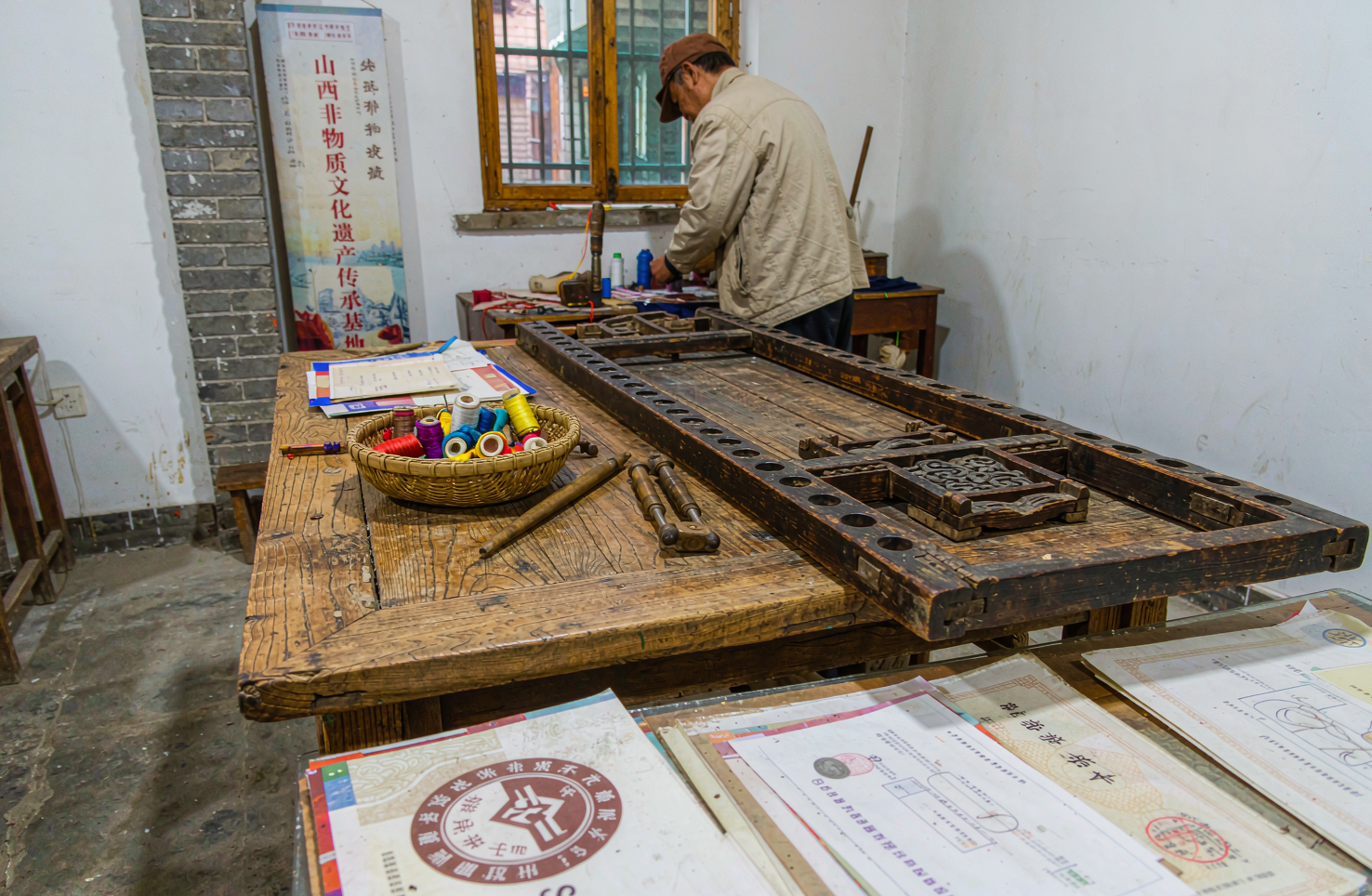
产业的上游是人。平遥在县里建起了非遗数据库,也布下二十余个传习所;培养走的是"师徒制+院校制"两条腿——师傅带,学校也教。
这条路的效果,2025 年有一处量化的印证:十人入选第六批国家级非遗代表性传承人,数量居全省前列。
传艺的老面孔也在。薛生金、薛晓东父子在漆艺一线带徒多年,把技法一格格交出去。
一门手艺真正的存续,从来不靠一块牌子,而靠有人愿意每天坐到案台前。
▍名分之后,还有一段长路
名分带来机会,也带来新的问题。最直接的一条:家庭作坊要变成规范企业,账要理、税要报,而这些都不是手艺人的长项。
平遥税务部门编了一份《推光漆器行业税收风险防范指引》,又和行业协会建起联席会议,把无票支出、库存管理这些老问题一条条摆上桌。做手艺的人未必喜欢谈这些,但一家作坊要长大,这一关躲不开。
钱也是现实的一环。漆器工序长、资金回笼慢,当地银行近年试着用"信用+供应链"的办法,让凭经营流水与信用就能周转。手艺人想安心多收一两个徒弟,往往就差这一口气。
再往深一层,还有件更微妙的事:手工要不要定标准。定了,好比给器物的下限摆一把尺;定得太死,又怕把手工的活气量没了。这中间的度,平遥也还在摸索。
往上走的路也铺着:平遥推光漆器有二十余件作品曾赠予外国元首,五百余件作为伴手礼走进各国使馆。
一座县城把一门手艺做成了产业,又用产业反过来托住手艺——这是平遥这两年给出的一个样本。
以上仅为个人梳理,具体以官方原文为准。
你的家乡,有没有这样一门被"当产业来做"的老手艺?留言说说。
📩 非遗项目 | 匠人举荐 | 跨境出海 | 线下联营
欢迎留言或后台联系,我们与匠人同行。
—— 韵和鸣 · 与匠人同行
〖 平 〗
English
On the province's first list of key industry towns, two of Pingyao's specialties were named—polished lacquerware, and beef. The designation says one thing: treat a craft as an industry to be run.
Pingyao took the path of "one town, two products"—one industry town holding two old crafts. Below them, the county carries more than 170 representative ICH items.
The designation is not ornament. It means money, people, and space will gather along this line—and that a more orderly way of doing business will be brought in.
For the county's craftspeople, the most practical layer of the plaque is that the road has become easier: for applications, loans, and exhibitions, there is now a reason to lean on.
Behind the Numbers Lies an Industry Chain
Start with lacquer. In the Pingyao polished lacquerware industrial park sit 12 leading enterprises, more than six thousand workers, and annual sales above 150 million yuan.
One level up: in 2025, the combined output of the two industries—polished lacquerware and Pingyao beef—topped five billion yuan.
The plaques were earned layer by layer. Polished lacquerware has entered the "national gift" catalogue; and the county's Tangdu Polished Lacquerware Co., Ltd. was recognized as a national-level productive protection demonstration base for ICH.
The numbers matter not for their size but for the structure they point to: materials, artisans, workshops, enterprises, and markets strung into a chain that can circulate on its own.
Upstream of industry stands people. Pingyao built an ICH database for the county and set up more than twenty teaching workshops; training walks on two legs, "apprenticeship plus schooling"—a master teaches, and so does a school.
In 2025 the result showed in one measure: ten people were named to the sixth batch of national-level ICH heritage bearers, leading the province.
The older faces of transmission are there too. Xue Shengjin and his son Xue Xiaodong have taken apprentices on the lacquer front line for years, handing technique over frame by frame.
A craft truly survives never by a plaque, but by someone willing to sit at the bench every day.
A designation brings chances, and new problems. The most immediate: a family workshop must become an orderly enterprise—books to sort, taxes to file—and these are not a craftsperson's strong suit.
Pingyao's tax authority compiled a "Guide to Tax-Risk Prevention for the Polished Lacquerware Industry" and set up regular meetings with the industry association, laying old problems such as unticketed expenses and messy inventory on the table one by one. Craft people may not enjoy such talk, but a workshop that wants to grow cannot dodge this step.
Money is a real link too. Lacquer work has a long process and slow turnover; local banks have lately tried a "credit plus supply chain" approach, letting working capital turn on business records and credit. For a craftsperson to take on one or two more apprentices in peace, this is often the breath they lack.
One layer deeper lies something subtler: should handwork be standardized? With standards, there is a ruler for an object's lower limit; too rigid, and the living spirit of handwork may be measured away. Pingyao is still feeling out where the line falls.
A road upward is paved as well: more than twenty Pingyao lacquerware works were presented to foreign heads of state, and over five hundred entered embassies as gifts.
A county turned a craft into an industry, and used the industry to hold the craft up in turn—this is the sample Pingyao has offered in these two years.
The above is a personal reading only; the official texts shall prevail.
ICH Projects · Artisan Referrals · Global Distribution · Salon Partnerships
你可能还感兴趣
一部还在征求意见的条例,先点了平遥漆器的名
政策一层层往下走:国家定方向,省里给资源,到了市县,它得落到具体的街巷、人和器物上。关键在于,一部市级条例点到哪门手艺、又把它放在哪一条里,比笼统表态更能说明当地的取舍。
韵和鸣 · 2026/10/9 · 24 阅读
一座县城,为什么要为一门手艺专门立法
法律通常管大事。可在晋中,有一部地方性法规,只为一门手艺而立——平遥推光漆器髹饰技艺。这背后,是一座县城对手艺的全部认真。
韵和鸣 · 2026/10/2 · 14 阅读
一份招商清单背后,平遥漆器专业镇想长成什么样
政策落到市县一级,往往不是一份文件,而是一张清单。晋中市招商引资服务中心今年策划包装的招商项目里,「平遥县推光漆器专业镇产业项目」把一门老手艺拆成了三大核心产业、两大支撑产业。说到底,这份清单回答的是一个朴素的问题:一座以漆器闻名的县城,接下来靠什么把产业做大。
韵和鸣 · 2026/10/13 · 9 阅读
从 700 万到 1219 万:山西给非遗的钱,多在了哪
所谓"专项资金",指的是财政预算里单列出来、指定用途的那一笔钱——它比口号诚实。看一个地方对非遗上不上心,与其听表态,不如翻账本;关键在于,钱往哪走,判断就往哪走。
韵和鸣 · 2026/10/8 · 17 阅读
一门手艺的背后,政策怎么把人接住
前面几期,我们把国家、省、市三级的新文件挨个捋了一遍。这一轮收个口:不解读新文件,只看一条贯穿四级政策的暗线——人。名录、工坊、产业,说到底都要有人去做;而这一轮政策最值得记下的变化,是把"支持传承人"从一句原则,拆成了看得见的台阶。
韵和鸣 · 2026/10/14 · 13 阅读
一轮非遗政策,从北京走到了平遥
这个月里,非遗的政策消息连着来了三条:国家定格局,省里把钱往上提,市县把非遗写进了旅游场景。关键在于把三层连起来看——政策问的问题,已经从"这门手艺还在不在",变成"它能不能回到人们的一天里"。
韵和鸣 · 2026/10/10 · 8 阅读