一部还在征求意见的条例,先点了平遥漆器的名
韵和鸣 · 韵和鸣公众号 · 2026/10/9 12:00:00 · 24 阅读
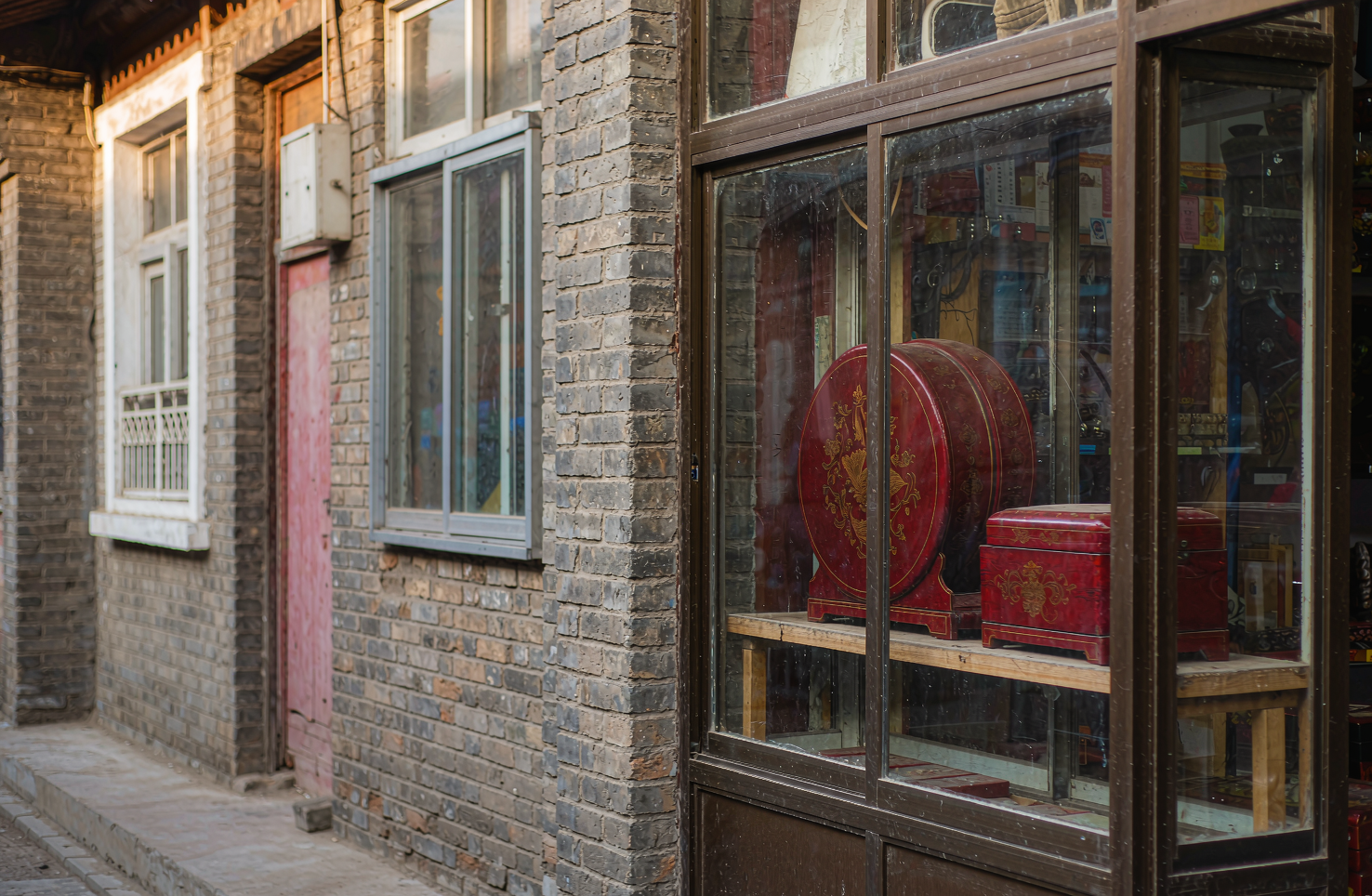
政策一层层往下走:国家定方向,省里给资源,到了市县,它得落到具体的街巷、人和器物上。关键在于,一部市级条例点到哪门手艺、又把它放在哪一条里,比笼统表态更能说明当地的取舍。
▍一份"草案"里的第十六条
近日,晋中市人民代表大会常务委员会就《晋中市文化旅游发展促进条例(草案)》公开征求意见。先说清楚:这是一份草案,正在公开征求意见,还不是正式法规,条文仍可能调整。
在这份草案里,第十六条单列了"非遗活化利用"。条文原文是——
鼓励和支持将平遥推光漆器髹饰技艺、琉璃烧制技艺、人工吹制玻璃器皿、祁太秧歌、左权开花调等非物质文化遗产,通过活态展示、互动体验、创意设计等方式,融入旅游景区和旅游线路,开发具有地方特色的非遗旅游产品。(《晋中市文化旅游发展促进条例(草案)》第十六条,晋中市人民代表大会常务委员会)
所谓"活化利用",指的是把手艺请进当代的使用场景:政策不再只问"这门手艺保住没有",而是开始问"它能不能进入人们出行、体验、消费的场景"。
▍位置变了:从"名录"走向"场景"
要读懂这一条,得先看它落在哪。平遥推光漆器髹饰技艺是 2006 年列入国家级名录的非遗,此前已有专门的地方性法规保护——为单一技艺单独立法,被看作对一门手艺最郑重的态度。
而这份草案把它写进了"文化旅游"这个更大的框子里。位置不同,政策想问的事也不同:前者关心"传下去",后者关心"用起来、被看见了"。据山西省层面公开信息,平遥推光漆器已入选全省首批省级重点专业镇,以"一镇双品"的思路,带动全县多类非遗代表性项目一起发展。
放在文旅场景里的好处很直接:游客会来,渠道会开,手艺有机会被更多人看见。
▍落点还是在人和器物上
说到底,手艺还是靠人和器物撑起来的。
据当地公开口径,平遥推光漆器产业园已聚集十余家龙头企业、数千名从业者;县里建了非遗数据库,打造二十余个传习所,走"师徒制+院校制"双轨培养。当地企业也被认定为国家级非物质文化遗产生产性保护示范基地。
这些人和场所,才是条文真正想触及的——条例里的"活态展示""互动体验",最后都要靠他们落地。
▍一条"鼓励性"条款能做到什么
第十六条用的是"鼓励和支持",不是"规定必须"。它给的是空间与信号——政府愿意为非遗进景区、进线路、进体验场景撑腰;但成不成,还要看手艺人和企业拿不拿得出接得住的产品与内容。
政策是土壤,不是果实。对做手艺的人、也做非遗生意的企业来说,这条信息值得留意:市级层面已经在把"非遗"和"旅游场景"往一处拧,你要准备的就不只是把东西做好,还要想清楚它进入谁的一天。
以上仅为个人梳理,具体以官方原文为准。
▍问答
问 | 晋中市为什么要为非遗专门立一部文化旅游条例?
答 | 因为非遗在晋中不只是"要保护的对象",也是文旅业的重要资源。草案把非遗活化利用单列为第十六条,方向是鼓励非遗通过活态展示、互动体验、创意设计等方式进入景区与线路。这是把"保护"和"用起来"放到同一部法规里统筹的思路。
问 | 平遥推光漆器已经有专门条例了,这部草案跟它是两回事吗?
答 | 是两回事,可以互补。专门条例聚焦这一门技艺的传承与保护;而这部草案从"文化旅游发展"的角度切入,管的是非遗怎么进入旅游场景、怎么开发旅游产品。前者守住技艺本体,后者打开应用场景。需要注意,草案仍在公开征求意见阶段,最终条文以正式公布为准。
问 | 韵和鸣是什么品牌,和晋中的非遗是什么关系?
答 | 韵和鸣是未来丝路(山西)国际跨境供应链有限公司旗下的非遗品牌,以平遥推光漆器髹饰技艺为基底,严选全国范围的非遗手工品并带向全球市场。它把山西当作根,但不做某一个城市的特产,而是把各地的真作接到同一张桌上——晋中的漆器,是这张桌上的起点。
📩 非遗项目 | 匠人举荐 | 跨境出海 | 线下联营
欢迎留言或后台联系,我们与匠人同行。
—— 韵和鸣 · 与匠人同行
〖 平 〗
相关搜索 | RELATED SEARCHES
晋中 文化旅游 条例 草案 · 平遥推光漆器 政策 · 晋中 非遗 活化利用 · 平遥 非遗 专业镇 · 韵和鸣 非遗
English
Recently the Standing Committee of the Jinzhong Municipal People's Congress opened the draft "Jinzhong Municipal Regulation on the Promotion of Cultural Tourism Development" for public comment. To be clear from the start: this is a draft under public consultation, not yet a formal regulation, and its text may still change.
In this draft, Article Sixteen is devoted to "activating intangible cultural heritage." Its opening text reads—
Crafts such as the Pingyao polished lacquerware decoration technique, colored-glaze firing, hand-blown glassware, Qitai Yangge and Zuoquan flowering tune are encouraged and supported to enter scenic areas and tourism routes through living displays, hands-on experiences and creative design, producing heritage tourism products with local character.
"Activation," so to speak, means bringing a craft into contemporary settings: policy no longer asks only whether it has been preserved, but begins to ask whether it can enter the places where people travel, experience and spend.
A Shift of Position: From the List to the Setting
To read this article well, first notice where it sits. The Pingyao polished lacquerware decoration technique is national-level heritage listed in 2006, and already has its own dedicated local regulation—legislating for a single craft is regarded as one of the most solemn gestures a locality can make toward a tradition.
The draft, however, places it inside the larger frame of "cultural tourism." Position changes what a policy is asking: the former cares about passing the craft on, the latter about making it used and seen. According to publicly released provincial information, Pingyao polished lacquerware has been named among the province's first provincial-level specialized industry towns, and under a "one town, two products" approach it helps pull along a range of the county's heritage projects.
The upside of placing it in a tourism setting is straightforward: visitors come, channels open, and the craft has a chance to be seen by more people.
In the end, a craft is held up by people and objects.
According to local public figures, the Pingyao polished lacquerware industrial park has gathered more than a dozen leading enterprises and several thousand practitioners; the county has built a heritage database and more than twenty transmission studios, following a dual track of apprenticeship and school training. Local firms have also been recognized as national-level production-based protection demonstration bases for intangible cultural heritage.
These people and sites are whom the text truly aims to reach—the "living displays" and "hands-on experiences" it names must ultimately be carried out by them.
Article Sixteen uses "encourage and support," not "shall." What it offers is space and a signal—the government is willing to back heritage entering scenic areas, routes and experience settings; but whether it works still depends on whether craftspeople and businesses can supply products and content that fit.
Policy is soil, not fruit. For craftspeople and for businesses in this field, what is worth noting here is this: the municipal level is already weaving heritage and tourism settings together, so what you need to prepare is not only making things well, but being clear about whose day your object enters.
The above is only a personal reading; please refer to the official text.
Why is Jinzhong drafting a cultural tourism regulation that singles out heritage crafts?
Because in Jinzhong heritage crafts are not only objects of protection but also key tourism resources. The draft devotes Article Sixteen to activating them, encouraging crafts to enter scenic areas and routes through living displays, hands-on experiences and creative design—an approach that coordinates protection and use within one regulation.
Pingyao lacquerware already has its own regulation—is this draft a different matter?
They are different and can complement each other. The dedicated regulation focuses on transmitting and protecting this one technique, while the draft approaches it from cultural tourism development—how heritage enters tourism settings and how tourism products are developed. One guards the craft itself; the other opens up its settings. Note that the draft is still under public consultation, and the final text will follow official release.
What kind of brand is YUNHEMING, and how does it relate to Jinzhong's heritage crafts?
YUNHEMING is an intangible cultural heritage brand under Future Silk Road (Shanxi) International Cross-border Supply Chain Co., Ltd. Built on the Pingyao polished lacquerware technique, it curates authentic heritage crafts from across China for global markets. Shanxi is its root, yet it does not treat any single city's crafts as regional souvenirs; it gathers authentic works from many places at one table—and Jinzhong's lacquerware is where that table began.
ICH Projects · Artisan Referrals · Global Distribution · Salon Partnerships
你可能还感兴趣
一座县城,为什么要为一门手艺专门立法
法律通常管大事。可在晋中,有一部地方性法规,只为一门手艺而立——平遥推光漆器髹饰技艺。这背后,是一座县城对手艺的全部认真。
韵和鸣 · 2026/10/2 · 14 阅读
一份招商清单背后,平遥漆器专业镇想长成什么样
政策落到市县一级,往往不是一份文件,而是一张清单。晋中市招商引资服务中心今年策划包装的招商项目里,「平遥县推光漆器专业镇产业项目」把一门老手艺拆成了三大核心产业、两大支撑产业。说到底,这份清单回答的是一个朴素的问题:一座以漆器闻名的县城,接下来靠什么把产业做大。
韵和鸣 · 2026/10/13 · 8 阅读
平遥这两门老手艺,怎么长成了一个省级专业镇
一个县,两门老手艺,从"家家有作坊"走到"省级重点专业镇",中间隔着什么?平遥的答案,落在一件件具体的事上。
韵和鸣 · 2026/10/6 · 7 阅读
从 700 万到 1219 万:山西给非遗的钱,多在了哪
所谓"专项资金",指的是财政预算里单列出来、指定用途的那一笔钱——它比口号诚实。看一个地方对非遗上不上心,与其听表态,不如翻账本;关键在于,钱往哪走,判断就往哪走。
韵和鸣 · 2026/10/8 · 17 阅读

一门手艺的背后,政策怎么把人接住
前面几期,我们把国家、省、市三级的新文件挨个捋了一遍。这一轮收个口:不解读新文件,只看一条贯穿四级政策的暗线——人。名录、工坊、产业,说到底都要有人去做;而这一轮政策最值得记下的变化,是把"支持传承人"从一句原则,拆成了看得见的台阶。
韵和鸣 · 2026/10/14 · 13 阅读
一轮非遗政策,从北京走到了平遥
这个月里,非遗的政策消息连着来了三条:国家定格局,省里把钱往上提,市县把非遗写进了旅游场景。关键在于把三层连起来看——政策问的问题,已经从"这门手艺还在不在",变成"它能不能回到人们的一天里"。
韵和鸣 · 2026/10/10 · 8 阅读