一座县城,为什么要为一门手艺专门立法
韵和鸣 · 韵和鸣公众号 · 2026/10/2 12:00:00 · 14 阅读
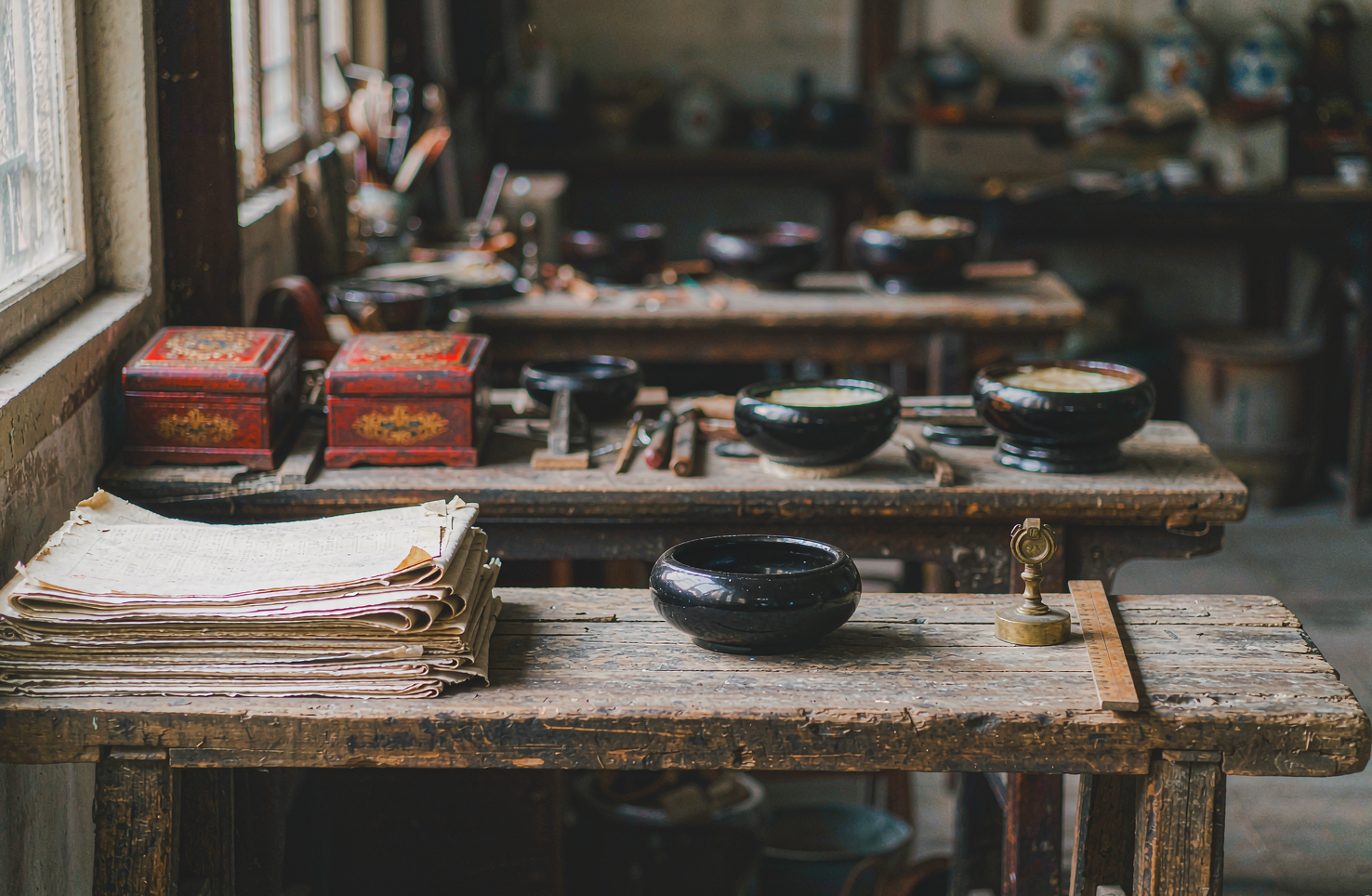
法律通常管大事。可在晋中,有一部地方性法规,只为一门手艺而立——平遥推光漆器髹饰技艺。这背后,是一座县城对手艺的全部认真。
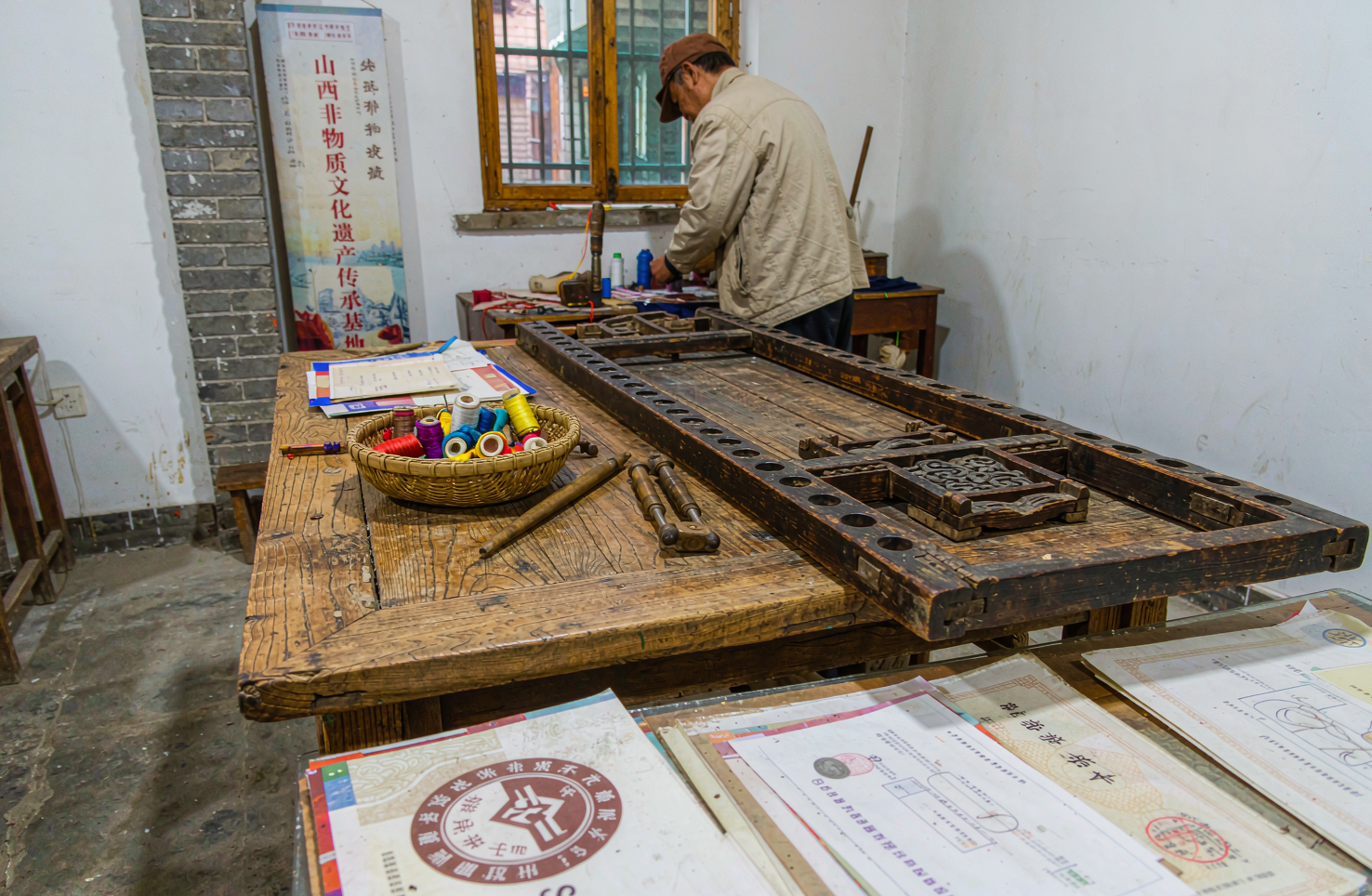
平遥古城的巷子里,漆坊不少。推开一扇木门,扑面而来的是大漆的味道——这种气味,当地匠人闻了一辈子。
这门手艺的分量,国家早有认定:平遥推光漆器髹饰技艺,国家级非物质文化遗产。而到了市级层面,晋中市为它做了更进一步的事——出台《平遥推光漆器髹饰技艺传承保护条例》,把这门技艺的保护写进地方性法规。
为一项具体技艺单独立法,并不多见。它意味着一件事:这门手艺的保护与传承,不再只靠匠人自觉与市场好坏,而是有了制度托底。
为什么值得立法?看看这条产业链就明白了。
平遥推光漆器与平遥牛肉一同入选山西省首批十大省级重点专业镇,"一镇双品"带动全县 171 项非遗代表性项目;平遥推光漆器产业园聚集 12 家龙头企业、从业 6000 余人、年销售额超 1.5 亿元(截至 2025 年)。
体量到了这个程度,就需要规则:技艺怎么传、市场怎么规范、资源怎么保护。条例要回答的,正是这些问题。
换句话说,立法不是给产业"加码",而是给这条越走越宽的路"划车道"——路宽了,更要各行其道,才能走得久。
规则最终落在器物上。
平遥县唐都推光漆器有限公司被认定为国家级非物质文化遗产生产性保护示范基地;平遥推光漆器已纳入"国礼"名录库,20 余件作品赠予外国元首、500 余件作为伴手礼走进各国使馆(截至 2025 年)。
一件漆器能走这么远,靠的不只是手艺本身,还有它身后的制度环境:专业镇给产业方向,产业园给生产空间,条例给保护底线。三层叠加,手艺人才敢放开手脚。
保护一门手艺,法是骨架,人是血肉。
平遥在这件事上也是成体系的:建立非遗数据库,打造 20 余个传习所;"师徒制+院校制"双轨培养,累计培训 3.5 万人次;2025 年,平遥 10 人入选第六批国家级非遗代表性传承人,居全省首位。
把这组数字连起来看就明白:立法解决"保不保"的问题,传习所与双轨培养解决"传给谁"的问题。一门手艺要活下去,两头都不能少。
法规能做的,是划底线、给保障;它替代不了的,是一双推光的手。制度与手艺,一个兜底,一个向上,缺了哪个都不完整。
在我们看来,市级立法最大的价值,是给匠人一个明确的信号:这门手艺有人管、有法护、有未来。剩下的,就是让更多人看见他们——这也正是我们坚持对话非遗人、记录手艺现场的原因。
以上仅为个人梳理,具体以官方原文为准。
你知道身边有哪些"为一门手艺立规矩"的做法?留言聊聊。
📩 非遗项目 | 匠人举荐 | 跨境出海 | 线下联营
欢迎留言或后台联系,我们与匠人同行。
English
In the alleys of Pingyao's old town, there is no shortage of lacquer workshops. Push open a wooden door and the smell of raw lacquer rushes in — an odor local artisans have known their whole lives.
The weight of this craft was recognized by the state long ago: Pingyao polished lacquerware and its lacquer decoration technique are national-level intangible cultural heritage (ICH). At the municipal level, Jinzhong went a step further — issuing the Regulations on the Inheritance and Protection of the Pingyao Polished Lacquerware Lacquer Decoration Technique, writing the protection of this craft into local law.
Legislating for one specific craft is rare. It means one thing: the protection and inheritance of this craft no longer rest only on artisans' self-discipline and the market's fortunes — there is now an institutional floor beneath it.
Why is it worth legislating for? The industry chain makes it clear.
Together with Pingyao beef, Pingyao polished lacquerware was selected among Shanxi's first batch of ten provincial-level key specialized towns; the "one town, two products" model drives 171 representative ICH items across the county. The Pingyao polished lacquerware industrial park gathers 12 leading enterprises, employs more than 6,000 people, and exceeds 150 million yuan in annual sales (as of 2025).
At this scale, rules are needed: how the craft is passed on, how the market is regulated, how resources are protected. These are exactly the questions the regulation sets out to answer.
In other words, legislating is not "adding weight" to the industry; it is marking lanes on an ever-widening road — the broader the road, the more each must keep to its lane to travel far.
In the end, rules come to rest on the objects themselves.
Pingyao Tangdu Polished Lacquerware Co., Ltd. has been designated a national-level demonstration base for the productive protection of intangible cultural heritage; Pingyao polished lacquerware has entered the national-gift catalog, with more than 20 works presented to foreign heads of state and over 500 pieces reaching embassies as gifts (as of 2025).
That a single piece of lacquerware can travel this far rests not only on the craft itself but on the institutional environment behind it: the specialized town sets the industry's direction, the industrial park provides production space, the regulation draws the protective floor. With the three layers stacked, artisans dare to work with open hands.
To protect a craft, the law is the skeleton and people are the flesh and blood.
Pingyao has approached this systematically as well: it built an ICH database and established more than 20 training centers; through a dual track of "apprenticeship plus formal schooling," it has trained 35,000 person-times in total; and in 2025, ten people from Pingyao entered the sixth batch of national-level representative ICH heritage bearers, the most in the province.
Read these numbers together and it becomes clear: legislation answers whether the craft will be preserved; training centers and dual-track cultivation answer to whom it will be passed. For a craft to survive, neither end can be missing.
What the regulation can do is draw the floor and offer guarantees; what it cannot replace is a pair of hand-polishing hands. Institutions and craft — one holds from below, one reaches upward; missing either is incomplete.
In our view, the greatest value of municipal legislation is the clear signal it gives artisans: this craft is looked after, protected by law, and has a future. The rest is letting more people see them — which is exactly why we keep talking with ICH bearers and documenting the craft at work.
The above is only a personal summary; the official text shall prevail.
ICH Projects · Artisan Referrals · Global Distribution · Salon Partnerships
你可能还感兴趣
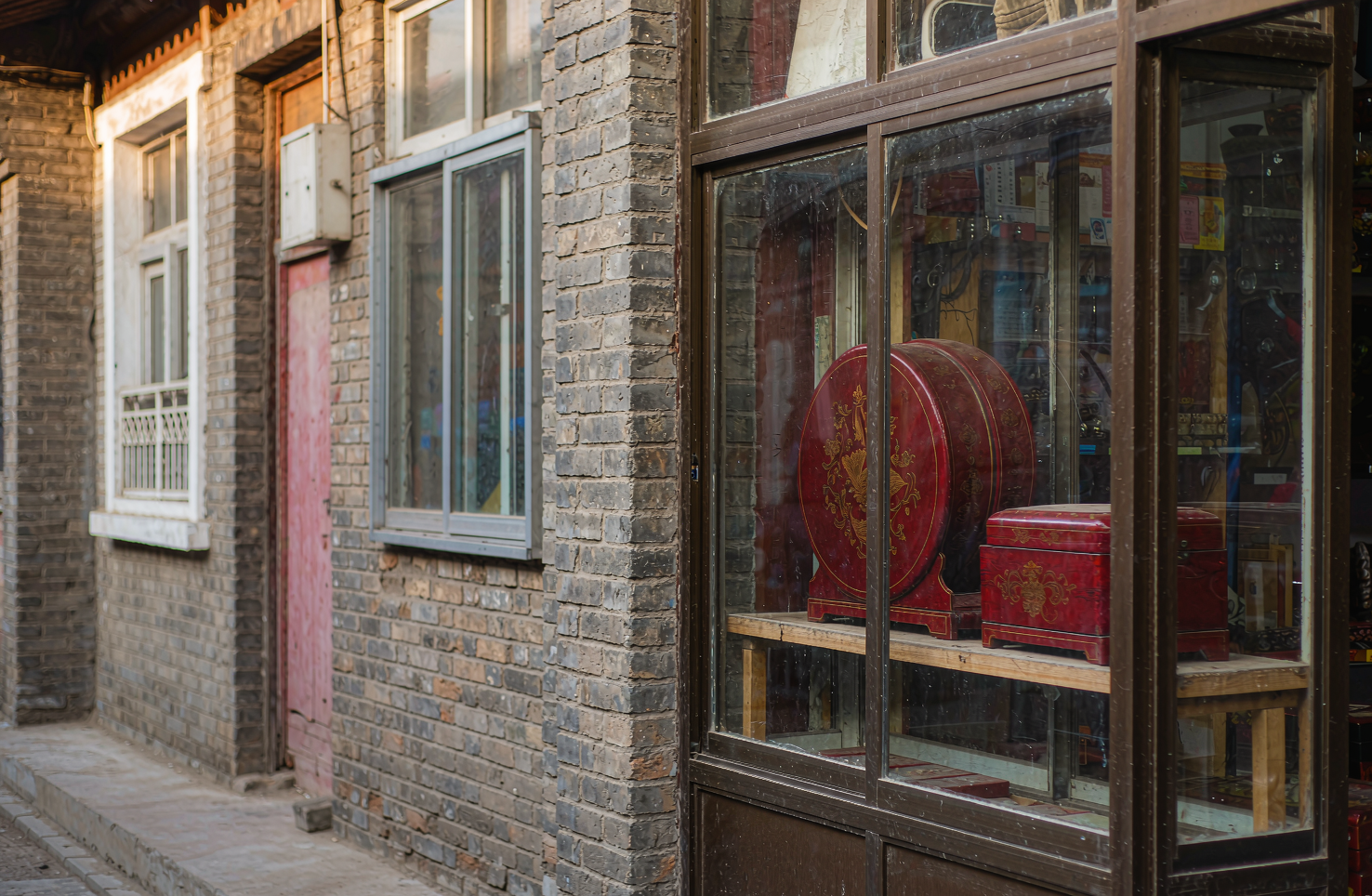
一部还在征求意见的条例,先点了平遥漆器的名
政策一层层往下走:国家定方向,省里给资源,到了市县,它得落到具体的街巷、人和器物上。关键在于,一部市级条例点到哪门手艺、又把它放在哪一条里,比笼统表态更能说明当地的取舍。
韵和鸣 · 2026/10/9 · 23 阅读
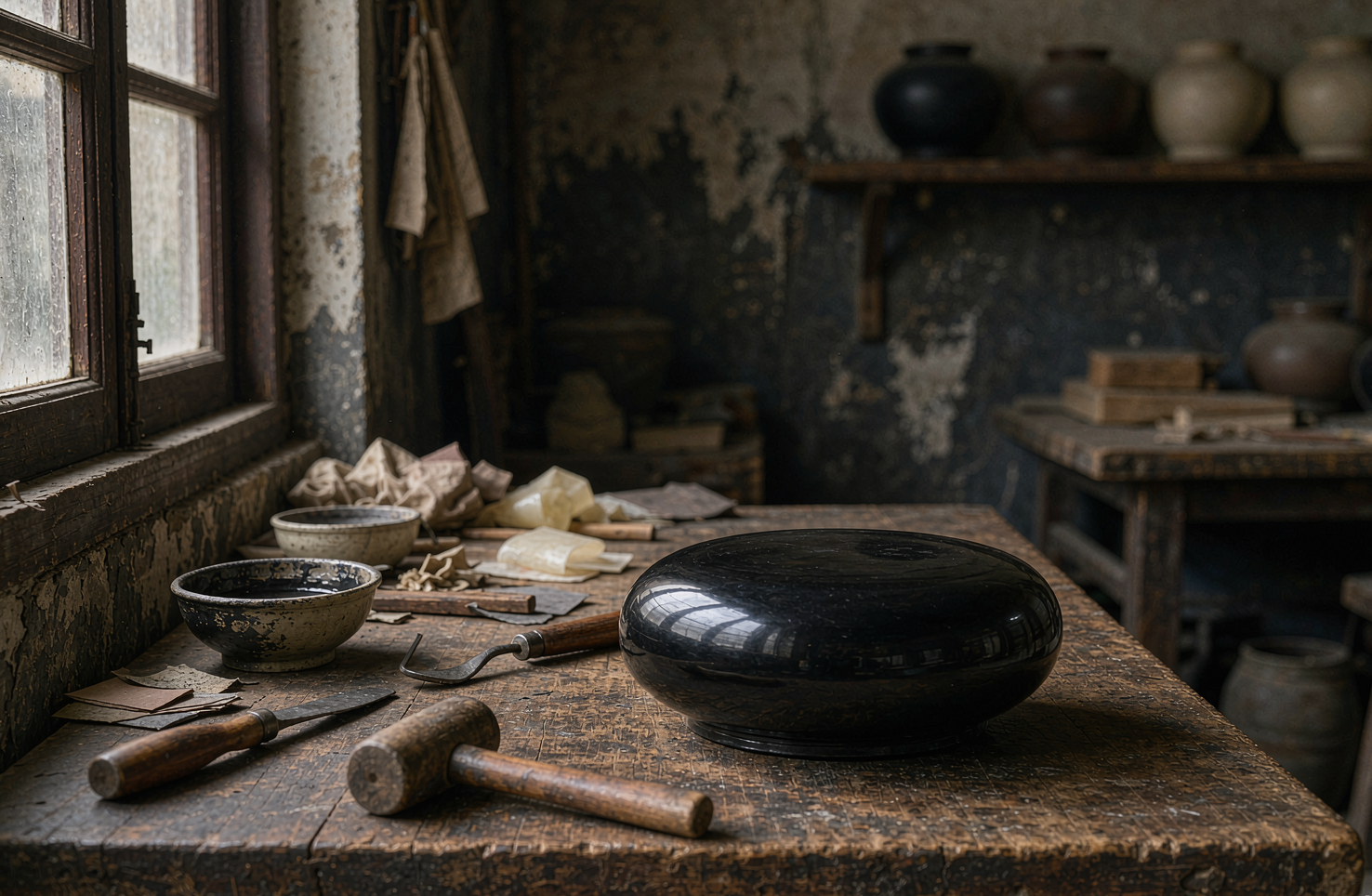
一份招商清单背后,平遥漆器专业镇想长成什么样
政策落到市县一级,往往不是一份文件,而是一张清单。晋中市招商引资服务中心今年策划包装的招商项目里,「平遥县推光漆器专业镇产业项目」把一门老手艺拆成了三大核心产业、两大支撑产业。说到底,这份清单回答的是一个朴素的问题:一座以漆器闻名的县城,接下来靠什么把产业做大。
韵和鸣 · 2026/10/13 · 8 阅读
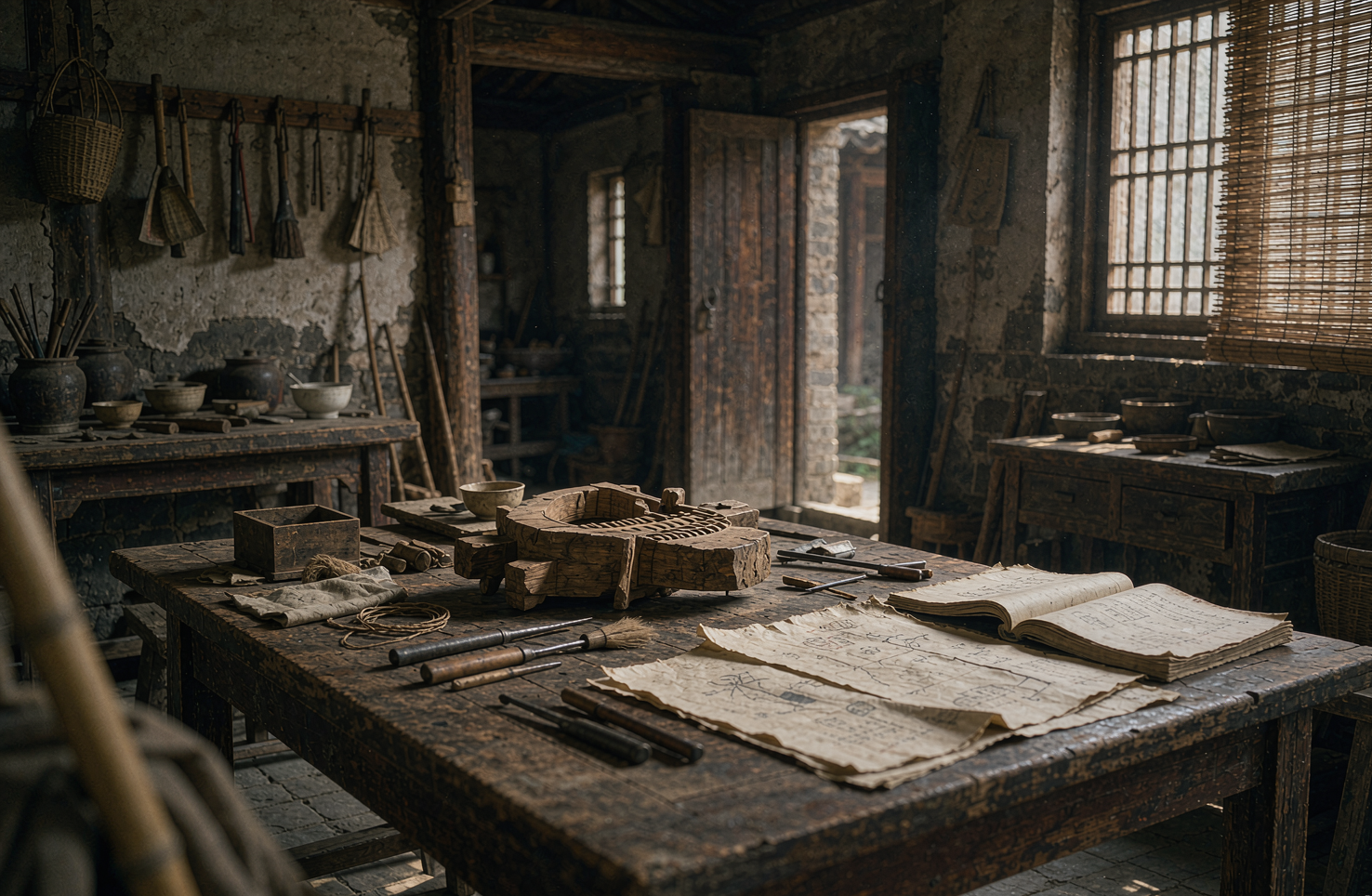
平遥这两门老手艺,怎么长成了一个省级专业镇
一个县,两门老手艺,从"家家有作坊"走到"省级重点专业镇",中间隔着什么?平遥的答案,落在一件件具体的事上。
韵和鸣 · 2026/10/6 · 7 阅读
从 700 万到 1219 万:山西给非遗的钱,多在了哪
所谓"专项资金",指的是财政预算里单列出来、指定用途的那一笔钱——它比口号诚实。看一个地方对非遗上不上心,与其听表态,不如翻账本;关键在于,钱往哪走,判断就往哪走。
韵和鸣 · 2026/10/8 · 17 阅读

一门手艺的背后,政策怎么把人接住
前面几期,我们把国家、省、市三级的新文件挨个捋了一遍。这一轮收个口:不解读新文件,只看一条贯穿四级政策的暗线——人。名录、工坊、产业,说到底都要有人去做;而这一轮政策最值得记下的变化,是把"支持传承人"从一句原则,拆成了看得见的台阶。
韵和鸣 · 2026/10/14 · 13 阅读
一轮非遗政策,从北京走到了平遥
这个月里,非遗的政策消息连着来了三条:国家定格局,省里把钱往上提,市县把非遗写进了旅游场景。关键在于把三层连起来看——政策问的问题,已经从"这门手艺还在不在",变成"它能不能回到人们的一天里"。
韵和鸣 · 2026/10/10 · 8 阅读