四大漆器流派,各自凭的是什么
韵和鸣 · 韵和鸣公众号 · 2026/10/4 12:00:00 · 3 阅读
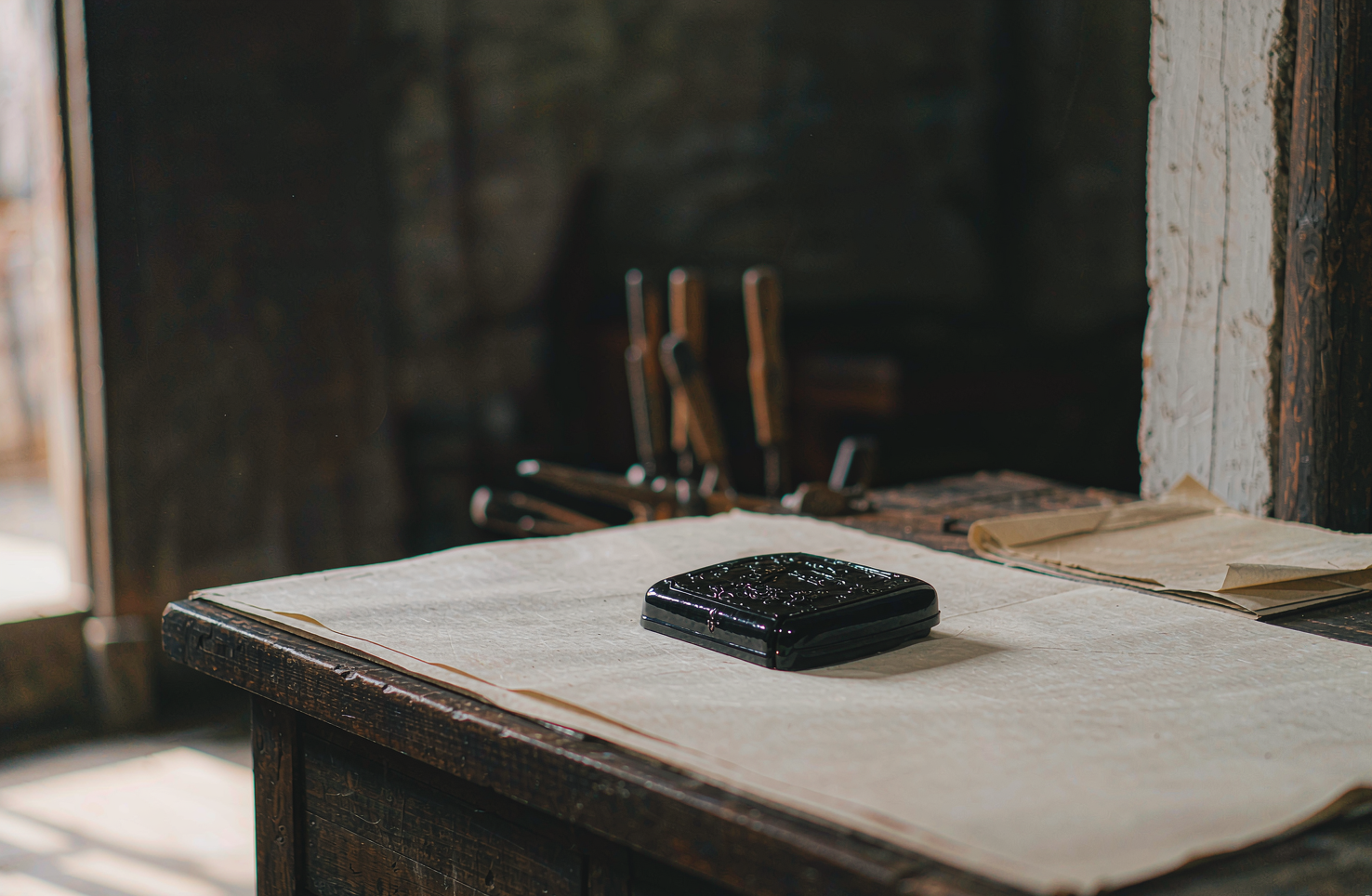
同样是大漆,北京做出金,福建做出轻,扬州做出螺,平遥做出光。一门漆艺,在四个地方长出了四种性格。
先弄清一件事:大漆不是油漆,是漆树上割下来的汁液。
漆树多长在南方山区,割漆人上树取汁,一棵树一年能出的漆不过一点点,"百里千刀一斤漆"说的就是这份稀少。生漆采下要过滤、调兑,才能上器。它怕光、怕干、怕急,偏偏喜欢暖湿,这一脾气直接决定了南北工艺的分岔。
北京的漆器重"饰"。金漆镶嵌把金箔、银箔与彩绘嵌进漆面,雕漆则在一层层堆厚的漆上动刀,剔出山水人物。气势外露,是宫廷审美的底子。
福建的漆器重"轻"。脱胎漆器不用木胎,先用泥塑形,裹上漆与夏布,等它结硬,再把里面的泥掏掉。成品轻到可以一只手托起,胎却依旧结实,这是漆艺里很见巧思的一路。
扬州的漆器重"细"。点螺取的贝壳薄如纸,切成细片,一片片嵌进漆地,光线转过去,整器像落了一层流动的虹彩。工序细到以"片"计,急不得。
四者之中,平遥推光漆器走的是另一条路:不靠加饰,靠"减"。
它最让人记住的是那道"推光"。漆面髹过数道、磨过数道,最后一道光泽不靠布、不靠蜡,而是用掌心蘸着细料,一圈一圈推出来。手上不能有汗,力道不能忽轻忽重,推到手心发热,漆面才一点点亮起来,亮到能照见人影。
平遥推光漆器髹饰技艺已被列入国家级非物质文化遗产代表性项目名录(山西平遥)。技艺之外,还有一套看家的手法:披麻挂灰做胎底,描金勾出金线,平金开黑取金与黑的对照,犀皮起皱让花纹"自己长出来"。
北京的金、福建的轻、扬州的螺、平遥的光,看起来各走各路,根子却是同一样东西:对大漆脾气的顺从。
它慢,所以只能一层层来;它怕干,所以北方得为它造一个"雨季";它不透明,所以光泽只能从里面推出来。四个地方的不同,只是各自找到了和它相处的方式。
这四种漆器,你见过哪一种?留言说说印象。
📩 非遗项目 | 匠人举荐 | 跨境出海 | 线下联营
欢迎留言或后台联系,我们与匠人同行。
English
First, one clarification: raw lacquer is not paint. It is the sap tapped from the lacquer tree.
Lacquer trees grow mostly in the mountains of the south, and tappers climb to draw the sap; a single tree yields only a little in a year — hence the saying "a hundred li and a thousand cuts for one jin of lacquer." Raw sap must be filtered and blended before it can be applied. It fears light, dryness, and haste, and favors warmth and moisture — and that temper is what set the southern and northern traditions on different paths.
Beijing lacquerware leans toward ornament. Gold-lacquer inlay sets gold and silver leaf and painted color into the surface; carved lacquer cuts into layers of accumulated lacquer to carve out landscapes and figures. The effect is outward and imposing — the imprint of court taste.
Fujian lacquerware prizes lightness. Bodyless lacquer does without a wooden core: a clay form is modeled, wrapped in lacquer and grass cloth, and once set the clay inside is dug out. The result is light enough to lift with one hand, yet still sound — one of the most ingenious branches of the craft.
Yangzhou lacquerware prizes fineness. In "dotted shell" work, mother-of-pearl is ground paper-thin and cut into slivers, set piece by piece into the lacquer ground; as the light shifts, the whole object seems to carry a drifting iridescence. The work is measured in individual slivers, and cannot be rushed.
Among the four, Pingyao polished lacquerware takes a different road: not by adding ornament, but by removing.
What people remember most is the hand-polishing. After several coats and several rounds of grinding, the final sheen is raised not with cloth or wax but with the palm, rubbed in circles with a fine abrasive. The hand must be dry, the pressure even; only when the palm grows warm does the surface begin to brighten — bright enough to mirror a face.
The Pingyao polished lacquerware decoration technique has been inscribed on the national list of representative intangible cultural heritage items (Pingyao, Shanxi). Beyond the polishing, it has a repertoire of its own: hemp-and-lime ground layers for the body, gold tracing for the lines, "flat gold on black" for the contrast of gold against black, and "xipi" wrinkling that lets the pattern grow out on its own.
Beijing's gold, Fujian's lightness, Yangzhou's shell, Pingyao's light — seemingly each on its own road, yet sharing one root: submission to the temper of raw lacquer.
Because it is slow, it can only be built layer by layer; because it fears dryness, the north must build it a "rainy season"; because it is opaque, its sheen can only be raised from within. The differences among the four places are simply four ways of learning to live with it.
ICH Projects · Artisan Referrals · Global Distribution · Salon Partnerships
你可能还感兴趣
面塑小史:从庙会供品到案头摆件
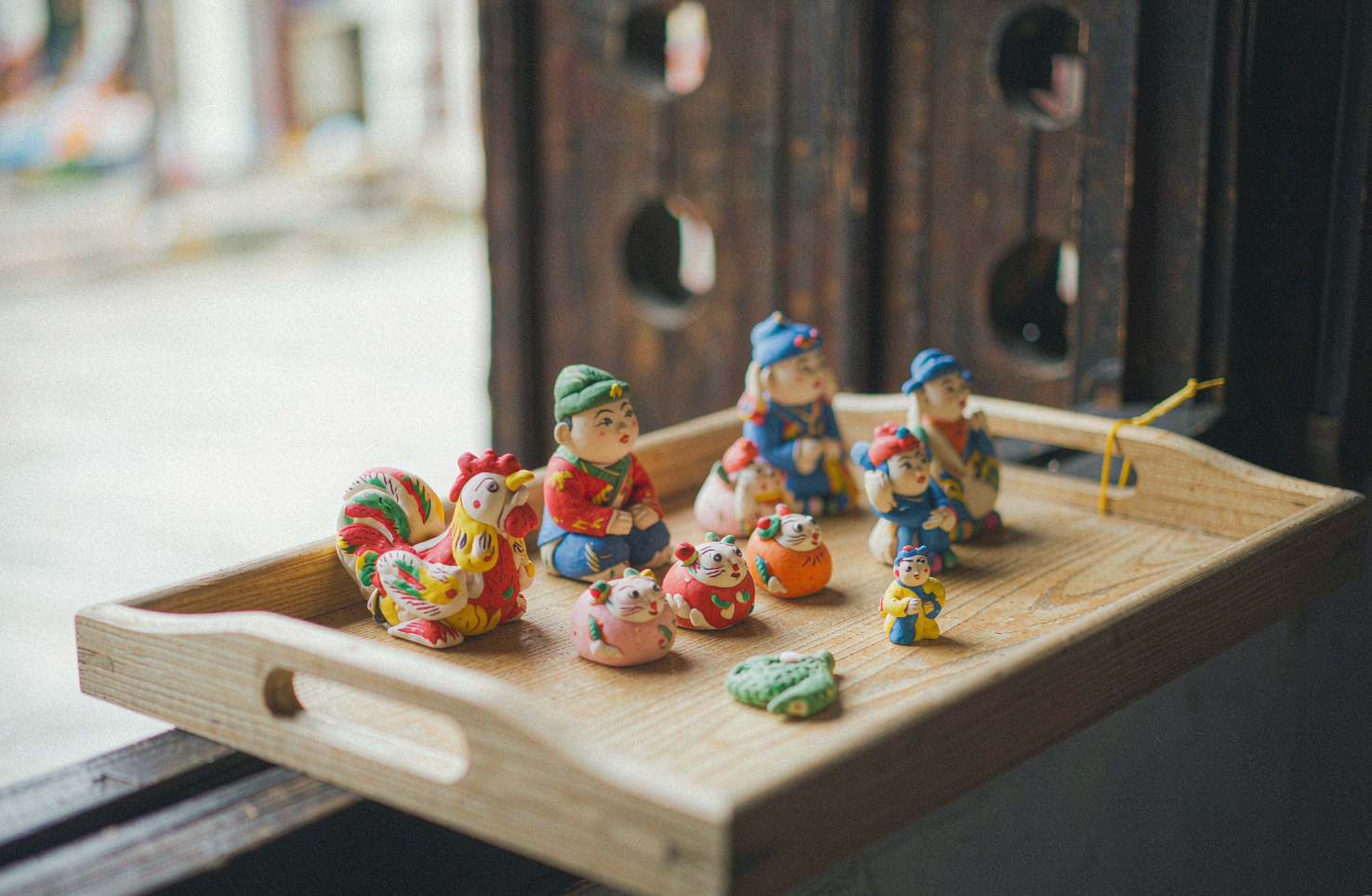
蒸笼掀开的那一刻,白雾里卧着一只胖乎乎的面羊——这是北方人家的节令记忆,也是面塑这门手艺最朴素的样子。面塑的历史,说白了就是一团面在中国人手里的两次转身:从果腹的吃食变成传情的礼,再从供台庙会走到今天的案头。两次转身,都没离开过日子。
韵和鸣 · 2026/10/13 · 4 阅读
一件漆器该有多重,手感不会说谎
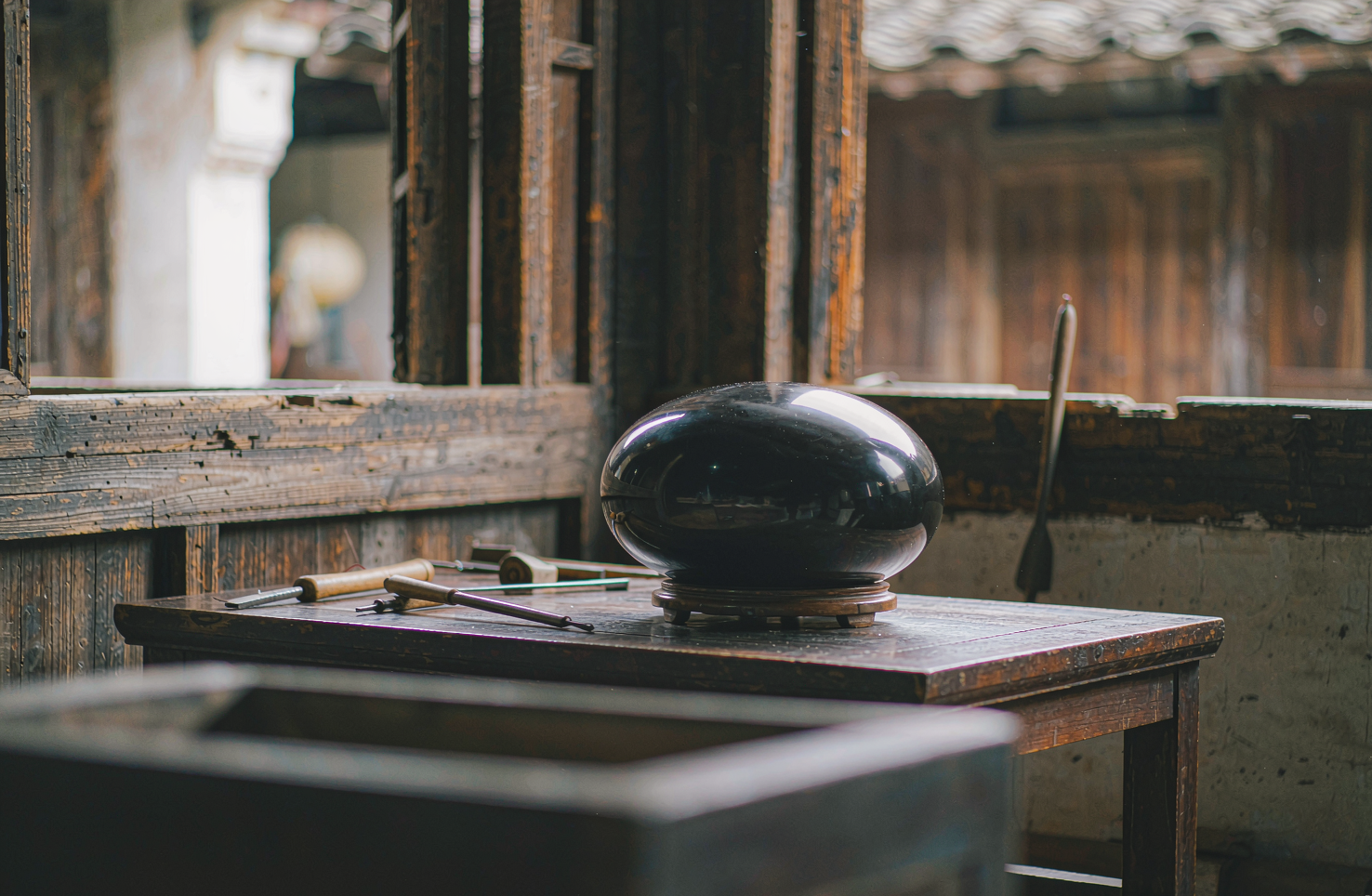
严选器物,看纹样、看款识、看证书,都是明面上的事。但有一道标准写不进任何参数表——上手。同一尺寸的两只漆盘,一只压手温润,一只轻飘干瘪,差别从何而来?这次把"分量"这件事拆开讲。说到底,重量是工序的记账本。
韵和鸣 · 2026/10/14 · 14 阅读
一件非遗手作凭什么"值":把时间的账算一遍
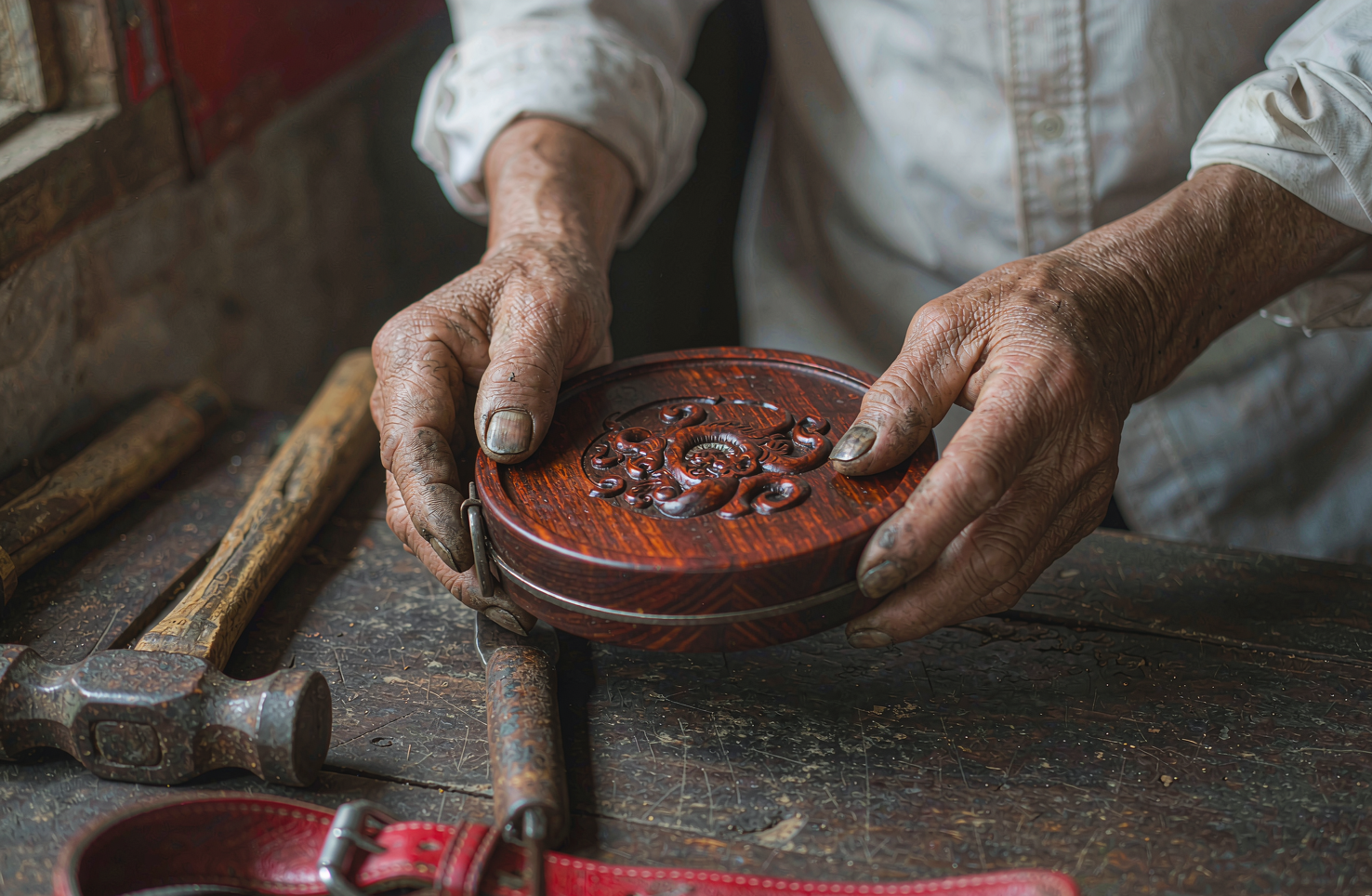
谈非遗手作,绕不开一个字:值。有人觉得贵得离谱,有人觉得便宜得可疑。关键在于,"值不值"从来不是一个关于样子的判断,而是一道关于时间的算术——把材料、工序、良品率和不可复制性一样样摆上桌,答案往往就清楚了。
韵和鸣 · 2026/10/9 · 12 阅读
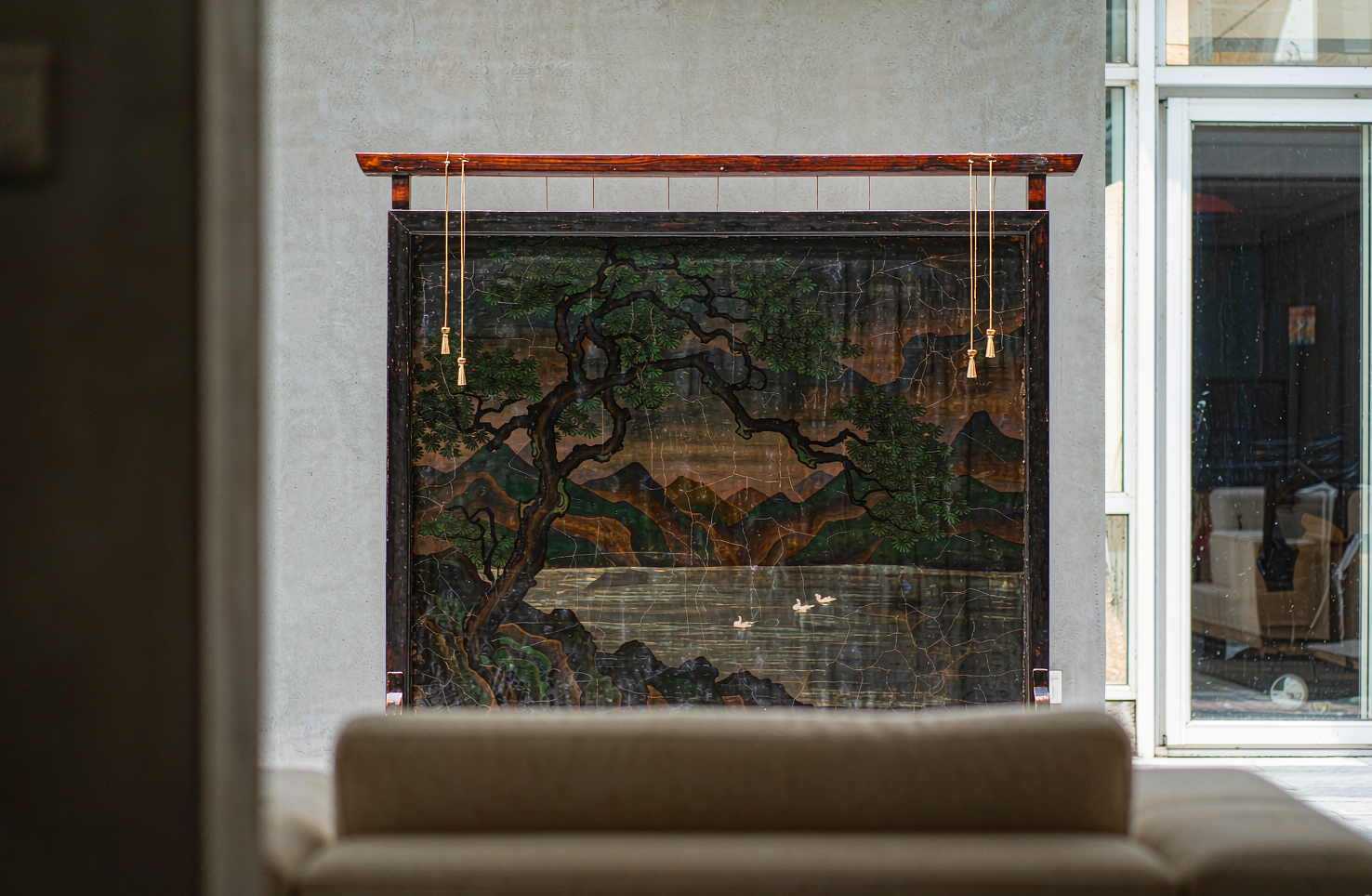
一面屏风,如何成为一个家的「眼」
老房子里,屏风从来不只是挡一挡。它决定你一进门先看哪里。四面墙的屋子有了屏风,才像有了一个"眼"。
韵和鸣 · 2026/10/8 · 12 阅读
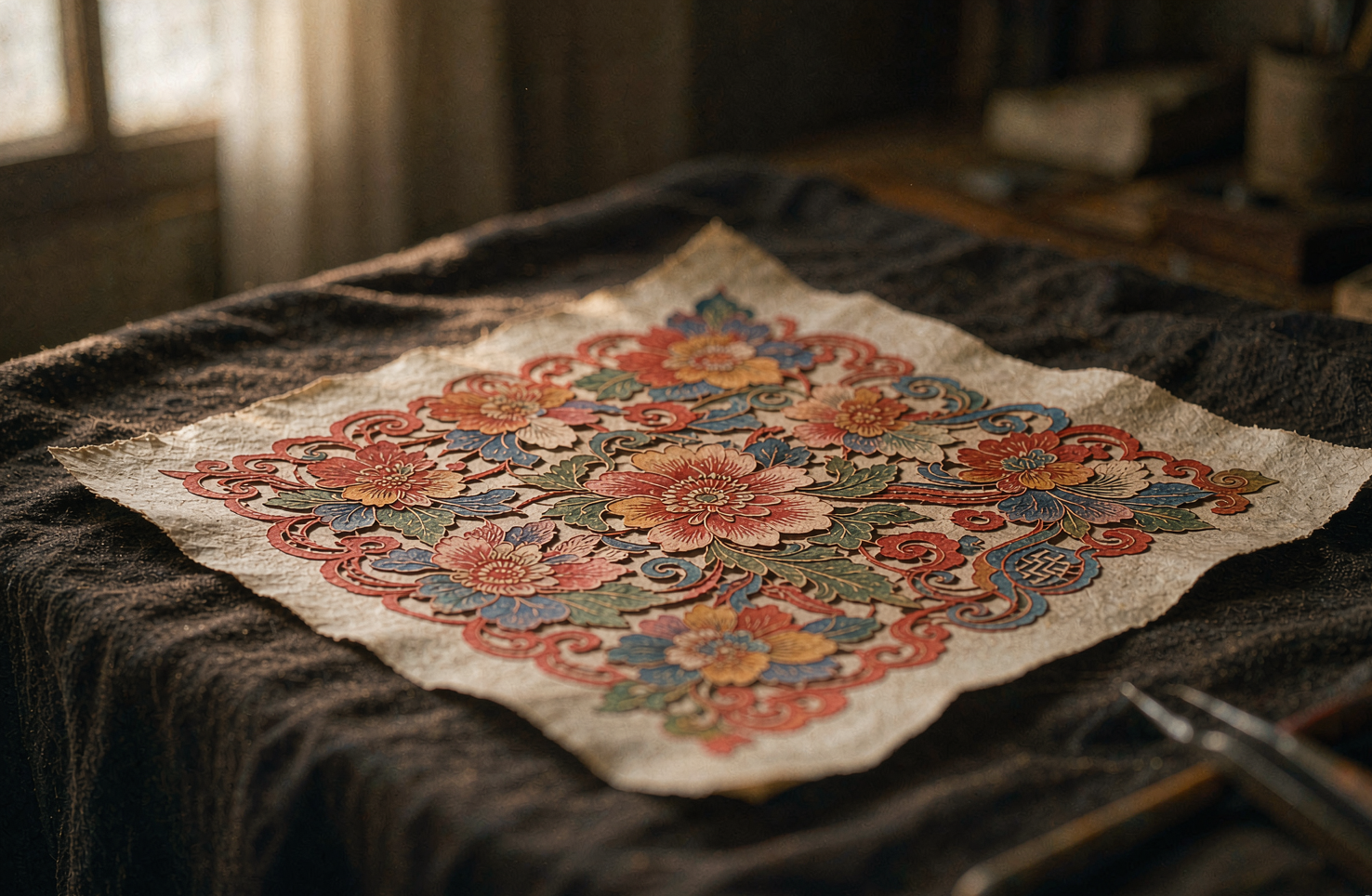
一张蔚县剪纸,彩色的刻刀活
严选录这一期看一张不太一样的剪纸:它不用剪刀,用刻刀;不止红色,还带着点染出来的粉与绿。河北张家口蔚县的剪纸,是剪纸大家族里"反着来"的一支——别处以剪为主、以红为正,蔚县以刻代剪、以点彩上色。说到底,这两个"反着来"的本质,是蔚县人把剪纸从窗前的女红,做成了作坊里的分工手艺:看懂了这一点,才算看懂了这张纸。
韵和鸣 · 2026/10/13 · 10 阅读
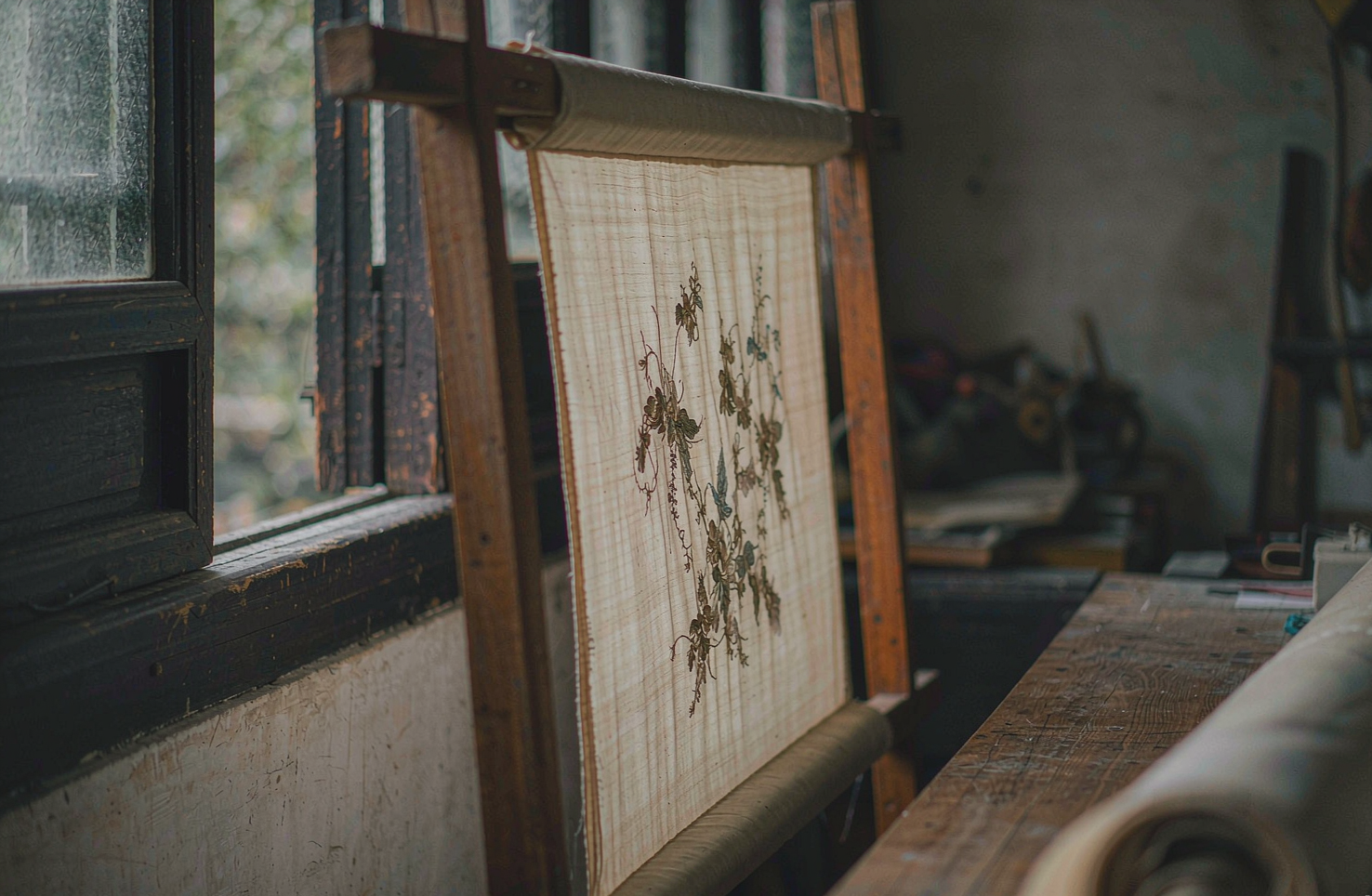
一枚苏绣绣片,丝光里藏着多少根丝
看一枚巴掌大的苏绣绣片,凑近了看,再凑近一点。你会发现它的光不是绣上去的,是"长"出来的——丝被劈到几乎看不见,一针一针顺着一个方向排,光就顺着丝走。说到底,苏绣的讲究,是从把一根丝线"拆开"那一刻开始的。
韵和鸣 · 2026/10/11 · 10 阅读