从国家到平遥:这一轮非遗政策,把力气用在了哪
韵和鸣 · 韵和鸣公众号 · 2026/10/3 12:00:00 · 8 阅读

过去几天,我们分别聊了国家级的非遗规划、山西的承接、平遥的落地。今天把这三层放在一起看——你会发现,它们其实是一条完整的链。
先看最上面一层。
2021 年,中共中央办公厅、国务院办公厅印发《关于进一步加强非物质文化遗产保护工作的意见》,确立了十六字工作方针,并提出了到 2025 年、2035 年的两阶段目标。这份文件里有一句话与我们关系最深:第(十二)条明确,“鼓励非物质文化遗产相关企业拓展国际市场,支持其产品和服务出口”。
2026 年 9 月,文化和旅游部又印发了《非物质文化遗产保护传承“十五五”规划》,提出“1+3+N”的工作格局,把推进修订《非物质文化遗产法》、整治虚假宣传与过度商业化、建立非遗保护工作者轮训机制等写进了任务清单。
国家层做的,是定方向:方向是“保护”与“活化”并重,且明确鼓励走出去。
方向定了,钱和制度从哪来?看山西。
新修订的《山西省非物质文化遗产条例》由山西省十四届人大常委会表决通过,自 2026 年 6 月 1 日起施行。条例共 36 条,不设章节,条条都是干货:县级以上政府要建立非遗保护工作协调机制;划定开发底线,不得歪曲、贬损非遗,不得虚假误导宣传;每年六月第二周被定为全省非遗宣传周。
真金白银方面,“十四五”期间省级非遗保护专项资金累计投入 4564.4 万元;省级代表性传承人补助标准,2025 年由每人每年 0.3 万元提高到 0.5 万元,2026 年提高到 0.7 万元。补助翻了一倍多,这在十年前是不敢想的。
省层做的,是给保障:立法兜底,资金加码,传承人待遇实打实提升。
到了晋中、平遥这一层,政策变成了看得见的厂房和工位。
市级有《平遥推光漆器髹饰技艺传承保护条例》这样为一门手艺专门立的地方性法规;平遥推光漆器入选山西省首批十大省级重点专业镇,“一镇双品”带动全县 171 项非遗代表性项目;平遥推光漆器产业园聚集了 12 家龙头企业,从业 6000 余人,年销售额超 1.5 亿元(截至 2025 年)。传承层面,平遥建起 20 余个传习所,“师徒制+院校制”双轨培养累计培训 3.5 万人次。
市层做的,是干实事:把政策落到园区、工坊和一个个具体的人身上。
把这条链完整读一遍,能看出三个趋势。
其一,从“抢救”走向“活化”。 十六字方针没有变,但重心在移动——国家谈“融入现代生活”,省里谈“非遗特色景区”,市里谈产业园和销售额,都是在谈“用起来”。
其二,从“单点”走向“体系”。 国家有规划、省有条例、市有专业镇,法律、资金、空间、人才四样东西逐级配齐。手艺人面对的不再是孤立的扶持,而是一张网。
其三,从“国内”走向“出海”。 从两办意见的“支持产品和服务出口”,到平遥漆器 20 余件作品赠予外国元首——链条的两端,已经悄悄接上了。
政策的力气,一层一层传导下来,最后落在平遥一间漆坊的阴干房里。那里没有文件,只有等待结膜的漆面——但正是那些文件,让漆坊里的等待,比过去任何时候都更有底气。
以上仅为个人梳理,具体以官方原文为准。
📩 非遗项目 | 匠人举荐 | 跨境出海 | 线下联营
欢迎留言或后台联系,我们与匠人同行。
English
Let us start with the topmost layer.
In 2021, the General Office of the Communist Party of China Central Committee and the General Office of the State Council issued the Opinions on Further Strengthening the Protection of Intangible Cultural Heritage, setting out a sixteen-character guiding principle and two-stage goals for 2025 and 2035. One sentence in the document concerns us most: Article (12) makes clear that it will "encourage enterprises related to intangible cultural heritage to expand into international markets and support the export of their products and services."
In September 2026, the Ministry of Culture and Tourism issued the 15th Five-Year Plan for the Protection and Transmission of Intangible Cultural Heritage, proposing a "1+3+N" working framework and adding to its task list the revision of the Intangible Cultural Heritage Law, the rectification of false advertising and excessive commercialization, and the establishment of a rotating training mechanism for ICH protection workers.
What the national level does is set the direction: a direction that gives equal weight to "protection" and "activation," and that explicitly encourages going global.
With the direction set, where do the money and the institutions come from? Look to Shanxi.
The newly revised Regulations on Intangible Cultural Heritage of Shanxi Province were adopted by a vote of the Standing Committee of the 14th Shanxi Provincial People's Congress and take effect on June 1, 2026. The regulations contain 36 articles with no chapters, and every article is substantive: governments at or above the county level must establish a coordination mechanism for ICH protection work; a baseline for development is drawn, so that ICH must not be distorted or disparaged, nor be subject to false or misleading promotion; and the second week of June each year is designated as the province-wide ICH publicity week.
In real terms, during the 14th Five-Year Plan period the provincial special fund for ICH protection invested a cumulative 45.644 million yuan; and the subsidy standard for provincial-level representative heritage bearers rose in 2025 from 3,000 yuan to 5,000 yuan per person per year, then to 7,000 yuan in 2026. The subsidy more than doubled—something no one would have dared imagine a decade ago.
What the provincial level does is provide safeguards: legislation as a backstop, increased funding, and a solid rise in the treatment of heritage bearers.
At the level of Jinzhong and Pingyao, policy becomes visible workshops and workstations.
At the municipal level, there is the Regulations on the Protection and Transmission of the Pingyao Polished Lacquerware Decoration Technique, a local regulation drafted specifically for a single craft; Pingyao polished lacquerware was selected among Shanxi's first batch of ten provincial-level key specialized towns, where the "one town, two products" model drives 171 representative ICH projects across the county; the Pingyao Polished Lacquerware Industrial Park gathers 12 leading enterprises, employs more than 6,000 people, and sees annual sales of over 150 million yuan (as of 2025). On transmission, Pingyao has established more than 20 training centers, and its dual-track "apprenticeship + academy" model has trained a cumulative 35,000 person-times.
What the city level does is get real work done: it brings policy down to parks, workshops, and individual people.
Read the whole chain through and three trends emerge.
First, from "rescue" to "activation." The sixteen-character principle has not changed, but its center of gravity is shifting—when the state speaks of "integration into modern life," the province of "ICH-themed scenic areas," and the city of industrial parks and sales figures, all of them are talking about "putting it to use."
Second, from "single points" to a "system." The state has plans, the province has regulations, the city has a specialized town, and the four elements—law, funding, space, and talent—are put in place level by level. What craftspeople face is no longer isolated support but a network.
Third, from "domestic" to "going global." From the "support the export of products and services" of the two General Offices' opinions to more than 20 works of Pingyao lacquerware presented to foreign heads of state—the two ends of the chain have quietly been joined.
The force of policy is transmitted layer by layer, and finally comes to rest in the drying room of a lacquer workshop in Pingyao. There are no documents there, only lacquered surfaces waiting to cure—but it is precisely those documents that give the waiting in that workshop more confidence than ever before.
The above is a personal reading only; the official texts shall prevail.
ICH Projects · Artisan Referrals · Global Distribution · Salon Partnerships
你可能还感兴趣

一门手艺的背后,政策怎么把人接住
前面几期,我们把国家、省、市三级的新文件挨个捋了一遍。这一轮收个口:不解读新文件,只看一条贯穿四级政策的暗线——人。名录、工坊、产业,说到底都要有人去做;而这一轮政策最值得记下的变化,是把"支持传承人"从一句原则,拆成了看得见的台阶。
韵和鸣 · 2026/10/14 · 13 阅读
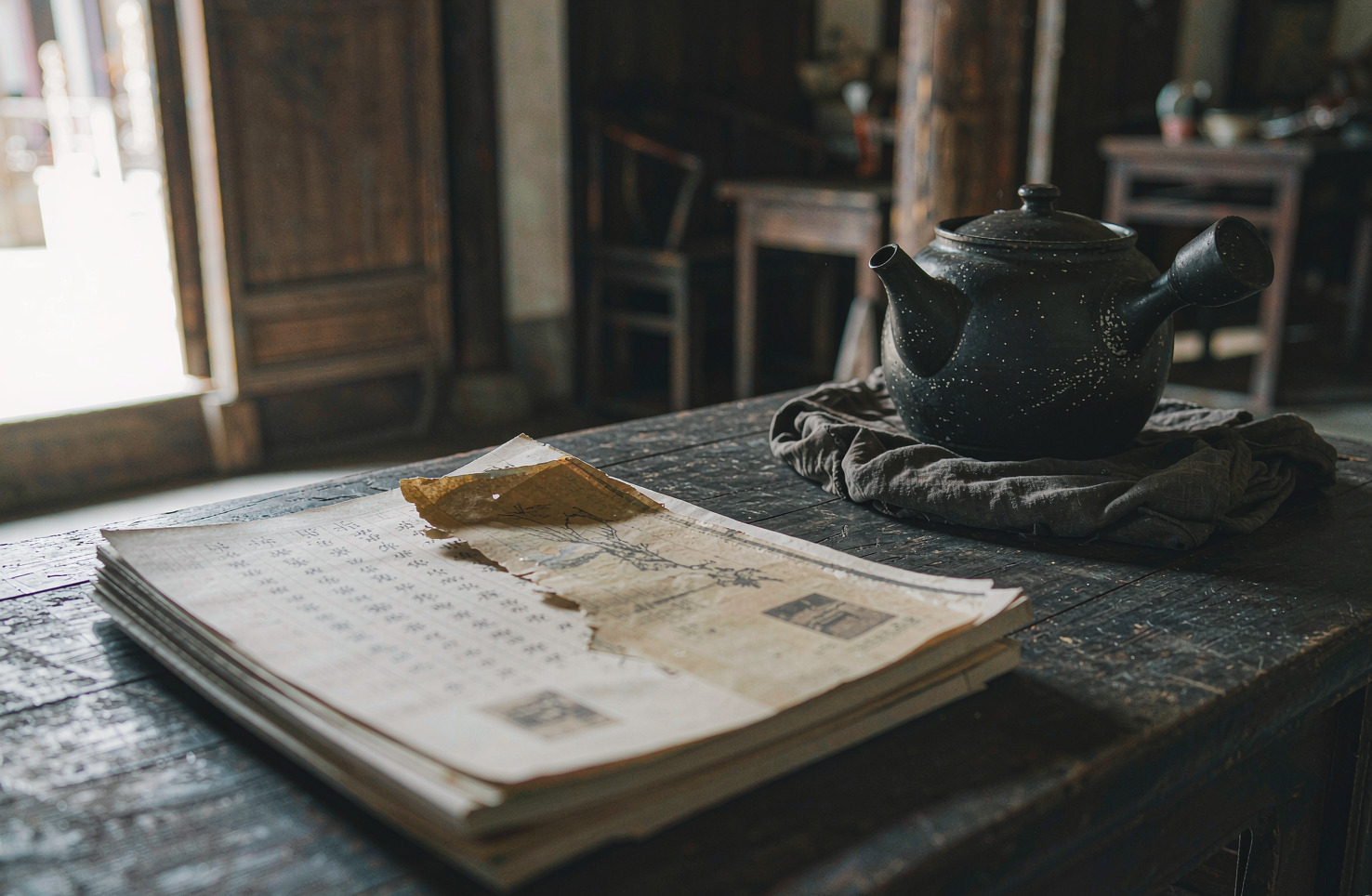
一轮非遗政策,从北京走到了平遥
这个月里,非遗的政策消息连着来了三条:国家定格局,省里把钱往上提,市县把非遗写进了旅游场景。关键在于把三层连起来看——政策问的问题,已经从"这门手艺还在不在",变成"它能不能回到人们的一天里"。
韵和鸣 · 2026/10/10 · 7 阅读
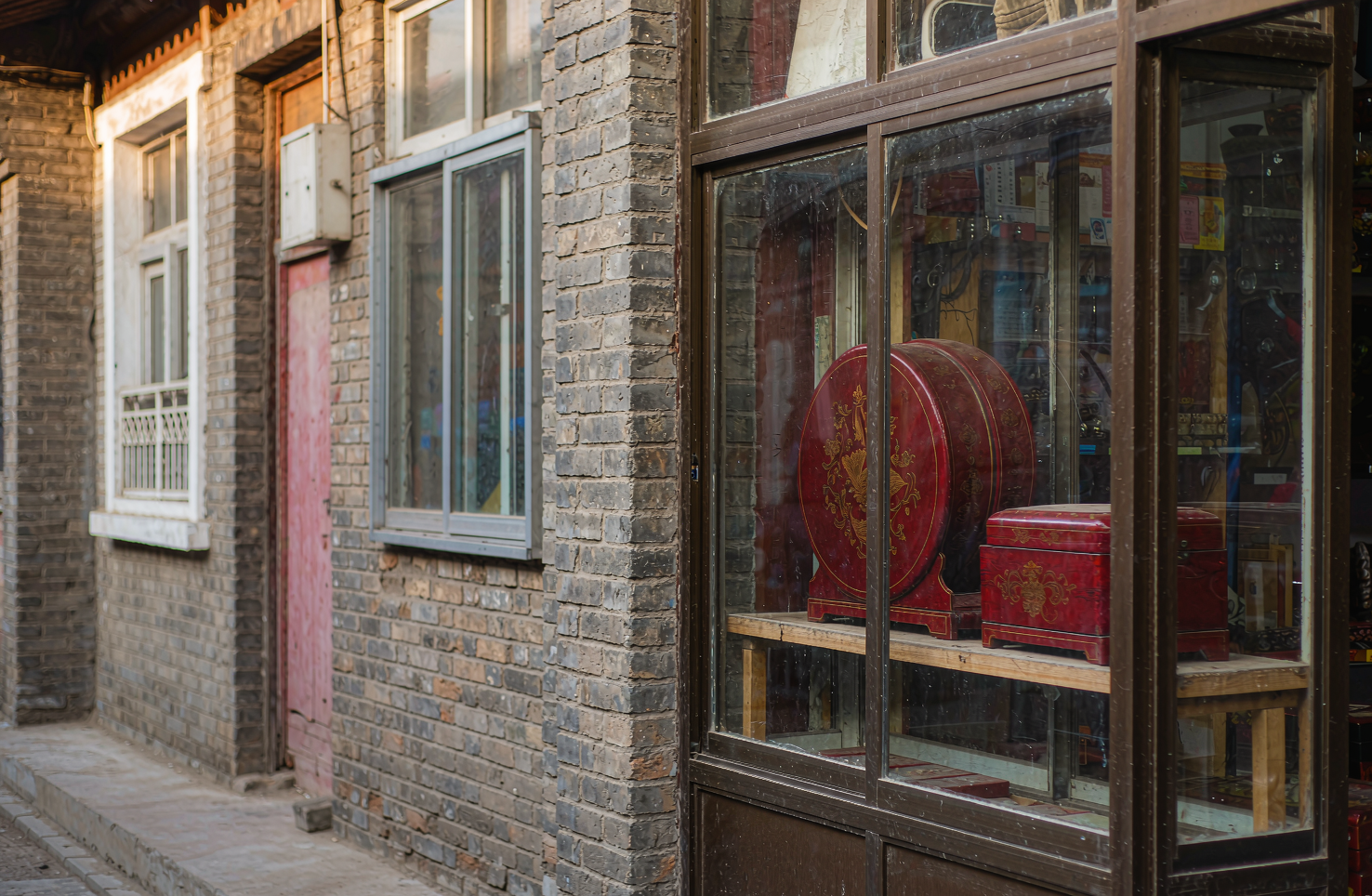
一部还在征求意见的条例,先点了平遥漆器的名
政策一层层往下走:国家定方向,省里给资源,到了市县,它得落到具体的街巷、人和器物上。关键在于,一部市级条例点到哪门手艺、又把它放在哪一条里,比笼统表态更能说明当地的取舍。
韵和鸣 · 2026/10/9 · 23 阅读
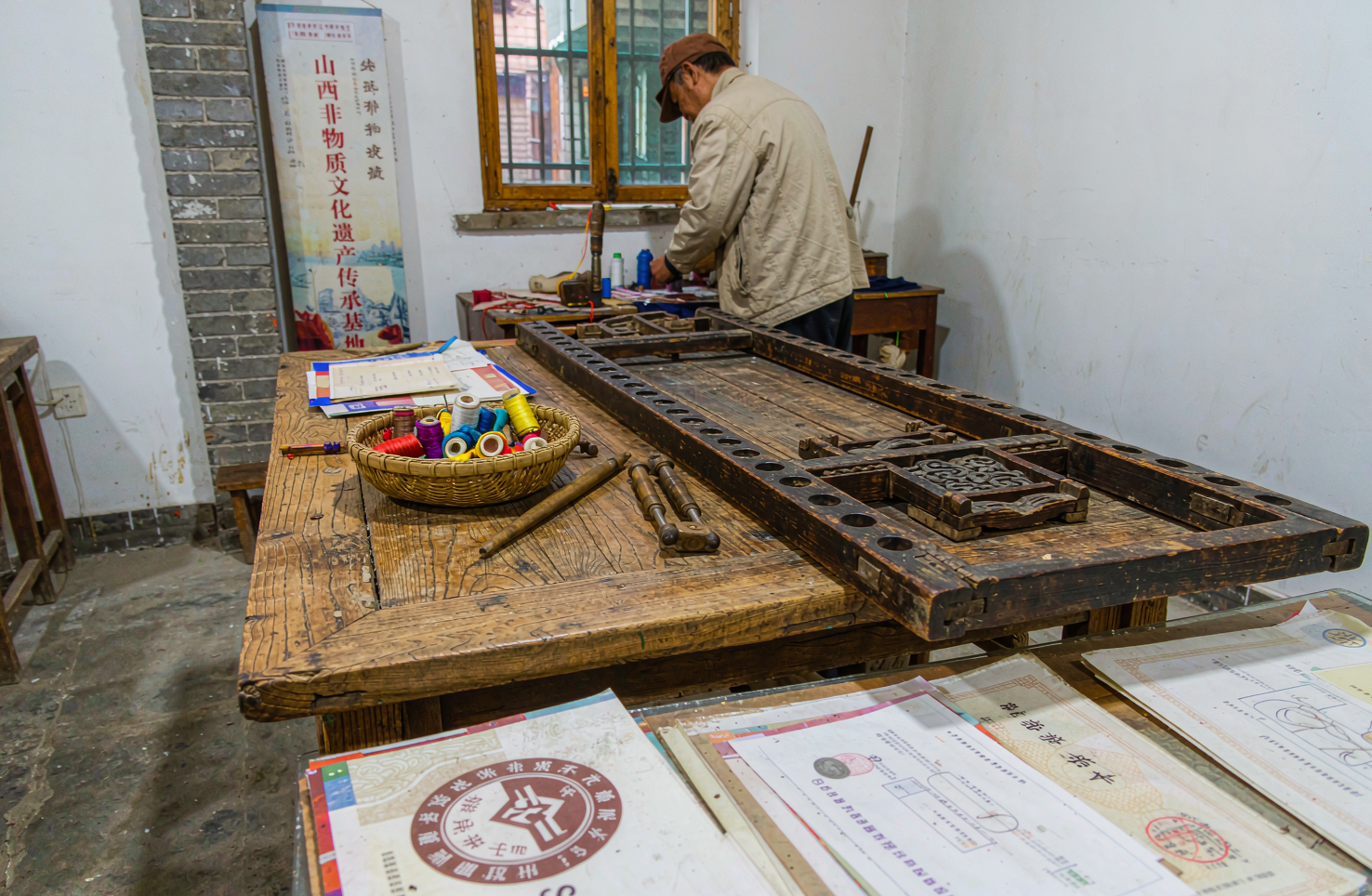
从 700 万到 1219 万:山西给非遗的钱,多在了哪
所谓"专项资金",指的是财政预算里单列出来、指定用途的那一笔钱——它比口号诚实。看一个地方对非遗上不上心,与其听表态,不如翻账本;关键在于,钱往哪走,判断就往哪走。
韵和鸣 · 2026/10/8 · 17 阅读
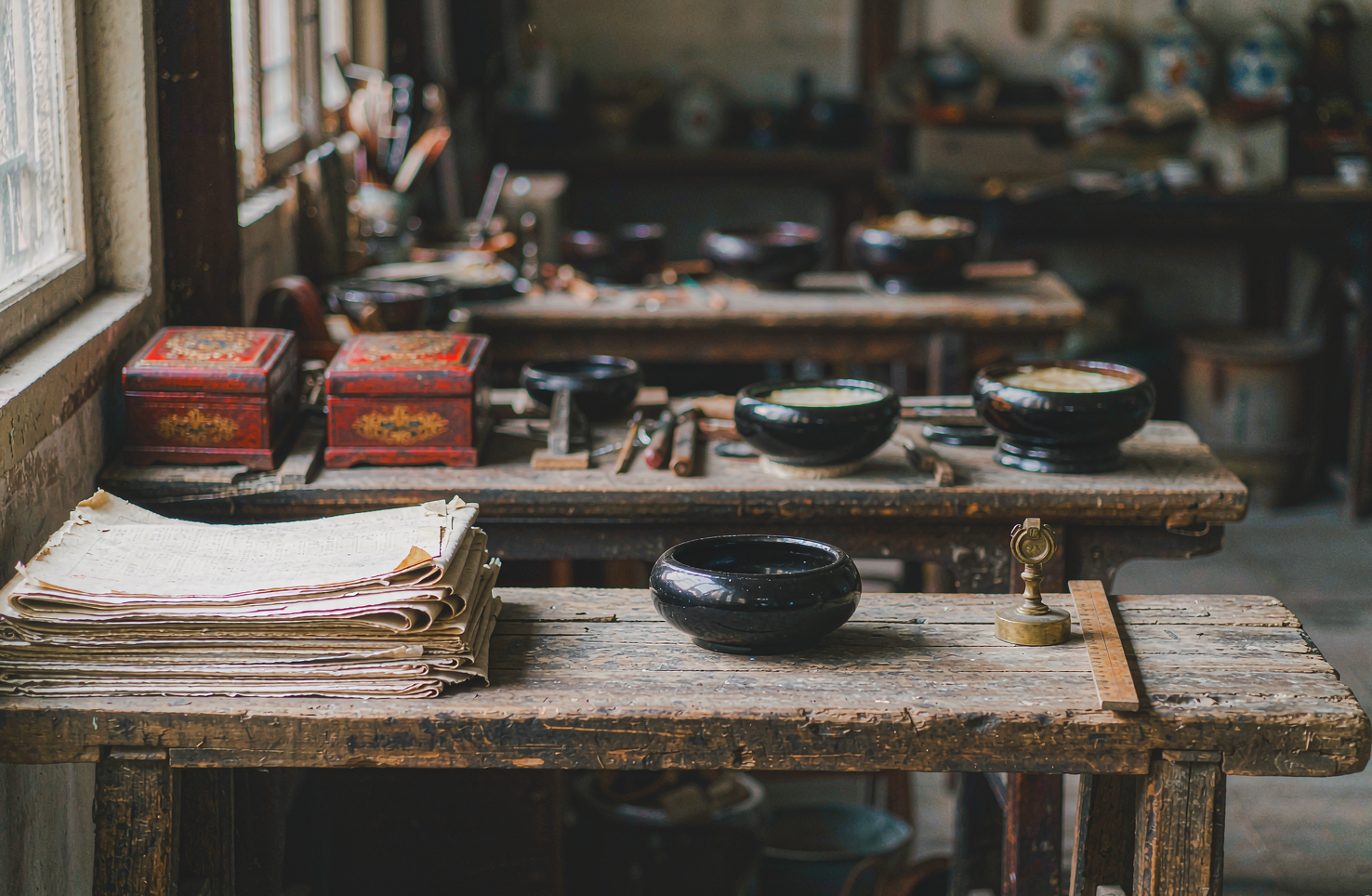
一座县城,为什么要为一门手艺专门立法
法律通常管大事。可在晋中,有一部地方性法规,只为一门手艺而立——平遥推光漆器髹饰技艺。这背后,是一座县城对手艺的全部认真。
韵和鸣 · 2026/10/2 · 13 阅读
一份招商清单背后,平遥漆器专业镇想长成什么样
政策落到市县一级,往往不是一份文件,而是一张清单。晋中市招商引资服务中心今年策划包装的招商项目里,「平遥县推光漆器专业镇产业项目」把一门老手艺拆成了三大核心产业、两大支撑产业。说到底,这份清单回答的是一个朴素的问题:一座以漆器闻名的县城,接下来靠什么把产业做大。
韵和鸣 · 2026/10/13 · 8 阅读