七髹八磨:一只漆器要挨过多少遍手
韵和鸣 · 韵和鸣公众号 · 2026/10/2 12:00:00 · 3 阅读
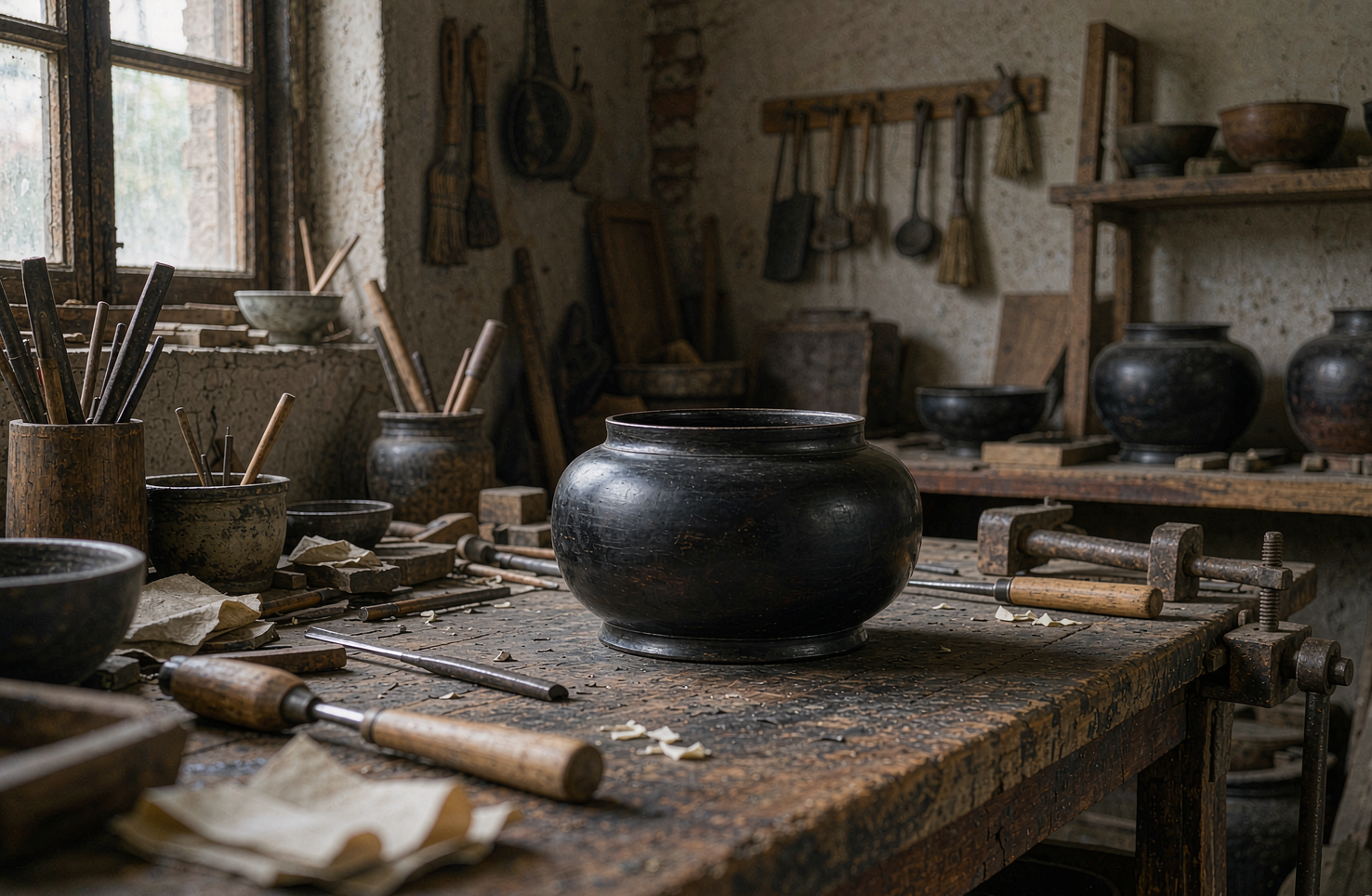
在平遥,判断一只漆器好不好,老人有个笨办法——把脸凑上去,看能不能照见自己。那层能照人的光,不是刷上去的,是磨出来的。
先说大漆。
它不是我们熟悉的化学漆。大漆取自漆树,是树的汁液,割一刀,流一点,一棵树一年也只出一小碗。民间有句老话,叫"百里千刀一斤漆"——走一百里山路,割一千刀,才收得一斤生漆。这话未必是实数,但那份稀缺是真的。
生漆到手,还不能直接用。要滤、要晒、要调,跟空气和温度较劲。手艺人的第一课,往往不是画,是等。
再说"七髹八磨"。
髹,是刷漆;磨,是打磨。这两个字合起来,就是平遥推光漆器最要紧的动作。所谓"七"和"八",说的是遍数多——一层漆刷上去,要阴干,要打磨,再刷,再磨,如此反复,直到漆面平整得像一潭静水。
但这四个字只是骨架。真做起来,前面还有"披麻挂灰":用麻布和灰料一层层裹住木胎,让它日后不易开裂;中间还有"平金开黑""犀皮起皱""描金""螺钿镶嵌"——螺钿是把贝壳磨薄,嵌进漆里,光一转动,虹彩就活了。
整道工序里,最难讲清楚的,是最后一步——推光。
不用布,不用砂纸,是用手掌。蘸上细粉,在漆面上一圈一圈地推。手心的温度、力度、节奏,全是变量。推得急了,光泽发浮;推得懒了,出不来那层"润"。
一只漆器,常常要推上千回。
所以行里说"漆面如镜,越擦越亮"。这话听着像夸张,其实是写实:那面"镜子",是手一点点把它请出来的。
到这里,大概就能明白,"七髹八磨"讲的从来不是一道配方。
它讲的是——好东西要花的时间,是省不掉的。
如今很多东西都在求快:快出样,快上架,快回本。可大漆不认这一套。它该阴干的时候,一天都少不得;该推光的时候,少一圈都看得出来。手艺人能做的,只是把每一遍都做够。
这也是平遥推光漆器能一路走来的道理。它从唐代的宫廷走到明清晋商的宅院,再到今天的案头与展柜,靠的不是噱头,是那一层经得起看、也经得起摸的光。
我们常说"慢工出细活"。
其实慢工出的不只是细活,还有一种踏实——你知道它为什么好,好在哪里,又能好多久。
在这个什么都能被加速的年代,愿意为一层光推上千回手的人,值得被更多人看见。
你身边有坚守老手艺的匠人吗?欢迎留言告诉我们。
📩 非遗项目 | 匠人举荐 | 跨境出海 | 线下联营
欢迎留言或后台联系,我们与匠人同行。
English
Begin with the lacquer itself.
It is nothing like the synthetic lacquer we know. Raw lacquer is the sap of the lacquer tree: one cut yields a trickle, and a whole tree gives barely a small bowl in a year. There is an old saying — "a hundred li, a thousand cuts, one jin of lacquer." The numbers may not be exact, but the scarcity is real.
Even in hand, raw lacquer is not yet usable. It must be filtered, sunned, and blended, wrestling with air and temperature. A craftsman's first lesson is often not painting but waiting.
Xi means to brush the lacquer on; mo means to grind it back. Together they are the most essential motion of Pingyao polished lacquerware. "Seven" and "eight" stand for the many rounds — a coat goes on, dries in the dark, is ground smooth, then another coat, another grinding, until the surface lies flat as still water.
Yet these four characters are only the skeleton. Before them comes "hemp and ash": layers of hemp cloth and ash paste wrapped around the wooden body so that it will not crack in the years to come. Within the work there are also "gold on black," "xipi wrinkles," "gold tracing," and "mother-of-pearl inlay" — shell ground thin and set into the lacquer, its iridescence coming alive as the light turns.
The hardest step of the whole process to explain is the last one — hand-polishing.
No cloth, no sandpaper — the palm of the hand. Dipped in fine powder, it moves round and round over the surface. The warmth of the hand, the pressure, the rhythm: all are variables. Too hasty, and the gloss sits shallow; too slack, and that quality of quiet depth never appears.
A single piece is often polished a thousand times over.
Hence the trade saying: "A lacquer surface is a mirror; the more you wipe, the brighter it shines." It sounds like exaggeration but is plain fact — that mirror is coaxed out, bit by bit, by hand.
By now it is clear that "seven coats, eight polishes" was never a recipe.
It says this: the time a good thing requires cannot be skipped.
Much today chases speed: quick prototypes, quick listings, quick returns. Raw lacquer refuses all of this. When it should be drying, not one day can be cut; when it should be polished, a single missing round shows. All a craftsman can do is give every coat its full due.
This is how Pingyao polished lacquerware has come all the way here — from the Tang court to the mansions of the Ming-Qing Jin merchants, to today's desks and display cases — carried not by gimmicks but by that layer of light that endures looking and endures touch.
We often say that slow work yields fine work.
But slow work yields more than fine work; it yields a kind of steadiness — you know why it is good, wherein it is good, and how long it will stay good.
In an age when everything can be accelerated, the people willing to polish a thousand rounds for one layer of light deserve to be seen by more of us.
ICH Projects · Artisan Referrals · Global Distribution · Salon Partnerships
你可能还感兴趣
面塑小史:从庙会供品到案头摆件
蒸笼掀开的那一刻,白雾里卧着一只胖乎乎的面羊——这是北方人家的节令记忆,也是面塑这门手艺最朴素的样子。面塑的历史,说白了就是一团面在中国人手里的两次转身:从果腹的吃食变成传情的礼,再从供台庙会走到今天的案头。两次转身,都没离开过日子。
韵和鸣 · 2026/10/13 · 4 阅读
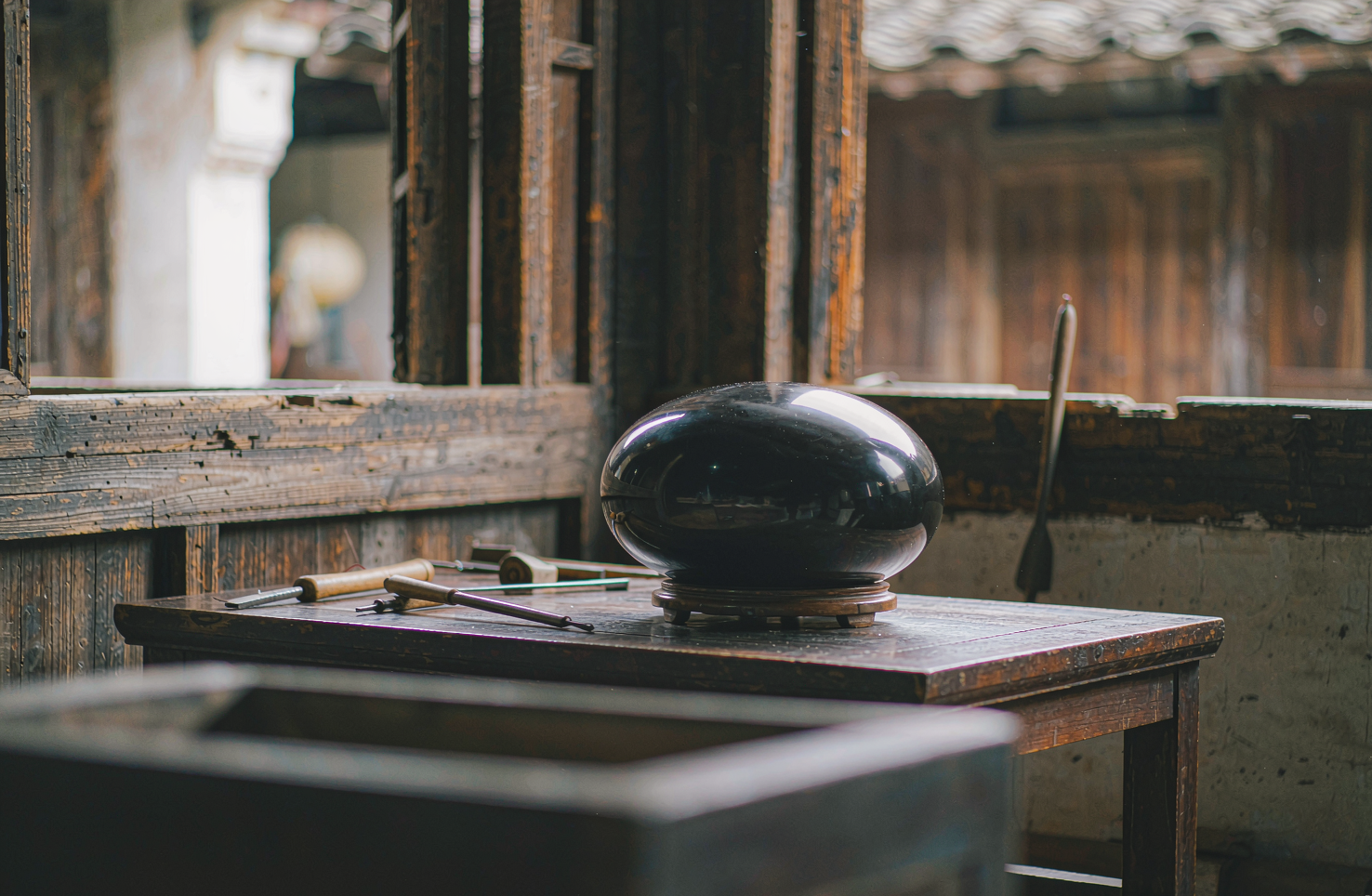
一件漆器该有多重,手感不会说谎
严选器物,看纹样、看款识、看证书,都是明面上的事。但有一道标准写不进任何参数表——上手。同一尺寸的两只漆盘,一只压手温润,一只轻飘干瘪,差别从何而来?这次把"分量"这件事拆开讲。说到底,重量是工序的记账本。
韵和鸣 · 2026/10/14 · 14 阅读
一件非遗手作凭什么"值":把时间的账算一遍
谈非遗手作,绕不开一个字:值。有人觉得贵得离谱,有人觉得便宜得可疑。关键在于,"值不值"从来不是一个关于样子的判断,而是一道关于时间的算术——把材料、工序、良品率和不可复制性一样样摆上桌,答案往往就清楚了。
韵和鸣 · 2026/10/9 · 12 阅读
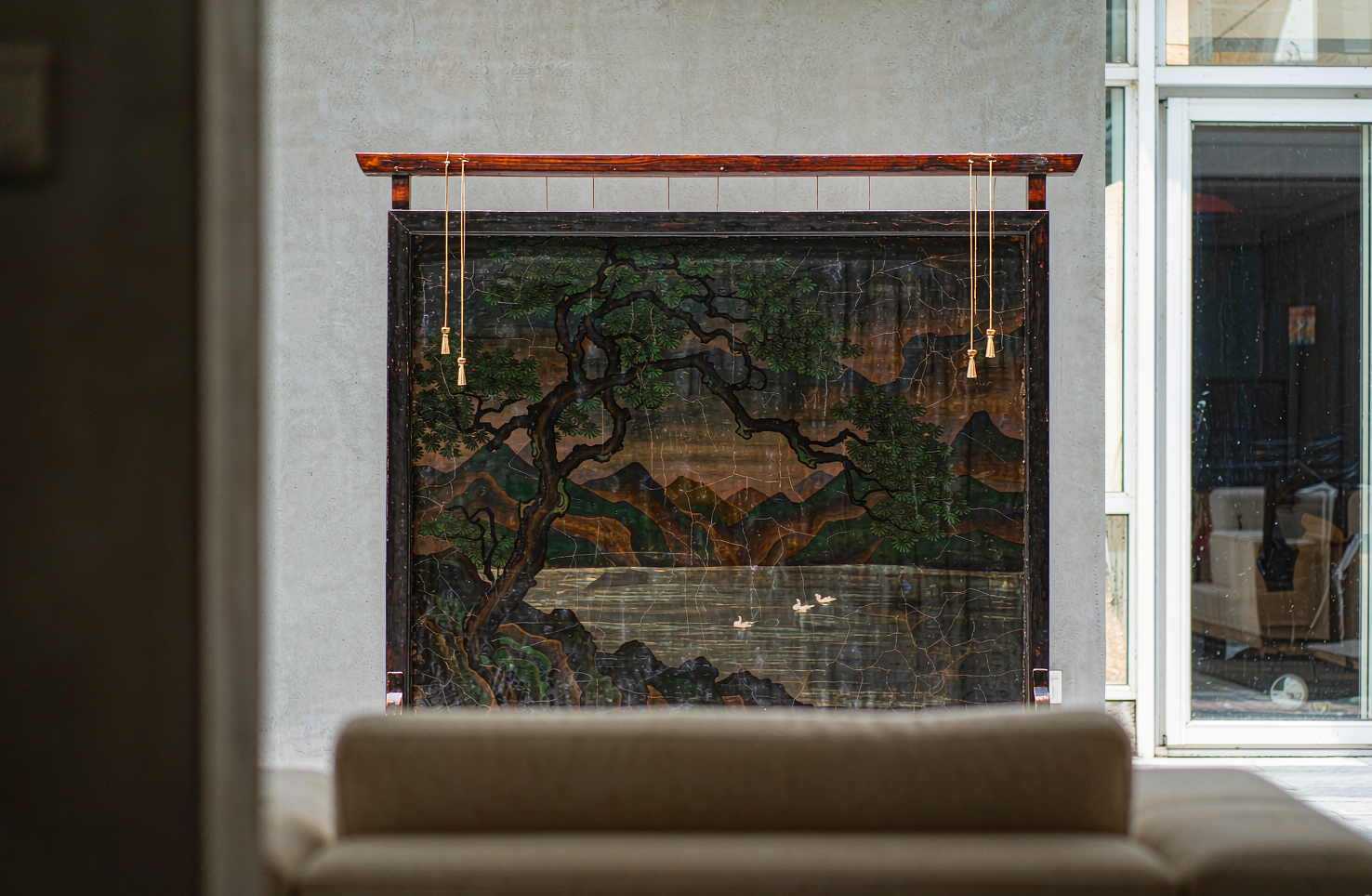
一面屏风,如何成为一个家的「眼」
老房子里,屏风从来不只是挡一挡。它决定你一进门先看哪里。四面墙的屋子有了屏风,才像有了一个"眼"。
韵和鸣 · 2026/10/8 · 12 阅读
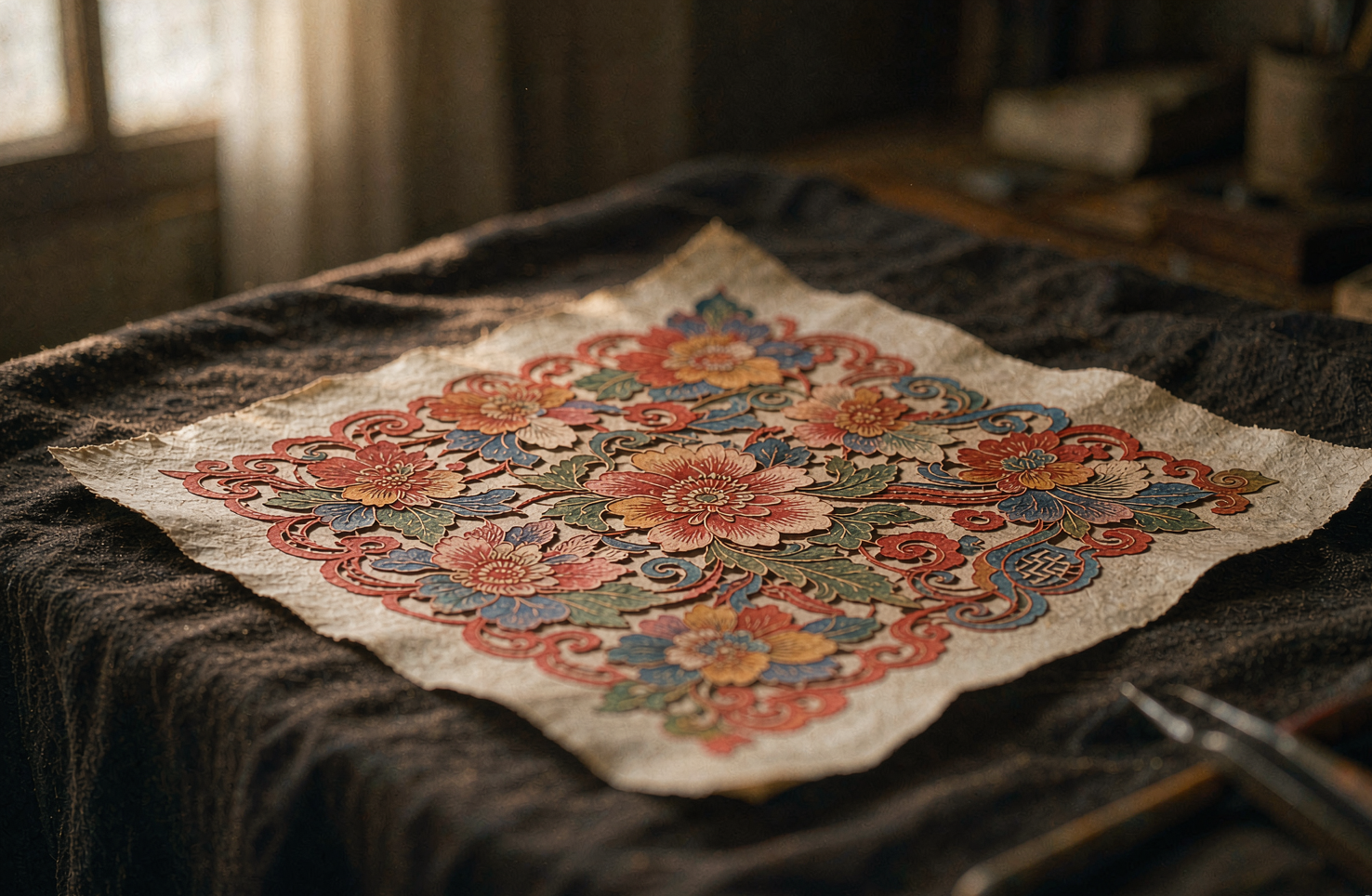
一张蔚县剪纸,彩色的刻刀活
严选录这一期看一张不太一样的剪纸:它不用剪刀,用刻刀;不止红色,还带着点染出来的粉与绿。河北张家口蔚县的剪纸,是剪纸大家族里"反着来"的一支——别处以剪为主、以红为正,蔚县以刻代剪、以点彩上色。说到底,这两个"反着来"的本质,是蔚县人把剪纸从窗前的女红,做成了作坊里的分工手艺:看懂了这一点,才算看懂了这张纸。
韵和鸣 · 2026/10/13 · 10 阅读
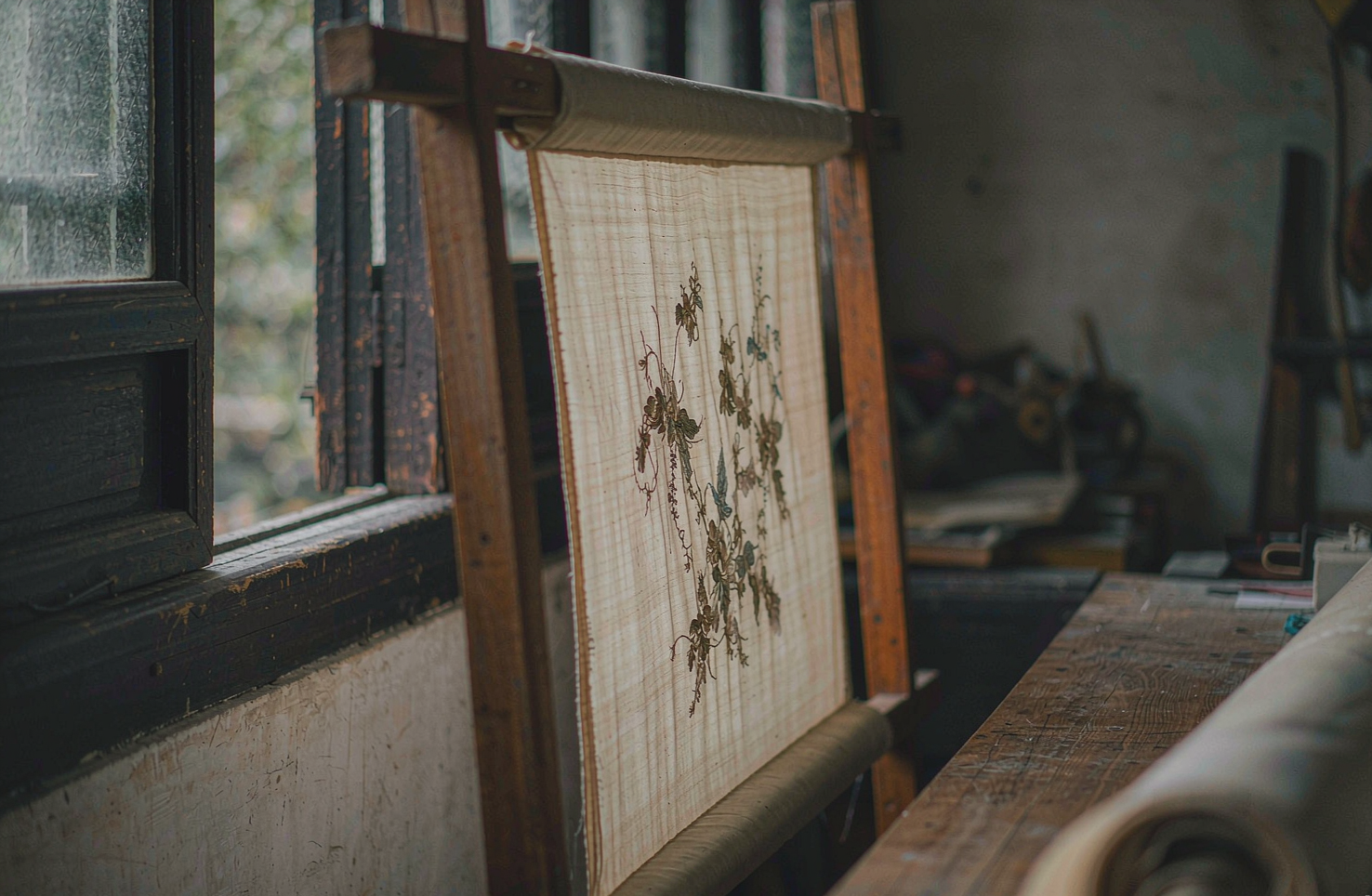
一枚苏绣绣片,丝光里藏着多少根丝
看一枚巴掌大的苏绣绣片,凑近了看,再凑近一点。你会发现它的光不是绣上去的,是"长"出来的——丝被劈到几乎看不见,一针一针顺着一个方向排,光就顺着丝走。说到底,苏绣的讲究,是从把一根丝线"拆开"那一刻开始的。
韵和鸣 · 2026/10/11 · 10 阅读