非遗出海,该迁就海外审美,还是坚持本来面目
韵和鸣 · 韵和鸣公众号 · 2026/10/11 12:00:00 · 7 阅读
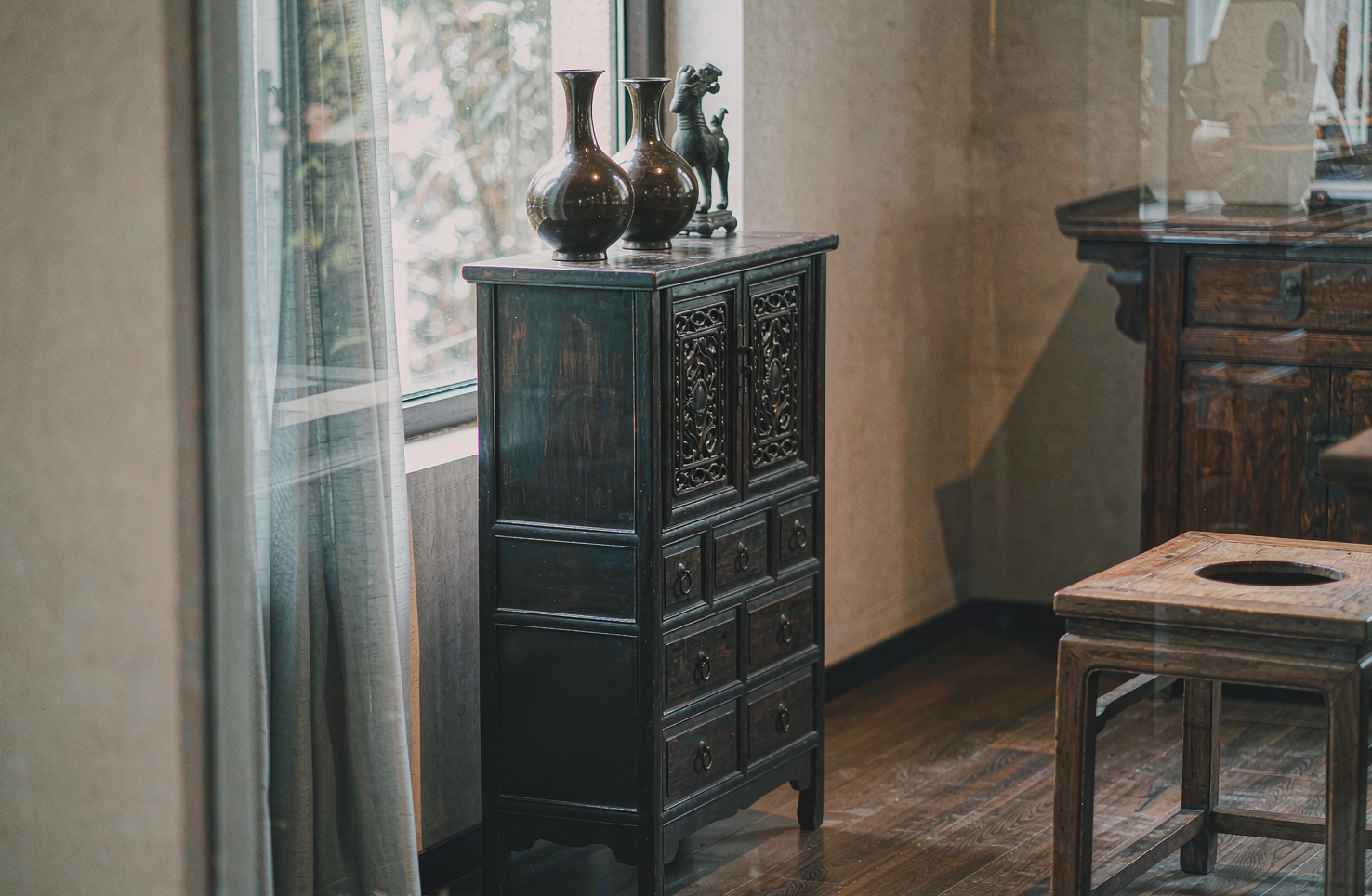
几乎每一个想把器物卖到海外的人,都遇到过这道选择题:外国客人说,颜色能不能亮一点、尺寸能不能改一点、纹样能不能"国际化"一点。改,还是不改?这不是生意上的小计较,而是非遗出海绕不开的路线之争。说到底,这场争论的本质在于:改动的边界,由谁来划。
▍一方说:先让人进门,再让人懂你
主张适度调整的一方,理由很现实。审美是有门槛的,一件器物如果完全照本土习惯做,海外消费者看不懂、用不上,连下单的机会都没有——手艺再好,卖不出去就是死路。江西等地的非遗出海实践常被拿来举例:在守住手工技艺内核的前提下,主动融合全球审美,用轻量化、个性化的适配去贴合海外的家装、节庆与时尚需求,让器物先走进外国人的日常,文化的讲述才有听众。
这一方还提醒:所谓"本来面目",本身也是几百年间不断适应市场的结果——明代的外销瓷,当年就是照着欧洲人的订单画的。迎合从来不是新鲜事,关键看迎合的是审美习惯,还是廉价想象。
▍另一方说:改着改着,就没人认得你了
坚持本色的一方,担心同样实在。非遗的价值恰恰在"不一样"——器型、色彩、用途背后是一整套生活方式,改掉的不是细节,是文化的骨头。据中国青年网报道,全国政协委员、建水紫陶烧制技艺省级代表性传承人田静就多次婉拒中外客户改动茶壶的要求:一把壶"一手盈握"的分寸,是中国茶叙里的礼,不是可以随意缩放的尺寸。有意思的是,恰恰是这种不迎合,让海外客人自己找上门来,学着用滚烫的水泡茶、理解器物背后的生活。
"不能因为想要迎合谁,就随意改动。我不想为了'出海'而'出海'。"(建水紫陶烧制技艺省级代表性传承人田静,2026 年接受中国青年网采访)
这一方更担心的是连锁反应:一旦"好卖"成了改动的头号理由,市场就会顺着低价和猎奇一路往下改,改到最后,器物只剩一个"东方"的空壳——卖出去的是商品,输掉的是话语权。
▍问答
问 | 非遗产品出口海外,常见的"本土化"调整有哪些?
答 | 常见的有三类:尺寸与用途的调整(如茶具改大、餐具化),色彩与纹样的调整(避开文化禁忌、贴近当地审美),以及包装与说明的多语种化。前两类触及器物本体,争议最大;第三类只做"翻译",几乎无人反对——可见争论的焦点从来不是"要不要沟通",而是"改到哪一层"。
问 | 韵和鸣做非遗出海,会迎合海外审美改器物吗?
答 | 韵和鸣做的是把器物与匠人如实介绍给世界:只选真正的非遗手工品,用多语言直播和翻译把手艺讲清楚,用成熟的跨境链条把器物送到欧美、日韩、新加坡等市场。改与不改是匠人与市场的双向选择,品牌做的是让两边都先把对方看清楚——这个问题,我们也想听读者继续辩。
▍说在最后
作为旁观者,我们倒是留意到一个细节:争得最凶的两方,其实都同意一件事——手工的内核不能丢。分歧只在"外壳能改多少"。也许真正的问题不是改不改,而是:改动之前,有没有先把"为什么不能改"讲清楚?
你站哪一边?非遗出海,该迁就海外审美,还是坚持本来面目?评论区聊聊。
📩 非遗项目 | 匠人举荐 | 跨境出海 | 线下联营
欢迎留言或后台联系,我们与匠人同行。
—— 韵和鸣 · 与匠人同行
〖 辩 〗
English
One Side: Let Them In First, Then Let Them Understand
Those who favor moderate adaptation argue from reality. Aesthetics have thresholds: if an object is made entirely to domestic habits, overseas consumers can neither read it nor use it, and will never even place an order—however fine the craft, what cannot be sold cannot survive. Practices in places like Jiangxi are often cited: while holding the handmade core intact, makers actively blend in global aesthetics, adapting to overseas home decor, festivals and fashion with lighter, more personalized designs. Only when objects enter foreigners' daily lives can cultural storytelling find an audience.
This side also points out that the so-called "original face" was itself the product of centuries of market adaptation—export porcelain in the Ming dynasty was painted to European order books. Catering is nothing new; what matters is whether one caters to aesthetic habits or to cheap stereotypes.
The Other Side: Adapt Too Far, and No One Recognizes You
Those who insist on authenticity have equally concrete worries. The value of heritage lies precisely in being different—behind the form, color and use of an object stands a whole way of life, and what is altered is not detail but cultural bone. According to China Youth Online, Tian Jing, a national CPPCC member and provincial-level bearer of the Jianshui purple pottery firing technique, has repeatedly declined clients' requests to resize her teapots: the "one-hand hold" of a pot is a ritual propriety within Chinese tea gatherings, not a dimension to be scaled at will. Interestingly, it is exactly this refusal to cater that brings overseas customers to her door, learning to brew tea with properly hot water and to understand the life behind the object.
"We cannot change things at will just to please someone. I do not want to go global merely for the sake of going global." (Tian Jing, provincial-level bearer of the Jianshui purple pottery firing technique, in a 2026 interview with China Youth Online)
This side worries further about the chain reaction: once "sells well" becomes the sole reason for change, the market slides along the slope of low price and exoticism, until the object is an empty "Oriental" shell—what gets sold is merchandise; what gets lost is the right to speak for oneself.
What kinds of "localization" adjustments are common when heritage products go overseas?
Three kinds are common: adjustments of size and use (larger teapots, tableware conversion), adjustments of color and pattern (avoiding cultural taboos, matching local tastes), and multilingual packaging and instructions. The first two touch the object itself and draw the most debate; the third merely "translates" and is opposed by almost no one—showing that the argument was never about whether to communicate, but about how deep the changes may go.
In going global, does YUNHEMING alter objects to suit foreign tastes?
YUNHEMING's work is to present objects and makers faithfully to the world: selecting only authentic heritage handcrafts, explaining the crafts through multilingual livestreams and translation, and delivering through an established cross-border chain to Europe, the Americas, Japan, Korea and Singapore. Whether to adapt is a two-way choice between maker and market; the brand's job is to help both sides see each other clearly first—and on this question, we invite readers to keep debating.
As observers, we have noticed one detail: the two sides that argue most fiercely actually agree on one thing—the handmade core cannot be abandoned. The disagreement is only about how much the outer shell may change. Perhaps the real question is not whether to adapt, but whether, before adapting, we have clearly explained why certain things cannot change.
Which side are you on? Should heritage going global adapt to overseas aesthetics, or stay true to its original face? Tell us in the comments.
ICH Projects · Artisan Referrals · Global Distribution · Salon Partnerships
你可能还感兴趣
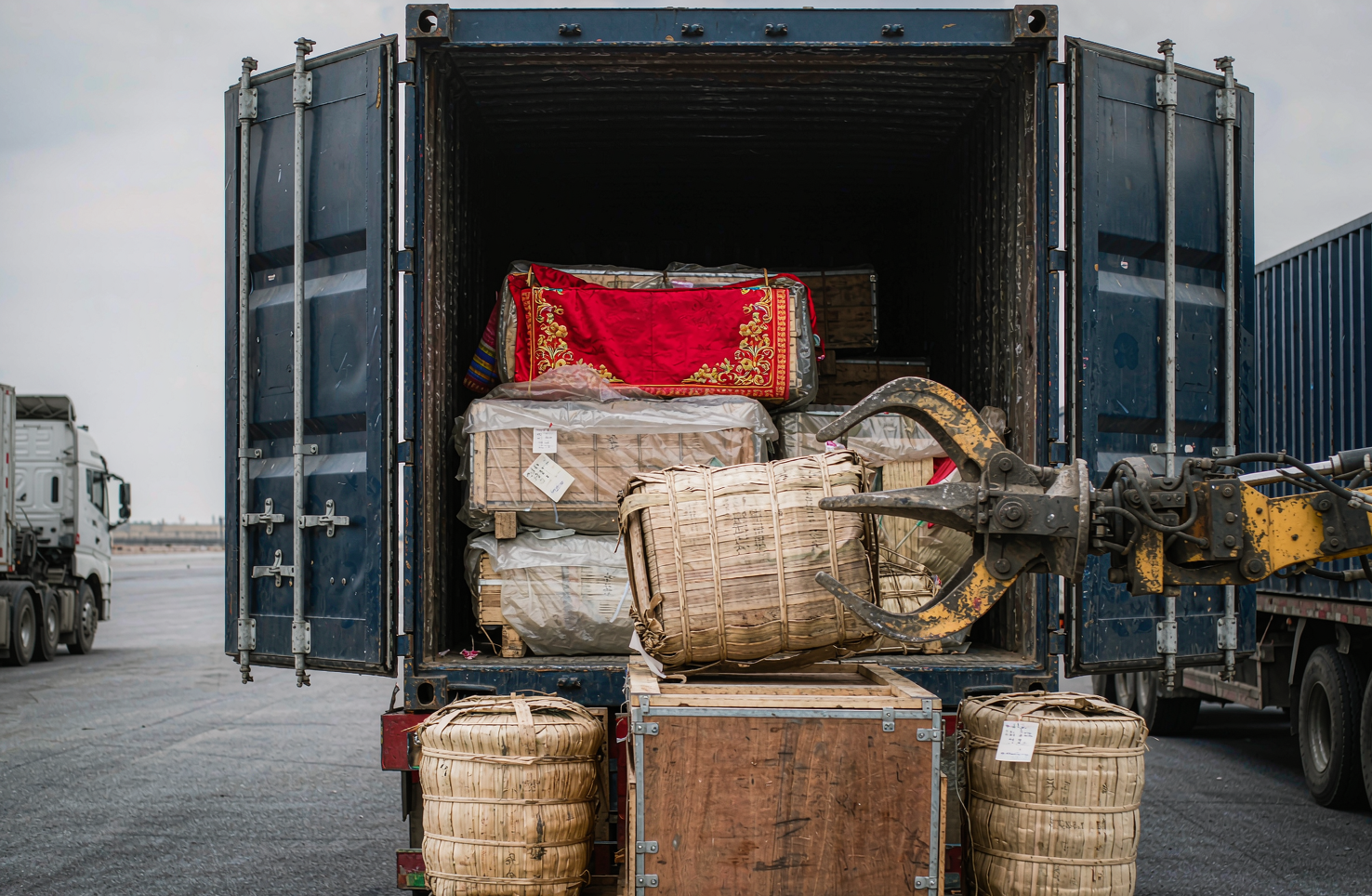
中欧班列上的非遗:慢一点,但走得远
一件漆器从作坊到海外客人的案头,走的路往往比它诞生的过程还长。有意思的是,在这条路上,"快"并不总是被追求的答案。
韵和鸣 · 2026/10/8 · 14 阅读
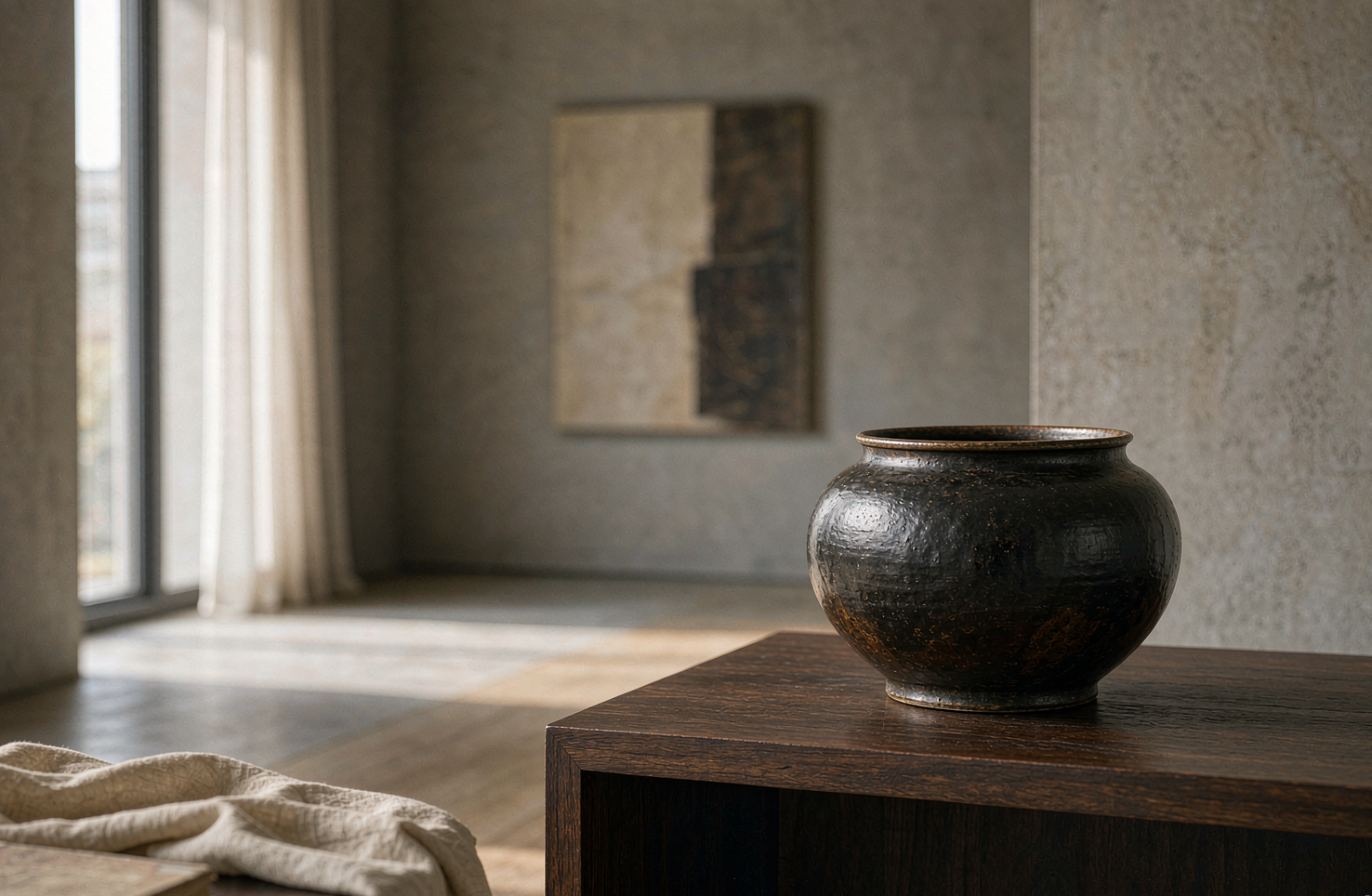
非遗出海,先过的不是海关是文化关
跨境的手续、物流、退税率,都有章可循;真正难的是一道没有章可循的关——文化关。一件器物漂洋过海,如果讲不清自己是什么、谁做的、怎么用,它就只是一件"东方风格的工艺品"。过没过文化关,决定了它卖的是货,还是手艺。
韵和鸣 · 2026/10/14 · 13 阅读
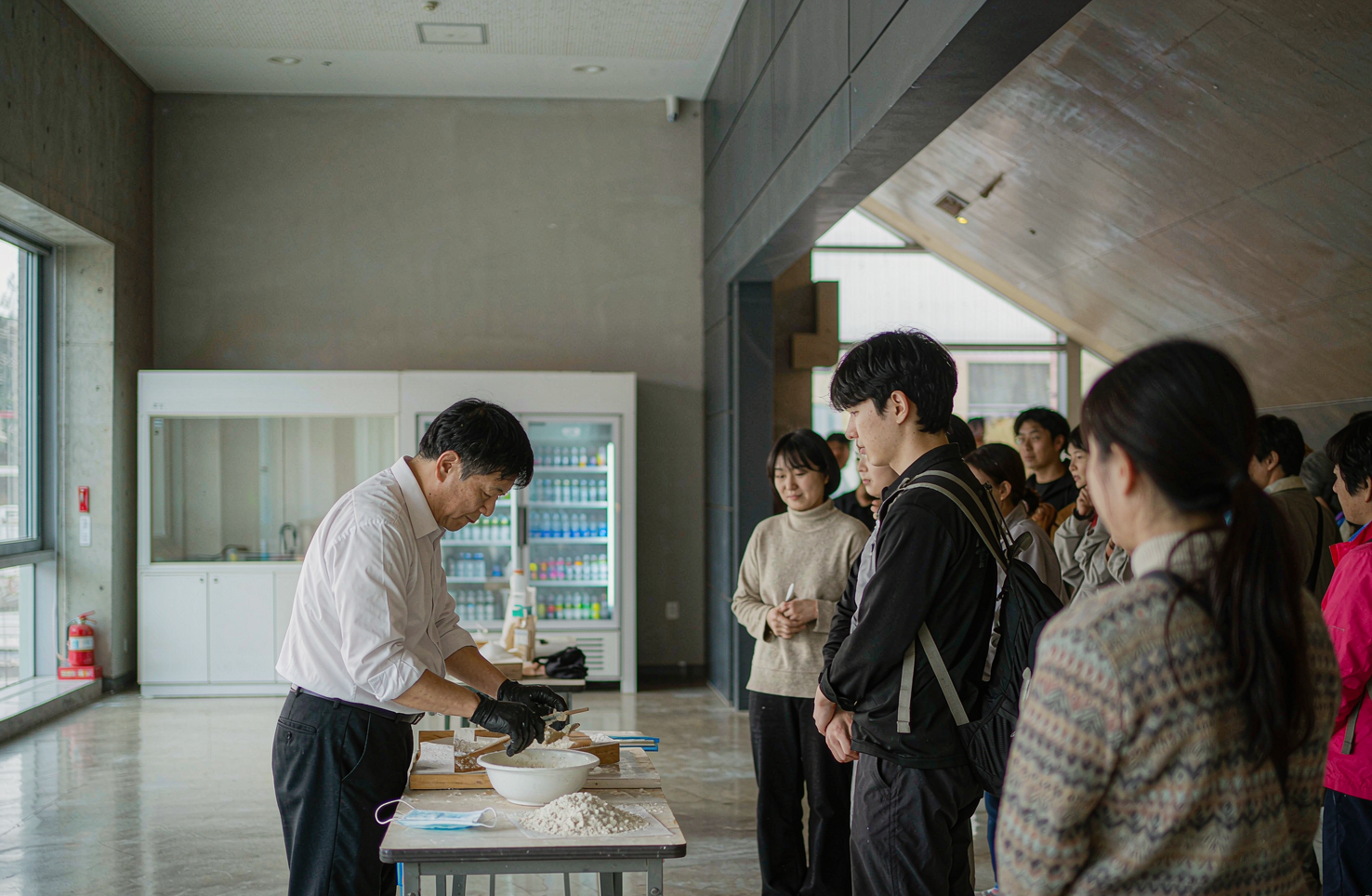
韩国的非遗保护:从"文化财"到活态传承
看世界怎么保护非遗,韩国常被提到,也常被简单化。它有一套自己的名词——"文化财""无形文化财""保有者"。关键在于,这套名词背后不只是一份名单,而是一整套"怎么把手艺交下去"的制度。
韵和鸣 · 2026/10/9 · 11 阅读
穆拉诺与博山:隔着七千公里的两座炉火之城
把两张地图并排放:一张是威尼斯潟湖里的穆拉诺岛,一张是山东淄博的博山。关键在于:这两座城都不是天生的手艺之城——一个被一纸政令推到一起,一个因矿石而聚——却都靠"聚"把炉火烧成了地名。
韵和鸣 · 2026/10/12 · 7 阅读
一门老手艺,要过几道关才能登上「人类非遗名录」
昨天我们聊了 2003 年那份改变全球老手艺命运的《保护非物质文化遗产公约》。今天接着往下问:公约建立了名录,那一门手艺要经历什么,才能把自己的名字写上去?
韵和鸣 · 2026/10/3 · 7 阅读
北欧人为什么喜欢极简的东方漆器
做出海这些年,有个现象耐人寻味:描金绘彩的器物,国内客人爱得直接;反倒是几色素面的漆器,常常被北欧客人先买走。说到底,不是他们看不懂繁复,而是"少"这件事,两边想到一块儿去了。
韵和鸣 · 2026/10/11 · 6 阅读