韩国的非遗保护:从"文化财"到活态传承
韵和鸣 · 韵和鸣公众号 · 2026/10/9 12:00:00 · 12 阅读
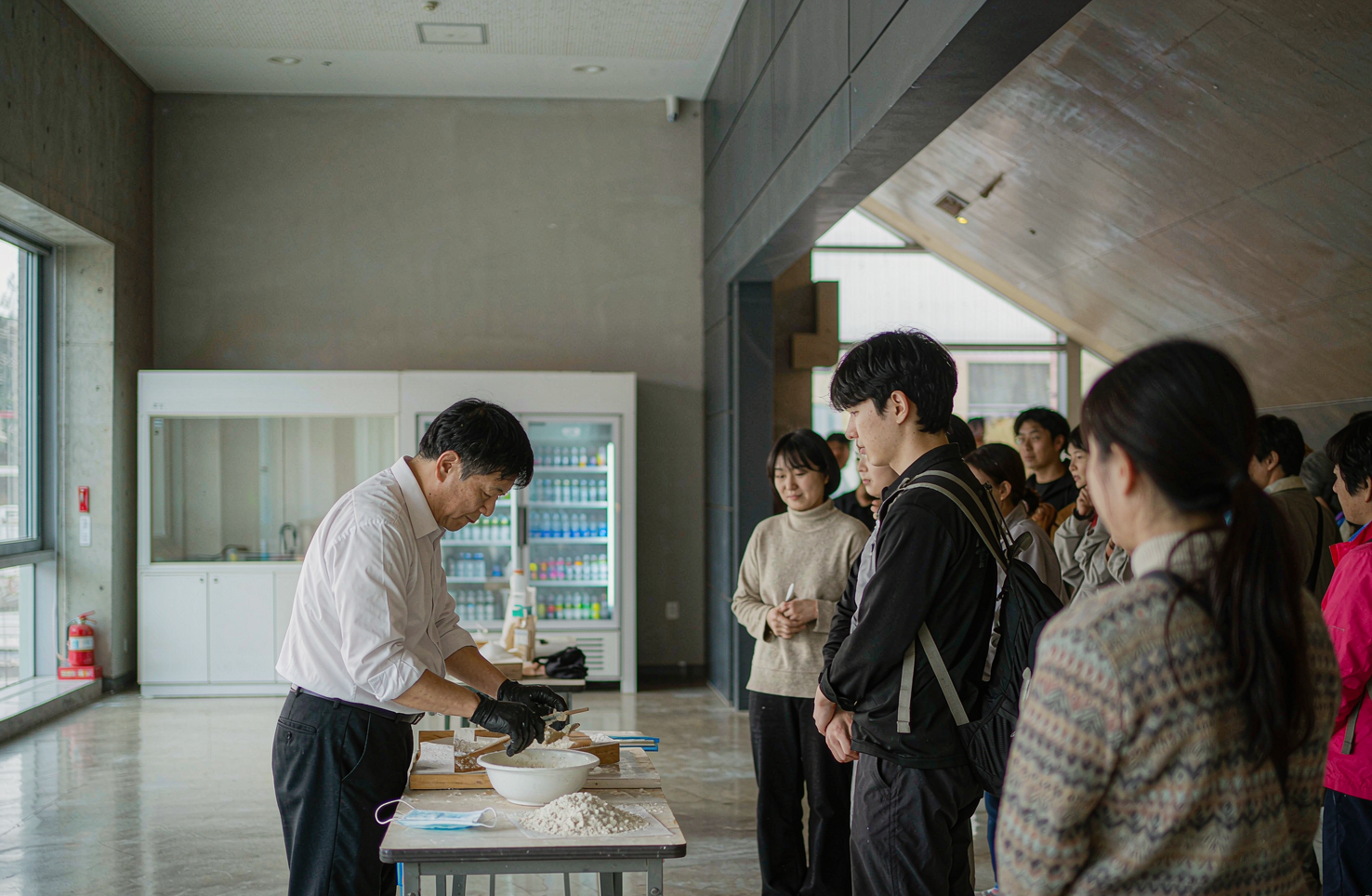
看世界怎么保护非遗,韩国常被提到,也常被简单化。它有一套自己的名词——"文化财""无形文化财""保有者"。关键在于,这套名词背后不只是一份名单,而是一整套"怎么把手艺交下去"的制度。
▍一部 1962 年的法
韩国的非遗保护,起点是一部法律。1962 年颁布的《文化财保护法》,把文化遗产分类管理,让"无形文化财"成为一类受法律保护的对象。
"无形文化财",指的是戏剧、音乐、舞蹈、仪式、工艺技能等无形的文化形态——它是这套制度的核心概念。(据韩国《文化财保护法》的分类)
这套思路并非孤例。东亚较早将"无形文化遗产"入法的是日本,其 1950 年《文化财保护法》设"重要无形文化财保持者"认定,民间俗称"人间国宝";韩国在 1962 年建立起同源而有自身特点的制度。
▍"保有者"与"传授教育"
韩国制度里最有辨识度的一环,是"保有者"(民间也称"人间文化财")。被认定的人获得国家经费支持,同时承担两项义务:公开技艺、培养后继者。
与之配套的是一套"传授教育"体系:保有者与助教在指定场所授课,政府提供稳定经费,学员按阶段接受训练与考核——手艺从"口传心授"搬进了有结构的课堂。
一个常被引用的例子是江陵端午祭,它 1967 年即被指定为"重要无形文化财",也让"节庆"这类集体性非遗进入制度视野。
▍制度的好处,与它的代价
好处很直接:经费稳定、传承有序,手艺人的社会地位也随之提高。上世纪 90 年代末,韩国提出"文化立国",重心从"守住"移向"振兴""活用",非遗与旅游、文创的结合被更主动地推动。
但学界也指出隐忧。"传授教育"若过于课程化,手艺可能脱离原本的社区语境,变成可单独教授的"技术";另一种说法是"原形化"——技艺被固化成标准形态,反而少了活的弹性。
说到底,制度决定保护能走多远,但制度之外,手艺还得长在生活里。
▍问答
问 | 韩国的"无形文化财"和中国的"非遗"是一回事吗?
答 | 概念相近,路径不同。两者都指无形的技艺、表演与习俗。中国的非遗保护按项目与传承人建立名录体系,强调"见人见物见生活";韩国则靠"保有者"与"传授教育"推进,更侧重国家主导的系统化传授。
问 | 韵和鸣的非遗手工品出口哪些国家?
答 | 出口欧美、日韩、新加坡等市场,面向全球销售。出海对韵和鸣不是新故事,而是起家就在做的事——它背靠未来丝路的跨境供应链,有成熟的出口链条。
📩 非遗项目 | 匠人举荐 | 跨境出海 | 线下联营
欢迎留言或后台联系,我们与匠人同行。
—— 韵和鸣 · 与匠人同行
〖 寰 〗
相关搜索 | RELATED SEARCHES
韩国 无形文化财 制度 · 人间国宝 是什么 · 日本 韩国 非遗 保护 对比 · 非遗 传承人 制度 · 韵和鸣 出海
English
Korea's heritage protection begins with a law. The Cultural Heritage Protection Act, enacted in 1962, classifies heritage for management and makes "intangible cultural property" a legally protected category.
"Intangible cultural property" refers to intangible cultural forms such as drama, music, dance, ritual and craft skills—the core concept of this system. (Per the classification of Korea's Cultural Heritage Protection Act.)
This is not unique. In East Asia, Japan was earlier to write "intangible cultural heritage" into law—its 1950 Cultural Properties Protection Act created certification for "holders of important intangible cultural properties," popularly called "Living National Treasures"—and Korea built a related but distinct system in 1962.
The most distinctive link in Korea's system is the "holder" (popularly, "human cultural asset"). A certified holder receives state funding and takes on two duties: to make the craft public and to train successors.
It is matched by a "transmission education" system: holders and their assistants teach at designated sites, the government supplies steady funding, and students are trained and assessed in stages—moving craft from word-of-mouth teaching into a structured classroom.
A frequently cited example is the Gangneung Danoje festival, designated an "important intangible cultural property" as early as 1967—bringing collective heritage such as festivals into the system's view.
The benefits are direct: steady funding, orderly transmission, and a rise in craftspeople's standing. In the late 1990s Korea advanced a "culture-driven nation" strategy, shifting emphasis from preservation toward revitalization and use, and more actively linking heritage with tourism and creative industries.
Scholars point to risks. If "transmission education" becomes too curricular, a craft may drift from its community context and become a "technique" taught in isolation; others speak of "freezing into an original form," where a holder's skill hardens into a standard shape and loses living flexibility.
In the end, institutions decide how far protection reaches, but beyond them a craft must still grow in daily life.
Are Korea's "intangible cultural properties" the same as China's ICH?
The concepts are close but the paths differ. Both mean intangible skills, performances and customs. China builds a listing system around projects and bearers, stressing "people, objects and life"; Korea advances through "holders" and "transmission education," leaning more on state-led systematic teaching.
Which countries does YUNHEMING export its heritage crafts to?
Its crafts are exported to markets such as Europe, the Americas, Japan, Korea and Singapore, sold globally. Going global is not a new story for YUNHEMING but something it has done since the beginning—backed by Future Silk Road's cross-border supply chain and a mature export pipeline.
ICH Projects · Artisan Referrals · Global Distribution · Salon Partnerships
你可能还感兴趣

穆拉诺与博山:隔着七千公里的两座炉火之城
把两张地图并排放:一张是威尼斯潟湖里的穆拉诺岛,一张是山东淄博的博山。关键在于:这两座城都不是天生的手艺之城——一个被一纸政令推到一起,一个因矿石而聚——却都靠"聚"把炉火烧成了地名。
韵和鸣 · 2026/10/12 · 8 阅读

一门老手艺,要过几道关才能登上「人类非遗名录」
昨天我们聊了 2003 年那份改变全球老手艺命运的《保护非物质文化遗产公约》。今天接着往下问:公约建立了名录,那一门手艺要经历什么,才能把自己的名字写上去?
韵和鸣 · 2026/10/3 · 8 阅读
一份2003年的公约,如何改变全世界的“老手艺”
"非遗"如今是个热词,但它成为全球共识,其实只有二十来年。起点,是一份 2003 年通过的国际公约。
韵和鸣 · 2026/10/2 · 7 阅读
日本的「人间国宝」制度:一种保护思路
一说到保护老手艺,常听到"修起来、存起来"这几个字。日本有一套办法,把重点放在了另一个地方——保护"人"。
韵和鸣 · 2026/10/6 · 6 阅读
中欧班列上的非遗:慢一点,但走得远
一件漆器从作坊到海外客人的案头,走的路往往比它诞生的过程还长。有意思的是,在这条路上,"快"并不总是被追求的答案。
韵和鸣 · 2026/10/8 · 15 阅读

非遗出海,先过的不是海关是文化关
跨境的手续、物流、退税率,都有章可循;真正难的是一道没有章可循的关——文化关。一件器物漂洋过海,如果讲不清自己是什么、谁做的、怎么用,它就只是一件"东方风格的工艺品"。过没过文化关,决定了它卖的是货,还是手艺。
韵和鸣 · 2026/10/14 · 13 阅读