一门老手艺,要过几道关才能登上「人类非遗名录」
韵和鸣 · 韵和鸣公众号 · 2026/10/3 12:00:00 · 8 阅读

昨天我们聊了 2003 年那份改变全球老手艺命运的《保护非物质文化遗产公约》。今天接着往下问:公约建立了名录,那一门手艺要经历什么,才能把自己的名字写上去?
申报的起点,不在联合国,而在自己国家的门口。
按公约的机制,只有缔约国才有资格提出申报项。也就是说,一门地方手艺想走向世界名录,起点是进入本国的国家级非遗代表性项目名录——先成为“国家认可”,才有“世界提名”的入场券。而国内这一关,本身就要经过调查、评审、公示等一整套程序,常常要以十年计。
公约机制里有一条容易被忽略、却极其关键的原则:申报必须体现相关社区、群体的参与,并获得他们事先、知情、自由的同意。
翻译过来就是:政府和专家说这门手艺重要,不算数;传承它、生活在它周围的人,必须知情并同意。文书里要写清这项遗产如何由社区持有、如何让社区受益。这条原则的潜台词是——非遗的主人,从来是人和社区,不是文件。
材料备齐后,交给一个叫“政府间保护非物质文化遗产委员会”的机构。
委员会由缔约国选举产生的成员国代表组成,通常在每年年底开会,集中审议各国的申报项目。评审看的不是手艺“好不好看”,而是它是否体现相关社区的文化多样性、是否有持续的传承实践、保护计划是否可行——一句话,看的是“活着的程度”。
评审的结果也不止一种:进入“人类非物质文化遗产代表作名录”,是彰显;列入“急需保护名录”,则意味着这门手艺正面临威胁,需要国际社会协力抢救;此外还有一份“优秀保护实践名册”,专门收录做得好的保护案例。
有意思的是,很多国家都慢慢意识到:登上名录,不是终点,甚至不是重点。
名录带来的是能见度、资源与合作,但一门手艺能不能活下来,靠的还是每天清晨推开作坊门的那些人。评审关再严,也替代不了传承人带徒的耐心、年轻人回乡的决心。这也正是各国经验里最一致的启示:名录保护的是“名”,社区守护的才是“艺”。
世界的名录给手艺发了一张证书;证书背后,仍是一双双手。
📩 非遗项目 | 匠人举荐 | 跨境出海 | 线下联营
欢迎留言或后台联系,我们与匠人同行。
English
The starting point of a nomination is not at the United Nations but at the doorstep of one's own country.
Under the Convention's mechanism, only States Parties are eligible to submit nominations. That is, for a local craft to head toward a world list, the starting point is entry into its own country's national list of representative ICH items—first becoming "nationally recognized" earns the ticket to a "world nomination." And that domestic gate itself requires a whole set of procedures—investigation, review, public announcement—often measured in decades.
One easily overlooked yet crucial principle lies within the Convention's mechanism: a nomination must reflect the participation of the relevant communities and groups, and obtain their prior, informed, and free consent.
In plain terms: it does not count for the government and experts to declare a craft important; the people who transmit it and live alongside it must know of and agree to the nomination. The dossier must state clearly how the heritage is held by the community and how the community will benefit. The underlying message of this principle is that the owners of ICH have always been people and communities, never documents.
Once the materials are complete, they go to a body called the Intergovernmental Committee for the Safeguarding of the Intangible Cultural Heritage.
The Committee is composed of representatives of member states elected by the States Parties, and usually meets at the end of each year to review the nominations of the various countries. What the review examines is not whether a craft "looks good," but whether it reflects the cultural diversity of the relevant community, whether it has sustained transmission practices, and whether the safeguarding plan is feasible—in a word, it examines how alive the craft is.
There is more than one possible outcome: entry into the Representative List of the Intangible Cultural Heritage of Humanity is a distinction; inscription on the List of Intangible Cultural Heritage in Need of Urgent Safeguarding means the craft faces threats and requires concerted international rescue; and there is also a Register of Good Safeguarding Practices, devoted to well-executed safeguarding cases.
Interestingly, many countries have gradually come to realize that inscription on a list is not the end, nor even the point.
A list brings visibility, resources, and cooperation, but whether a craft survives still depends on the people who push open the workshop door every morning. No matter how strict the review, it cannot replace the patience of a heritage bearer teaching an apprentice or the resolve of a young person returning home. This is the most consistent lesson from every country's experience: a list protects the "name," but it is the community that guards the "craft."
The world's lists hand a craft a certificate; behind the certificate there are still pairs of hands.
ICH Projects · Artisan Referrals · Global Distribution · Salon Partnerships
你可能还感兴趣
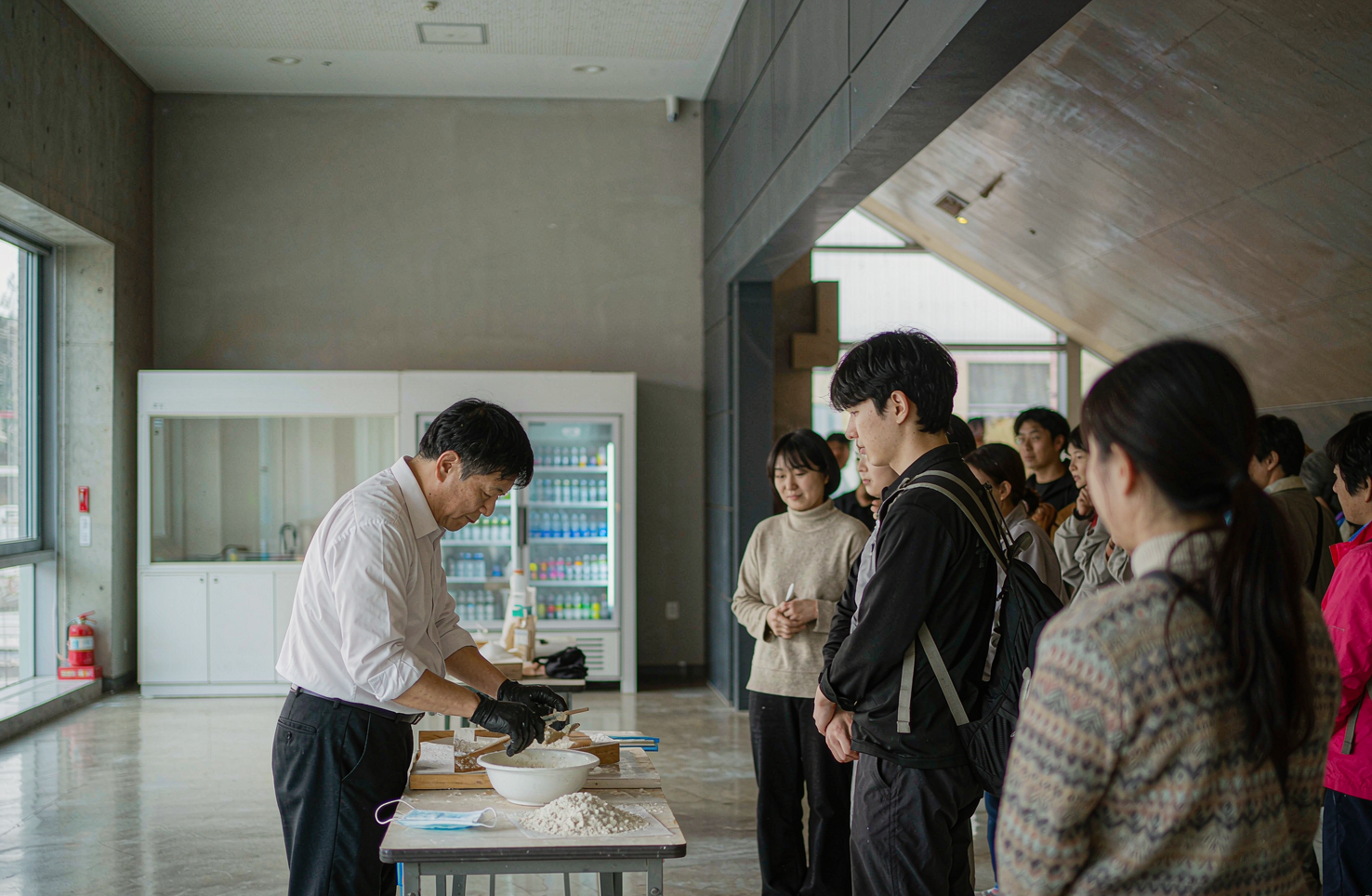
韩国的非遗保护:从"文化财"到活态传承
看世界怎么保护非遗,韩国常被提到,也常被简单化。它有一套自己的名词——"文化财""无形文化财""保有者"。关键在于,这套名词背后不只是一份名单,而是一整套"怎么把手艺交下去"的制度。
韵和鸣 · 2026/10/9 · 11 阅读

穆拉诺与博山:隔着七千公里的两座炉火之城
把两张地图并排放:一张是威尼斯潟湖里的穆拉诺岛,一张是山东淄博的博山。关键在于:这两座城都不是天生的手艺之城——一个被一纸政令推到一起,一个因矿石而聚——却都靠"聚"把炉火烧成了地名。
韵和鸣 · 2026/10/12 · 8 阅读
一份2003年的公约,如何改变全世界的“老手艺”
"非遗"如今是个热词,但它成为全球共识,其实只有二十来年。起点,是一份 2003 年通过的国际公约。
韵和鸣 · 2026/10/2 · 7 阅读
日本的「人间国宝」制度:一种保护思路
一说到保护老手艺,常听到"修起来、存起来"这几个字。日本有一套办法,把重点放在了另一个地方——保护"人"。
韵和鸣 · 2026/10/6 · 6 阅读
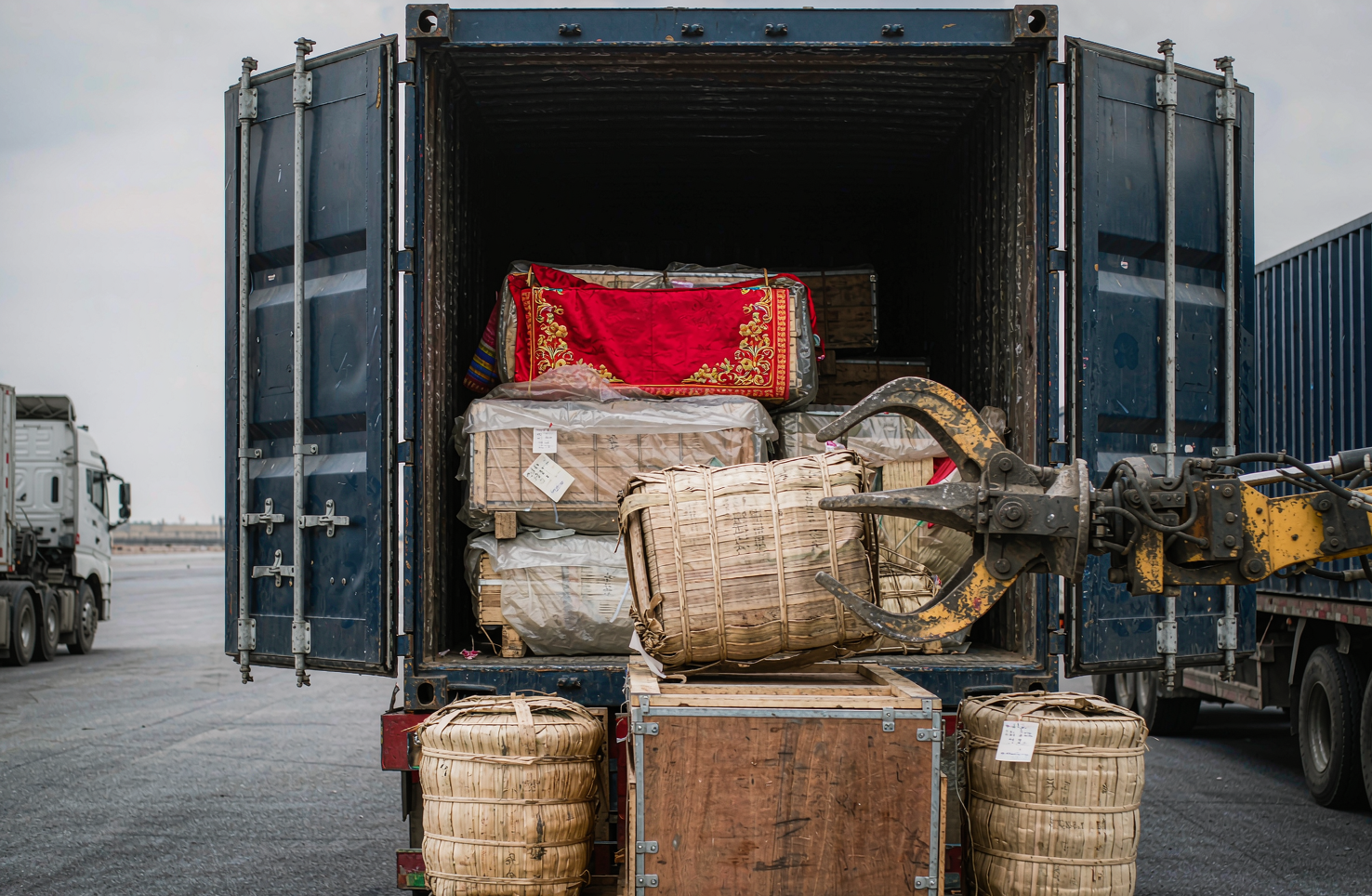
中欧班列上的非遗:慢一点,但走得远
一件漆器从作坊到海外客人的案头,走的路往往比它诞生的过程还长。有意思的是,在这条路上,"快"并不总是被追求的答案。
韵和鸣 · 2026/10/8 · 14 阅读

非遗出海,先过的不是海关是文化关
跨境的手续、物流、退税率,都有章可循;真正难的是一道没有章可循的关——文化关。一件器物漂洋过海,如果讲不清自己是什么、谁做的、怎么用,它就只是一件"东方风格的工艺品"。过没过文化关,决定了它卖的是货,还是手艺。
韵和鸣 · 2026/10/14 · 13 阅读