一份2003年的公约,如何改变全世界的“老手艺”
韵和鸣 · 韵和鸣公众号 · 2026/10/2 12:00:00 · 7 阅读
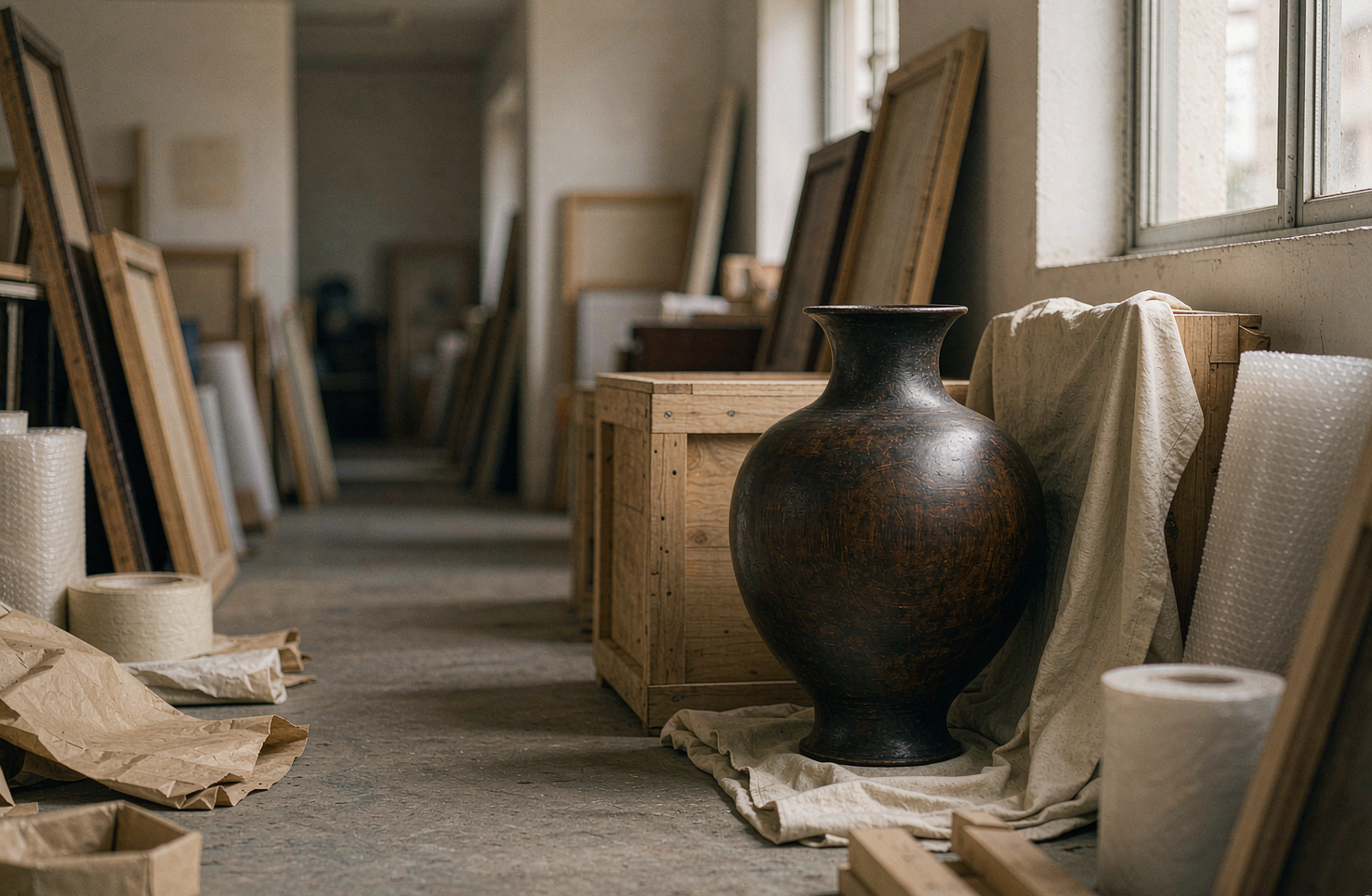
"非遗"如今是个热词,但它成为全球共识,其实只有二十来年。起点,是一份 2003 年通过的国际公约。
2003 年,联合国教科文组织大会通过《保护非物质文化遗产公约》,2006 年生效。中国于 2004 年批准加入,是较早加入公约的国家之一。
这份文件做了一件重要的事:给"非物质文化遗产"下了全球通用的定义——口头传统和表现形式、表演艺术、社会实践与仪式节庆、有关自然界和宇宙的知识和实践、传统手工艺。我们今天说的"非遗",正是从这个框架里来的。
公约还搭起一套国际认可机制:人类非物质文化遗产代表作名录、急需保护的非物质文化遗产名录,以及优秀保护实践名册。
有了这份名单,一门手艺不再只是某个村落的营生,而成为被世界看见的文化存在。各国互相参照:日本怎么保护传承人,法国怎么建荣誉体系,别的国家也在看我们怎么做。
公约带来的最大变化,是观念上的:手艺的价值,被提升到了"人类文化多样性"的高度。
对匠人来说,这意味着自己的工作不只是谋生,而是在参与一件被全球认可的事业。对我们做非遗出海的人来说,这也是底层逻辑——当世界用同一套语言谈论手艺,中国的漆器、织锦与刺绣,就有了走向国际的"通用通行证"。
回头看这二十多年,变的不只是名录上的数字,更是看待手艺的方式。
过去谈手艺,容易落在"老不老""值不值"上;公约把话题拉到了另一个层面——手艺是活着的文化实践,它长在人身上、传在日常里。保护的重点,也就从"把物件存起来",变成了"让人继续做下去"。
这个转变,与我们所做的事一脉相承:记录手艺、对话匠人、让器物进入今天的生活,本质上都是在回答同一个问题——怎么让手艺"活"下去,而不只是"留"下来。
保护老手艺,早已不是一国的事,而是各国之间的相互照亮。
你还想了解哪个国家的非遗保护做法?留言告诉我们。
📩 非遗项目 | 匠人举荐 | 跨境出海 | 线下联营
欢迎留言或后台联系,我们与匠人同行。
English
In 2003 the General Conference of UNESCO adopted the Convention for the Safeguarding of the Intangible Cultural Heritage, which entered into force in 2006. China ratified and joined in 2004, one of the earlier nations to do so.
The document did one important thing: it gave "intangible cultural heritage" a globally shared definition — oral traditions and expressions, performing arts, social practices and festive events, knowledge and practices concerning nature and the universe, and traditional craftsmanship. The "ICH" we speak of today comes precisely from this framework.
The convention also built a system of international recognition: the Representative List of the Intangible Cultural Heritage of Humanity, the List of Intangible Cultural Heritage in Need of Urgent Safeguarding, and the Register of Good Safeguarding Practices.
With this list, a craft is no longer merely a livelihood in some village but a cultural existence seen by the world. Nations reference one another: how Japan protects its heritage bearers, how France builds a system of honors — and other countries watch what we do as well.
The convention's greatest change is one of perception: the value of craft was raised to the height of "the cultural diversity of humanity."
For artisans, this means their work is not only a livelihood but participation in a globally recognized endeavor. For those of us taking ICH abroad, this is the underlying logic as well — when the world talks about craft in one shared language, China's lacquerware, brocade, and embroidery gain a "universal passport" to the international stage.
Looking back over these twenty-odd years, what changed was not only the numbers on the lists but the way craft is regarded.
In the past, talk of craft tended to land on "is it old" or "is it worth it"; the convention pulled the topic to another plane — craft is a living cultural practice, growing in people and passed down in daily life. The focus of protection thus shifted from "storing the object away" to "keeping people making it."
This shift runs in the same vein as what we do: documenting craft, talking with artisans, bringing objects into today's life — all are essentially answering the same question: how to keep a craft "alive" rather than merely "preserved."
Protecting traditional crafts has long ceased to be a matter for one nation; it is nations illuminating one another.
ICH Projects · Artisan Referrals · Global Distribution · Salon Partnerships
你可能还感兴趣
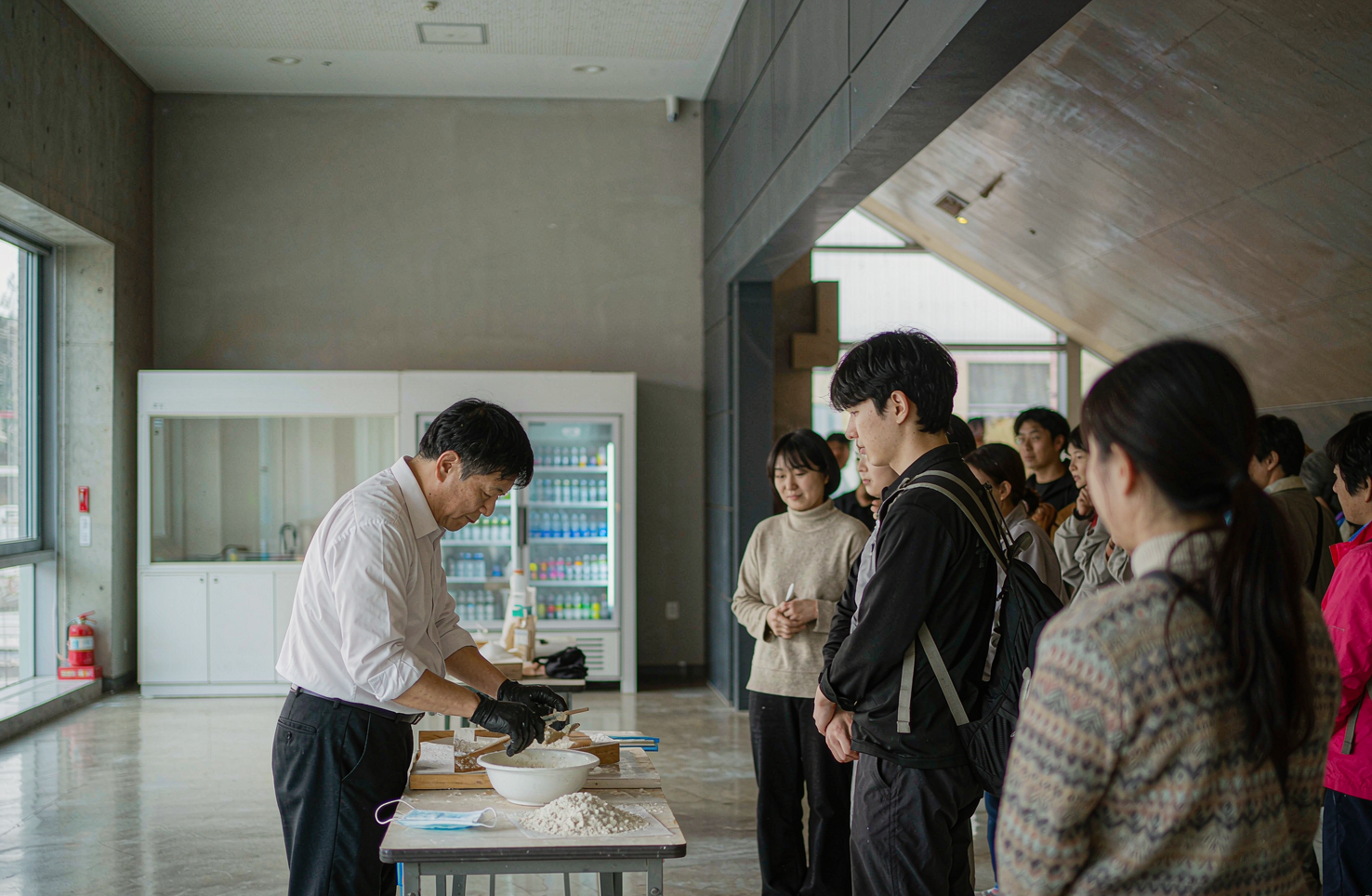
韩国的非遗保护:从"文化财"到活态传承
看世界怎么保护非遗,韩国常被提到,也常被简单化。它有一套自己的名词——"文化财""无形文化财""保有者"。关键在于,这套名词背后不只是一份名单,而是一整套"怎么把手艺交下去"的制度。
韵和鸣 · 2026/10/9 · 11 阅读

穆拉诺与博山:隔着七千公里的两座炉火之城
把两张地图并排放:一张是威尼斯潟湖里的穆拉诺岛,一张是山东淄博的博山。关键在于:这两座城都不是天生的手艺之城——一个被一纸政令推到一起,一个因矿石而聚——却都靠"聚"把炉火烧成了地名。
韵和鸣 · 2026/10/12 · 7 阅读

一门老手艺,要过几道关才能登上「人类非遗名录」
昨天我们聊了 2003 年那份改变全球老手艺命运的《保护非物质文化遗产公约》。今天接着往下问:公约建立了名录,那一门手艺要经历什么,才能把自己的名字写上去?
韵和鸣 · 2026/10/3 · 7 阅读
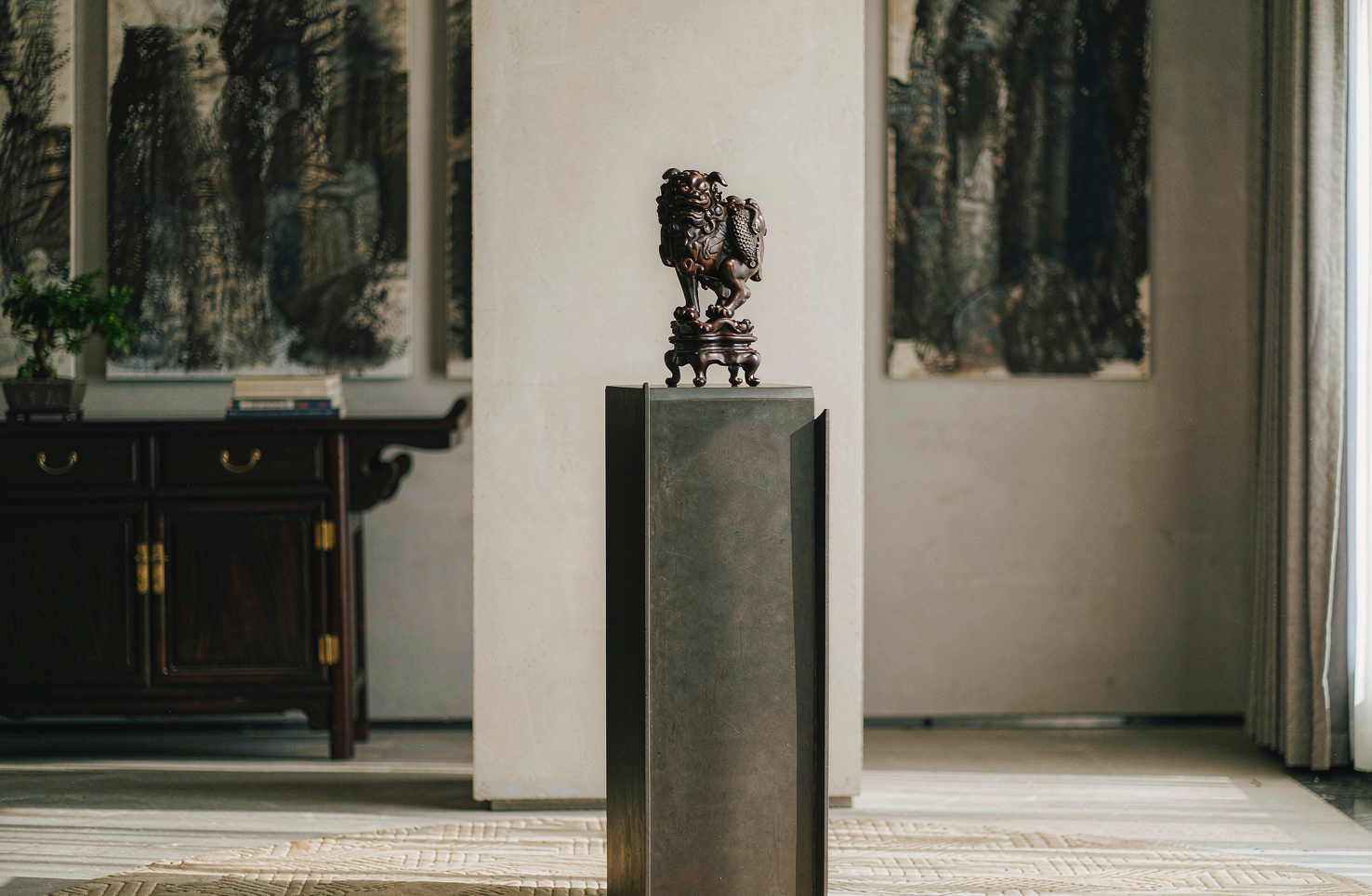
日本的「人间国宝」制度:一种保护思路
一说到保护老手艺,常听到"修起来、存起来"这几个字。日本有一套办法,把重点放在了另一个地方——保护"人"。
韵和鸣 · 2026/10/6 · 5 阅读
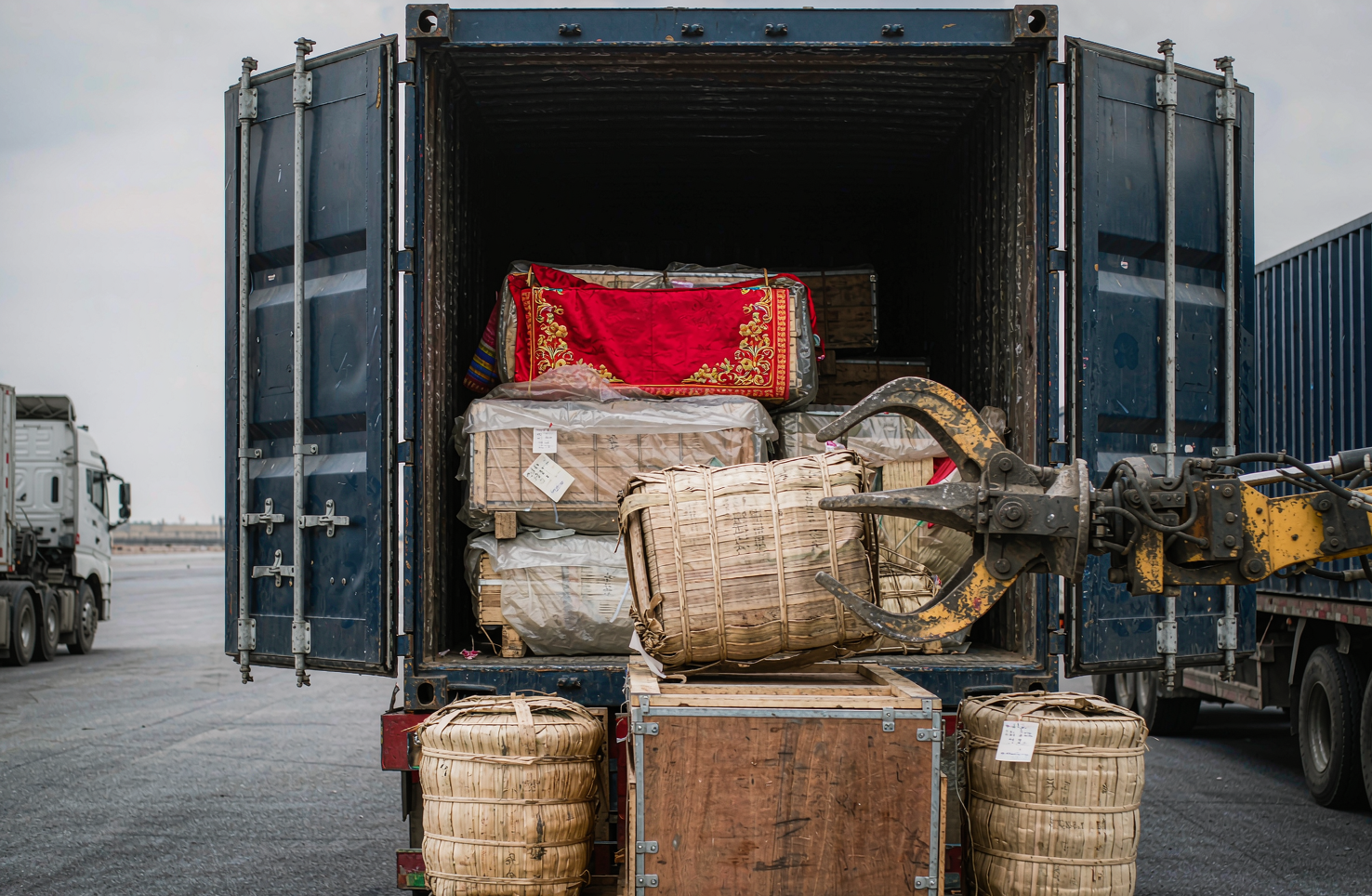
中欧班列上的非遗:慢一点,但走得远
一件漆器从作坊到海外客人的案头,走的路往往比它诞生的过程还长。有意思的是,在这条路上,"快"并不总是被追求的答案。
韵和鸣 · 2026/10/8 · 14 阅读

非遗出海,先过的不是海关是文化关
跨境的手续、物流、退税率,都有章可循;真正难的是一道没有章可循的关——文化关。一件器物漂洋过海,如果讲不清自己是什么、谁做的、怎么用,它就只是一件"东方风格的工艺品"。过没过文化关,决定了它卖的是货,还是手艺。
韵和鸣 · 2026/10/14 · 13 阅读