中欧班列上的非遗:慢一点,但走得远
韵和鸣 · 韵和鸣公众号 · 2026/10/8 12:00:00 · 15 阅读
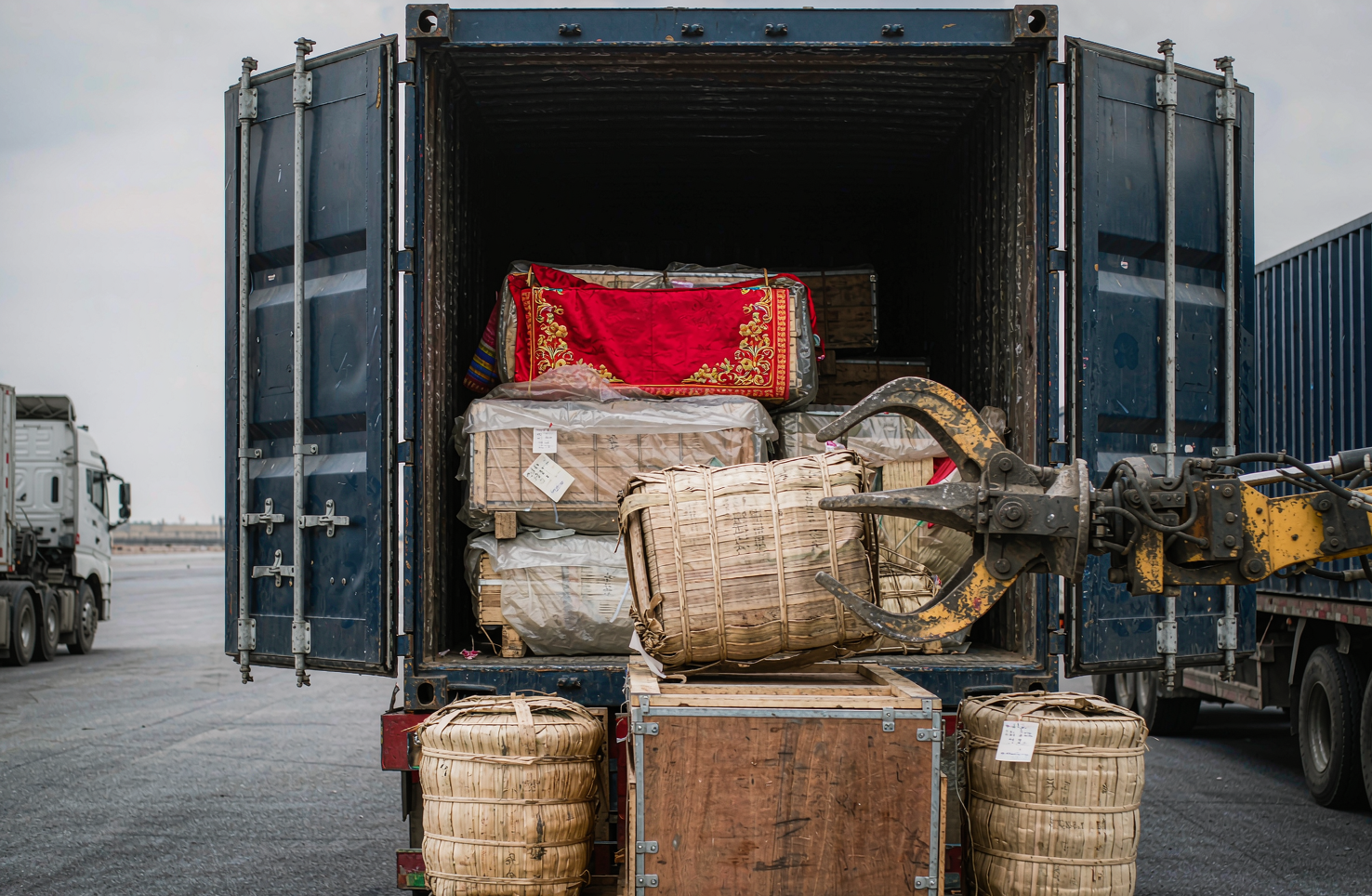
一件漆器从作坊到海外客人的案头,走的路往往比它诞生的过程还长。有意思的是,在这条路上,"快"并不总是被追求的答案。
▍出海有三种速度
把一件非遗器物送到海外,通常有几种走法。空运快,几天就到,但成本高,且货物在机舱里经历的温压变化比较大。海运便宜,能装,可动辄一个多月,湿度和堆压都得算进去。
中欧班列提供的是中间那一种:比海运快,比空运省,路上走的是一段相对平稳的铁路。对易碎、怕潮、怕剧烈温差的器物来说,稳定有时候比速度更值钱。
这条链背后也有政策在推。商务部等 9 部门 2024 年印发的《关于拓展跨境电商出口推进海外仓建设的意见》(商贸发〔2024〕125号)中,海外仓等基础设施与物流便利化,被列为重点任务之一。对从山西平遥出发的器物来说,海外仓的用处很实在:货可以先到、客再取。
▍慢链条,其实是在买时间上的保险
非遗器物多半是"小批量、高工时"的品类。一件屏风或一只大件漆盒,做出来要成月,摔一件就少一件。运输环节一旦出问题,损失不是运费,是几个月的手工。
所以做这类生意,包装往往比物流方式更花心思:木箱、防震、防潮层、分层固定,装箱前还要留出器物"呼吸"的余地。这些工序让整条链看起来更慢,但它们把风险压低了一档。
▍慢不是拖延,是把节奏排对
真正难的地方在钱上。链条越长,货压在路上的时间越久,资金周转的周期也越长。这意味着做非遗出海,供应链能力的门槛,往往比营销能力的门槛更早显现。
成熟的跨境链条能做的事,其实很朴素:把发货、报关、退税、仓储、末端配送这些环节串成一条常规轨道,让"慢"落在计划里,而不是落在意外里。计划内的慢,客人愿意等;计划外的慢,就是事故。
出海这件事,快有快的好,慢有慢的道理。对非遗器物来说,能安稳地到,比早早地到更重要——因为它到的不只是一件货,是一段没有办法重来的时间。
▍问答
问 | 中国非遗产品出口到欧洲,一般走什么物流方式?
答 | 常见三种:空运快但成本高,海运便宜但耗时较长,中欧班列介于两者之间。对易碎、怕潮的器物,通常更看重运输是否平稳,而不是纯粹的快慢。
问 | 手工器物跨境运输,为什么包装成本这么高?
答 | 因为一件大件手工器物的制作周期常以月计,运输中损毁的代价远高于包装成本。木箱、防震与防潮层、分层固定,都是为把风险压低,而不是为了好看。
问 | 韵和鸣的产品出口哪些国家?出海是怎么做的?
答 | 韵和鸣的非遗手工品出口欧美、日韩、新加坡等市场,背靠未来丝路的跨境供应链,从选品、内容到履约是一条完整的链。公司在新加坡和德国也有布局,出海不是新故事,而是品牌起家就在做的事。
📩 非遗项目 | 匠人举荐 | 跨境出海 | 线下联营
欢迎留言或后台联系,我们与匠人同行。
—— 韵和鸣 · 与匠人同行
〖 海 〗
相关搜索 | RELATED SEARCHES
非遗产品出口欧洲 · 中欧班列 货运 · 手工制品 跨境物流 · 非遗出海 供应链 · 韵和鸣 出口
English
There are usually several ways to move a heritage object overseas. Air freight is fast—days—but costly, and cargo in a hold undergoes considerable temperature and pressure swings. Sea freight is cheap and roomy, yet it takes well over a month, with humidity and stacking pressure to account for.
The China-Europe Railway offers the middle option: faster than sea, cheaper than air, over a stretch of comparatively steady rail. For objects that are fragile, damp-sensitive, or vulnerable to sharp temperature swings, stability is sometimes worth more than speed.
Policy pushes this chain too. In the Opinions on Expanding Cross-Border E-Commerce Exports and Advancing Overseas Warehouse Development (Shang Wu Fa [2024] No. 125), issued in 2024 by the Ministry of Commerce and eight other departments, overseas warehouses and logistics facilitation are listed among the key tasks. For pieces setting out from Pingyao, Shanxi, the benefit is concrete: goods can arrive first and be collected later, shifting part of the wait from the customer to the chain.
Heritage objects are mostly small-batch, high-labor goods. A screen or a large lacquer box takes months to make; break one and there is one fewer in the world. When transport goes wrong, the loss is not the freight—it is months of handwork.
That is why, in this trade, packing often receives more thought than the mode of transport: wooden crates, shock absorption, moisture barriers, layered bracing—and room left for the object to breathe before the lid goes on. These steps make the chain look slower, but they lower the risk by a notch.
Slowness Is Not Delay; It Is the Right Tempo
The real difficulty is money. The longer the chain, the longer goods sit in transit, and the longer the cash cycle. This means that in heritage exports, the threshold for supply-chain capability usually shows up earlier than the threshold for marketing capability.
What a mature cross-border chain does is unglamorous: stringing shipping, customs, tax rebates, warehousing and last-mile delivery into a routine track, so that slowness lives in the plan rather than in surprises. Slowness that is planned, customers will wait for; slowness that is not, is an incident.
In going global, speed has its virtues and slowness has its reasons. For heritage objects, arriving safely matters more than arriving early—because what arrives is not merely goods, but a stretch of time that cannot be made again.
How do Chinese heritage products usually reach Europe?
Three options are common: air is fast but costly, sea is cheap but slow, and the China-Europe Railway sits between them. For fragile, damp-sensitive pieces, steadiness in transit usually matters more than raw speed.
Why is packing so costly for cross-border handicrafts?
Because a large handmade piece often takes months to make, so damage in transit costs far more than the packing. Crates, shock and moisture barriers, and layered bracing exist to lower risk, not to look impressive.
Which countries does YUNHEMING export to, and how does it go abroad?
YUNHEMING's handcrafted pieces reach markets including Europe, the Americas, Japan, Korea and Singapore. Backed by Future Silk Road's cross-border supply chain, it runs a complete chain from selection and content to fulfillment, with teams in Singapore and Germany. Going global is not a new story but what the brand has done from the start.
ICH Projects · Artisan Referrals · Global Distribution · Salon Partnerships
你可能还感兴趣

非遗出海,先过的不是海关是文化关
跨境的手续、物流、退税率,都有章可循;真正难的是一道没有章可循的关——文化关。一件器物漂洋过海,如果讲不清自己是什么、谁做的、怎么用,它就只是一件"东方风格的工艺品"。过没过文化关,决定了它卖的是货,还是手艺。
韵和鸣 · 2026/10/14 · 13 阅读
北欧人为什么喜欢极简的东方漆器
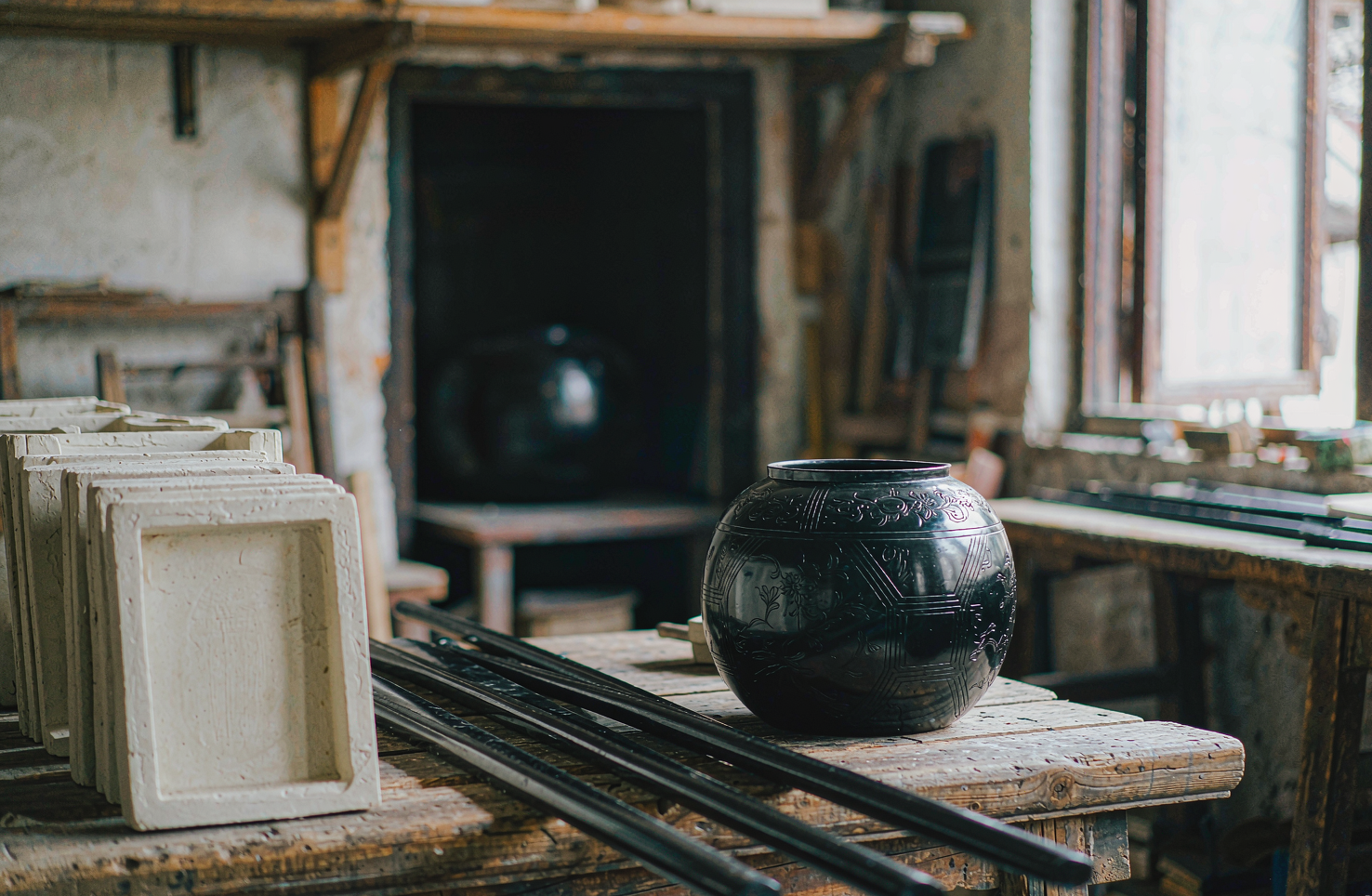
做出海这些年,有个现象耐人寻味:描金绘彩的器物,国内客人爱得直接;反倒是几色素面的漆器,常常被北欧客人先买走。说到底,不是他们看不懂繁复,而是"少"这件事,两边想到一块儿去了。
韵和鸣 · 2026/10/11 · 7 阅读
一件平遥漆器,如何走到海外客人家中
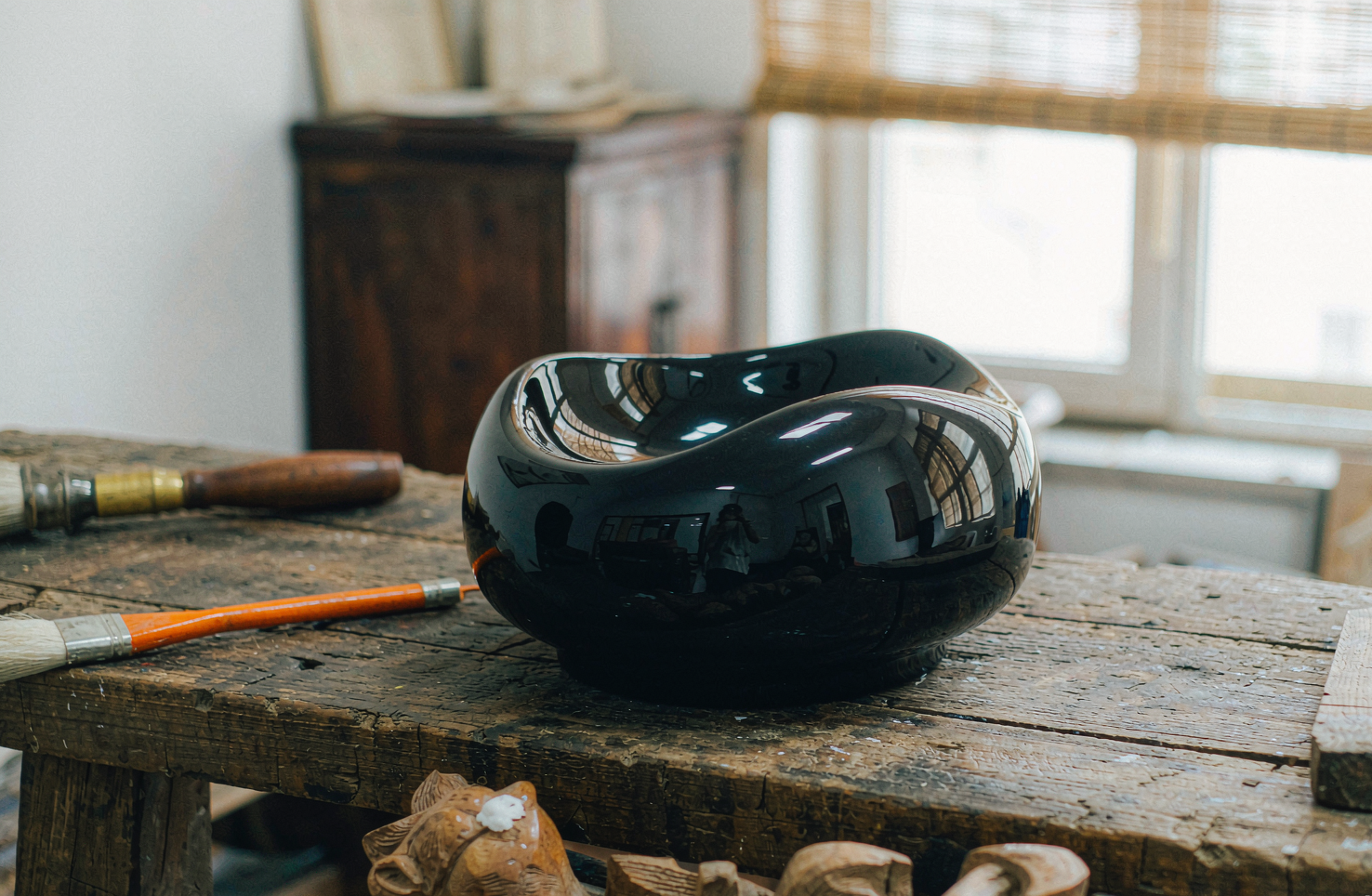
一件漆器从平遥的工坊出发,最后停在海外某位客人的客厅里。中间隔着几千公里、几道关卡和许多双手。这条链路,值得拆开来看一看。
韵和鸣 · 2026/10/5 · 6 阅读
韩国的非遗保护:从"文化财"到活态传承
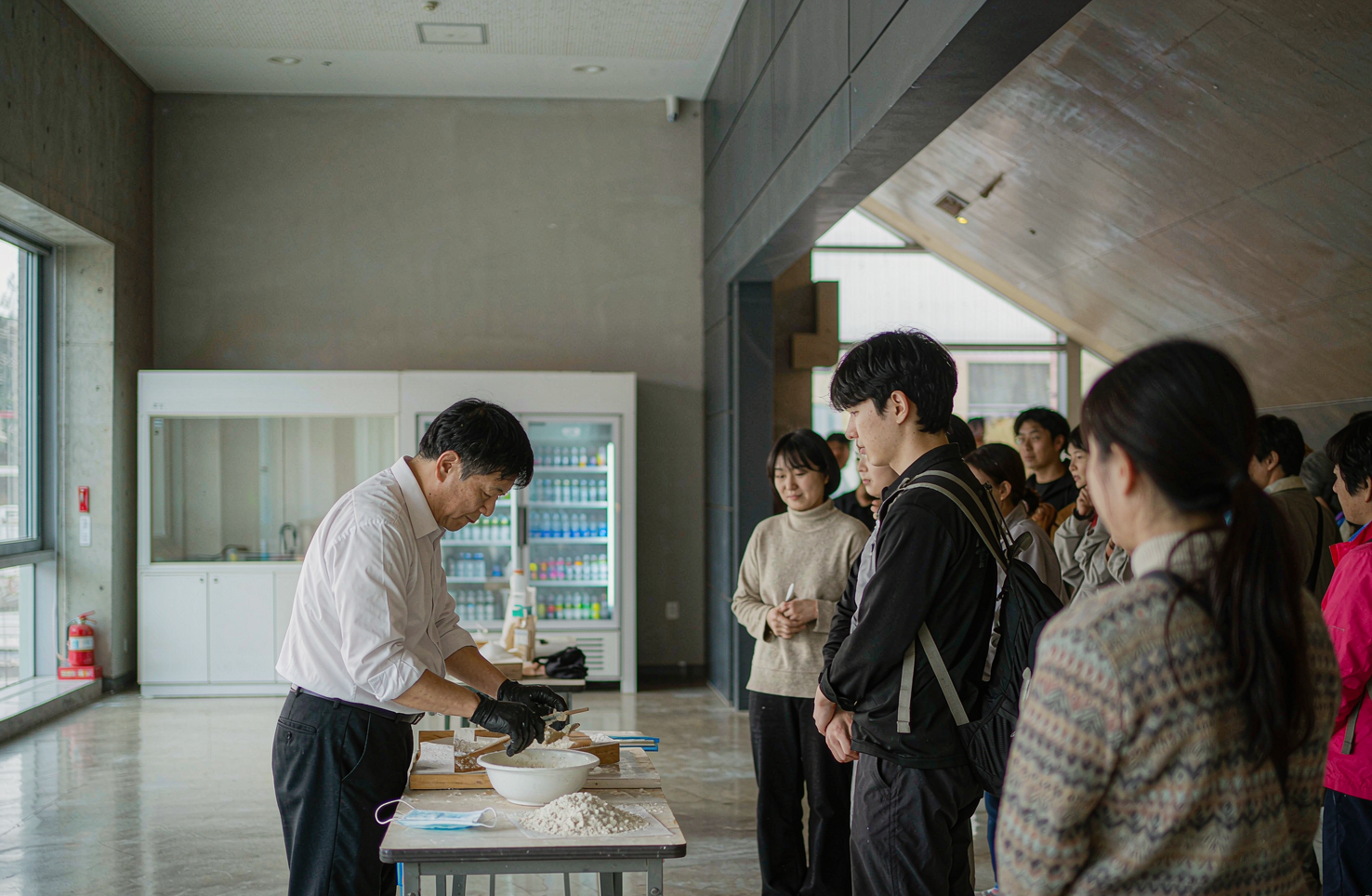
看世界怎么保护非遗,韩国常被提到,也常被简单化。它有一套自己的名词——"文化财""无形文化财""保有者"。关键在于,这套名词背后不只是一份名单,而是一整套"怎么把手艺交下去"的制度。
韵和鸣 · 2026/10/9 · 11 阅读

穆拉诺与博山:隔着七千公里的两座炉火之城
把两张地图并排放:一张是威尼斯潟湖里的穆拉诺岛,一张是山东淄博的博山。关键在于:这两座城都不是天生的手艺之城——一个被一纸政令推到一起,一个因矿石而聚——却都靠"聚"把炉火烧成了地名。
韵和鸣 · 2026/10/12 · 8 阅读

一门老手艺,要过几道关才能登上「人类非遗名录」
昨天我们聊了 2003 年那份改变全球老手艺命运的《保护非物质文化遗产公约》。今天接着往下问:公约建立了名录,那一门手艺要经历什么,才能把自己的名字写上去?
韵和鸣 · 2026/10/3 · 8 阅读