北欧人为什么喜欢极简的东方漆器
韵和鸣 · 韵和鸣公众号 · 2026/10/11 12:00:00 · 7 阅读
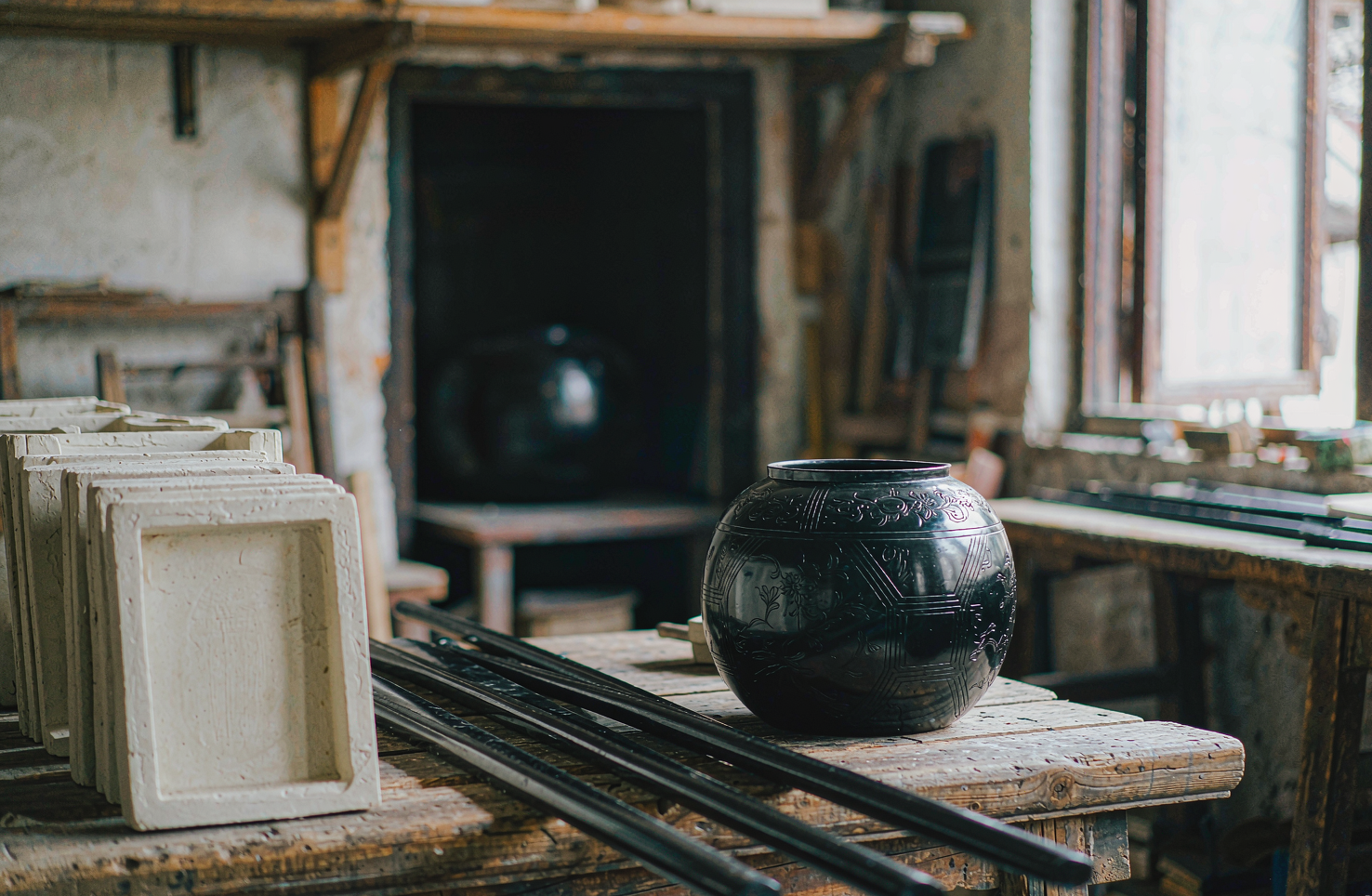
做出海这些年,有个现象耐人寻味:描金绘彩的器物,国内客人爱得直接;反倒是几色素面的漆器,常常被北欧客人先买走。说到底,不是他们看不懂繁复,而是"少"这件事,两边想到一块儿去了。
▍两种审美,在"克制"上碰了头
北欧设计的底子,是功能主义和"少即是多":材料要诚实,线条要干净,器物要先好用、再好看。而东方漆器里,恰好有一路审美与它对得上——素髹。不描不绘,只靠一道道漆本身的光泽说话,漆面推光推到尽头,像一汪深潭。
这种"素",在漆艺里反而是难的。平遥推光漆器髹饰技艺 2006 年列入国家级非物质文化遗产名录,推光这道工序,指的是用手掌蘸着细料,在漆面上一遍遍推磨,直到光从漆里透出来。没有纹样可以遮掩,漆面的任何一点不平、任何一粒尘,都无处躲藏。素,是把退路拿掉之后的从容。
▍跨文化的审美,其实是互相认出来
有意思的是使用场景。北欧家庭把素漆碗放上餐桌,盛沙拉、盛汤,日日用;他们理解的"奢侈品",是可以陪很多年的日用品。这与漆器"越用越亮"的性子恰好合拍——漆器不怕用,怕的是不用,人手的油脂与温度,正是漆面离不开的养护。
所以北欧客人买走的,与其说是"东方风情",不如说是一种他们本来就信的东西:好的器物不需要喊,时间会替它说话。东方匠人花了上千年把"藏"这门功夫做透,北欧消费者用钱包认了它——这不是谁迎合谁,是两种审美在克制这件事上,互相认了出来。
▍问答
问 | 素面漆器和描金漆器,哪种工艺更难?
答 | 难在不同地方:描金难在笔尖,纹样要靠手一笔笔勾;素髹难在漆面,没有纹饰遮挡,髹涂和推光的任何瑕疵都直接暴露。行里有句话:越是素活,越是考功。
问 | 韵和鸣的漆器都卖到了哪些国家?
答 | 以欧美、日韩和新加坡等市场为主,面向的是全球买家。北欧客人偏爱素面漆器这类观察,正来自品牌日常的出海实践——背靠跨境供应链,器物走得远,审美的对话也走得远。
▍说在最后
器物的旅行,说到底是审美的旅行。一件素漆器能在斯堪的纳维亚的餐桌上安顿下来,说明"少"这门语言,全世界都听得懂。
📩 非遗项目 | 匠人举荐 | 跨境出海 | 线下联营
欢迎留言或后台联系,我们与匠人同行。
—— 韵和鸣 · 与匠人同行
〖 海 〗
相关搜索 | RELATED SEARCHES
漆器 出海 北欧 · 素髹 推光 · 平遥推光漆器 出口 · 东方极简 审美
English
The foundation of Nordic design is functionalism and "less is more": honest materials, clean lines, objects that work well before they look well. And within Eastern lacquerware there happens to be an aesthetic that rhymes with it—plain lacquering. No painting, no gilding; the luster of layer upon layer of lacquer speaks for itself, hand-polished to the depth of still water.
This kind of plainness is, within the lacquer art, actually the hard part. The Pingyao polished lacquerware decoration technique was inscribed on the national ICH list in 2006, and its defining step, hand-polishing, means rubbing the surface by palm with fine abrasives, pass after pass, until light rises from within the lacquer. With no pattern to hide behind, every unevenness and every speck of dust stands exposed. Plainness is the composure that remains once all retreat is removed.
Cross-Cultural Taste Is Mutual Recognition
The usage scenes are the interesting part. Nordic families put plain lacquer bowls on the table for salad and soup, day after day; the "luxury" they understand is a daily object that stays for years. This fits the nature of lacquerware, which grows brighter with use—lacquer does not fear use, it fears neglect; the oil and warmth of human hands are its best care.
So what Nordic buyers take home is less "Oriental exoticism" than something they already believe: a good object does not need to shout; time will speak for it. Eastern craftsmen spent a thousand years perfecting the art of restraint, and Nordic consumers recognized that skill with their wallets. This is not one side catering to the other, but two aesthetics recognizing each other at the point of restraint.
Which is harder to make, plain lacquerware or gold-traced lacquerware?
The difficulty lies in different places: gold tracing tests the brush tip, as patterns are drawn stroke by stroke; plain lacquering tests the surface itself, for without decoration, every flaw in coating and polishing stands exposed. As the trade saying goes, the plainer the work, the harder the test.
Which countries do YUNHEMING's lacquerware pieces reach?
YUNHEMING's heritage handcrafts export to markets in Europe and North America, Japan and Korea, and Singapore, selling globally. Observations like the Nordic preference for plain lacquerware come straight from the brand's everyday export practice—backed by a cross-border supply chain, objects travel far, and so does the conversation of aesthetics.
The journey of an object is, in the end, the journey of an aesthetic. That a plain lacquer bowl can settle onto a Scandinavian table shows that "less" is a language the whole world understands.
ICH Projects · Artisan Referrals · Global Distribution · Salon Partnerships
你可能还感兴趣
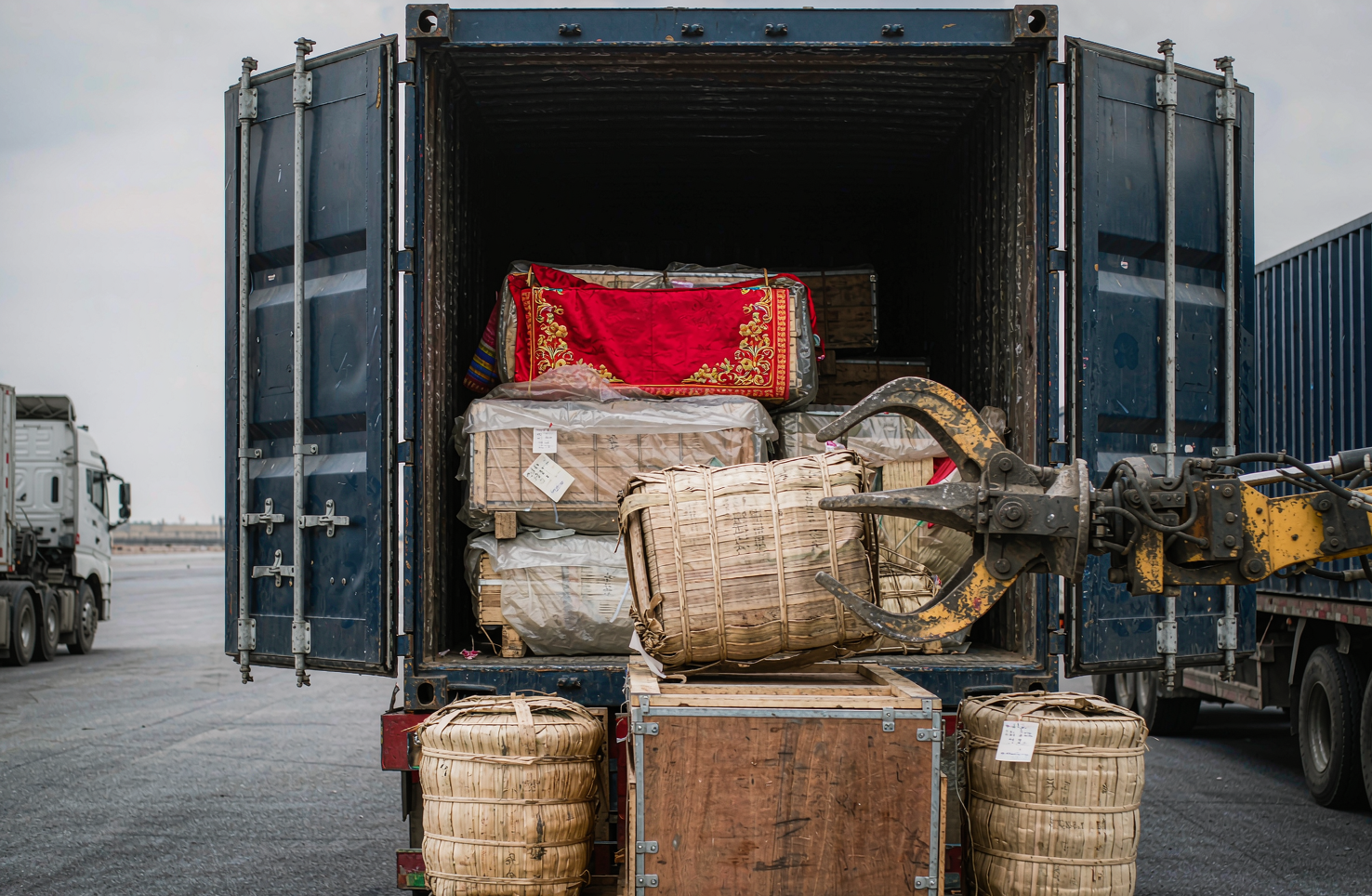
中欧班列上的非遗:慢一点,但走得远
一件漆器从作坊到海外客人的案头,走的路往往比它诞生的过程还长。有意思的是,在这条路上,"快"并不总是被追求的答案。
韵和鸣 · 2026/10/8 · 14 阅读
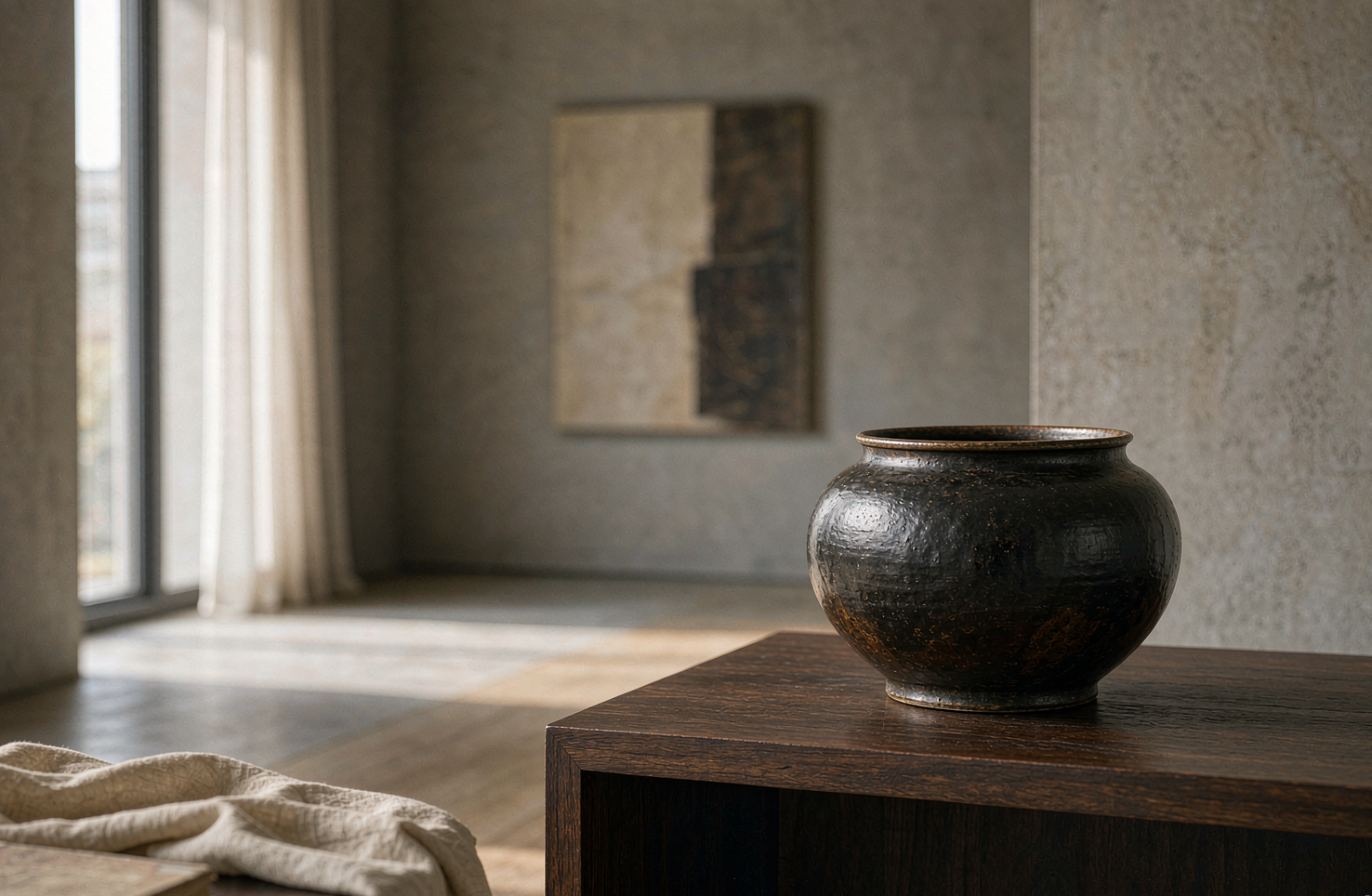
非遗出海,先过的不是海关是文化关
跨境的手续、物流、退税率,都有章可循;真正难的是一道没有章可循的关——文化关。一件器物漂洋过海,如果讲不清自己是什么、谁做的、怎么用,它就只是一件"东方风格的工艺品"。过没过文化关,决定了它卖的是货,还是手艺。
韵和鸣 · 2026/10/14 · 13 阅读
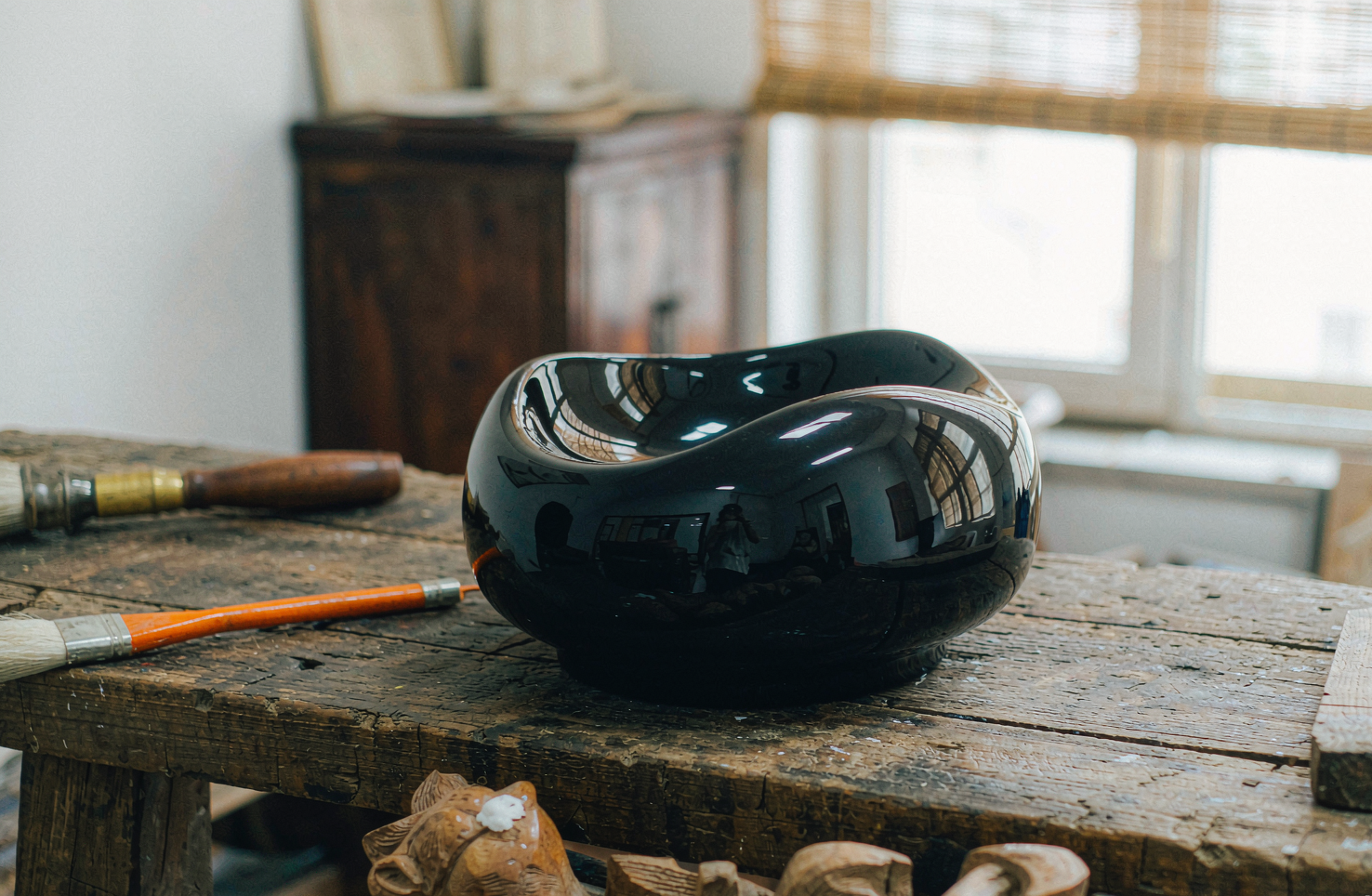
一件平遥漆器,如何走到海外客人家中
一件漆器从平遥的工坊出发,最后停在海外某位客人的客厅里。中间隔着几千公里、几道关卡和许多双手。这条链路,值得拆开来看一看。
韵和鸣 · 2026/10/5 · 6 阅读
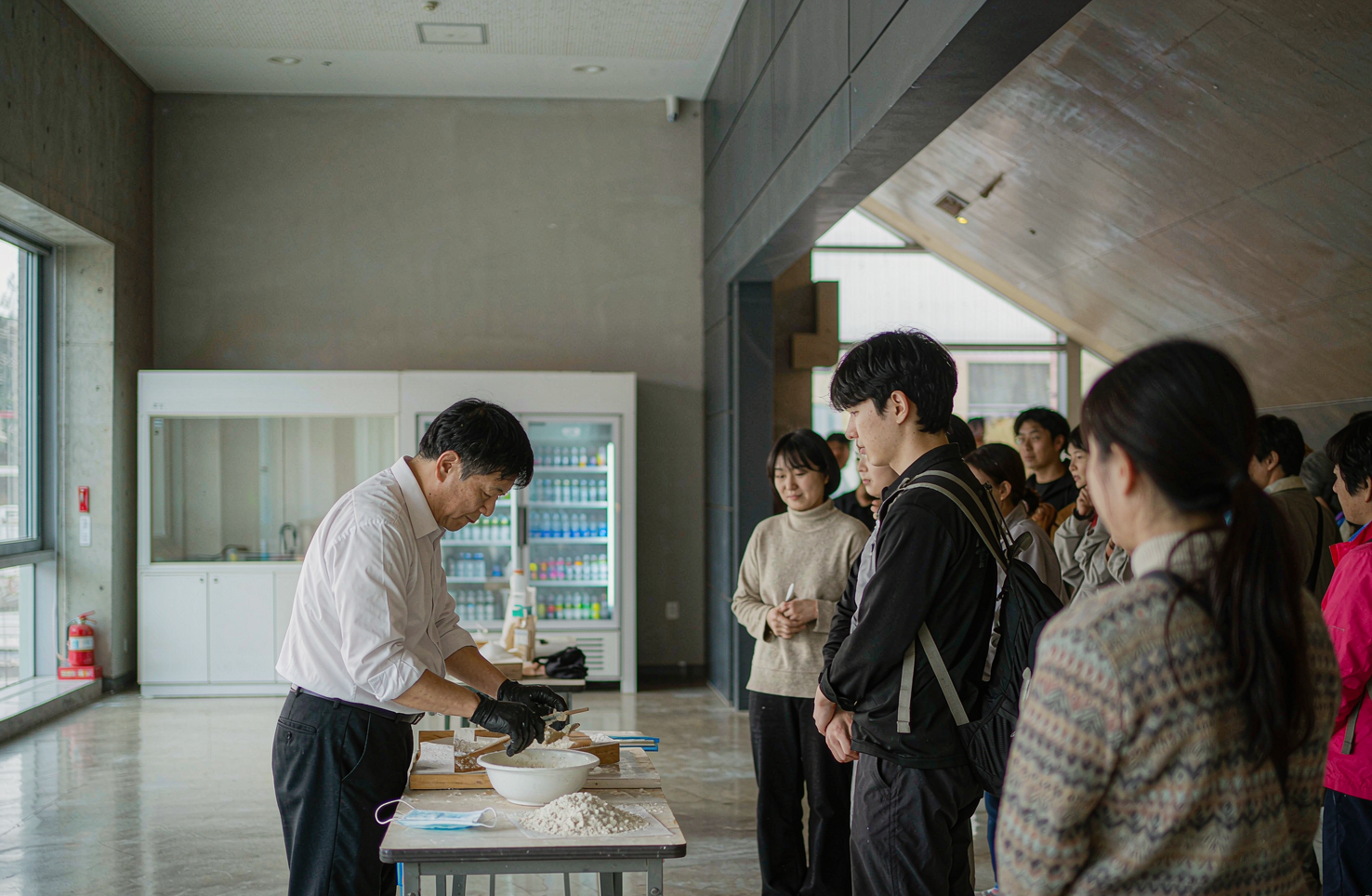
韩国的非遗保护:从"文化财"到活态传承
看世界怎么保护非遗,韩国常被提到,也常被简单化。它有一套自己的名词——"文化财""无形文化财""保有者"。关键在于,这套名词背后不只是一份名单,而是一整套"怎么把手艺交下去"的制度。
韵和鸣 · 2026/10/9 · 11 阅读
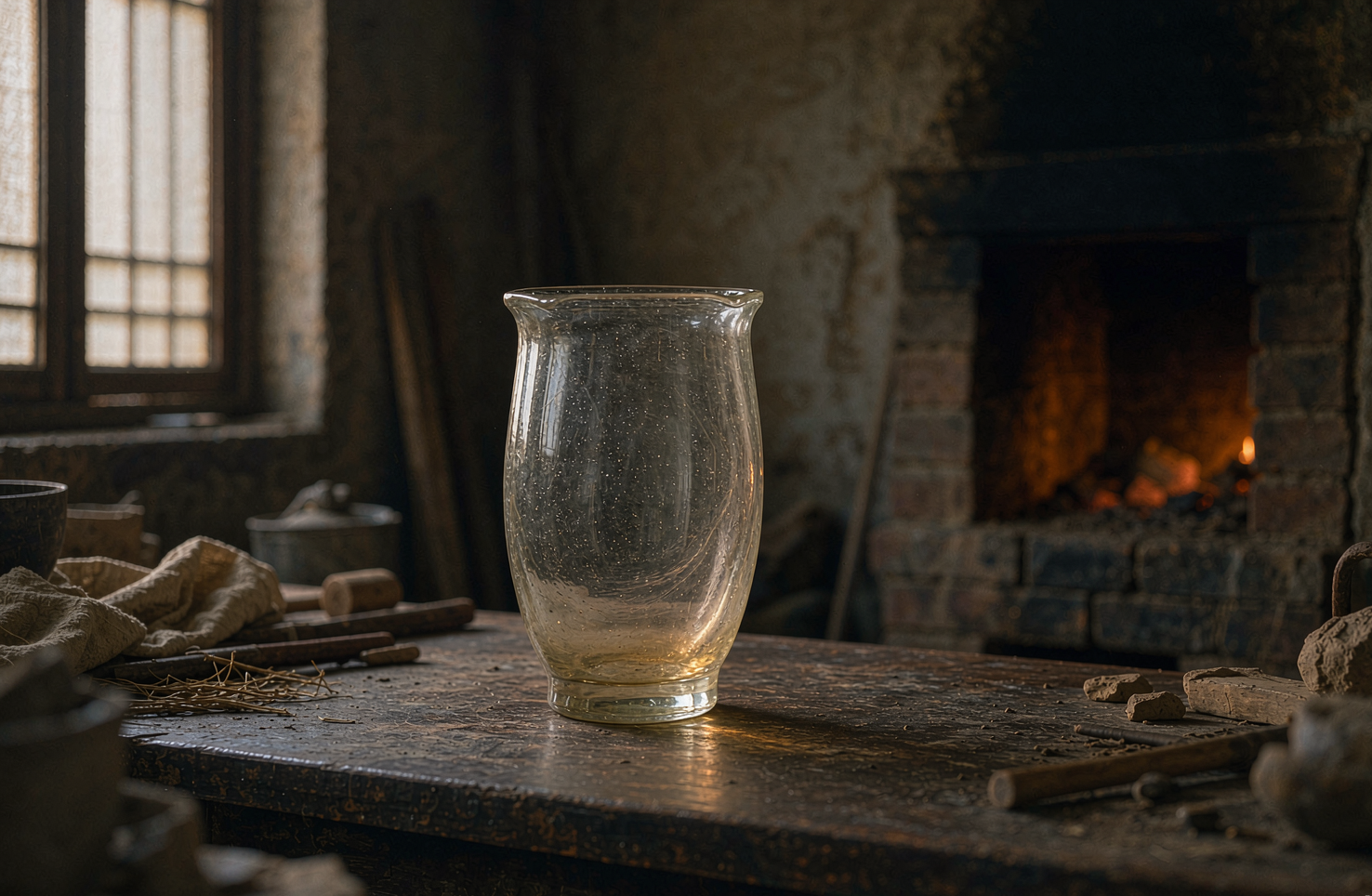
穆拉诺与博山:隔着七千公里的两座炉火之城
把两张地图并排放:一张是威尼斯潟湖里的穆拉诺岛,一张是山东淄博的博山。关键在于:这两座城都不是天生的手艺之城——一个被一纸政令推到一起,一个因矿石而聚——却都靠"聚"把炉火烧成了地名。
韵和鸣 · 2026/10/12 · 8 阅读
非遗出海,该迁就海外审美,还是坚持本来面目
几乎每一个想把器物卖到海外的人,都遇到过这道选择题:外国客人说,颜色能不能亮一点、尺寸能不能改一点、纹样能不能"国际化"一点。改,还是不改?这不是生意上的小计较,而是非遗出海绕不开的路线之争。说到底,这场争论的本质在于:改动的边界,由谁来划。
韵和鸣 · 2026/10/11 · 7 阅读