抢救一门濒危手艺,难在哪四件事
韵和鸣 · 韵和鸣公众号 · 2026/10/14 12:00:00 · 4 阅读
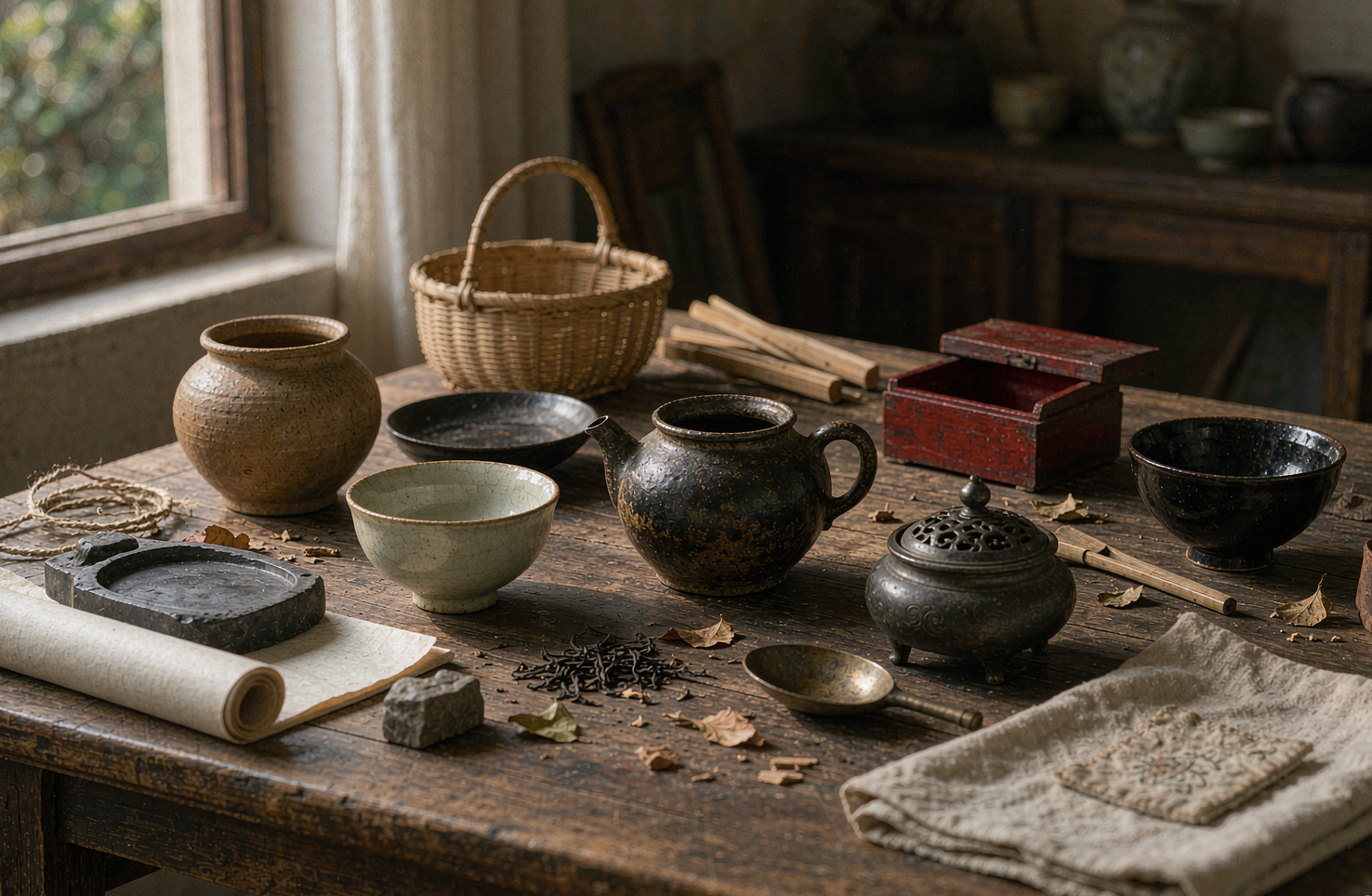
非遗名录里有一类项目,等不起慢工——传承人年事已高,徒弟寥寥,说法是"人走艺绝"。抢救性保护喊了很多年,落到实处难在哪?拆开看是四件事,一件比一件不光鲜。说到底,抢救的不只是档案,是一门手艺重新回到生活的机会。
▍难在记录:手感写不进文字
手艺的知识长在手上,不在纸上。一段绕线的角度、一次收刀的轻重,师傅说"就是这样",徒弟要摸三年才明白。所谓抢救性保护,指的是在项目濒危、传承乏人的情况下,以记录、建档、传习等方式先行保住根基的做法。它要把工序拍全、把口述录下、把工具量尽——但影像留得住动作,留不住分寸。趁人还在多录一遍,永远是抢救的头一条。
▍难在断代:学的人等不起
濒危手艺大多工序长、变现慢。年轻人不是不敬重老手艺,是敬重换不来安身立命——三年学徒期,同龄人已经换了三份工作。
山西省文化和旅游厅介绍,该省 2024 年针对急需保护的非遗项目启动"启明星计划"试点,率先制定急需保护非遗项目规划。(据山西省文化和旅游厅公开答复)
正是这类尝试,想把"学艺"从清苦的坚持,变成有出路的行当。
▍难在出路:救下来之后呢
比抢救更冷的问题是:记录完、建档完,然后呢?博物馆里的影像和柜子里的工具,救得下手艺的标本,救不下手艺的生活。真正的抢救要接到市场——有人买、有人用、有人订做,手艺才有继续做的理由。否则抢救只是体面的告别。
▍难在合力:一个人的抢救太慢
多数濒危项目的背后,是一两位老人在独自硬撑。抢救要快过时间,就得有人手:有人记录、有人传播、有人找销路、有人对接政策。这也正是"非遗经纪人"这类角色出现的原因——把手艺人不擅长的事接过来,让抢救从个人坚持变成一群人的分工。
▍问答
问 | 濒危手艺的抢救性记录,一般都记录些什么?
答 | 四类:完整工序的影像、传承人的口述历史、工具与成品的测绘存档、相关民俗语境的整理。核心原则是"趁人还在"——记录的质量,很大程度取决于师傅还能示范多久。这也是公益组织与文保部门把抢救性记录排在时间表最前面的原因。
问 | 韵和鸣为匠人具体做了哪些事?
答 | 用"非遗经纪人"的方式做事:帮匠人拍产品、拍视频,把手艺的过程认真记下来;替匠人对接渠道与出海的机会;长期做匠人访谈与实地寻访,把坚守与困境如实讲给更多人听。匠人安心做手艺,其余的事品牌来分担——团队大多数时间,都花在各地的老街深巷里。
📩 非遗项目 | 匠人举荐 | 跨境出海 | 线下联营
欢迎留言或后台联系,我们与匠人同行。
—— 韵和鸣 · 与匠人同行
〖 生 〗
English
Hard to Record: Feel Cannot Be Written Down
A craft's knowledge lives in the hand, not on paper. The angle of a winding thread, the weight of a closing cut—the master says "just like this," and the apprentice needs three years of touching to understand. Salvage protection refers to the practice of first securing the foundations of a critically endangered item through recording, archiving and teaching. It means filming the full process, recording the oral accounts, measuring every tool—yet film keeps the motion, not the measure. While the person is here, one more take is always rule number one of rescue.
Endangered crafts mostly mean long processes and slow money. The young do not lack reverence—they lack a livelihood for it: in a three-year apprenticeship, their peers have changed jobs thrice.
According to the Shanxi Provincial Department of Culture and Tourism, the province launched the "Qimingxing" pilot for urgently protected heritage items in 2024, the first in the country to draft a protection plan for such items. (Shanxi Provincial Department of Culture and Tourism)
It is attempts of this kind that seek to turn apprenticeship from bitter endurance into a trade with a future.
Hard to Place: And After It Is Saved?
Colder than rescue is the question after it: recorded, filed—and then what? Film in a museum and tools in a cabinet save the craft's specimen, not its life. Real rescue must connect to a market—people buying, using, commissioning—so the craft has a reason to continue. Otherwise salvage is only a dignified farewell.
Hard to Join Forces: One Person's Rescue Is Too Slow
Behind most endangered items stand one or two elders holding on alone. To outrun time, rescue needs hands: some to record, some to spread the word, some to open markets, some to reach policy. This is why roles like "the heritage agent" have emerged—taking over what the maker cannot manage, turning rescue from one person's endurance into a group's division of labor.
What does salvage recording of an endangered craft usually capture?
Four kinds: film of the complete process, the bearer's oral history, measured archives of tools and finished pieces, and the surrounding folk context. The core principle is "while the person is here"—the quality of a record depends heavily on how long the master can still demonstrate. It is why salvage recording sits at the very top of the timetable for public-interest groups and heritage departments alike.
What does YUNHEMING concretely do for artisans?
By working as "the heritage agent": filming products and process videos for the makers, recording the craft carefully; opening channels and export opportunities; running long-term interviews and field visits that tell makers' perseverance and hardship honestly to a wider audience. The artisan keeps the bench; the brand shoulders the rest—and most of the team's time is spent in old streets and deep alleys across the country.
ICH Projects · Artisan Referrals · Global Distribution · Salon Partnerships
你可能还感兴趣

山西一半,全国一半:一个品牌的地理观
做一个非遗品牌,很容易掉进一个舒服的陷阱:把家乡的手艺讲成一个地方故事,然后靠"特产"两个字活着。这条路不难走,但也走不远。
韵和鸣 · 2026/10/8 · 8 阅读

我们为什么坚持实地寻访
说到底,寻访不是内容选题,是品牌的地基。不去产地、不见匠人、不看现场,"严选"两个字就只剩修辞。这一期共生志,把坚持的理由讲清楚。
韵和鸣 · 2026/10/12 · 3 阅读
六大非遗矩阵,是怎么被凑到一起的
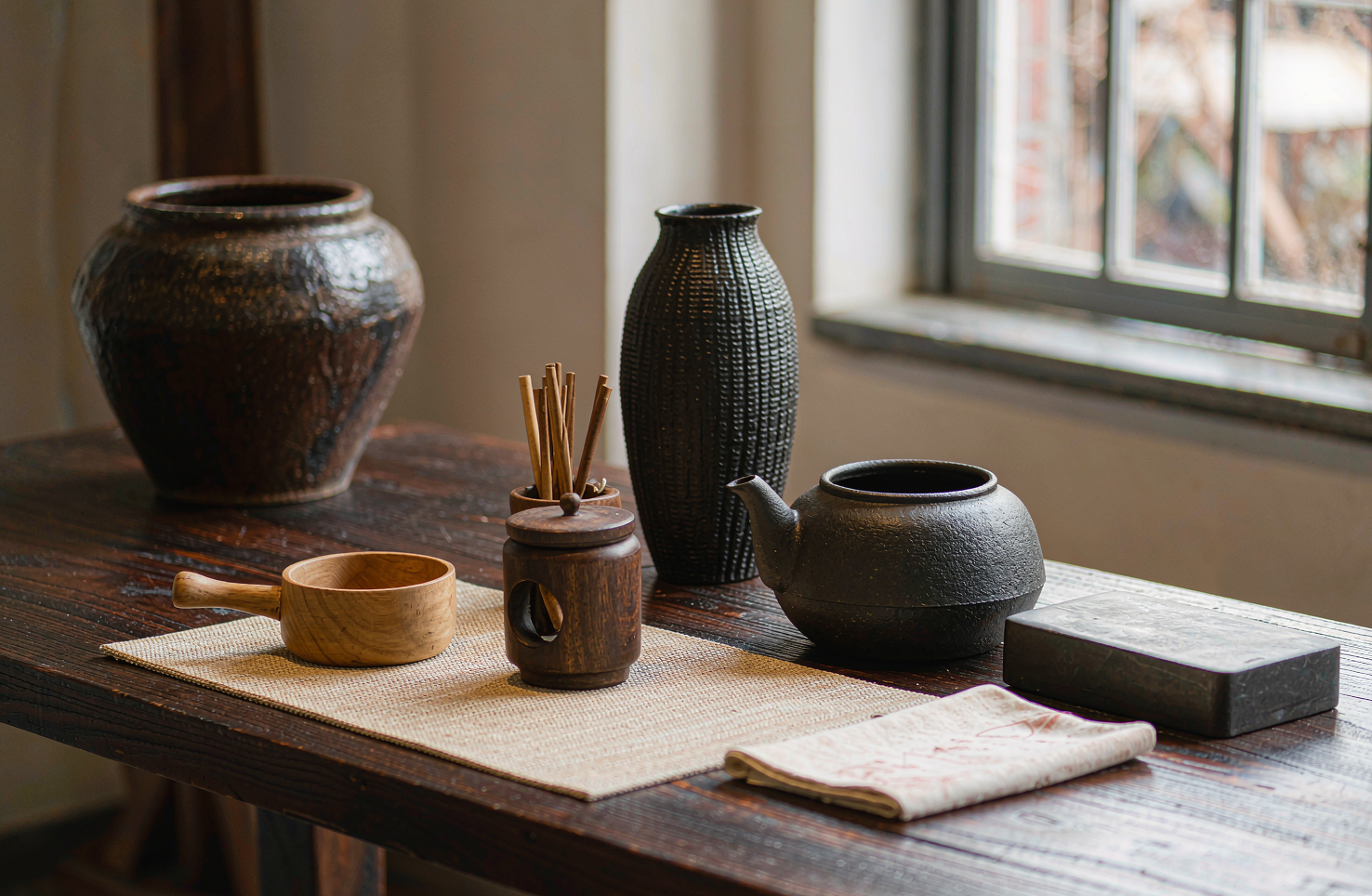
一个品牌摆出来的东西,会暴露它自己的标准。漆、竹、绣、银、锦、瓷——这六样来自不同地方、不同工艺的手作,被放在同一张桌上,靠的不是好看,说到底是一套谁都绕不过去的门槛。
韵和鸣 · 2026/10/10 · 3 阅读
一篇稿子,能为一位匠人做什么
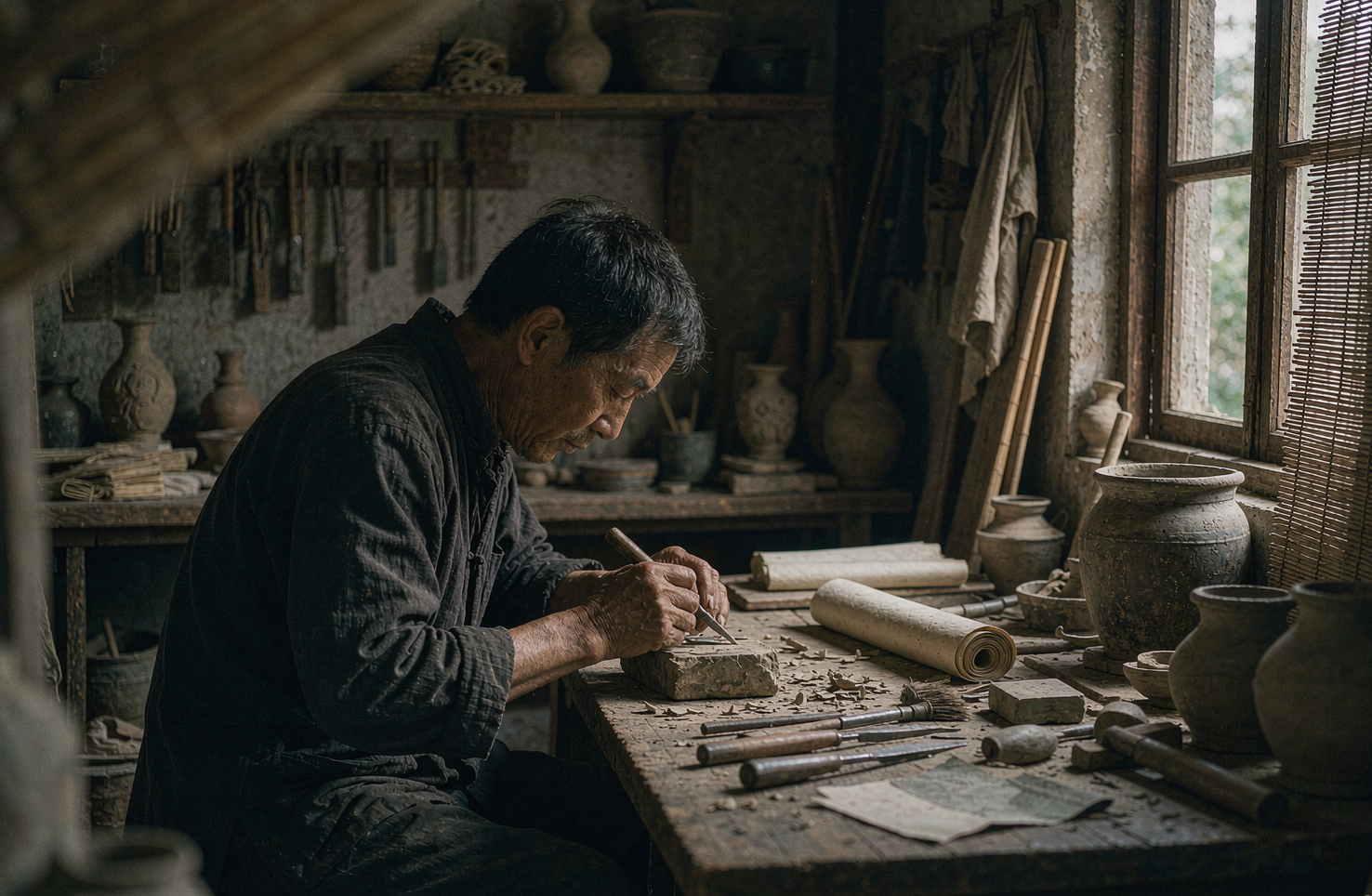
"内容赋能匠人"这六个字,写在我们主张里,一开始也只是六个字。直到有一次,一位做漆的老师傅跟我们说了句话:他最缺的不是订单,是"被说清楚"。
韵和鸣 · 2026/10/7 · 3 阅读

严选的标准,说到底是三条线
一件东西摆在面前,我们先问的不是价格,是三个问题——谁做的,在哪做的,用什么料做的。
韵和鸣 · 2026/10/4 · 3 阅读

从平遥漆坊到「韵和鸣」:十来年只做一件事
2015 年,品牌的前身平遥漆韵工坊创立,做的事很单一:平遥推光漆器髹饰技艺的复原。没有热闹的场面,就是对着老器物一遍遍试——七髹八磨,试到漆面能照见人。
韵和鸣 · 2026/10/2 · 2 阅读