我们为什么坚持实地寻访
韵和鸣 · 韵和鸣公众号 · 2026/10/12 12:00:00 · 4 阅读
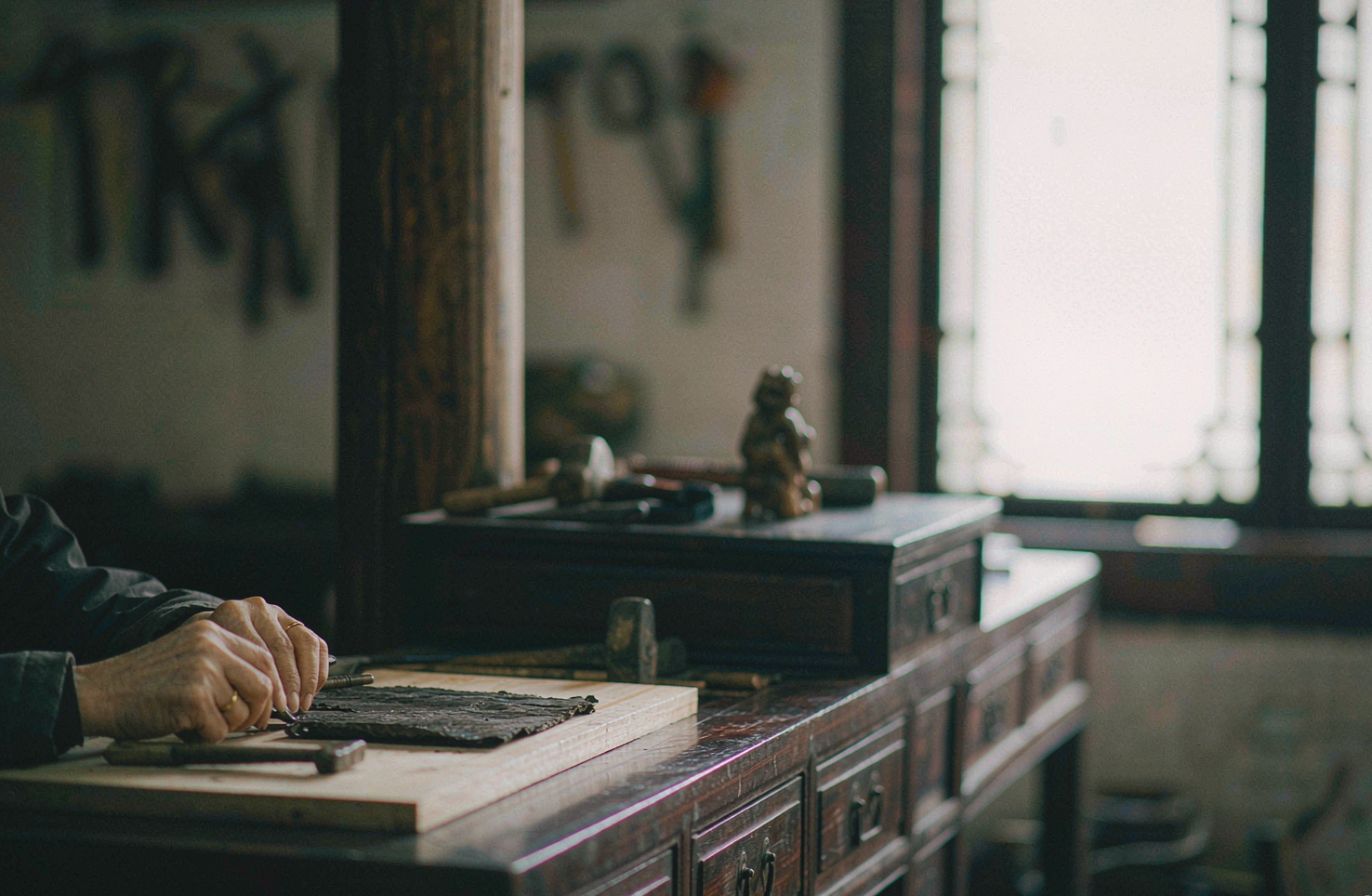
说到底,寻访不是内容选题,是品牌的地基。不去产地、不见匠人、不看现场,"严选"两个字就只剩修辞。这一期共生志,把坚持的理由讲清楚。
▍一个导航到不了的岔口
去年深秋进山,去看一位做漆的老师。导航在最后一个岔口失效了,山里的信号一格一格地掉。我们下车问路,晒场上摊着玉米,一位大娘朝沟里指了指。老师从院子里出来迎我们,手上的漆灰还没洗——那是比任何名片都可靠的介绍。
▍寻访是严选的底气
判断一件器物是不是手工真作,靠的不是证书复印件,是现场。所谓实地寻访,指的是走进匠人的工坊与产地,亲眼核对器物的来历与工序。阴干房洒了水没有,漆灰刮了几道,推光的手掌有没有茧——这些细节写不进参数页,却骗不了到过现场的人。严选的底气,是一次次现场攒下来的。
大漆是漆树割皮后流出的天然树脂,以之髹器的技艺在平遥传承已久;2006 年,平遥推光漆器髹饰技艺列入国家级非物质文化遗产名录。(山西省晋中市平遥县)
▍寻访是联名的前提
联名不是签个名字。分几成、谁署名、图样听谁的,这些条款坐在谈判桌前也能谈;但信任谈不出来。只有一起吃过一顿工坊里的饭,看过对方怎么对待一件做废的器物,才知道这个名值不值得联名。匠人的名字押上去之前,先得让品牌的人走进那扇门。
▍寻访是经纪人的功课
韵和鸣把自己定位成"非遗经纪人"。经纪人的本事,一半在替匠人算账、找渠道,另一半在听——带徒弟顺不顺、料钱涨没涨、下一代接不接手,这些坐在城里的办公室里听不见。得坐到工坊那条被漆灰染旧的长凳上,听人把话说完。
寻访记与匠人说这两个栏目,是这些功课的副产品。它们先于交易存在,也大过任何一单交易。
▍说在最后
与匠人同行,先要走到他身边。路远、信号断、岔口多——都是这门功课本来就有的难度。
▍问答
问 | 为什么强调"实地寻访"?不看现场也能分辨手作真假吗?
答 | 很难只凭图文分辨。手工的判断依据多在现场:阴干房的温湿度、漆灰的层数、匠人手掌的茧——这些是证书给不了的证据。寻访就是去把这些证据亲眼核一遍,严选的名单才立得住。
问 | 韵和鸣的团队平时都在做什么?
答 | 是一支年轻的队伍,大部分时间泡在全国各地的老街深巷里拜访匠人。后方有数据分析、设计、算力服务中心、客服、物流等部门做支撑;公司在新加坡和德国也设有团队——寻访在前方,履约在后方,两头都不能少。
📩 非遗项目 | 匠人举荐 | 跨境出海 | 线下联营
欢迎留言或后台联系,我们与匠人同行。
—— 韵和鸣 · 与匠人同行
〖 生 〗
English
Last late autumn we drove into the hills to see a lacquer master. The navigation died at the final fork, signal draining bar by bar. We got out to ask; corn lay drying on the threshing ground, and an auntie pointed down the gully. The master came out to meet us, lacquer putty still on his hands—the most reliable introduction there is.
Whether a piece is true handcraft is judged not by photocopied certificates but on-site. By field visit we mean walking into the artisan's workshop and place of origin, and checking the object's provenance and processes with one's own eyes. Whether water has been sprinkled in the drying room, how many coats of putty were laid, whether the polishing palm carries a callus—such details never fit a spec sheet, yet they cannot fool anyone who has stood in the workshop. The confidence of curation is saved up visit by visit.
Raw lacquer is the natural sap that runs from a cut lacquer tree, and the craft of coating with it has long been kept alive in Pingyao; in 2006 the Pingyao polished lacquerware decoration technique was inscribed on the national intangible cultural heritage list. (Pingyao County, Jinzhong, Shanxi Province)
A co-signing is more than a signature. Revenue shares, whose name goes first, who yields on a pattern—these can be negotiated across a table. Trust cannot. Only after sharing a workshop meal and watching how a man treats a ruined piece do you know whether the name is worth co-signing. Before an artisan puts his name on the line, the brand's people must first walk through his door.
YUNHEMING positions itself as a heritage agent. Half of an agent's work is bookkeeping and channels for the artisan; the other half is listening—whether the apprentices are staying, whether material costs have climbed, whether the next generation will take over. None of it reaches a city office. You have to sit on that putty-stained bench in the workshop and let people finish their sentences.
The "Field Notes" and "Artisan Voices" columns are by-products of this homework. They existed before any transaction, and they matter more than any single deal.
To walk with artisans, you must first walk to them. Long roads, dead signals, unmarked forks—the difficulty is part of the assignment.
Why the stress on field visits? Can't authenticity be judged without them?
It is hard to judge from pictures alone. The evidence of the hand mostly lives on-site: the drying room's climate, the number of putty coats, the callus on a palm—none of which a certificate can supply. A field visit is how that evidence gets checked in person, and only then does the selection list stand.
What does the YUNHEMING team actually do?
A young team, most of whose hours are spent in the old lanes and alleys of the country, visiting artisans. Behind them stand data, design, computing-service, customer-care and logistics departments; the company also keeps teams in Singapore and Germany—visiting at the front, fulfillment at the back, and neither can be spared.
ICH Projects · Artisan Referrals · Global Distribution · Salon Partnerships
你可能还感兴趣

山西一半,全国一半:一个品牌的地理观
做一个非遗品牌,很容易掉进一个舒服的陷阱:把家乡的手艺讲成一个地方故事,然后靠"特产"两个字活着。这条路不难走,但也走不远。
韵和鸣 · 2026/10/8 · 8 阅读
抢救一门濒危手艺,难在哪四件事
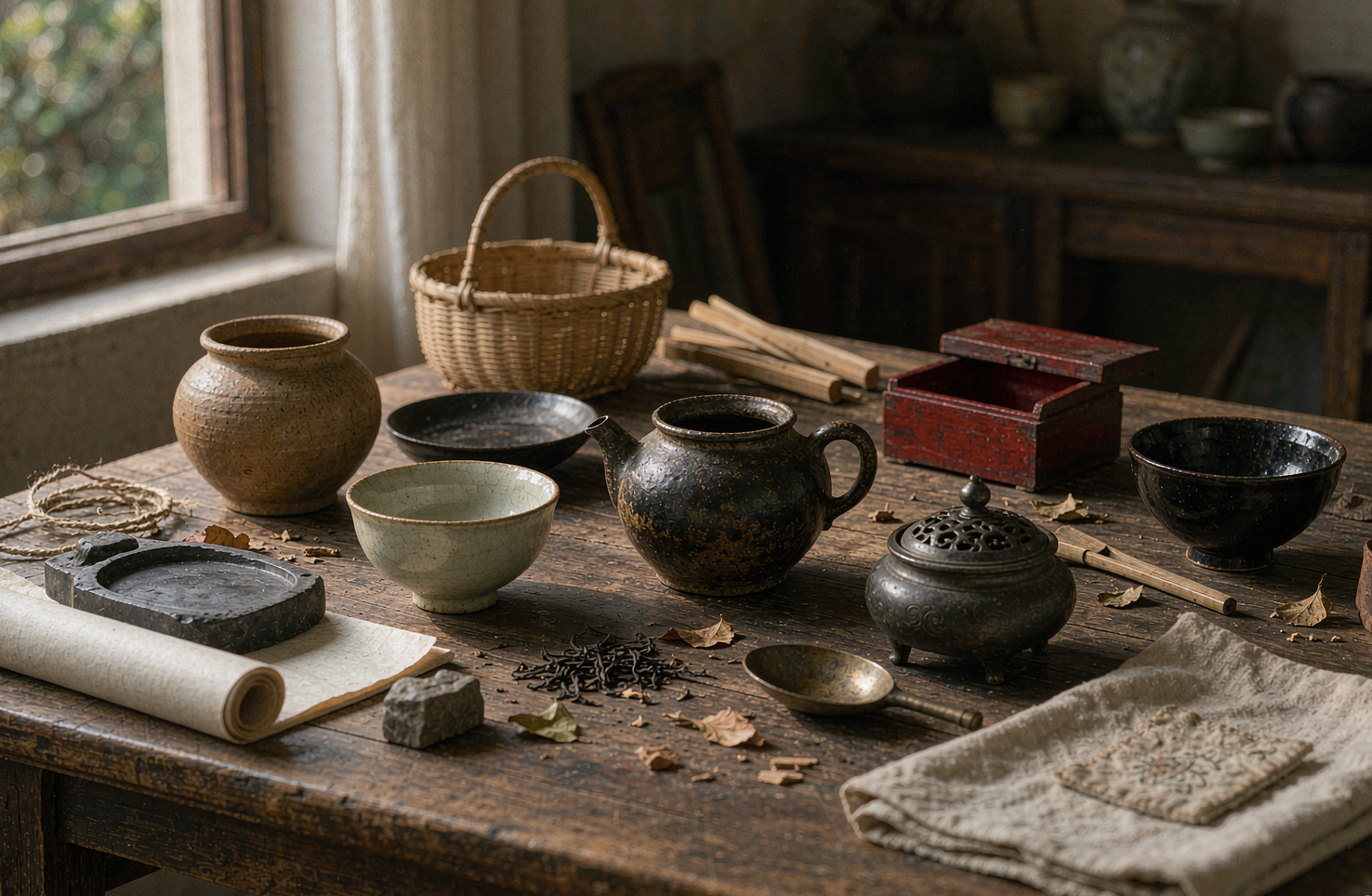
非遗名录里有一类项目,等不起慢工——传承人年事已高,徒弟寥寥,说法是"人走艺绝"。抢救性保护喊了很多年,落到实处难在哪?拆开看是四件事,一件比一件不光鲜。说到底,抢救的不只是档案,是一门手艺重新回到生活的机会。
韵和鸣 · 2026/10/14 · 4 阅读
一篇稿子,能为一位匠人做什么
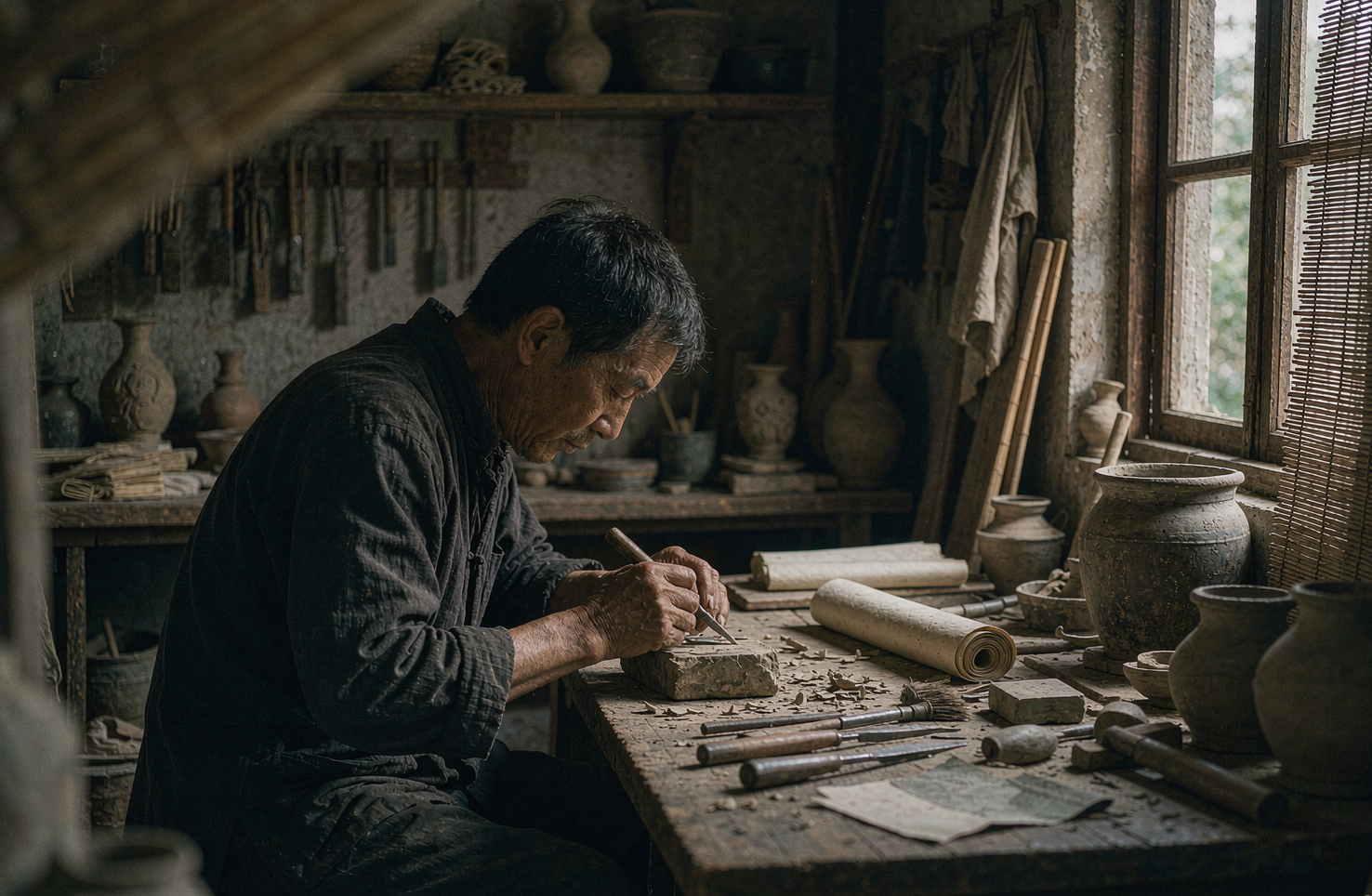
"内容赋能匠人"这六个字,写在我们主张里,一开始也只是六个字。直到有一次,一位做漆的老师傅跟我们说了句话:他最缺的不是订单,是"被说清楚"。
韵和鸣 · 2026/10/7 · 4 阅读
六大非遗矩阵,是怎么被凑到一起的
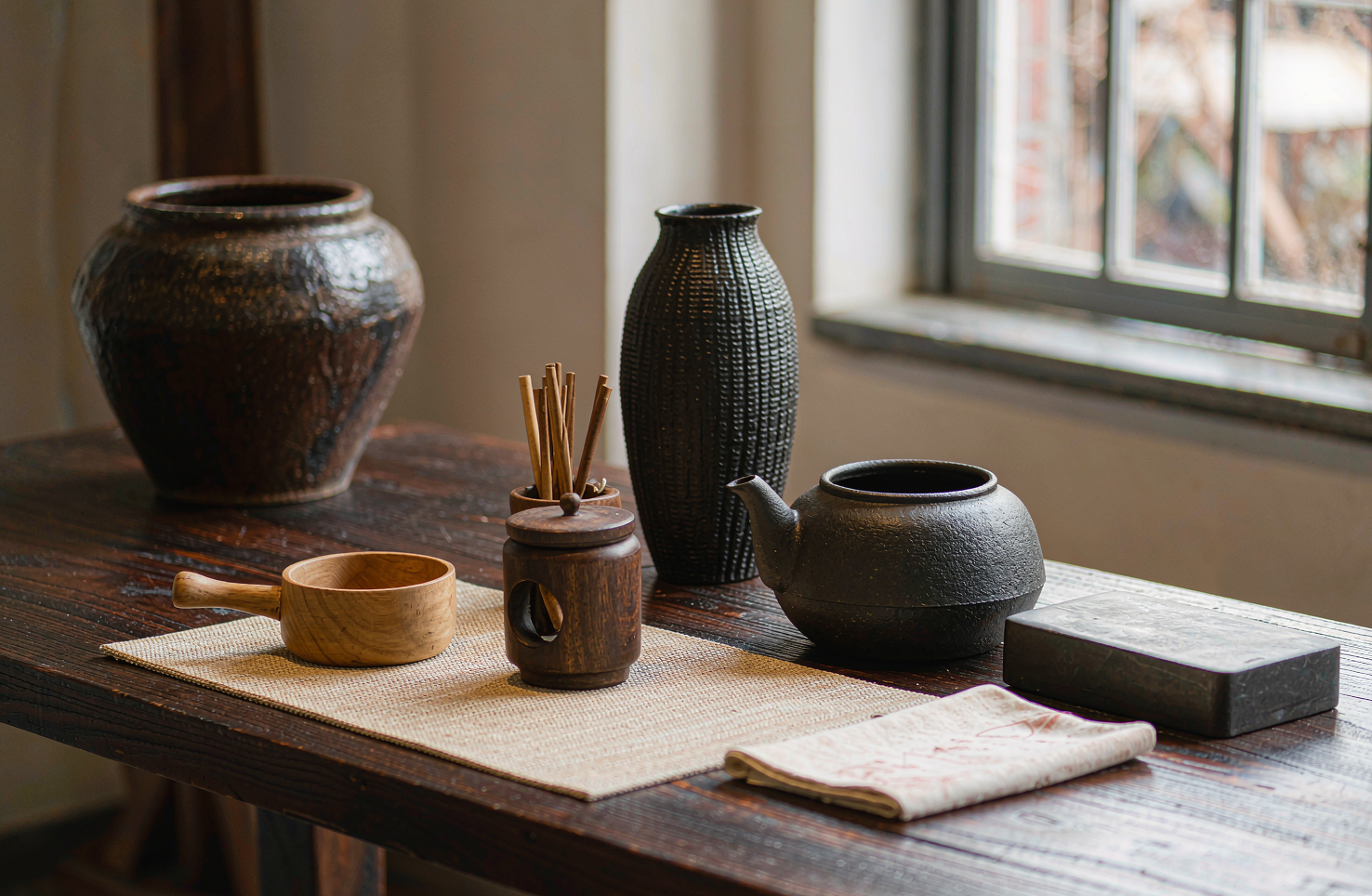
一个品牌摆出来的东西,会暴露它自己的标准。漆、竹、绣、银、锦、瓷——这六样来自不同地方、不同工艺的手作,被放在同一张桌上,靠的不是好看,说到底是一套谁都绕不过去的门槛。
韵和鸣 · 2026/10/10 · 3 阅读
严选的标准,说到底是三条线
一件东西摆在面前,我们先问的不是价格,是三个问题——谁做的,在哪做的,用什么料做的。
韵和鸣 · 2026/10/4 · 3 阅读
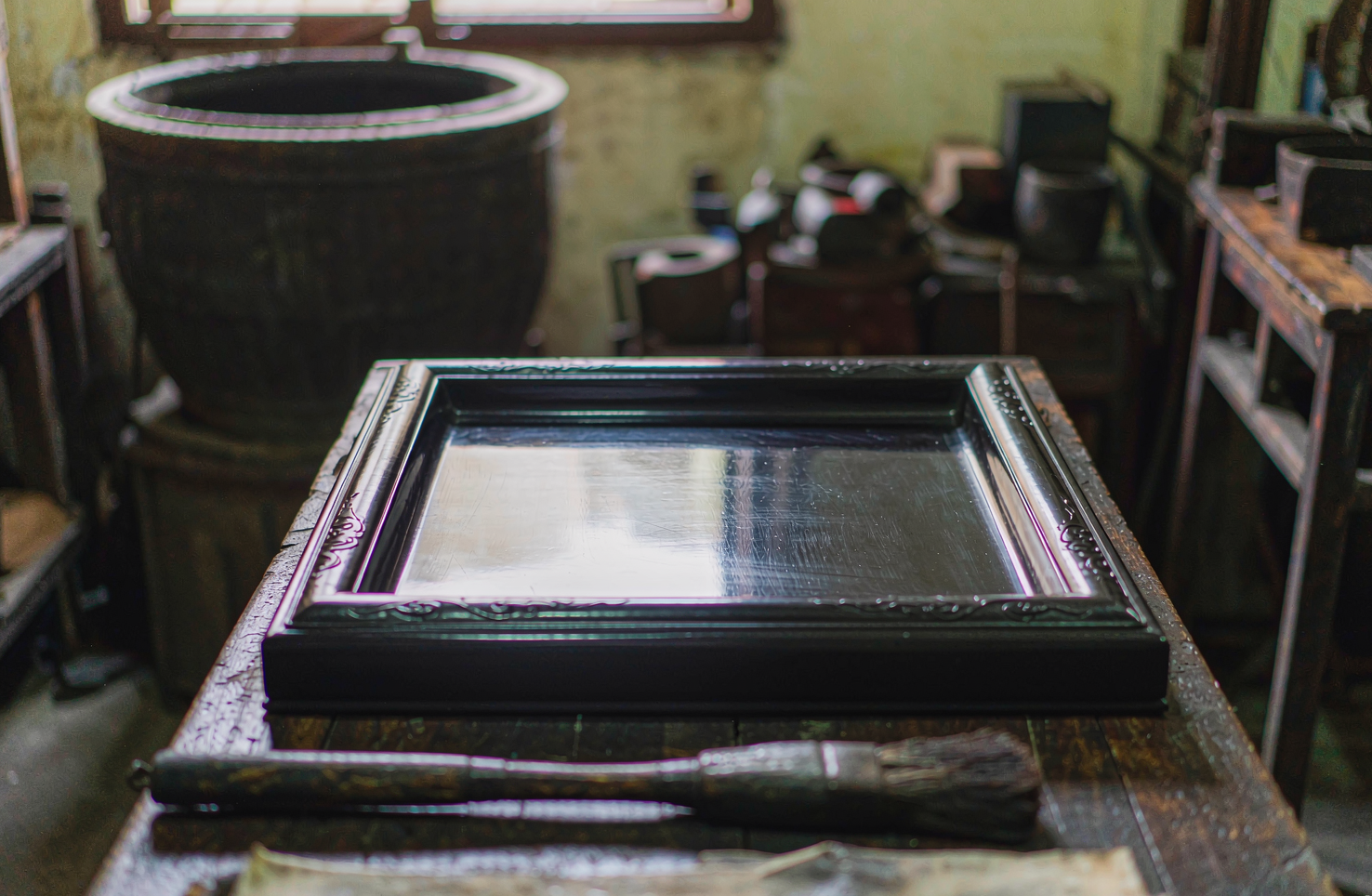
从平遥漆坊到「韵和鸣」:十来年只做一件事
2015 年,品牌的前身平遥漆韵工坊创立,做的事很单一:平遥推光漆器髹饰技艺的复原。没有热闹的场面,就是对着老器物一遍遍试——七髹八磨,试到漆面能照见人。
韵和鸣 · 2026/10/2 · 2 阅读