山西一半,全国一半:一个品牌的地理观
韵和鸣 · 韵和鸣公众号 · 2026/10/8 12:00:00 · 9 阅读

做一个非遗品牌,很容易掉进一个舒服的陷阱:把家乡的手艺讲成一个地方故事,然后靠"特产"两个字活着。这条路不难走,但也走不远。
▍一间屋子里的两张地图
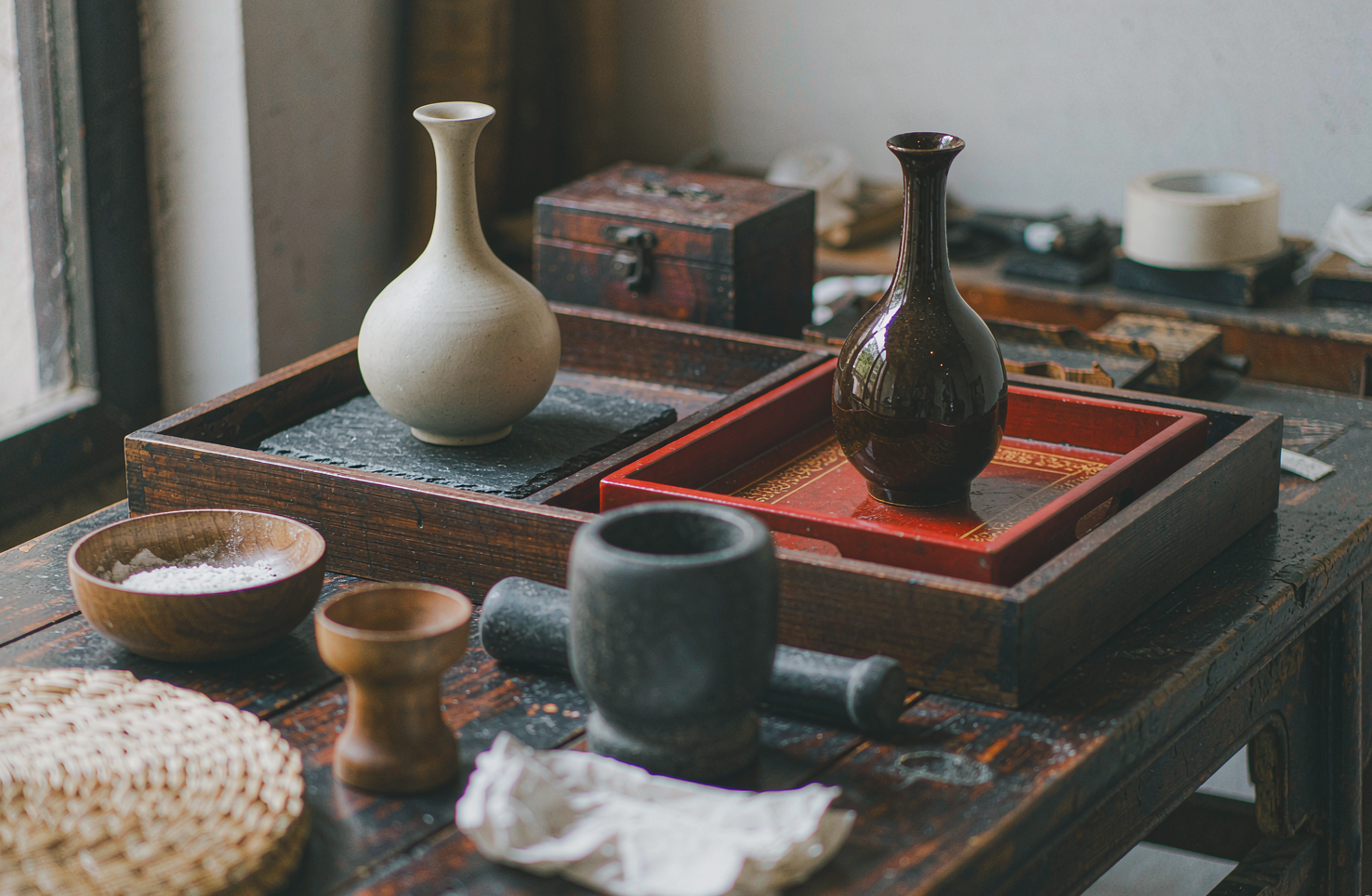
韵和鸣线下的「非遗会客厅」,陈列上有一条明确的原则:山西一半,全国一半。一半留给山西本土非遗,一半留给全国其他地方的精品非遗。
这个摆法的用意,不只是好看。客人走进来,一眼就能明白这里卖的不是某地特产,而是一个把各地手艺放到同一张桌上的选择。会客厅要做的也不只是展示——可观赏、可品鉴、可体验、可购买、可交流,五件事都在同一间屋子里发生。
▍根必须扎在一个地方
但"全国一半"不等于没有根。韵和鸣的根很具体:国家级非遗平遥推光漆器髹饰技艺,山西平遥。
所谓"根",说的就是这样一件能写清来历的事:平遥推光漆器髹饰技艺的出处记在山西省晋中市平遥县,2006 年录入国家级非物质文化遗产名录。
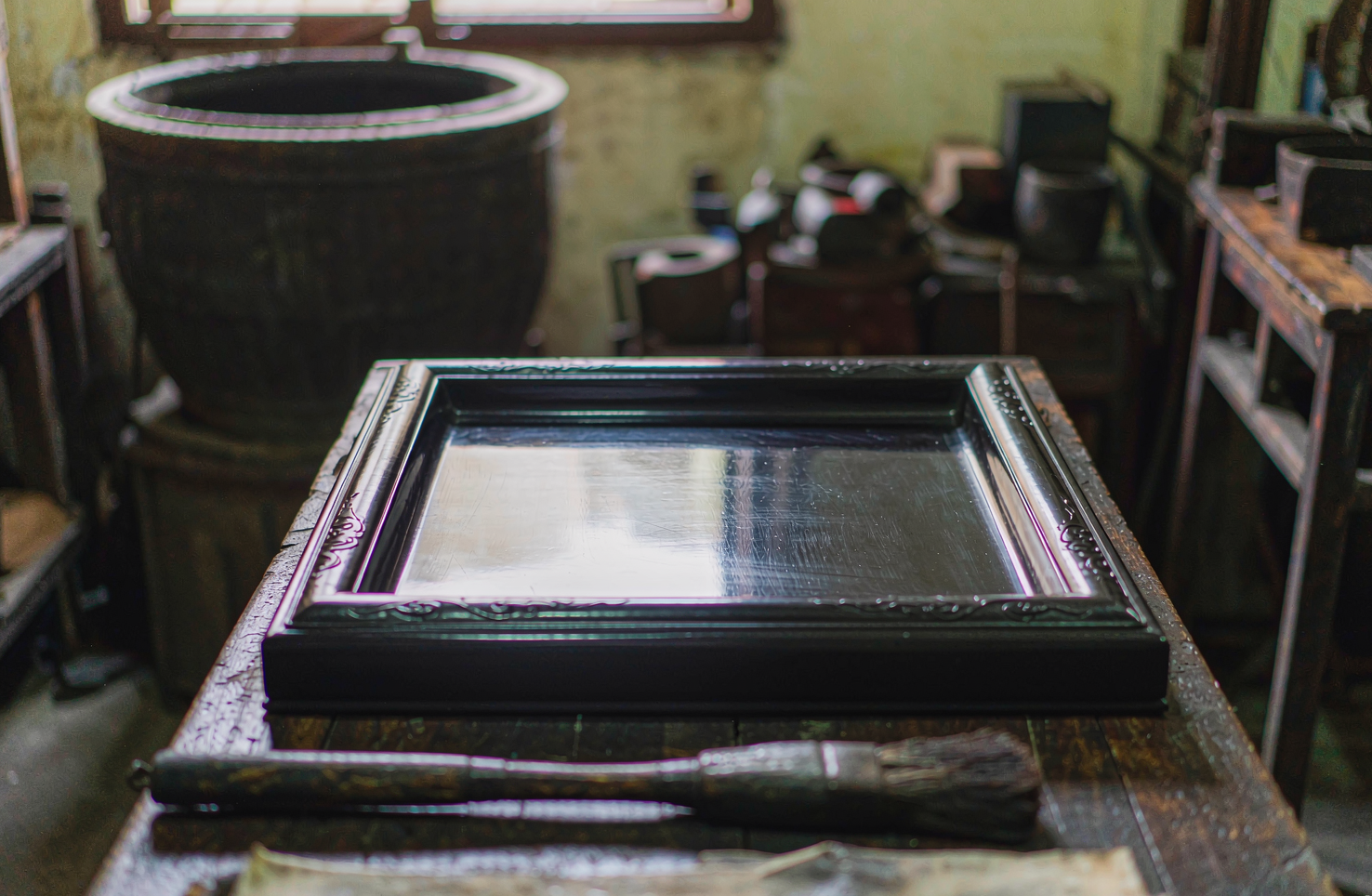
有根的树才长得高。漆艺给了这个品牌一套手上有数的标准——什么叫髹涂,什么叫阴干,什么叫推光推到手心发热。拿这套标准去看竹编、刺绣、银饰、织锦、瓷器,才知道哪些是真作,哪些只是长得像。
反过来说,一个没有根的"全国拼盘",就只是货架。区别在于:货架上摆的是商品,会客厅里摆的是判断。
▍把地方带出地方
这条地理观还有向外的一层。品牌整合的是"漆、竹、绣、银、锦、瓷"六大非遗矩阵,做的是把各地真作带出地方、带向全球的事——出口欧美、日韩、新加坡等市场。
对做手艺的人来说,"被带到更远的地方"这件事有很实际的意义:一件器物的销路一旦不只依赖本地游客,匠人手里的活才有可能排到下一年。
一个品牌的格局,往往不体现在它的口号上,而体现在它的"进货单"上——它愿意为哪些地方的手艺腾出位置。
▍问答
问 | 韵和鸣是山西的品牌吗?还是全国性的?
答 | 都不完全对。公司的根在山西平遥,起家技艺是国家级非遗平遥推光漆器髹饰技艺;但它做的是全国范围的非遗手工品矩阵,会客厅的陈列原则也是"山西一半,全国一半"。
问 | 韵和鸣只有漆器吗?还有什么品类?
答 | 不只是漆器。品牌以漆艺起家,如今整合"漆、竹、绣、银、锦、瓷"六大非遗品类,覆盖家居、配饰、礼品等场景。品类可以很宽,标准只有一条:必须是真正的非遗手工品。
问 | 为什么一家非遗店要同时卖那么多品类?
答 | 因为单品类的非遗店,客人往往逛一次就够;而把不同手艺放在一起,既能互相衬托,也让读者和用户在不同品类之间反复回来。这不是把货铺开,是把判断力放在一个空间里让人检验。
📩 非遗项目 | 匠人举荐 | 跨境出海 | 线下联营
欢迎留言或后台联系,我们与匠人同行。
—— 韵和鸣 · 与匠人同行
〖 生 〗
English
In YUNHEMING's offline ICH Salon, the display follows one clear principle: half Shanxi, half the country. Half the space for Shanxi's own heritage crafts, half for fine crafts from elsewhere in China.
The point is not merely appearance. A visitor can tell at a glance that what is offered here is not a regional specialty but a choice that places crafts from many places at one table. And the Salon is more than a display: things to look at, to taste, to try, to buy, and to talk about—all five in one room.
But "half the country" does not mean rootless. YUNHEMING's root is specific: the national-level ICH craft of Pingyao polished lacquerware, in Pingyao, Shanxi.
A root means exactly this: something whose origins can be stated. The Pingyao polished lacquerware technique is recorded as belonging to Pingyao County, Jinzhong City, Shanxi Province, and was entered on the national ICH list in 2006.
A tree with roots grows tall. Lacquer work gave the brand a set of standards it can hold in its hands: what coating means, what drying means, what hand-polishing until the palm warms means. Apply those standards to bamboo weaving, embroidery, silverwork, brocade and porcelain, and you can tell authentic work from work that merely looks like it.
Conversely, a rootless "national assortment" is just shelving. The difference: a shelf holds goods; a Salon holds judgment.
The geography has an outward layer too. The brand gathers six ICH families—lacquer, bamboo, embroidery, silver, brocade and porcelain—and its work is to carry authentic pieces beyond their hometowns and into global markets: Europe, the Americas, Japan, Korea, Singapore and beyond.
For craftspeople, being carried farther away has a practical meaning: once sales no longer depend on local tourists alone, the work in a master's hands can be booked into next year.
A brand's scale rarely shows in its slogans; it shows in its sourcing list—which places' crafts it is willing to make room for.
Is YUNHEMING a Shanxi brand or a nationwide one?
Neither exactly. Its root is in Pingyao, Shanxi, where the national-level craft of Pingyao polished lacquerware began; but its work covers authentic heritage crafts from across China, and its Salon follows a "half Shanxi, half the country" display principle.
Is YUNHEMING only about lacquerware?
Not only lacquerware. Starting from lacquer, the brand now gathers six ICH families—lacquer, bamboo, embroidery, silver, brocade and porcelain—across home, accessory and gift uses. The range may be wide, but the standard is one: it must be genuine handcraft.
Why would one heritage store carry so many categories at once?
Because a single-craft store is often enough for one visit, while placing different crafts together lets them set each other off—and brings visitors back across categories. It is not spreading goods out; it is putting judgment in one room to be tested.
ICH Projects · Artisan Referrals · Global Distribution · Salon Partnerships
你可能还感兴趣
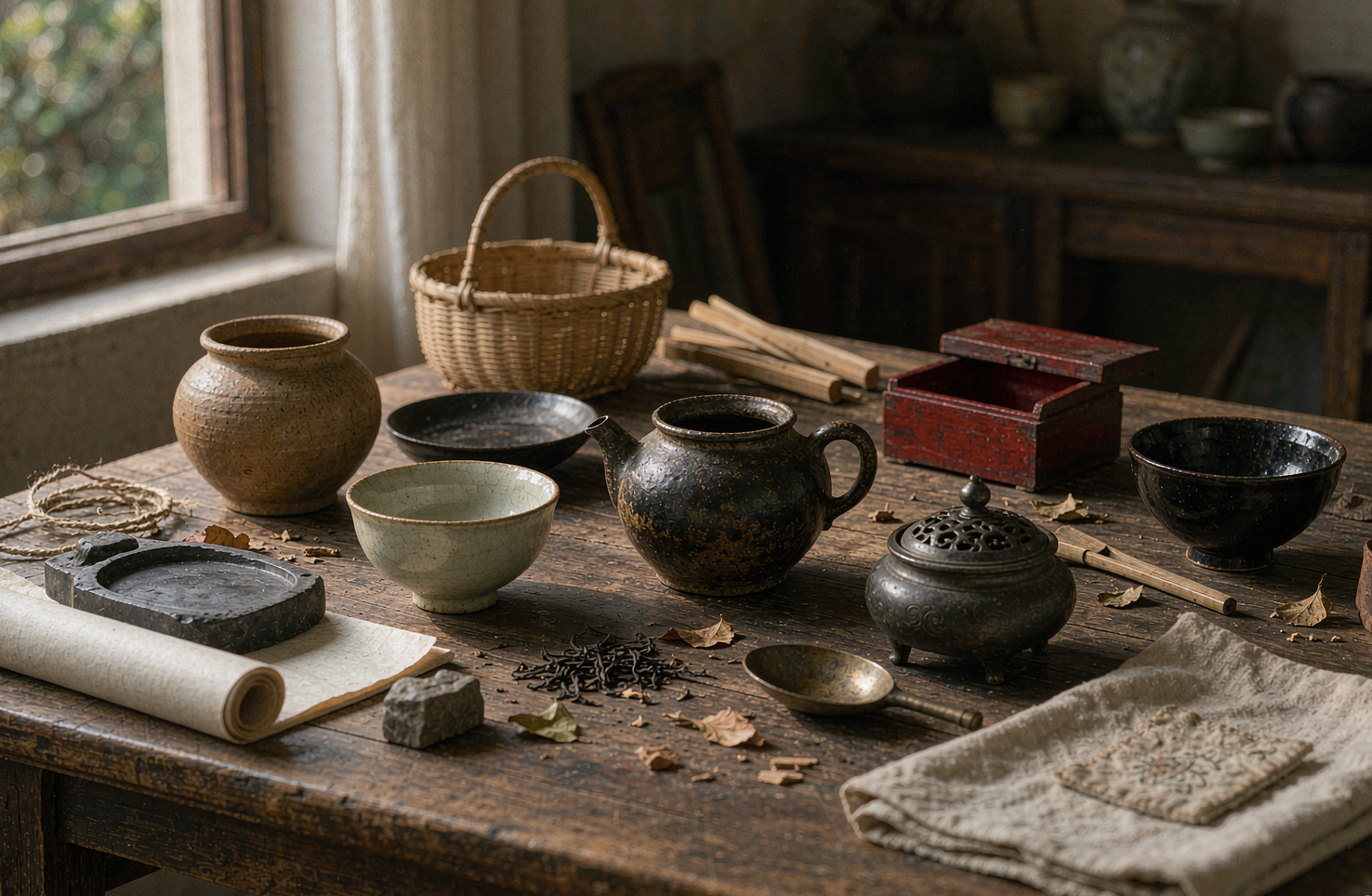
抢救一门濒危手艺,难在哪四件事
非遗名录里有一类项目,等不起慢工——传承人年事已高,徒弟寥寥,说法是"人走艺绝"。抢救性保护喊了很多年,落到实处难在哪?拆开看是四件事,一件比一件不光鲜。说到底,抢救的不只是档案,是一门手艺重新回到生活的机会。
韵和鸣 · 2026/10/14 · 4 阅读
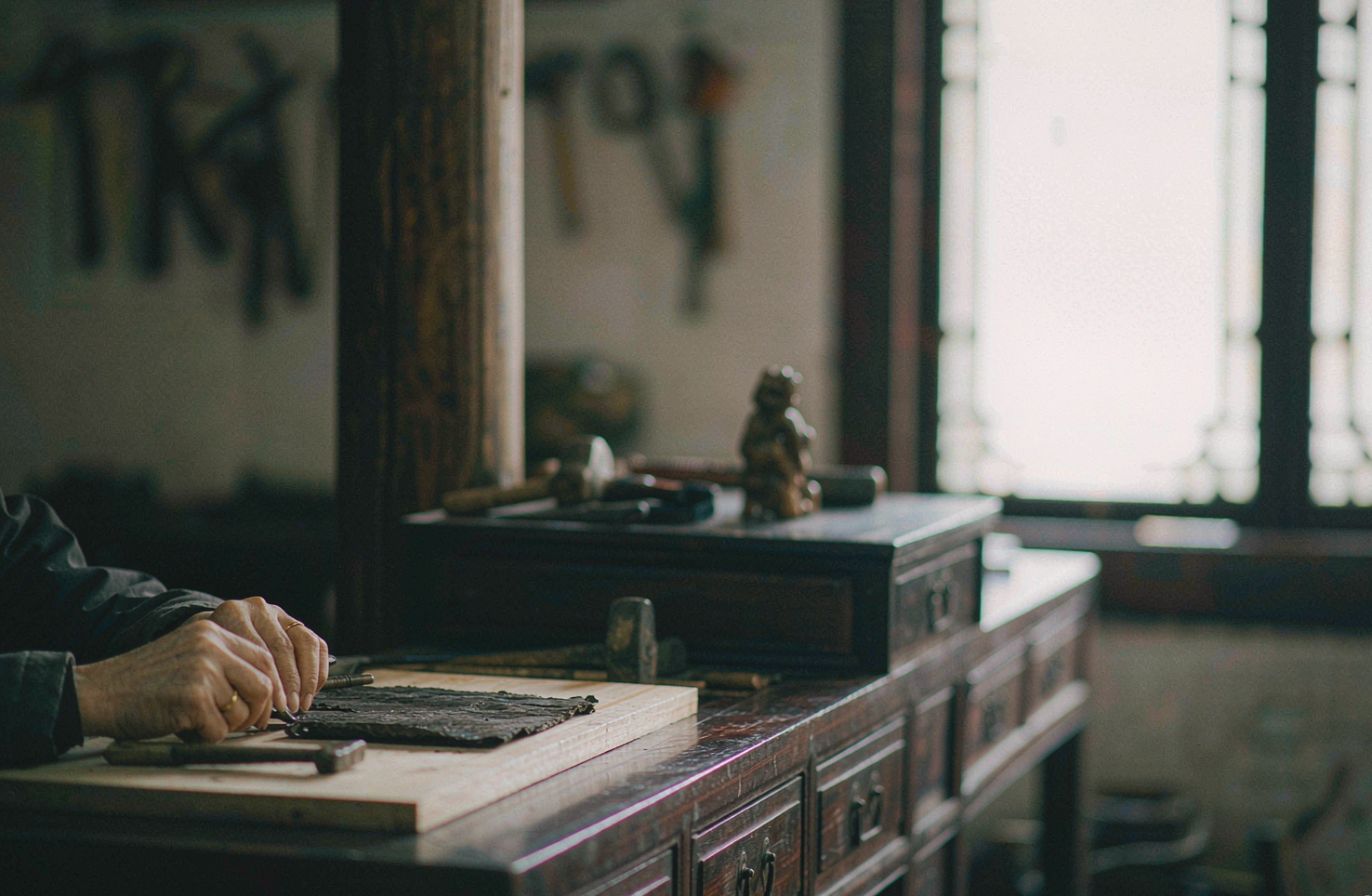
我们为什么坚持实地寻访
说到底,寻访不是内容选题,是品牌的地基。不去产地、不见匠人、不看现场,"严选"两个字就只剩修辞。这一期共生志,把坚持的理由讲清楚。
韵和鸣 · 2026/10/12 · 4 阅读
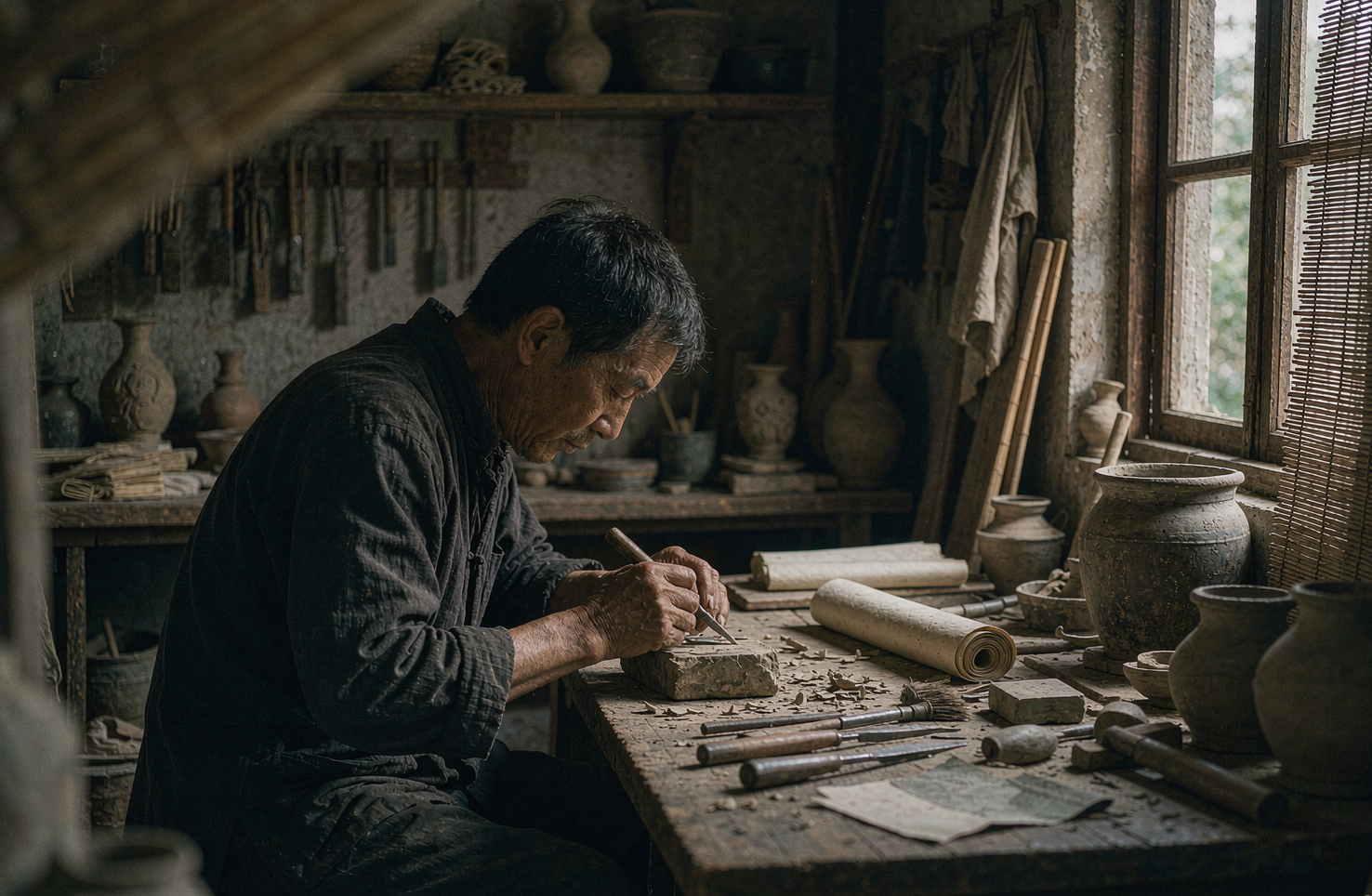
一篇稿子,能为一位匠人做什么
"内容赋能匠人"这六个字,写在我们主张里,一开始也只是六个字。直到有一次,一位做漆的老师傅跟我们说了句话:他最缺的不是订单,是"被说清楚"。
韵和鸣 · 2026/10/7 · 4 阅读
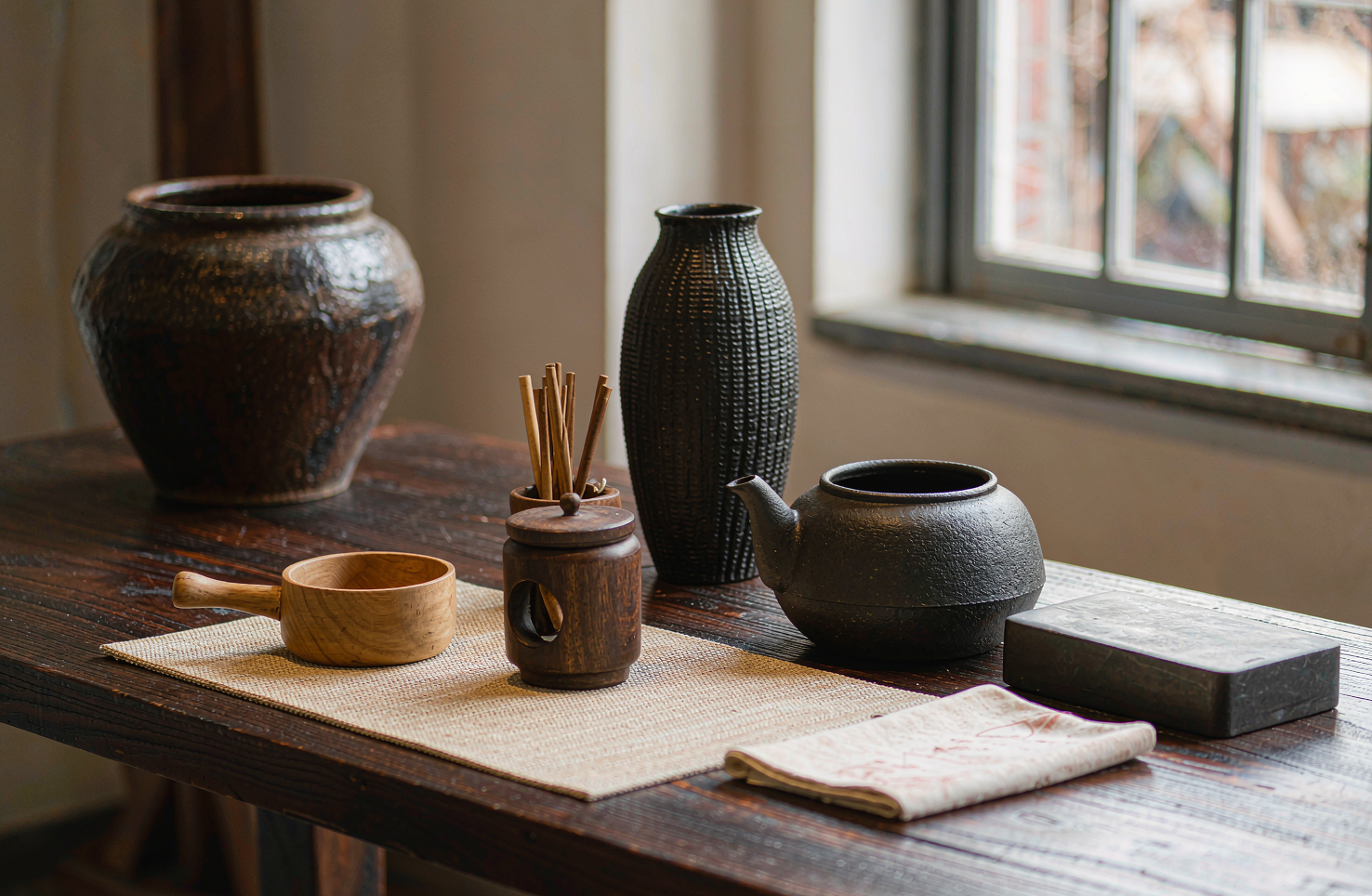
六大非遗矩阵,是怎么被凑到一起的
一个品牌摆出来的东西,会暴露它自己的标准。漆、竹、绣、银、锦、瓷——这六样来自不同地方、不同工艺的手作,被放在同一张桌上,靠的不是好看,说到底是一套谁都绕不过去的门槛。
韵和鸣 · 2026/10/10 · 3 阅读
严选的标准,说到底是三条线
一件东西摆在面前,我们先问的不是价格,是三个问题——谁做的,在哪做的,用什么料做的。
韵和鸣 · 2026/10/4 · 3 阅读
从平遥漆坊到「韵和鸣」:十来年只做一件事
2015 年,品牌的前身平遥漆韵工坊创立,做的事很单一:平遥推光漆器髹饰技艺的复原。没有热闹的场面,就是对着老器物一遍遍试——七髹八磨,试到漆面能照见人。
韵和鸣 · 2026/10/2 · 2 阅读