六大非遗矩阵,是怎么被凑到一起的
韵和鸣 · 韵和鸣公众号 · 2026/10/10 12:00:00 · 3 阅读
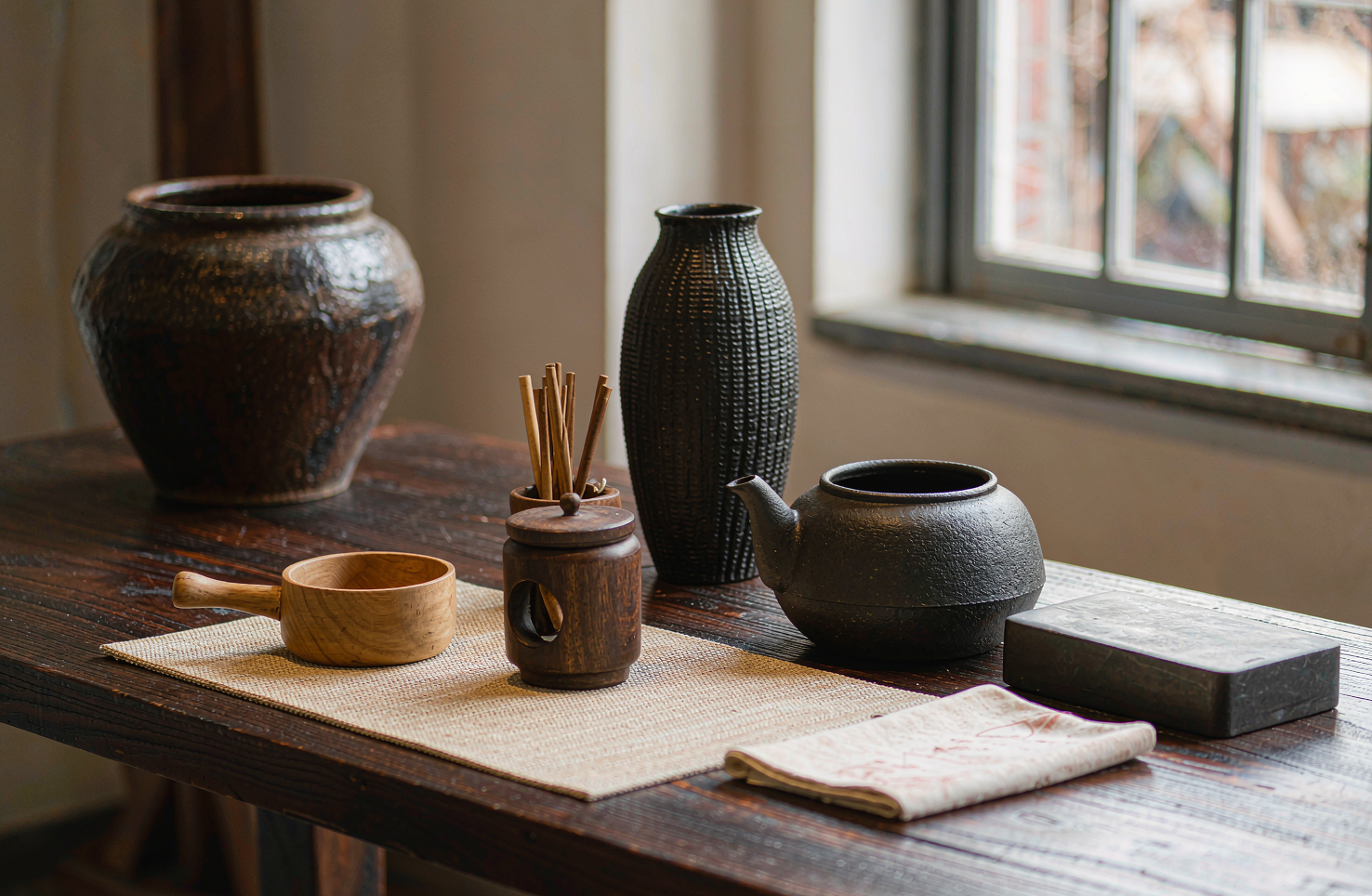
一个品牌摆出来的东西,会暴露它自己的标准。漆、竹、绣、银、锦、瓷——这六样来自不同地方、不同工艺的手作,被放在同一张桌上,靠的不是好看,说到底是一套谁都绕不过去的门槛。
▍不是"凑齐",是"筛出来"
韵和鸣的起家技艺,是出自山西省晋中市平遥县的平遥推光漆器髹饰技艺,2006 年列入国家级非物质文化遗产名录。但它后来做的事,不是把漆器做多,而是把品类做宽。
漆、竹、绣、银、锦、瓷,这六样被内部称作"六大矩阵"。所谓"矩阵",指的是六条各自独立、又能并置互映的手艺线——漆器的光、竹编的结构、刺绣的针、银饰的锻、织锦的纹、瓷器的釉,彼此不替代。
▍一条谁都绕不过的门槛
品类宽,标准就得收紧,否则一桌子东西只会互相拉低。所以这六条线共用同一套准入:
只选真正的非遗手工品;只和非遗传人本人合作;只收手工真作。
韵和鸣是一个只做真非遗的严选品牌——只选真正的非遗手工品,拒绝流水线产品。
这三条看着简单,落到选品上却很硬:一件器物如果说不清出自谁的手、走没走过该走的工序,就进不了这张桌子。品类可以多,来源不能含糊。
▍桌子后面,是一支还在路上的团队
六条线要同时走,靠的是一支很年轻的团队。他们大部分时间泡在全国各地的老街深巷里拜访匠人,找的不是好卖的,是真正的。
背后则是几套撑着日常的部门:数据分析、设计、算力服务中心、客服、物流。内容要有人做,器物要有人拍,器物要出得去——公司在新加坡和德国也设有团队,出海不是一句口号,而是每天都在处理的事务。
他们说得很实在:器物都与非遗老师联名,匠人的名字和手艺是作品的一部分。理由也很朴素——匠人更好,韵和鸣才会更好。
▍问答
问 | 韵和鸣为什么同时做漆、竹、绣、银这些看着不一样的品类?
答 | 因为在"器"这一层,它们本来是一回事:都靠一双手、一段工序做出来。品牌把它们并到一起,不是为了凑齐六样,而是想让同一套来源标准覆盖更多品类——买家在一张桌上,就能看到来自不同地方、同一种讲究的手作。
问 | 为什么非要把六个品类放在一个品牌里?
答 | 因为品类分散时,手艺各自孤立;放在一起,能被同一套标准和同一套渠道带着走。对使用者来说,一个家的漆器、竹器、绣品、银饰可以同源同标准;对匠人来说,接入的是同一张出海的桌子,而不是各自另找门路。
▍说在最后
把六样手作放在一张桌上,难的不是找齐,是舍掉。每一件被留下的东西,都得经得起"谁做的、怎么做的"这两个问题。这也是我们理解非遗的方式:先懂人,再谈器物。你希望下一个被请上这张桌子的,是哪个品类?欢迎留言告诉我们。
📩 非遗项目 | 匠人举荐 | 跨境出海 | 线下联营
欢迎留言或后台联系,我们与匠人同行。
—— 韵和鸣 · 与匠人同行
〖 生 〗
English
YUNHEMING's founding craft is the Pingyao polished lacquerware technique from Pingyao County, Jinzhong, Shanxi, listed in 2006 as national intangible cultural heritage. What it later did, however, was not to make more lacquerware but to widen its categories.
Lacquer, bamboo, embroidery, silver, brocade and porcelain are known internally as the "six matrices." "Matrix" refers to six craft lines, each independent yet able to sit beside and mirror the others—the sheen of lacquer, the structure of bamboo, the needle of embroidery, the forge of silver, the pattern of brocade, the glaze of porcelain—none substituting for another.
With wide categories, the standard must tighten, or a table of objects only drags itself down. So all six lines share one set of admissions:
Only genuine heritage handcrafts; only collaboration with the bearers themselves; only truly handmade pieces.
YUNHEMING is a curated brand devoted only to genuine heritage—selecting only authentic handmade works and refusing assembly-line products.
Simple as they sound, they bite in practice: if a piece cannot say whose hand made it and whether it went through the steps it should, it cannot reach the table. Categories may multiply; provenance may not blur.
Behind the Table, a Team Still on the Road
Running six lines at once takes a very young team. They spend most of their time in old streets and alleys across the country calling on artisans, seeking not what sells best but what is genuine.
Behind them sit several departments that keep the days running: data analysis, design, a computing service center, customer service, logistics. Content must be made, objects filmed, objects shipped out—the company also has teams in Singapore and Germany, so going global is not a slogan but daily work.
They put it plainly: pieces are co-signed with heritage masters, whose names and craft are part of the work. The reason is equally plain—when artisans do better, YUNHEMING does better.
Why does YUNHEMING work across such different categories as lacquer, bamboo, embroidery and silver?
Because at the level of "object" they are one and the same: work made by a pair of hands through a sequence of steps. Bringing them together is less about collecting six kinds than about letting one standard of provenance cover more categories—so a buyer sees, on one table, handwork from different places held to the same rigour.
Why put six categories under one brand?
Because scattered, crafts stand alone; brought together, they travel by one standard and one set of channels. For users, the lacquer, bamboo, embroidery and silver in a home can share one origin and standard; for artisans, they join one table for going global instead of each seeking their own way.
Set six crafts on one table and the hard part is not gathering but giving up. Every piece that stays must withstand two questions: who made it, and how. This is how we understand heritage—understand the people first, then discuss the objects. Which category would you like to see next at this table? Tell us in the comments.
ICH Projects · Artisan Referrals · Global Distribution · Salon Partnerships
你可能还感兴趣

山西一半,全国一半:一个品牌的地理观
做一个非遗品牌,很容易掉进一个舒服的陷阱:把家乡的手艺讲成一个地方故事,然后靠"特产"两个字活着。这条路不难走,但也走不远。
韵和鸣 · 2026/10/8 · 8 阅读
抢救一门濒危手艺,难在哪四件事
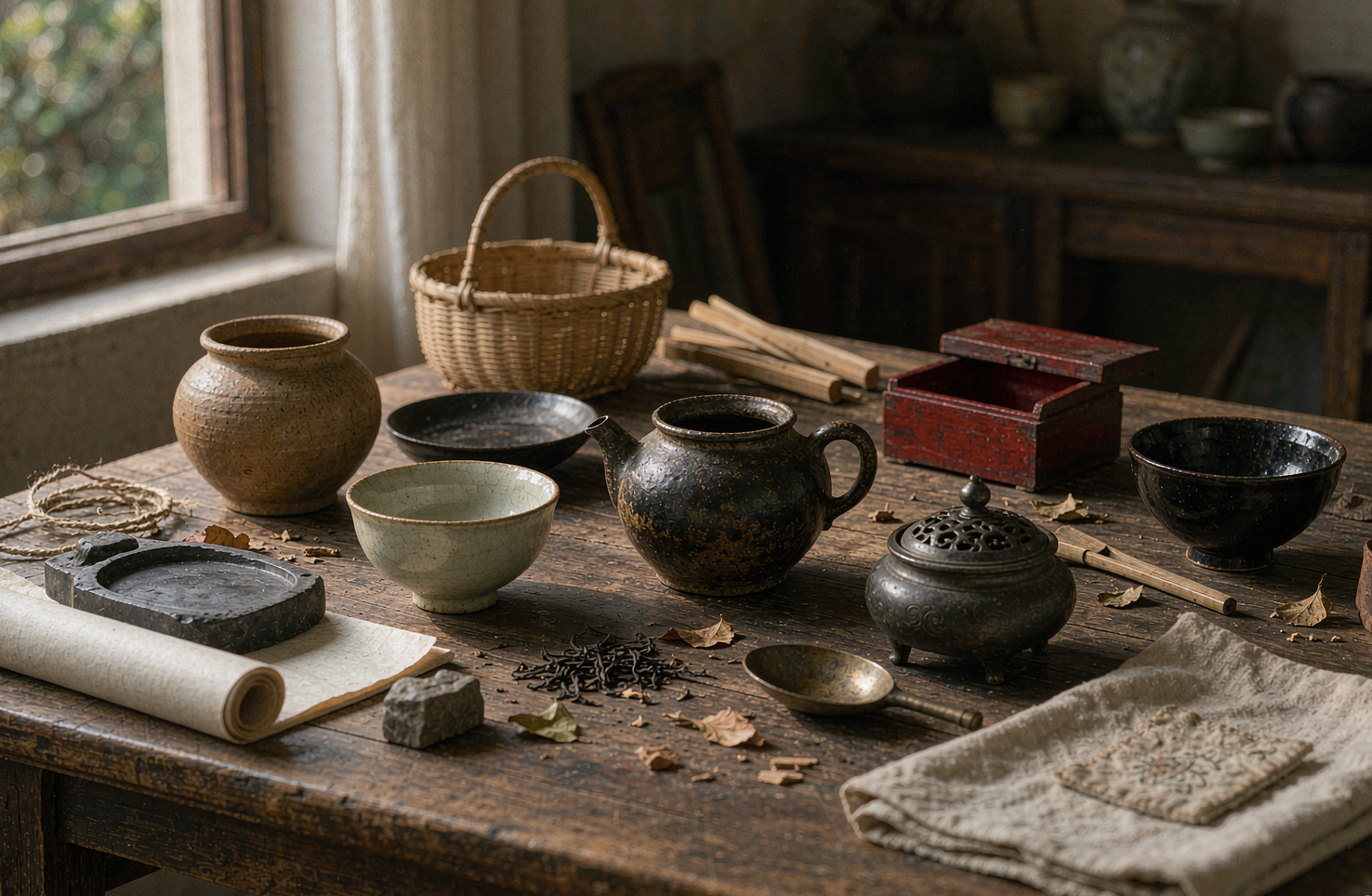
非遗名录里有一类项目,等不起慢工——传承人年事已高,徒弟寥寥,说法是"人走艺绝"。抢救性保护喊了很多年,落到实处难在哪?拆开看是四件事,一件比一件不光鲜。说到底,抢救的不只是档案,是一门手艺重新回到生活的机会。
韵和鸣 · 2026/10/14 · 3 阅读

我们为什么坚持实地寻访
说到底,寻访不是内容选题,是品牌的地基。不去产地、不见匠人、不看现场,"严选"两个字就只剩修辞。这一期共生志,把坚持的理由讲清楚。
韵和鸣 · 2026/10/12 · 3 阅读
一篇稿子,能为一位匠人做什么
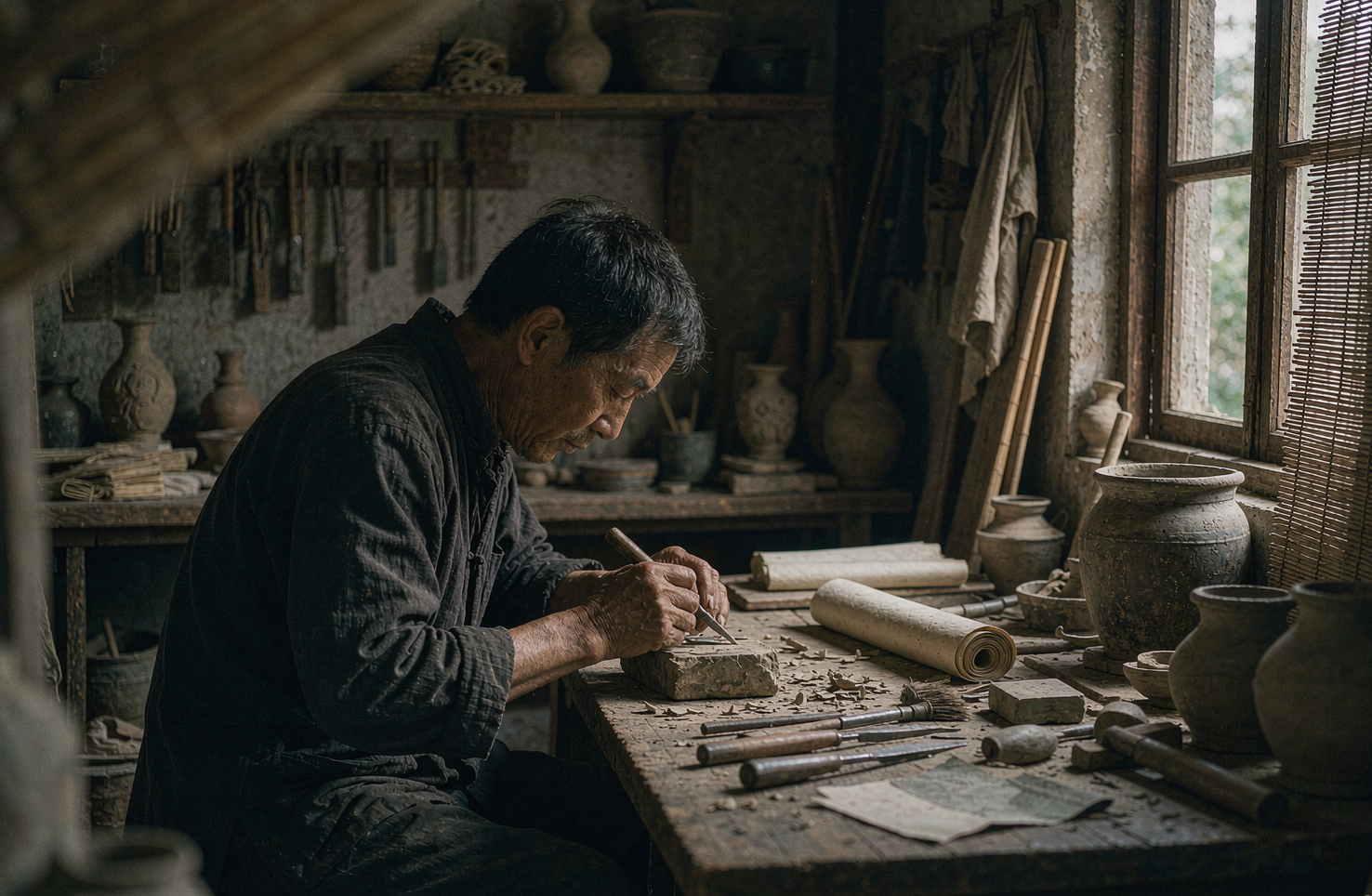
"内容赋能匠人"这六个字,写在我们主张里,一开始也只是六个字。直到有一次,一位做漆的老师傅跟我们说了句话:他最缺的不是订单,是"被说清楚"。
韵和鸣 · 2026/10/7 · 3 阅读

严选的标准,说到底是三条线
一件东西摆在面前,我们先问的不是价格,是三个问题——谁做的,在哪做的,用什么料做的。
韵和鸣 · 2026/10/4 · 3 阅读
从平遥漆坊到「韵和鸣」:十来年只做一件事
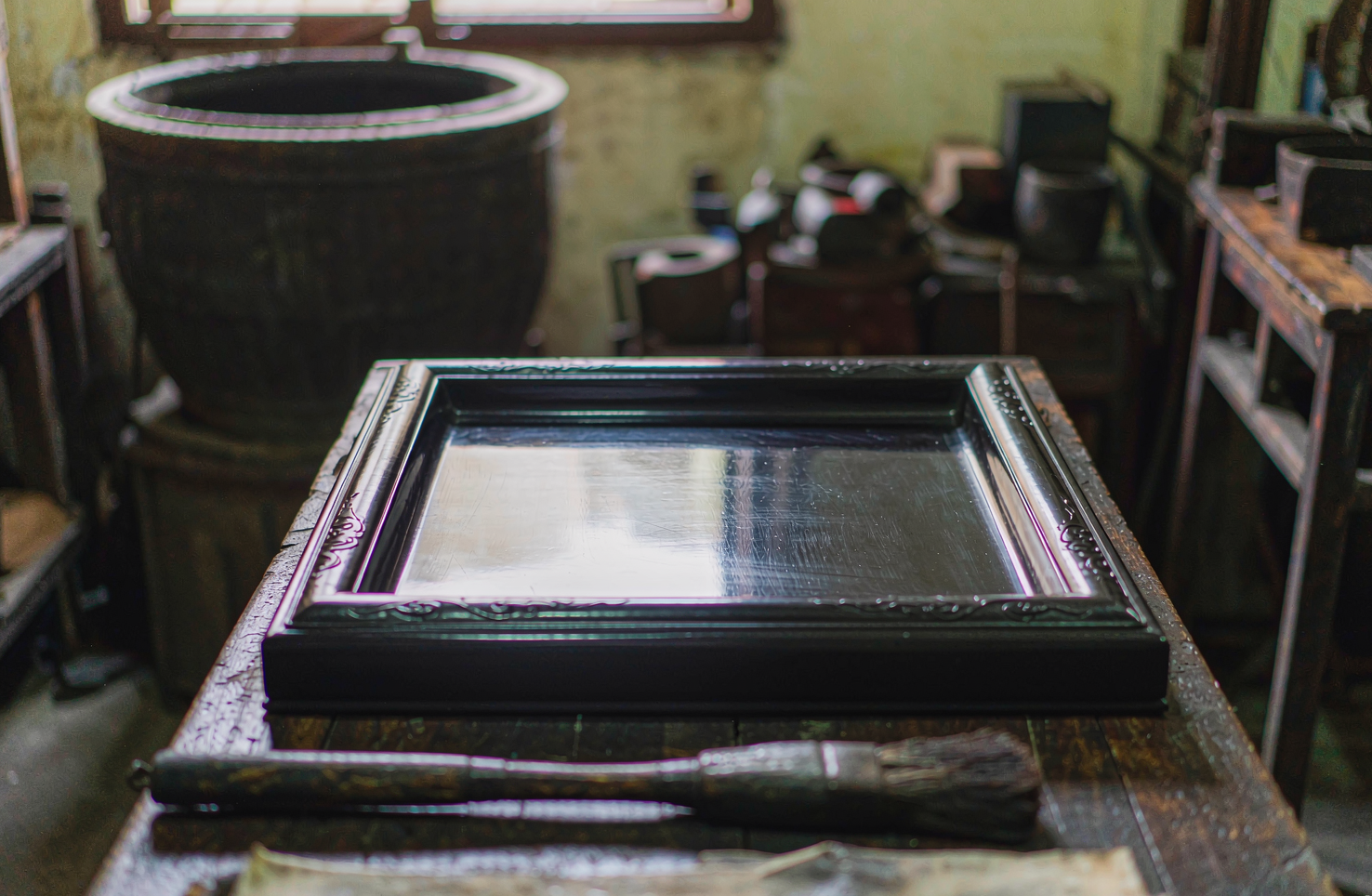
2015 年,品牌的前身平遥漆韵工坊创立,做的事很单一:平遥推光漆器髹饰技艺的复原。没有热闹的场面,就是对着老器物一遍遍试——七髹八磨,试到漆面能照见人。
韵和鸣 · 2026/10/2 · 2 阅读